Groomed Small Dog: Professional Results at Home (10 Salon Secrets I Use Every Time)
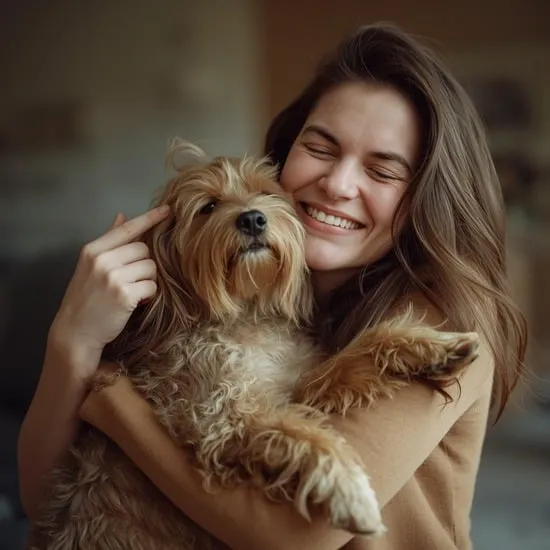
I still remember the first time I tried to groom my tiny Yorkie on my own. Let’s just say the bathroom looked like a snow globe exploded. But after years of practice, I can now get that clean, fluffy, salon-style finish without the appointment or the price tag.
Small dogs are not just mini versions of big dogs. Their coats, skin, and patience levels need a gentler approach. The good news? With the right tools and a calm routine, you can absolutely get professional-looking results at home.
Below are my 10 go-to steps for a groomed small dog that looks like they just left the spa. Take your time, keep treats handy, and enjoy the bonding time.
1. Set Up a Tiny Grooming Station That Works for Both of You
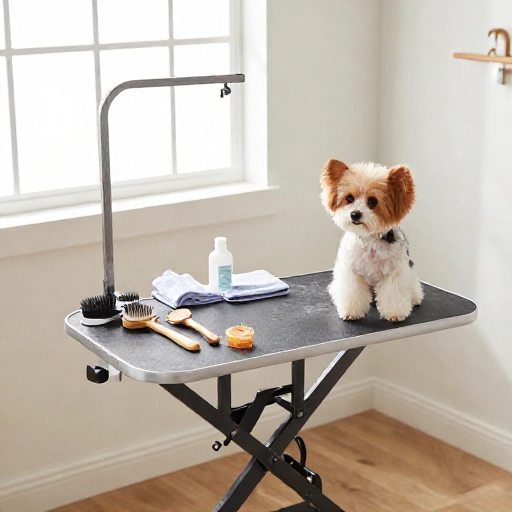
I used to chase my dog around the bathroom with a brush. Now I set up everything before I even pick her up. A non-slip mat on a sturdy table or counter changes the whole game. Small dogs feel safer when they’re not sliding around.
Gather your tools first: brush, comb, dog shampoo, towel, clippers, scissors, nail trimmer, ear cleaner, and treats. Keep them within arm’s reach so you’re not leaving your dog alone on the table.
Good lighting is a must. I use a clip-on light or a bright window so I can see every little mat and stray hair. If your dog is wiggly, a grooming loop or a helper makes a huge difference.
2. Brush First, Bathe Second (This Changes Everything)
Water tightens mats. If you bathe a matted small dog, those tangles can turn into felt. That’s why I always brush and comb before the bath. It takes five extra minutes and saves a lot of tears.
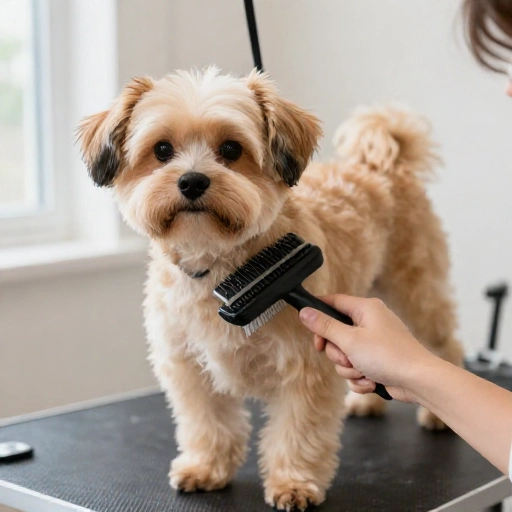
Pick your brush based on coat type. A slicker brush works for most small breeds, a metal comb checks for hidden tangles, and an undercoat rake helps double coats. For curly coats, a pin brush and detangler spray are your best friends.
Work in small sections. I pay extra attention behind the ears, under the collar, in the armpits, and around the tail. If you hit a stubborn knot, hold the hair near the skin and work it out with your fingers before brushing.
3. Bath Time Without the Drama
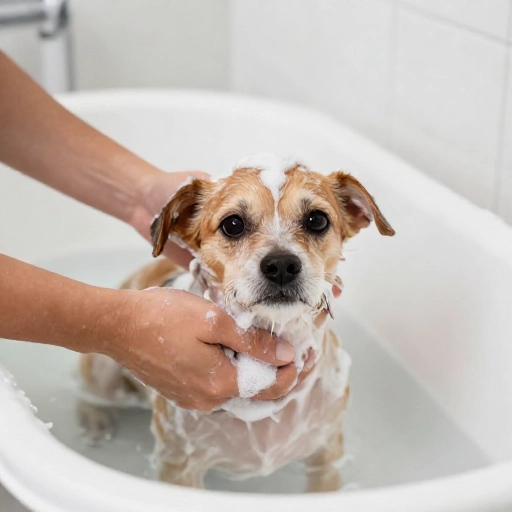
Lukewarm water is perfect. Hot water dries out small dog skin, and cold water makes everyone miserable. I fill a cup or use a sprayer on low pressure to wet the coat from the neck down, avoiding the face and ears.
Dilute your dog shampoo with a little water before applying. It spreads easier and rinses cleaner. Massage it in gently with your fingertips, then rinse until the water runs clear. Any leftover shampoo can cause itching and dullness.
For the face, I use a damp washcloth with a tiny bit of shampoo. Then I squeeze excess water out with a towel. No rubbing—rubbing creates mats. Just press and squeeze.
4. Blow Dry Like a Groomer (Yes, Really)
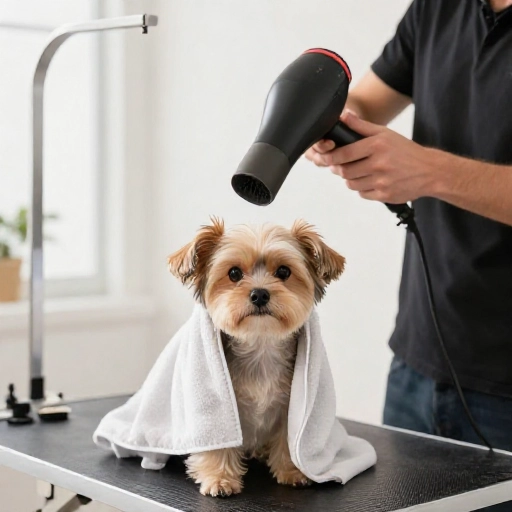
A high-velocity dog dryer is the secret to that fluffy, professional finish. It blows water out instead of cooking the coat with heat. I use the lowest heat setting and keep the nozzle moving.
Start on the body, then move to legs, chest, and finally the face on a very gentle setting. A pin brush or slicker brush helps lift the hair while you dry, so the coat dries straight and full.
If your dog is nervous, turn the dryer on in another room first, then slowly bring it closer. Treats for calm behavior go a long way. Never point hot air directly at the skin.
5. Clipper Confidence for Small Coats
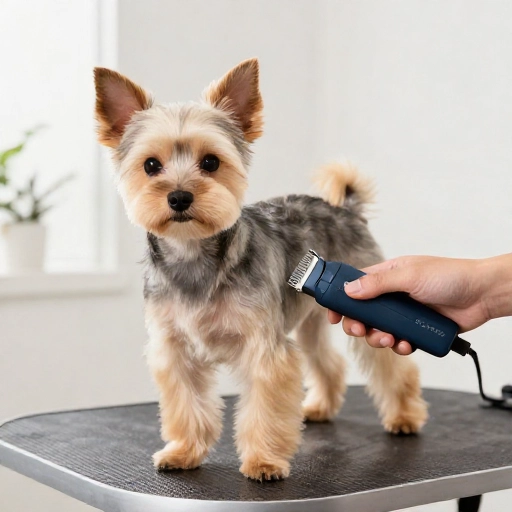
Small dogs have delicate skin, so sharp, quiet clippers made for pets are worth the investment. I always start with a guard comb that’s longer than I think I need. You can always take more off, but you can’t put it back.
Clip in the direction the hair grows. For most small breeds, that means going from the neck toward the tail. Use smooth, overlapping strokes. Don’t push hard or dig into the skin.
Sensitive spots like the armpits, belly, and groin need extra care. I switch to scissors or a smaller clipper for those areas. Check the blade temperature often—it can get hot fast on a small dog.
6. Face, Paws, and Sanitary Trim
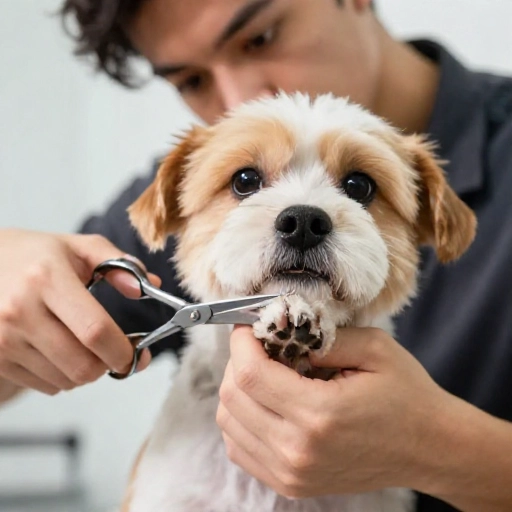
The face is what makes a groom look professional. I comb the hair forward, then trim just above the eyes with blunt-tip scissors. Always point the scissors away from the eye, and keep your fingers between the blade and the skin.
For paws, I trim the hair between the pads and round the outline of the foot. This helps with traction and keeps dirt from clumping. Use small, curved scissors and go slowly.
The sanitary area is the one most people skip. A small clipper or blunt scissors can keep things clean and tidy. If your dog is wiggly, ask a helper to hold gently while you work. Never force it.
7. Nails, Ears, and Teeth: The Finishing Polish
Nails are a big part of a groomed look. I trim a tiny bit at a time and look for the pink quick inside light-colored nails. If you’re unsure, ask a vet or groomer to show you once. Then practice little and often.
For ears, I put a few drops of dog ear cleaner on a cotton ball and wipe the outer flap. I never push anything deep into the ear canal. If the ears smell yeasty or look red, that’s a vet visit, not a grooming problem.
Brushing teeth with dog toothpaste keeps breath fresh and makes the whole groom feel finished. I use a finger brush and go in small circles. It’s quick, and my dog thinks it’s a treat.
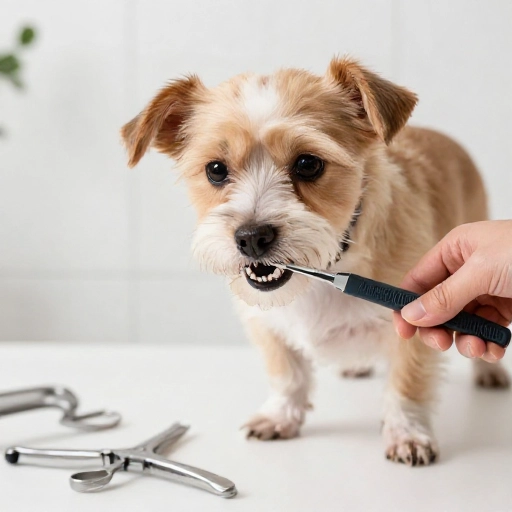
8. Keep Your Small Dog Calm and Cooperative
A calm dog is a groomed dog. I keep sessions short, especially at first. Ten minutes of happy grooming beats an hour of wrestling. If my dog pulls away, I pause, breathe, and offer a treat.
I use a happy, low voice and gentle hands. If she freezes or tucks her tail, I stop and try again later. Forcing it only makes the next groom harder. Sometimes I do just one paw and call it a win.
A towel wrap can help with wiggly small dogs during nail trims. I also use a lick mat with peanut butter or yogurt to keep her busy. Grooming should feel like teamwork, not a battle.
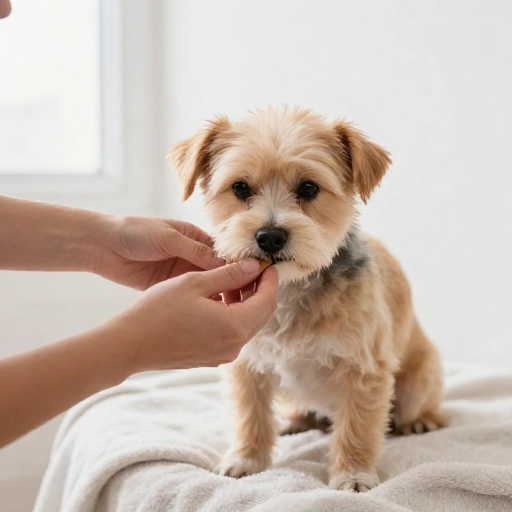
9. Match Your Technique to Your Dog’s Coat Type
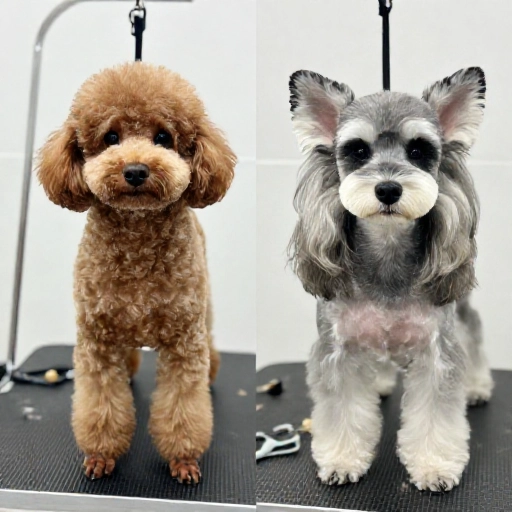
Not all small dogs have the same coat. A double-coated Pomeranian needs an undercoat rake and never a shave. A curly Poodle mix needs line brushing and regular trims. A silky Yorkie or Maltese needs detangler and a gentle brush.
If your dog is a mix, look at the hair: is it fluffy, curly, wiry, or smooth? That tells you what tools to use. Smooth coats usually just need a rubber curry brush and a bath. Wiry coats may need hand-stripping or a trim.
When in doubt, ask a professional groomer for a lesson on your specific coat type. One 15-minute demo can save you months of trial and error. Then you can recreate those professional results at home.
10. A Simple Maintenance Schedule for Salon-Fresh Looks
Professional results at home are really about maintenance. I brush my small dog three to four times a week. That keeps tangles away and spreads natural oils for a shiny coat.
I bathe every three to six weeks, depending on how oily or active she is. Nails get checked every two weeks. Face, paws, and sanitary trims happen every two to four weeks. Ears and teeth get a quick check weekly.
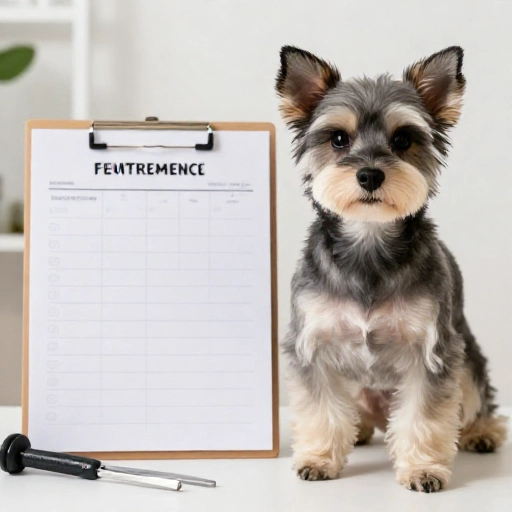
I keep a little grooming journal on my phone. It reminds me when I last trimmed nails or bathed her. A consistent routine means less stress for both of us and a dog that always looks put together.
Conclusion: You Can Do This (and Your Dog Will Thank You)
Grooming a small dog at home doesn’t require a salon certificate. It requires patience, the right tools, and a willingness to learn your dog’s comfort zone. Start with one step, like brushing before bath time, and build from there.
The more you practice, the more professional your results will look. And the best part? You’re not just saving money—you’re building trust and connection with your tiny best friend. A groomed small dog is a happy, healthy, confident dog.
FAQ: Grooming a Small Dog at Home
Q: How often should I groom my small dog?
A: Brush three to four times a week, bathe every three to six weeks, and trim nails every two to three weeks. Adjust based on coat type and lifestyle.
Q: What if my small dog hates bath time?
A: Try a shallow tub, lukewarm water, a non-slip mat, and treats. Keep sessions short. You can also use a damp washcloth for touch-ups between full baths.
Q: Can I use human shampoo on my dog?
A: No. Human shampoo can dry out your dog’s skin and change its pH. Use a gentle dog shampoo made for your dog’s coat type.
Q: How do I avoid cutting the quick when trimming nails?
A: Trim tiny slices at a time. On light nails, look for the pink quick. On dark nails, stop when you see a gray or pink dot in the center. Keep styptic powder nearby.
Q: What tools do I need to start grooming my small dog at home?
A: A slicker brush, metal comb, dog shampoo, towel, high-velocity dryer, clippers with guard combs, blunt scissors, nail trimmer, ear cleaner, and dog toothbrush. Add a grooming table or non-slip mat for safety.