A Realistic 9-to-5 Puppy Schedule for Working Owners (That Actually Fits Real Life)
When I got my puppy, I was back at work in five days. No remote job, no stay-at-home setup, just a lunch break and a lot of guilt. I quickly learned that the perfect puppy schedule on the internet was made for people who never had to sit in traffic or join a 9 a.m. Zoom call.
So I built a realistic 9-to-5 puppy schedule for working owners. It’s not glamorous, but it kept my puppy safe, happy, and mostly accident-free. It also kept me from losing my mind.
Below is the exact routine I used, with small tweaks for different ages and energy levels. You can steal it, adjust it, and make it work for your real life.
Start Strong: The Early Morning Puppy Routine Before Work
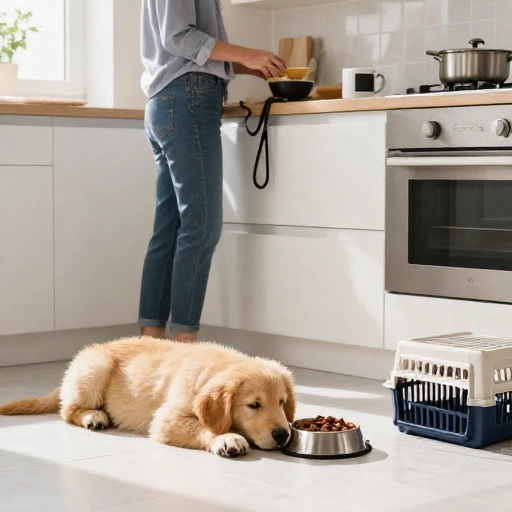
My day started earlier than I wanted. The first 90 minutes were all about my puppy. I took him out immediately, even if he just whined instead of going. Then we did breakfast, a short walk, and a tiny training session.
I saved the longest walk for after work, not before. Morning walks were more about potty and sniffing than exercise. That kept him from getting overstimulated before I had to leave.
By 7:30 a.m., I put him in his crate with a frozen Kong. He was tired, fed, and had emptied his bladder. I left for work knowing I had done the important stuff.
Set Up Your Workday Crate and Potty Station Like a Pro
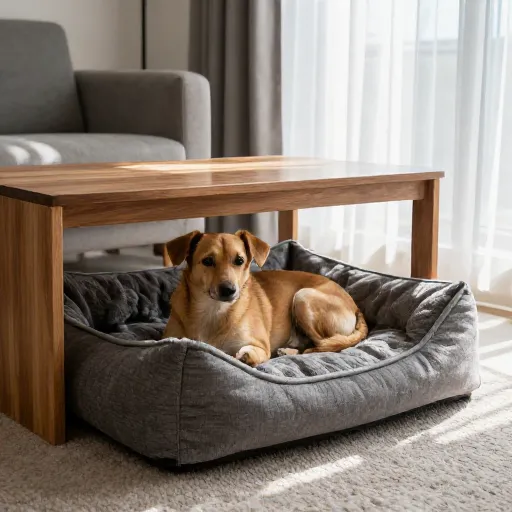
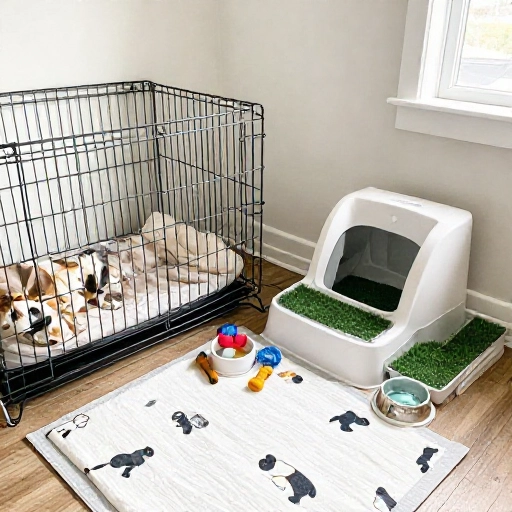
Your setup matters more than your schedule. I used a crate that was just big enough for him to stand, turn, and lie down. Too much space meant he could potty in one corner and sleep in another.
I also attached an exercise pen to the crate. That gave him a tiny safe area with water, a chew toy, and a pee pad near the door. It wasn’t a perfect solution, but it bought me a little peace of mind.
I kept a camera pointed at the pen so I could check my phone during breaks. That helped me catch accidents early and learn his potty patterns. You don’t need a fancy camera. A cheap baby monitor works too.
The Midday Break: Dog Walker, Sitter, or Your Own Lunch Hour
If you can come home at lunch, do it. Even 20 minutes of potty, play, and a quick walk can reset your puppy’s whole afternoon. I treated my lunch break like a real appointment, not a maybe.
If you can’t come home, hire a dog walker or pet sitter for a midday visit. Ask them to do potty, water, and a short walk. For young puppies, two visits a day is often better, but one is a good start if that’s all you can afford.
When I couldn’t get help, I used a frozen stuffed toy and a puzzle feeder before I left. That gave him something to do around noon without needing me. It wasn’t ideal, but it worked on busy days.
Afternoon Enrichment That Buys You Quiet Meeting Time
Puppies get bored long before they get tired. A bored puppy chews your shoes, barks at the mail carrier, or learns how to escape the pen. So I planned enrichment for the afternoon, even when I was working.
- Frozen carrots or cucumber slices for teething
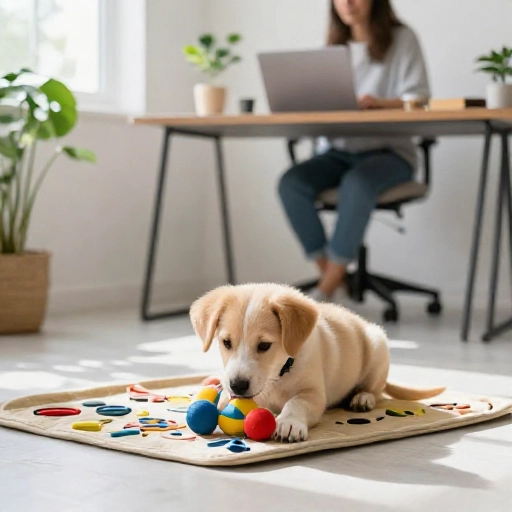
- Snuffle mats with a few kibble pieces hidden inside
- Puzzle feeders that make him work for dinner
- A rotating chew toy that only comes out during work hours
I rotated toys every few days so they felt new. I also kept the TV or a podcast on low for background noise. It wasn’t about spoiling him. It was about making alone time feel normal and boring in a good way.
The goal isn’t to entertain your puppy every second. It’s to teach him how to settle while you’re busy. That skill takes practice, but it’s worth it.
The 5 PM Reunion: Potty, Play, and Reset Before Evening
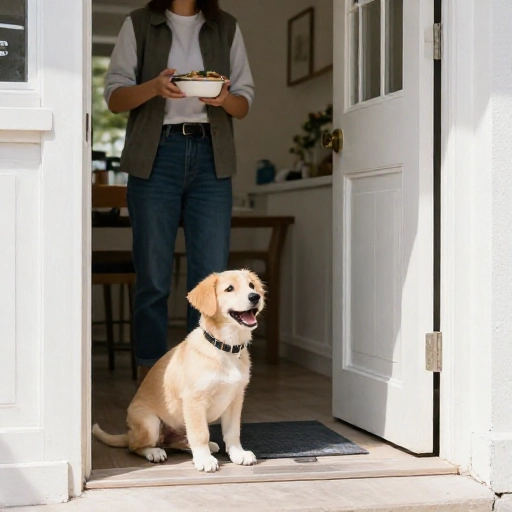
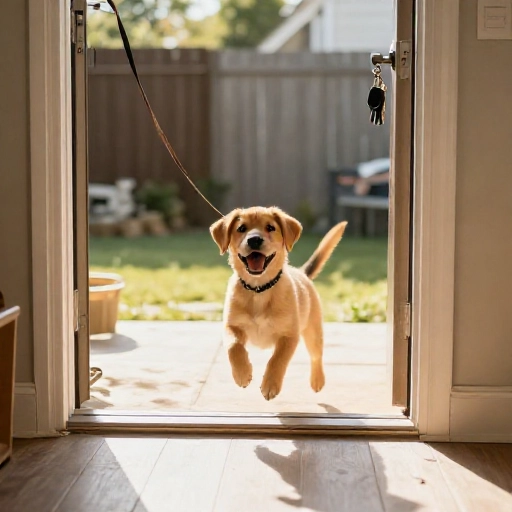
The moment I walked in, I dropped my bag and took him straight outside. No greeting, no petting, no “I missed you so much” until after he pottied. That one rule saved my carpet more times than I can count.
After potty, we did 15 to 20 minutes of active play. Tug, fetch, or a flirty pole. Something that made him run and use his brain. Then he got water and a short rest while I changed clothes.
This reunion routine told him what to expect. He learned that I always came back, and that good things happened after I did. That predictability made the whole workday easier for both of us.
Dinner and Mini Training Sessions (10 Minutes Max)
I fed my puppy dinner around 6 p.m. While he ate, I prepped my own dinner. After he finished, we did two or three short training sessions. Each one was five to ten minutes, no longer.
We practiced sit, down, stay, come, and loose leash walking in the hallway. Short sessions kept him focused and kept me from getting frustrated. Puppies have tiny attention spans, especially after a long day.
I used part of his dinner as training treats. That way I wasn’t overfeeding him, and he was working for his food. If he was too tired or wild, I skipped training and gave him a chew instead. Some days are just survival days.

Evening Walk and Wind-Down for a Calmer Puppy
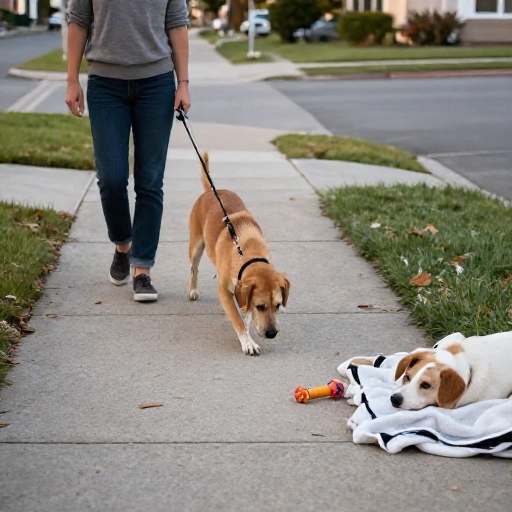
After dinner and training, we went for a sniff-heavy walk. This wasn’t a power walk. It was a slow, stop-and-smell-everything walk. Sniffing tires a puppy out mentally, which is often better than running them ragged.
When we got home, I dimmed the lights and turned off loud TV. We did a little gentle grooming or cuddling on the floor. Then another potty break right before bed.
I learned that a calm evening made bedtime easier. If I let him zoom around at 9 p.m., he was up until midnight. A wind-down routine told his brain that the day was over.
Bedtime Crate Routine That Helps Everyone Sleep
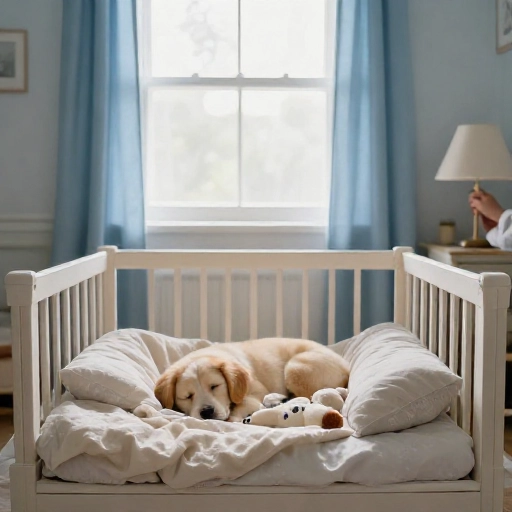
My puppy slept in his crate in my bedroom for the first few months. I kept the crate next to my bed so I could hear him if he needed a middle-of-the-night potty break. That made a huge difference for both of us.
Our bedtime routine was simple: last potty, small treat in the crate, white noise on, lights off. No long goodbyes. I didn’t want him to think crate time was a punishment or a big event.
For the first few weeks, I set an alarm for a midnight potty break. Then I slowly pushed it later as his bladder grew. By four months, he was sleeping through the night most nights.
Adjusting the Schedule by Puppy Age and Energy Level
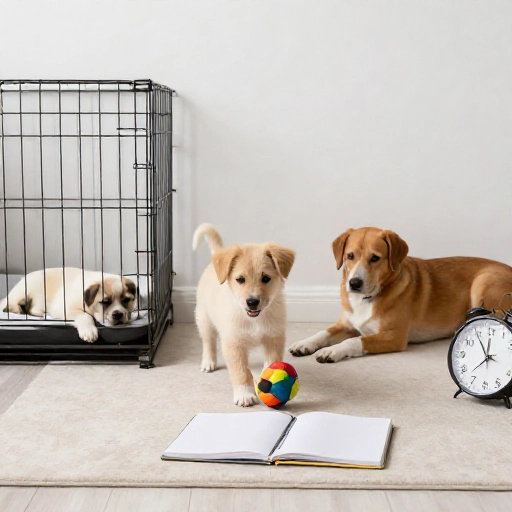
An 8-week-old puppy cannot hold it for four hours. A 6-month-old puppy can usually handle a full workday with a midday break. Your schedule has to grow with your puppy.
- 8–12 weeks: Potty every 1–2 hours. Need multiple midday visits.
- 3–6 months: Potty every 3–4 hours. One or two walks.
- 6–12 months: Potty every 4–6 hours. More exercise and training.
Energy level matters too. A border collie puppy needs more than a bulldog puppy. Watch your puppy, not the clock. If he’s destructive or restless, he probably needs more sniffing, chewing, or training.
The schedule is a framework, not a prison. Change it when your puppy changes. That’s how you stay sane and keep him happy.
Final Thoughts: Give Yourself Grace
Working full-time with a puppy is hard. Some days you’ll come home to an accident. Some days you’ll be too tired to train. That doesn’t mean you failed. It means you’re human and your puppy is still learning.
The best puppy schedule for working owners is the one you can actually follow. Keep it simple. Ask for help. Forgive yourself. Your puppy cares more about consistency and love than a perfect timeline.
FAQ: Working Owners and Puppy Schedules
Q: Can I leave my puppy alone for 8 hours while I work?
A: No, not a young puppy. Most puppies under 6 months need a midday potty break. Hire a walker or come home if you can.
Q: Is crate training cruel if I work all day?
A: Not if you do it right. The crate should be a safe, positive space. Pair it with potty breaks, exercise, and enrichment. Never use it as punishment.
Q: What if I can’t afford a dog walker?
A: Try a neighbor, a trusted friend, or a puppy daycare once or twice a week. You can also use a pen with pee pads and puzzle toys. It’s not perfect, but it’s temporary.
Q: How many walks does a puppy need on a workday?
A: One good morning potty walk, a midday break if possible, and a longer evening walk. Quality and sniffing time matter more than distance.
Q: When did your puppy finally sleep through the night?
A: Around 4 months, after we slowly pushed his midnight potty break later. Every puppy is different, so don’t compare your timeline to anyone else’s.