Early Signs of Dog Arthritis
If your dog is slowing down a little, it’s easy to chalk it up to age. But sometimes that slower pace is more than just a lazy afternoon. Arthritis in dogs is incredibly common, especially as they get older, and catching it early can make a huge difference in their comfort and happiness.
I remember when my own pup started hesitating before hopping onto the couch. At first, I thought she was just being picky. Then I noticed she was stiff after naps. It turns out that subtle shifts in behavior are often the first clues that something’s off with their joints.
So let’s talk about the early signs of dog arthritis. Recognizing these little changes can help you talk to your vet sooner and keep your furry friend feeling good for longer.
Slowing Down on Walks
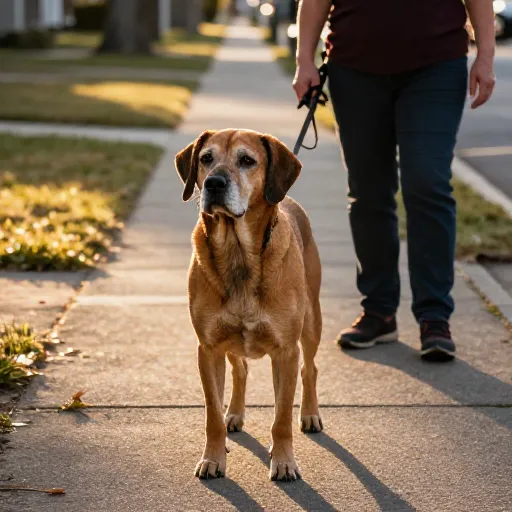
Does your dog used to pull on the leash and now strolls behind you? A sudden change in walking pace can be an early sign of joint discomfort.
They might also stop to sit down more often or seem unsure about going too far. It’s not laziness—it’s their joints telling them to take it easy.
Pay attention if a favorite walking route no longer gets them excited. That loss of enthusiasm can mean moving is just a little painful.
Stiffness After Rest
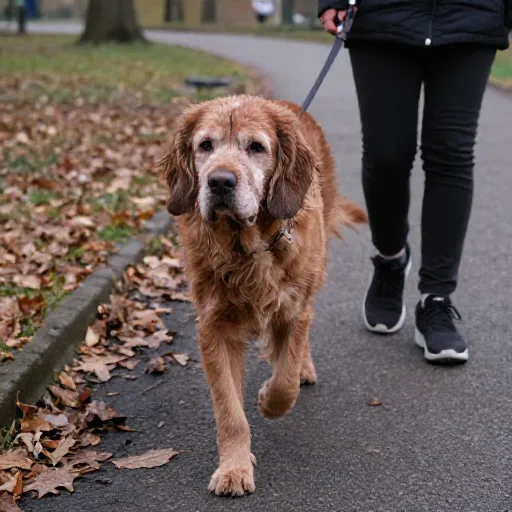
One of the classic early signs is stiffness after lying down for a while. Your dog may get up slowly, walk a few steps with a stiff rear end, and then warm out of it.
This is sometimes called “gelling” and it’s super common with arthritis. The joints stiffen up when they’re still, then loosen up as fluid starts moving.
If you notice this more in the morning or after a nap, it’s worth mentioning to your vet.
Reluctance to Jump
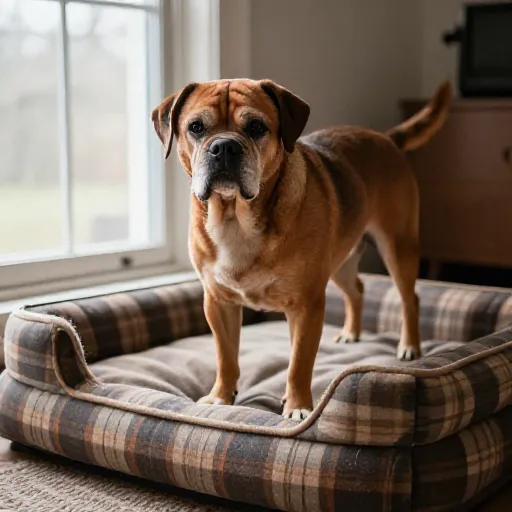
If your dog used to leap onto the bed or into the car without thinking, that changes fast when arthritis creeps in.
They might stand in front of the sofa, hesitate, and then back away. Or they might try to jump and fail. This is a big red flag.
Small dogs often stop jumping on furniture first, while bigger dogs might avoid jumping into the car. Any change in this area is worth paying attention to.
Licking or Chewing Joints
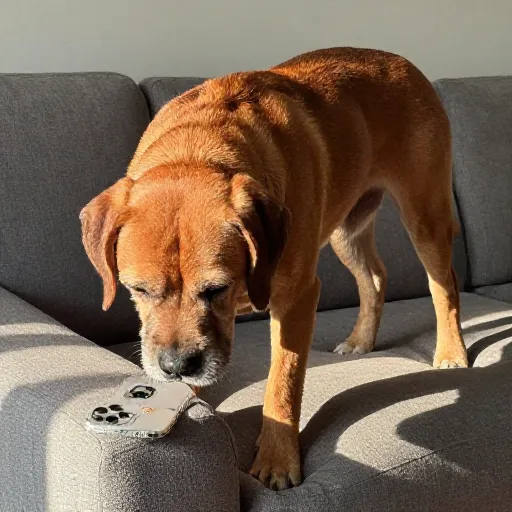
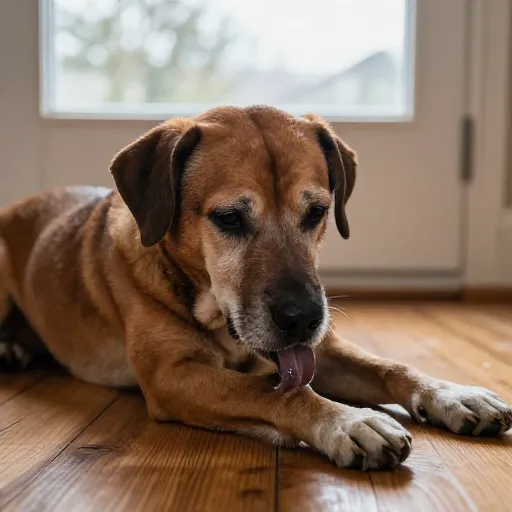
Dogs naturally lick themselves to groom, but obsessive licking in one spot is different. If your dog is constantly licking their elbows, hips, or knees, it could be a sign of soreness.
They might also chew at those areas in a way that seems a little frantic. This is often an attempt to soothe the ache.
Keep an eye out for hair loss or red, irritated skin near the joints. That can be a secondary sign that something is going on underneath.
Changes in Posture
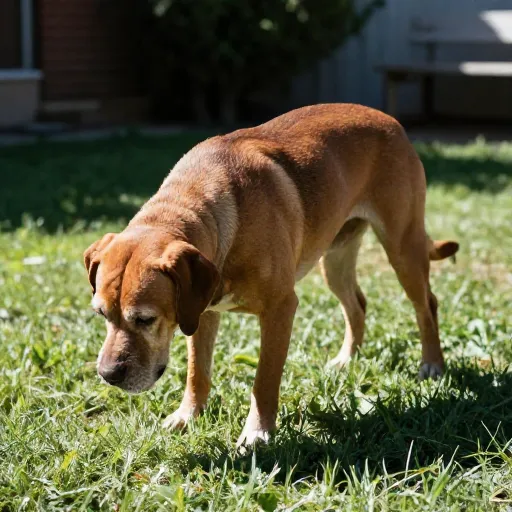
Arthritis can change the way a dog holds their body. You might notice them standing with their back legs a little closer together or shifting weight away from a painful joint.
Some dogs will tuck their rear end under or hold their head lower than usual. It’s a subtle change, but one you can spot if you look carefully.
Compare old photos or videos of your dog to how they stand now. Side-by-side comparisons can make the difference really obvious.
Irritability or Behavioral Changes
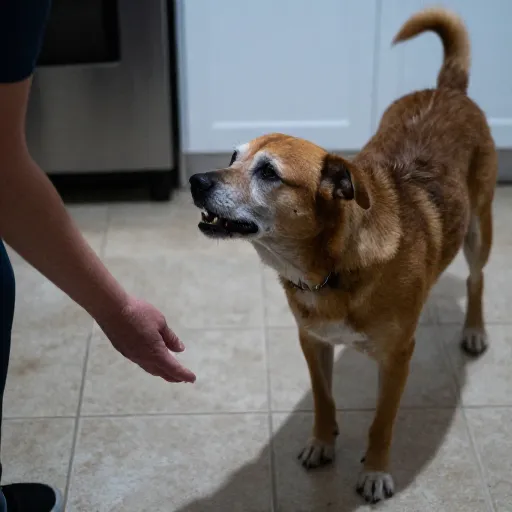
Nobody feels happy when they’re in pain. If a normally sweet dog starts snapping or growling when touched, arthritis might be the reason.
They may also avoid being pet in certain areas, especially around their hips or legs. This is often mistaken for being grumpy, but it’s really just them saying “that hurts.”
Watch for changes in temperament, especially around other pets or kids. Pain can make even the most patient dog a little snappy.
Difficulty with Stairs
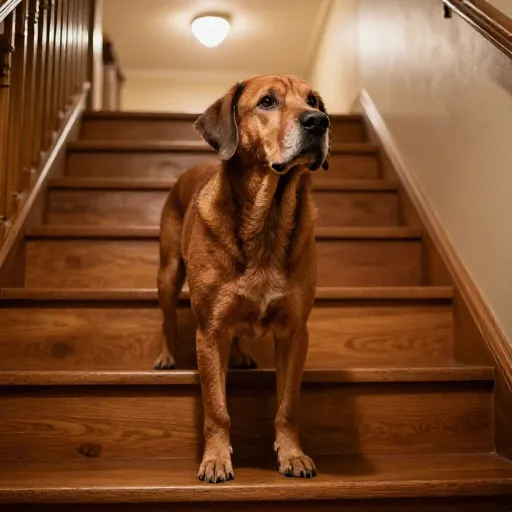
Stairs are a great test for joint health. A dog with early arthritis might pause at the bottom of the steps or take them one at a time instead of bounding up.
They may also seem more comfortable going up than down, or vice versa. Going down puts extra pressure on front legs, while going up works the rear.
If your dog avoids the stairs altogether, that’s a sign their joints are bothering them.
Loss of Muscle Mass
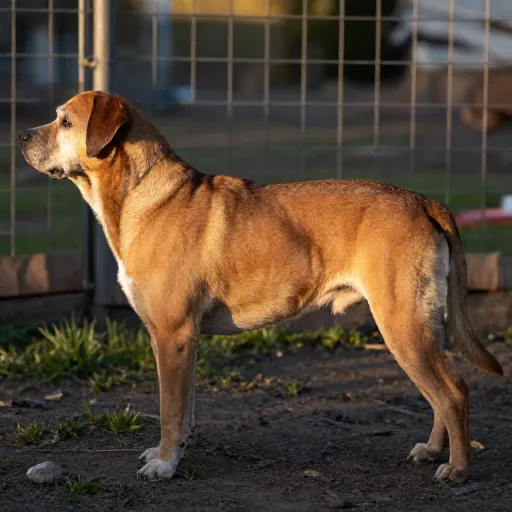
As dogs move less, their muscles start to weaken. This is especially noticeable in the back legs, where muscle loss can make the spine look more prominent.
You might also see thinning over the shoulders or hips. This isn’t just from aging—it’s often because the dog is avoiding using painful joints.
Feeling for muscle tone regularly can help you notice early changes. If one leg feels much skinnier than the other, arthritis could be the cause.
Changes in Sleep Patterns
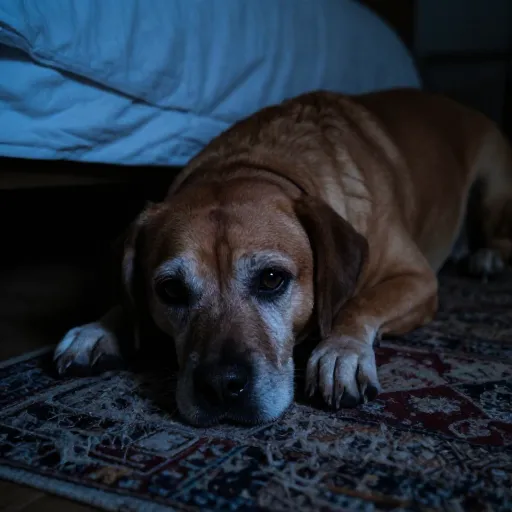
Arthritis pain can interfere with sleep. Your dog might pace at night, seem restless, or have trouble settling into a comfortable position.
They might also sleep more during the day because their sleep at night is broken. It’s easy to dismiss this as just “old age,” but it can be a clue.
If your dog constantly shifts or whines in their sleep, that’s a sign they might be in discomfort.
Lack of Interest in Play
When joints hurt, playtime loses its appeal. If your dog no longer brings you a toy or walks away when you try to start a game, that’s telling.
They might still want to be around you, but they’ll prefer lying down over active play. Enthusiasm for fetch or tug often drops early in arthritis.
That doesn’t mean they’re suddenly a couch potato by choice. It usually means moving is just not comfortable.
Conclusion
Arthritis in dogs doesn’t appear overnight, but the signs are there if you know what to look for. Slowing down, stiffness after rest, and avoiding jumps are all early clues that your dog’s joints might be struggling.
If you notice any of these changes, don’t wait. A trip to the vet can lead to early treatment, better pain management, and a much happier dog. You know your pup better than anyone, so trust that gut feeling and get the help they deserve.
FAQ
What age do dogs typically start showing arthritis signs?
It varies a lot by breed and size. Larger breeds can show signs as early as five or six, while smaller dogs might not show anything until they’re much older. Senior dogs are more at risk, but arthritis can start earlier too.
Can dog arthritis be cured?
Arthritis isn’t curable, but it is manageable. With the right combination of medication, supplements, weight management, and lifestyle changes, most dogs can live very comfortably for years after a diagnosis.
What can I do at home to help my arthritic dog?
Soft bedding, ramps instead of jumps, gentle exercise, and warm resting spots all help. Keeping your dog at a healthy weight is one of the biggest things you can do to take pressure off their joints.
Should I still walk my dog if they have arthritis?
Yes, but keep walks short and gentle. Regular low-impact movement helps keep joints from stiffening. Watch your dog’s cues and let them set the pace. If they want to turn back, listen.
Are there supplements that help with dog arthritis?
Many owners find glucosamine and chondroitin supplements helpful, and there’s some evidence they support joint health. Omega-3 fatty acids can also reduce inflammation. Always talk to your vet before starting anything new.