15 Human Foods Dogs Should Never Eat
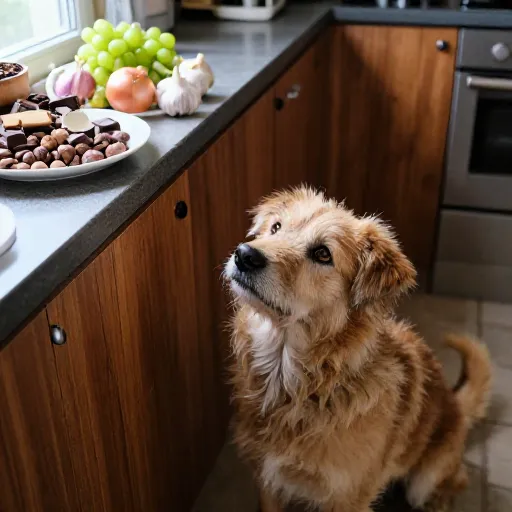
Hey there, fellow dog parent! We all love sharing a bite with our furry best friend, but not everything from our plate is safe. Some foods that are totally fine for us can be dangerous—even deadly—for dogs. I’ve put together a list of the worst offenders so you can keep your pup happy and healthy. Bookmark this for later, and let’s dive in.
This isn’t about being paranoid—it’s about being prepared. I’ve seen too many emergency vet visits that could have been avoided with a little knowledge. So here are the 15 human foods your dog should never eat, no matter how much those puppy eyes beg.
Keep this list somewhere handy, and remember: when in doubt, just don’t share. Your dog’s health is worth way more than a few seconds of begging.
1. Chocolate
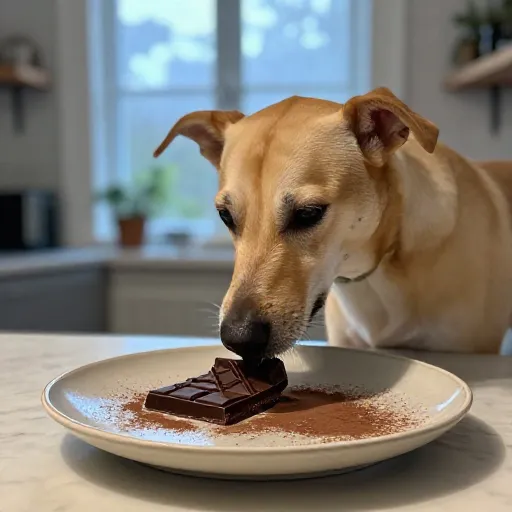
Chocolate contains theobromine and caffeine, which dogs can’t break down properly. Even a small amount can cause vomiting, diarrhea, rapid breathing, and seizures. Dark chocolate and baking chocolate are the worst.
If your dog sneaks a bite, don’t wait. Call your vet, especially if it’s dark or unsweetened. Keep all chocolate treats far out of paw’s reach.
2. Grapes and Raisins
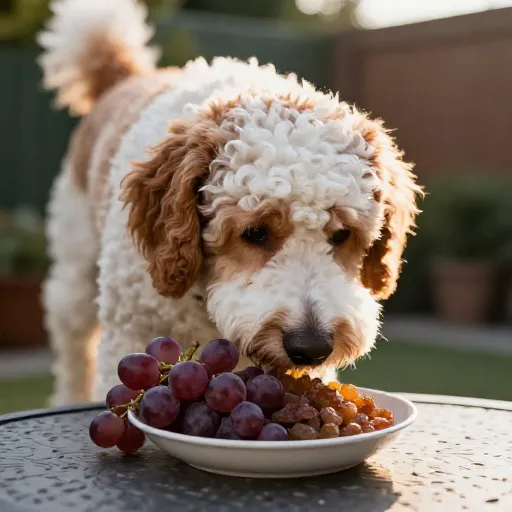
Grapes and raisins are a weird one—they can cause sudden kidney failure in some dogs, and we don’t know why. Some dogs eat them and are fine, others aren’t lucky. Even a small handful can be toxic.
Watch for vomiting, lethargy, and a sudden loss of appetite. No grapes, no raisin cookies, no trail mix. Just avoid them completely.
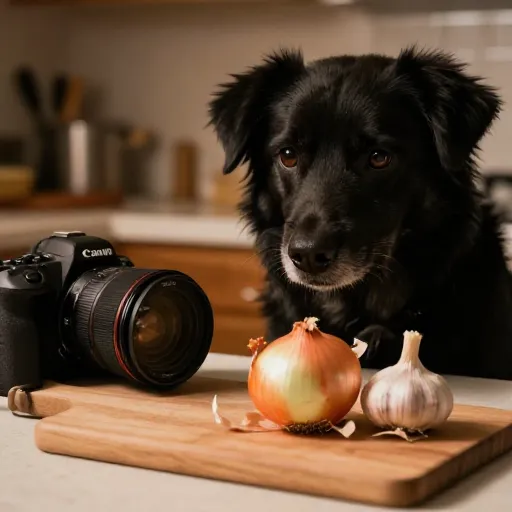
3. Onions and Garlic
Onions, garlic, leeks, and chives are all part of the allium family, and they damage a dog’s red blood cells. That leads to anemia. Garlic powder is even more concentrated.
Keep them out of everything—yes, even that leftover spaghetti sauce. Symptoms might not show up for a few days, so it’s easy to overlook. Don’t feed your dog anything seasoned with these.
4. Xylitol
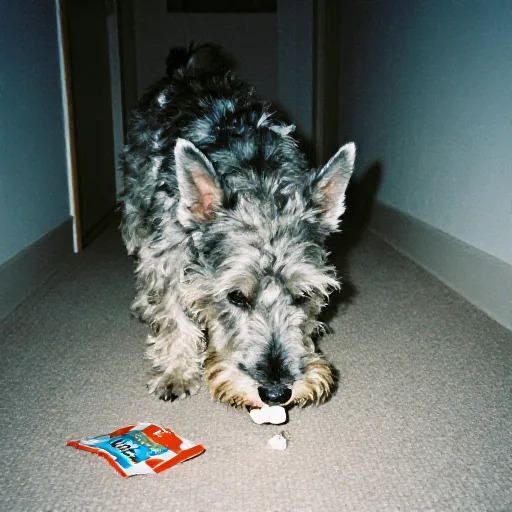
Xylitol is a sugar substitute found in gum, candy, toothpaste, and baked goods. It causes a massive insulin spike in dogs, which drops their blood sugar dangerously fast. Within 30 minutes, they can collapse or have seizures.
Even a small piece of gum can be fatal. Check labels carefully, and always choose xylitol-free peanut butter if you share a spoon.
5. Avocado
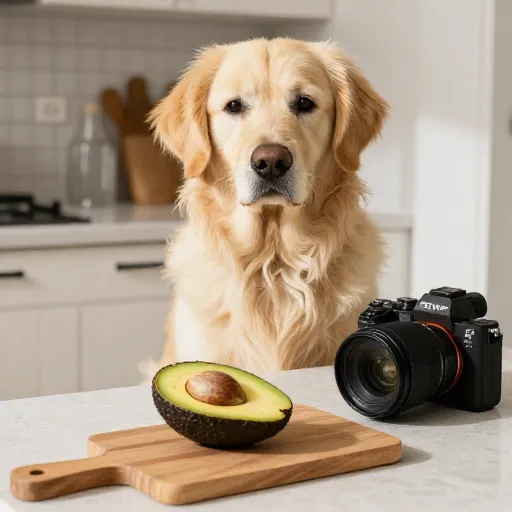
Avocados contain persin, a fungicidal toxin that can cause vomiting and diarrhea in dogs. The big risk is the pit, which is a choking hazard and can block the intestines.
Plus, the high fat content can trigger pancreatitis. Just skip the guac, friend. Your dog will survive without it.
6. Alcohol
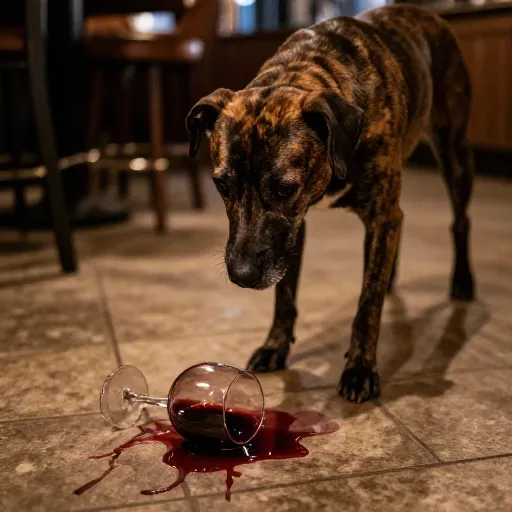
Alcohol is absorbed quickly into a dog’s bloodstream, and even a little can cause vomiting, coordination problems, breathing issues, and a dangerous drop in blood pressure. Beer, wine, spirits—none of it.
Don’t leave drink glasses on low tables, and keep an eye on party floors. If your dog licks up a spill, call your vet right away.
7. Caffeine
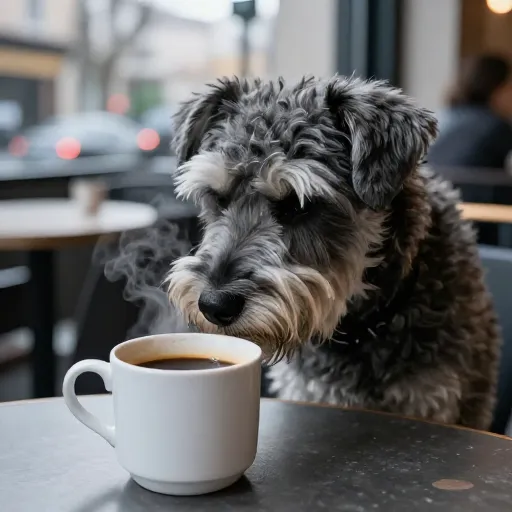
Caffeine is another stimulant that dogs can’t handle. It can cause restlessness, rapid heartbeat, tremors, and even death. Coffee, tea, soda, energy drinks, and even caffeine pills—stay away.
I know it’s tempting to give your dog a lick of your iced coffee, but don’t. Their little bodies just aren’t built for it.
8. Macadamia Nuts
Macadamia nuts are toxic to dogs, and we’re not exactly sure why. Just a few can cause weakness, panting, vomiting, and a swollen, shaky back end. They can’t walk properly.
It usually passes in a couple days, but it’s scary and painful for your pup. Keep those nuts for your own snack bowls.

9. Cooked Bones
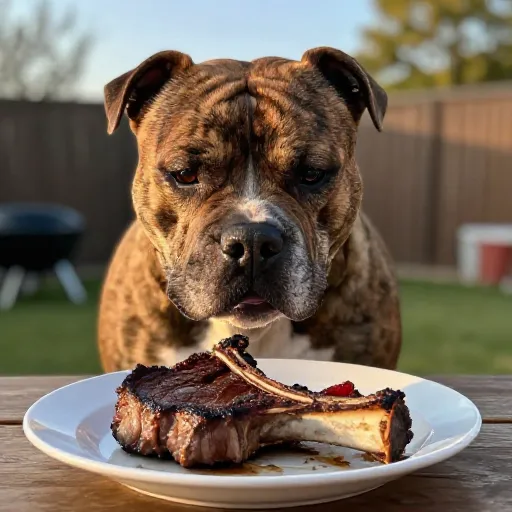
Cooked bones, especially poultry bones, are dangerous. Heat makes them brittle, so they splinter into sharp shards that can puncture the mouth, throat, or stomach. Raw bones have their own risks too.
Give your dog chew toys instead. Nothing from the dinner table, no matter how much they drool.
10. Raw Meat and Eggs
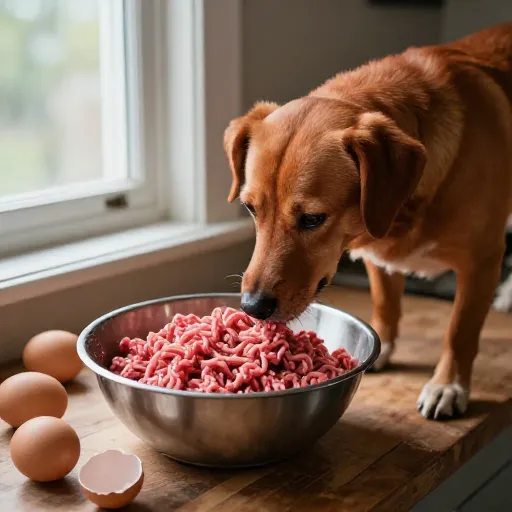
Raw meat can have E. coli and salmonella, just like it can for us. Dogs’ stomachs are more acidic, so they handle some, but why risk it? Raw eggs have a protein called avidin that blocks biotin, a B vitamin.
Stick to fully cooked, boring chicken. It’s safe, healthy, and your dog will still think it’s a treat.
11. Salt and Salty Snacks
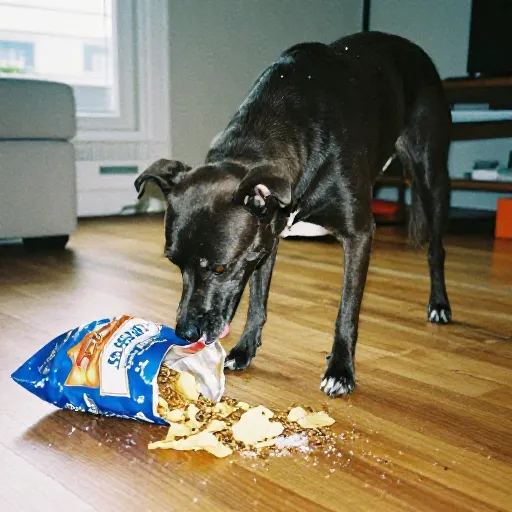
Too much salt in dogs can lead to dehydration and sodium ion poisoning. Symptoms include tremors, seizures, extreme thirst, and even coma. Chips, pretzels, salted meats—they’re all too much.
Your pooch doesn’t need extra sodium, and those crunchy snacks are just empty calories. Keep the salty stuff for yourself.
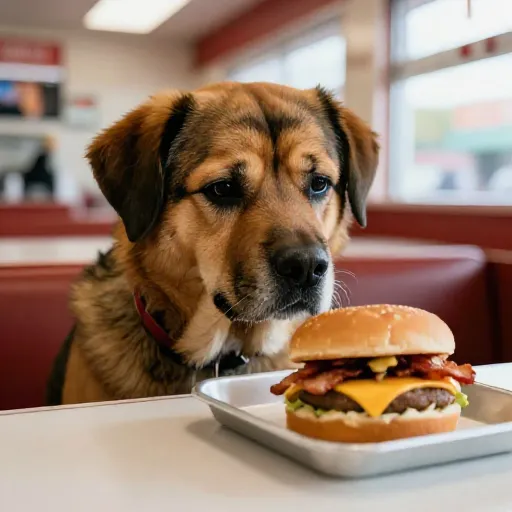
12. Fatty Foods
Bacon, fried chicken, butter, and greasy leftovers are bad news. They can trigger pancreatitis, a painful and sometimes deadly inflammation of the pancreas. Even if your dog has a cast-iron stomach, fatty foods are not worth the risk.
I know that smell is tempting, but stay strong. Your dog’s snout will forgive you after a walk.
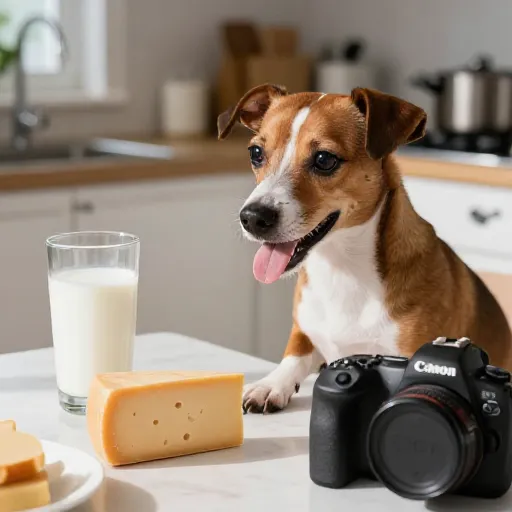
13. Dairy Products
Most dogs are lactose intolerant, believe it or not. They don’t have enough lactase to break down dairy, so milk, cheese, and ice cream often lead to gas, bloating, and diarrhea.
A tiny lick might be fine, but a whole bowl is a recipe for mess. Try lactose-free dog treats instead.
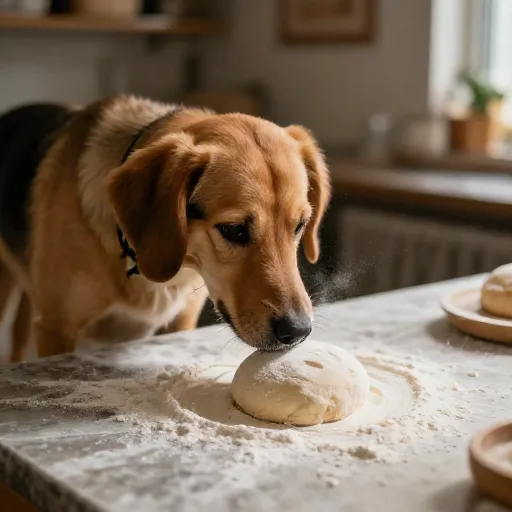
14. Bread Dough
Raw bread dough is dangerous for two reasons. The yeast ferments in the stomach, producing alcohol (which we already talked about), and the dough expands, filling the stomach and causing bloat. Bloat is a life-threatening emergency.
Never let your dog lick raw cookie dough or pizza dough. It’s not a fun moment, trust me.
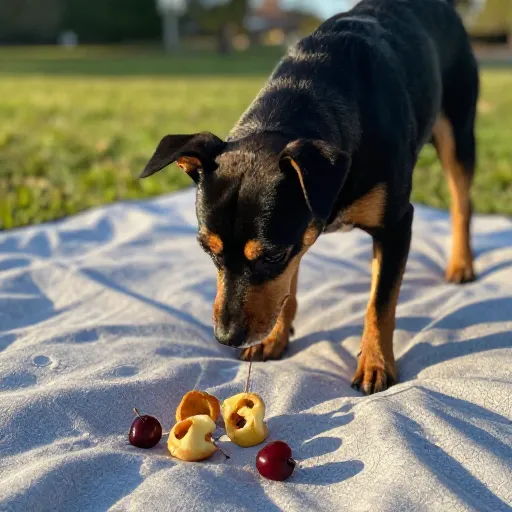
15. Fruit Seeds and Pits
Apple seeds, cherry pits, peach pits, and apricot pits all contain cyanide compounds. They can cause breathing trouble, seizures, and even death. The pits are also a choking hazard.
Remove seeds and pits before sharing any fruit. And don’t forget—grapes are on this list too, so always double-check.
That list can feel scary, but knowing is half the battle. The best habit is to keep human treats out of your dog’s reach and stick to dog-safe snacks. If you’re ever unsure about something, call your vet. Better a quick question than an emergency visit.
Your dog trusts you completely—let’s be the smartest, safest friend they can have. Share this guide with every dog parent you know, and keep those pups happy and healthy.
Frequently Asked Questions
What should I do if my dog ate something toxic?
Stay calm and call your vet immediately. Don’t induce vomiting unless your vet tells you to—some items cause more damage on the way back up. Keep the packaging or a sample to help the vet understand what your dog ate.
Are there any safe human foods I can share?
Yes! Plain cooked chicken, carrots, green beans, apples (without seeds), and plain pumpkin are all great options. Always introduce new foods slowly and in tiny amounts.
How quickly do symptoms show up?
It depends on the food. Xylitol can cause issues in under 30 minutes, while chocolate or grapes might take a few hours. Watch your dog closely for at least 24 hours after any suspicious snack.
Can dogs have peanut butter?
Yes, but only xylitol-free peanut butter. Many low-sugar peanut butters contain xylitol, which as we covered is extremely toxic. Check the label and choose natural, unsalted peanut butter.
Is a little bit of ham okay?
No, ham is high in salt and fat, which can trigger pancreatitis. It’s not worth the risk. Save the holiday ham for the humans and give your pup a plain veggie treat instead.