Your First Kitten: A Simple, Loving Guide to Getting It Right

Bringing home your first kitten is pure magic. Those tiny paws, that curious little nose, and the promise of years of purrs and play. But if you’re feeling a mix of excitement and “what did I just do?”, you’re not alone. I felt exactly the same way.
This guide isn’t about being a perfect cat expert from day one. It’s about the practical, loving steps I learned that make those first weeks smoother for you and your new furry friend. Think of it as your friendly cheat sheet for building a happy, healthy life together, from the ground up.
1. Kitten-Proof Your Home Like a Pro
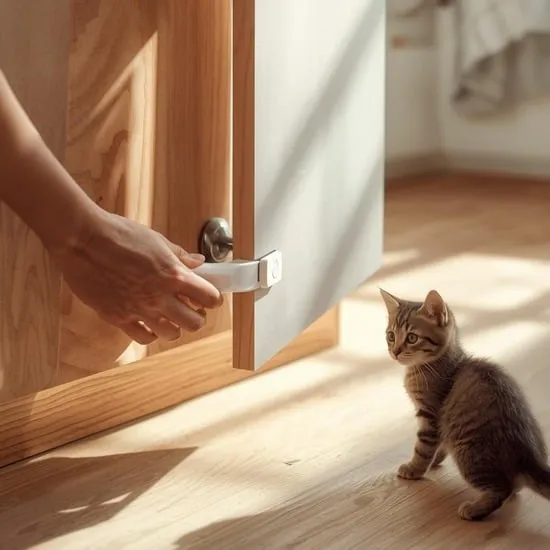
Before those little paws explore, see your space from a kitten’s eye view. Get on the floor! Look for dangling cords, small objects they could swallow, and toxic plants like lilies. Secure loose wires and tuck away blind cords.
Check under furniture and appliances for cozy, dangerous hideaways. A curious kitten can wiggle into surprisingly small spaces. Creating a safe zone is your first and most important act of love.
2. The Essentials Shopping List (Don’t Overthink It!)
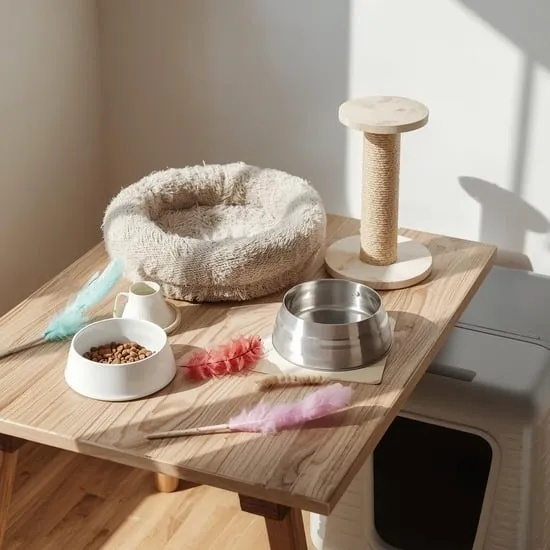
You don’t need everything at the pet store. Focus on the basics: a shallow food and water bowl (stainless steel or ceramic is best), a small litter box with low sides, and soft, unscented litter. Get a scratching post or pad—this is non-negotiable for saving your sofa.
Add a cozy bed, a few simple toys (think feather wands and ping-pong balls), and a secure carrier. That’s your starter kit. You can add more fun stuff later as you learn their personality.
3. Choosing the Right Food for Tiny Tummies
Kittens need food specifically formulated for “growth” or “kitten.” Their bodies require more protein, fat, and certain nutrients than adult cats. Whether you choose wet, dry, or a mix, consistency is key in the beginning.
Stick with what the breeder or shelter was feeding for the first week to avoid upset stomachs. If you switch, do it gradually over 7-10 days by mixing the old and new food. Always have fresh water available.

4. Mastering the Litter Box From Day One
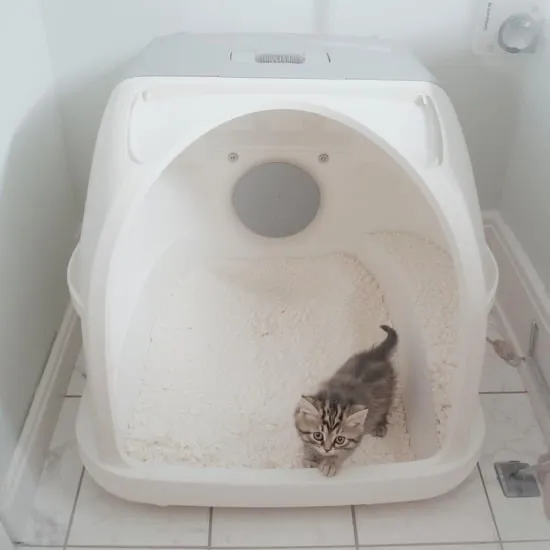
Place the litter box in a quiet, low-traffic area that’s easy for them to access. After meals, naps, and play sessions, gently place your kitten in the box. They usually catch on incredibly fast! Keep it impeccably clean by scooping at least once, preferably twice, a day.
If accidents happen, never scold. Just clean the area with an enzymatic cleaner to remove the scent completely. Patience and a clean box are the secrets to success.
5. Vet Visit: Your First Health Check-Up
Schedule a vet visit within the first week. This establishes a health baseline and a relationship with your vet. They’ll check for parasites, discuss vaccination schedules, and talk about spaying/neutering.
Come prepared with questions! Write down anything you’re curious about, from feeding amounts to behavior quirks. This visit is for your peace of mind as much as your kitten’s health.

6. Gentle Handling & Building Trust
Let your kitten approach you first. Offer a finger to sniff. When you hold them, support their back feet and bottom so they feel secure. Get them used to gentle touches on their paws, ears, and mouth—this makes future nail trims and vet exams much easier.
Short, positive sessions are best. If they squirm, let them go. Trust is built on their terms, and it’s the foundation of your entire bond.
[[IMG:IMG07]]
7. Playtime is Learning Time
Play isn’t just fun; it teaches hunting skills, burns energy, and strengthens your bond. Use interactive toys like wands to mimic prey. Always let them “catch” it sometimes to satisfy their instinct.
Avoid using your hands as toys to prevent biting habits. End play sessions with a small meal or treat to mimic the natural hunt-eat-groom-sleep cycle. A tired kitten is a happy (and well-behaved) kitten.

8. The Art of the Nap (They Need So Many!)
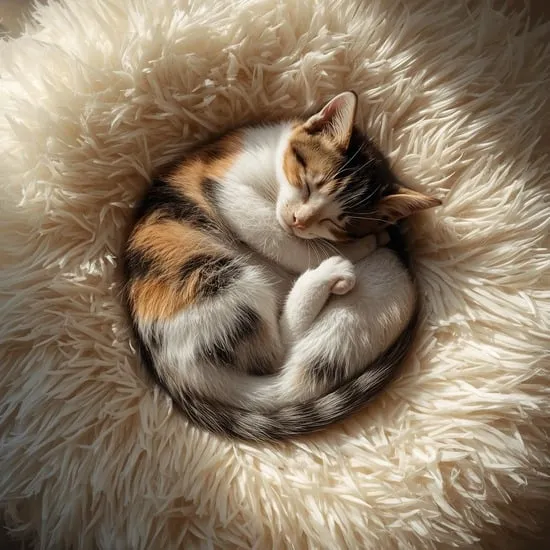
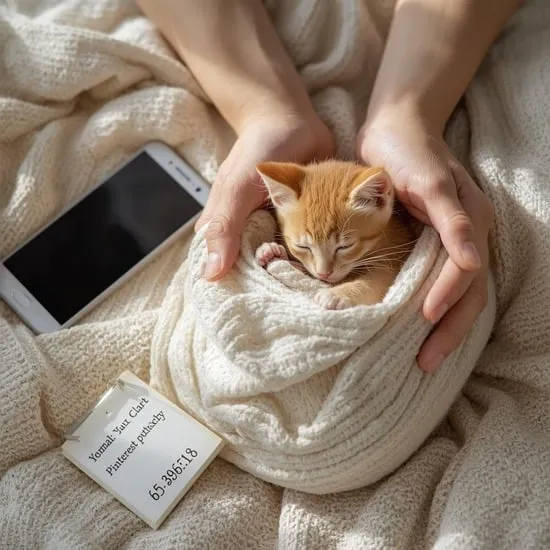
Kittens sleep up to 20 hours a day. That sudden burst of energy followed by a deep snooze is completely normal. Provide a couple of warm, soft beds in quiet corners and respect their sleep.
Never wake a sleeping kitten. This is when they grow and their little bodies recharge. Let them find their rhythm, and you’ll both be happier for it.
9. Introducing Other Pets Slowly
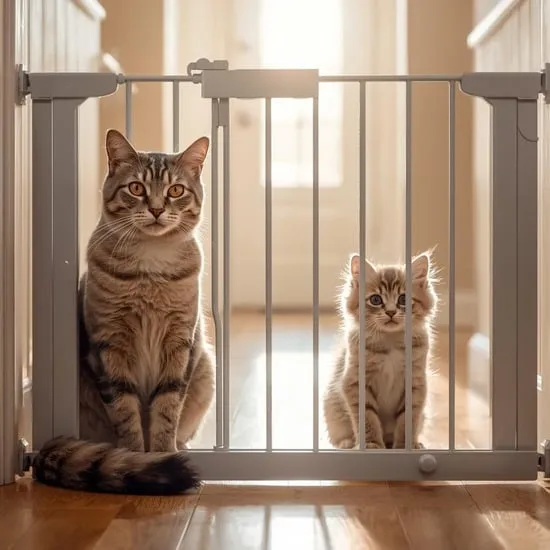
If you have other pets, patience is everything. Start by keeping them separated, letting them smell each other under the door. Swap bedding so they get used to each other’s scent.
First visual introductions should be brief and supervised, with treats for calm behavior. Never force an interaction. This process can take days or weeks—let them set the pace for a peaceful future.
10. Recognizing Normal vs. “Call the Vet”
Learn what’s normal for *your* kitten. A sudden change is often the first sign something’s off. Watch for these red flags: not eating or drinking for 24 hours, persistent diarrhea or vomiting, lethargy, difficulty breathing, or trouble using the litter box.
When in doubt, call your vet. It’s always better to ask a simple question than to worry alone. You are your kitten’s best advocate.
Your Journey Begins
Remember, you’re not just raising a kitten; you’re building a lifelong friendship. There will be hilarious moments, a few scratched hands, and nights of wondering if you’re doing it right. You are. Trust the process, shower them with love, and enjoy every silly, purring moment of this special time. Welcome to the wonderful world of being a cat parent.
First-Time Kitten Owner FAQ
Q: How often should I feed my kitten?
A: Young kittens (under 6 months) typically need 3-4 small meals a day. Follow the guidelines on your chosen food and adjust based on your vet’s advice and your kitten’s growth.
Q: My kitten bites my hands during play. What should I do?
A: Immediately stop moving your hand and say “ouch!” in a high-pitched voice. Redirect them to an appropriate toy. Consistency teaches them that hands are for petting, not biting.
Q: When should I get my kitten spayed or neutered?
A> Most vets recommend the procedure between 4-6 months of age. Discuss the exact timing with your veterinarian during your first visit.
Q: Do I need to bathe my kitten?
A> Generally, no. Cats are excellent self-groomers. Only bathe if they get into something sticky or toxic. Focus on regular brushing to help with shedding and hairballs.
Q: My kitten hides all the time. Is this normal?
A> Yes, especially in the first few days. Give them space and time to adjust at their own pace. Make sure they have food, water, and a litter box nearby, and let them come to you when they feel safe.