10 Dog Feeding Mistakes I Made (And How to Fix Them)
When I first brought my dog home, I thought feeding was the easy part. Just scoop and serve, right? I quickly learned it’s one of the most nuanced parts of pet parenting. From portion sizes to treat habits, small errors can add up to big problems for our furry friends’ health and happiness.
After years of trial, error, and conversations with my vet, I’ve identified the most common pitfalls. I made most of them myself! This isn’t about guilt—it’s about learning together to give our dogs the best, longest lives possible. Let’s dive into the ten feeding mistakes we should all avoid.
1. The “Eyeball” Portion Method
I used to just fill the bowl until it “looked right.” This is a fast track to an overweight pup. Dog food bags have feeding guidelines for a reason, but they’re just a starting point. Your dog’s ideal portion depends on their age, activity level, metabolism, and even the weather.
Get a proper measuring cup and use it every single time. Better yet, ask your vet for a precise calorie recommendation. Weigh your dog monthly to ensure you’re on track. A few extra kibbles each day can lead to significant weight gain over a year.
2. Free-Feeding All Day Long
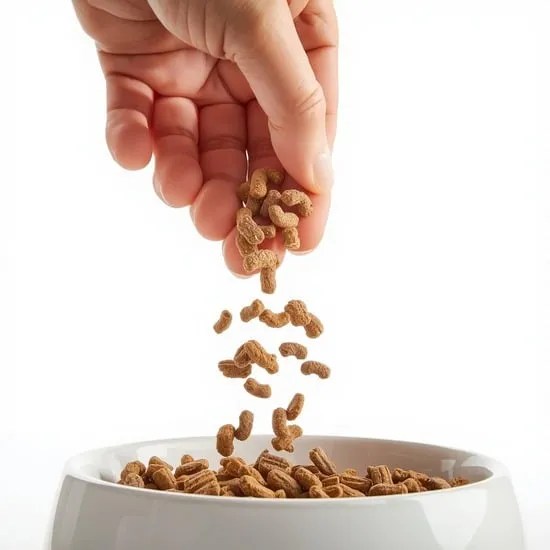
Leaving food out 24/7 seems convenient and kind, but it removes all structure. I found it made house-training harder and masked my dog’s appetite changes, which can be an early sign of illness. It also turns food into a boring, ever-present commodity instead of a valued resource.
Switching to scheduled meals (usually two per day for adults) changed everything. It created routine, improved digestion, and made me more attuned to his health. If he skips a meal, I notice immediately.
3. Overdoing the “Love” in Treat Form
Those pleading eyes get me every time. But treats are not love—walks, playtime, and cuddles are. I was shocked to learn treats should make up no more than 10% of my dog’s daily calories. A few extra biscuits or table scraps can throw their entire diet out of balance.
- Use their regular kibble as training rewards.
- Choose healthy, low-calorie options like blueberries or carrot sticks.
- Break treats into tiny pieces. A little taste is all they need!
4. The Sudden Food Switch
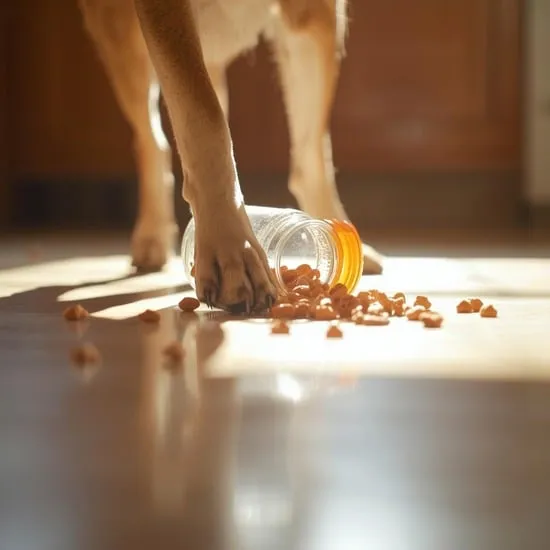
Found a better food? I used to just swap it in. Big mistake. A sudden change can cause major digestive upset: vomiting, diarrhea, and a very unhappy dog. Their gut microbiome needs time to adjust to new proteins and fibers.
Always transition over 7-10 days. Start with 25% new food mixed with 75% old. Gradually increase the new food ratio every few days. Your dog’s tummy will thank you for the gentle introduction.
5. Ignoring the Ingredient List
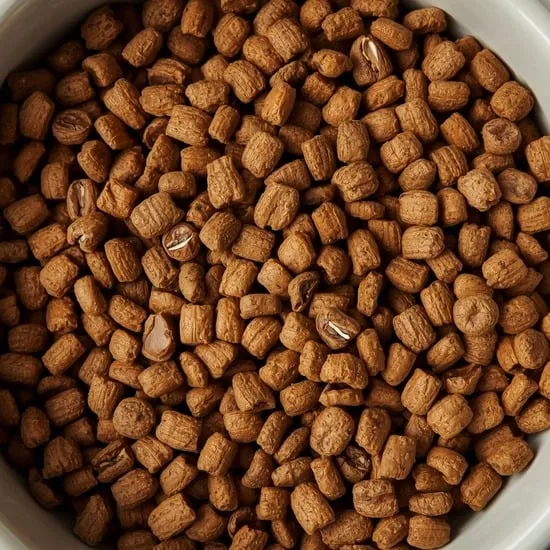
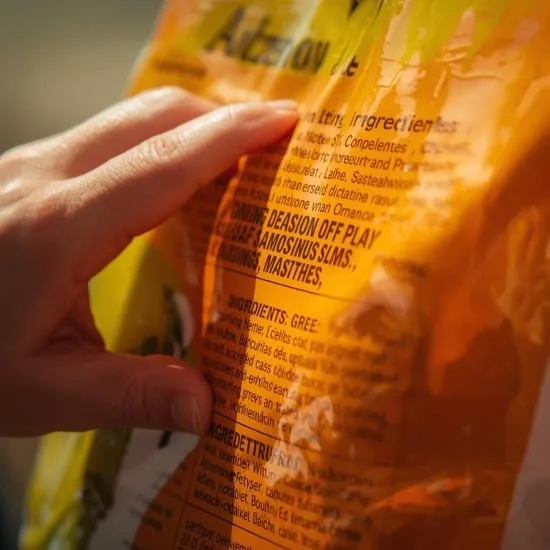
I used to buy based on brand name or price alone. Now, I turn the bag over. The first few ingredients are what the food is primarily made of. You want to see a named animal protein (like “chicken” or “salmon”) at the very top, not vague terms like “meat by-products” or grains.
Learn to decode the label. Avoid foods with excessive artificial colors, flavors, or preservatives. The best food for your dog is the one with quality ingredients that meets their specific life stage and needs.
6. Forgetting About Hydration
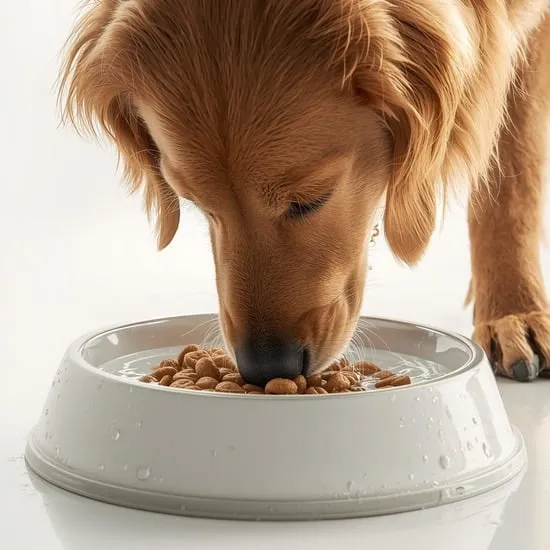
Food isn’t everything. Fresh, clean water is even more critical. I used to just top off the water bowl. Now, I wash it with soap and refill it with fresh water at least twice a day. Stagnant water grows bacteria and biofilm that can put your dog off drinking.
Consider a water fountain to encourage intake, especially for cats or less enthusiastic drinkers. Monitor their water consumption; a sudden increase or decrease can signal health issues.
7. Feeding Right Before or After Exercise
I’d come back from a big hike and immediately fill the bowl. This can be dangerous. Feeding a large meal right before vigorous activity risks bloating or stomach torsion, especially in deep-chested breeds. Feeding immediately after can also cause discomfort and digestion problems.
Aim for at least one hour between a full meal and heavy exercise. For big play sessions, a small snack beforehand is okay, but save the main meal for when they’ve fully cooled down and relaxed.
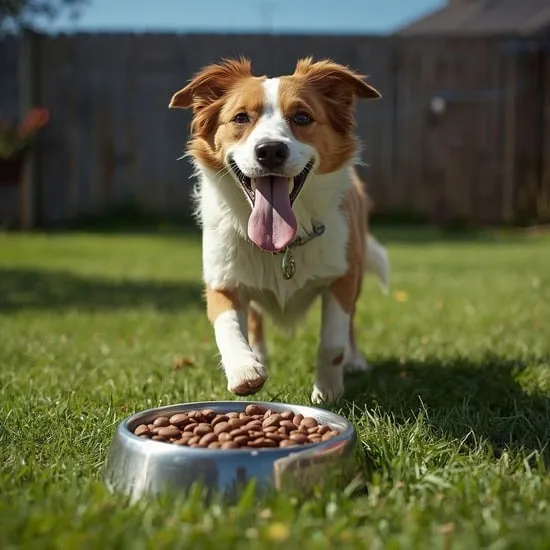
8. Using the Wrong Bowl
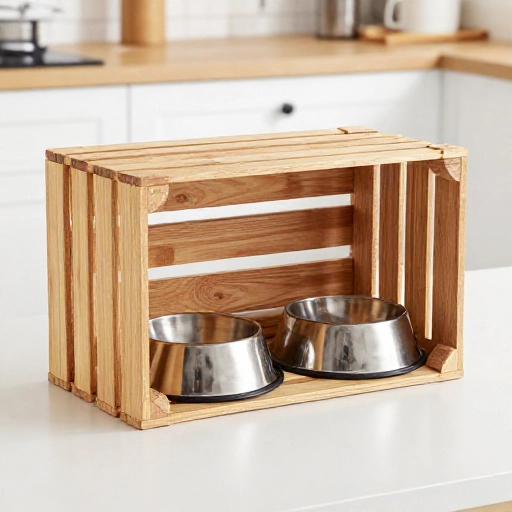
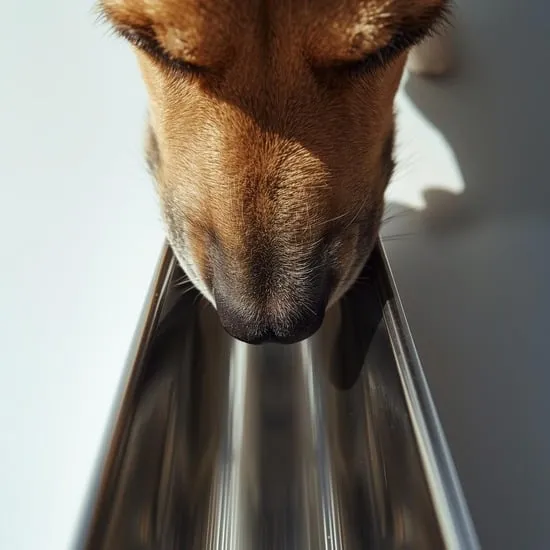
It’s not just a container! I used a deep, narrow metal bowl for my tall dog, and he hated it—his collar tags clanged, and he had to push his face way in. Shallow, wide bowls are better for most dogs, especially flat-faced breeds.
For fast eaters, a slow-feeder bowl with ridges or a puzzle feeder is a game-changer. It prevents gulping, reduces bloat risk, and provides mental stimulation. For older dogs, elevate the bowl to a comfortable height to ease neck and joint strain.
9. Missing the Life Stage Transition
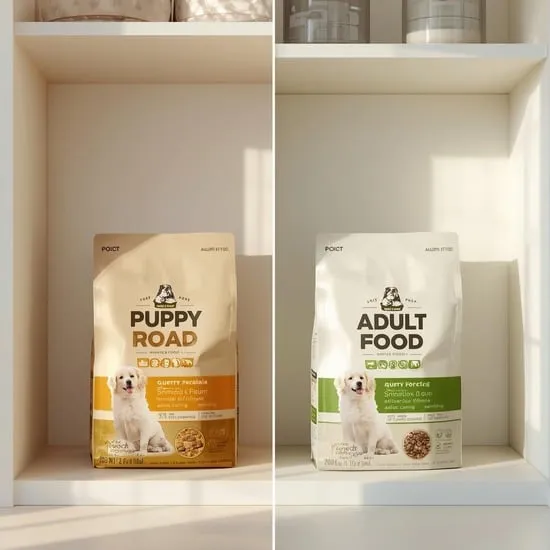
Puppy food, adult food, senior food—they’re formulated for different needs. I kept my “young-at-heart” senior on adult food for too long. Senior formulas often have joint support, fewer calories, and are easier to digest.
Talk to your vet about when to switch. Puppies usually transition to adult food around 12-18 months. The move to senior food typically happens around age 7, but it varies by breed and size.
10. The Dangerous Table Scrap Habit
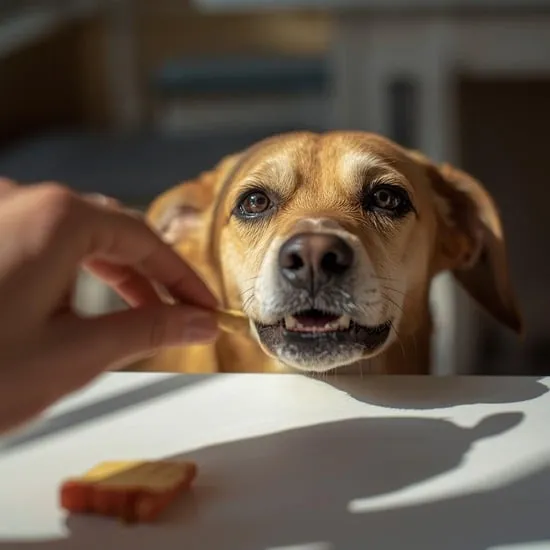
It starts innocently: a piece of carrot, a bit of plain chicken. But it can quickly escalate to begging and, worse, them eating something toxic. I learned the hard way that onions, garlic, grapes, chocolate, and xylitol (in sugar-free foods) are extremely dangerous for dogs.
Set a firm “no people food” rule for everyone in the household. It’s safer and prevents bad manners. If you must share, make it a planned, dog-safe treat given in their bowl, not from your plate.
Conclusion: Progress, Not Perfection
Don’t feel overwhelmed if you’ve made some of these mistakes—I made nearly all of them! Being a great pet parent is about learning and adapting. Start by picking one or two areas to improve, like measuring portions or upgrading your dog’s bowl. Small, consistent changes make the biggest difference in your dog’s long-term health and happiness. You’ve got this!
Your Dog Feeding Questions, Answered
- Q: How often should I feed my adult dog?
- A: Most vets recommend two meals a day. This helps maintain energy levels, prevents hunger nausea, and makes it easier to monitor appetite.
- Q: Is grain-free food better?
- A: Not necessarily. Unless your dog has a diagnosed grain allergy, grains can be a healthy source of nutrients. Always choose food based on overall quality, not just marketing trends.
- Q: My dog is a picky eater. What should I do?
- A: First, rule out health issues with a vet. Then, ensure you’re not enabling the behavior with too many treats or table scraps. Offer the meal for 15-20 minutes, then pick it up until the next scheduled feeding. Consistency is key.
- Q: Can I give my dog raw bones?
- A: I avoid cooked bones entirely—they splinter. Large, raw, meaty bones from a reputable butcher can be okay under supervision, but they still carry risks of broken teeth or intestinal blockage. Consult your vet first.
- Q: How do I know if my dog is the right weight?
- A: Use the “rib test.” You should be able to easily feel (but not sharply see) their ribs under a thin layer of fat. They should also have a visible waist when viewed from above.