Your Dog’s Health Checklist: 10 Simple Steps I Follow for a Happy Pup
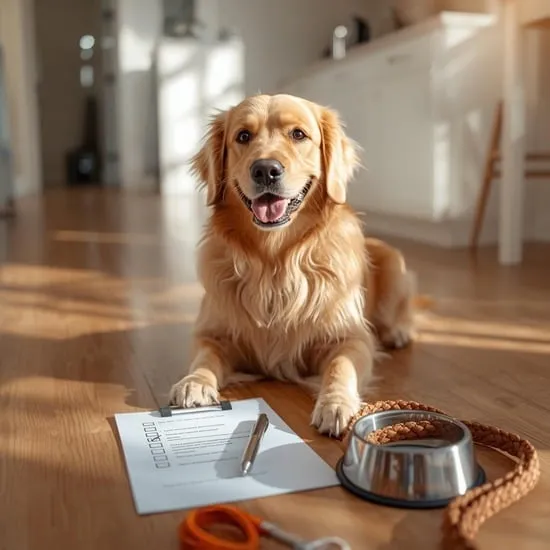
As a dog owner, my biggest wish is for my furry friend to live a long, tail-wagging life. I used to worry I was missing something important, until I started following a simple health checklist. It turned overwhelming worry into manageable, loving care.
This isn’t about being a perfect pet parent. It’s about building small, consistent habits that make a huge difference. Think of it as your go-to guide for proactive pup care, covering everything from nose to tail.
1. The Daily Snuggle & Scan
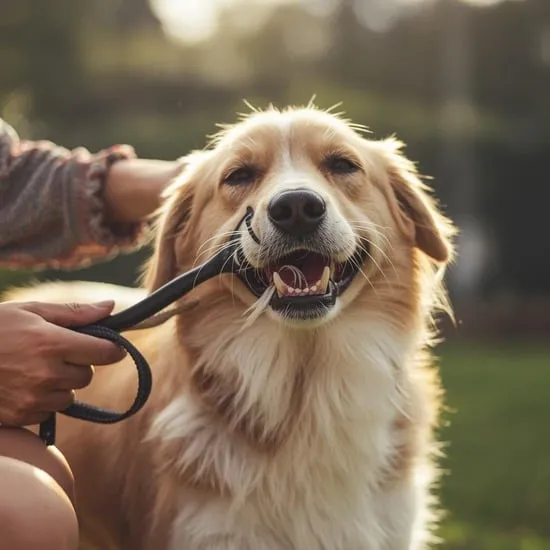
My first tip starts with cuddles! Every day during our snuggle time, I do a quick hands-on scan of my dog. It’s our special moment to connect and check in.
I gently feel for any new lumps, bumps, or sore spots. I run my hands over his legs, check his paws for cracks, and give his ears a soft rub. I look into his eyes for clarity and check his nose (it doesn’t have to be cold and wet, just free of unusual discharge). This two-minute ritual helps me catch little changes early.

2. Nutrition That Fuels Their Zoomies
What goes in the bowl directly fuels their health. I learned to read dog food labels like I read my own groceries, looking for real, recognizable ingredients.
I measure meals to maintain a healthy weight—those extra kibbles add up! I also keep human treats to a minimum. A consistent, high-quality diet means more energy for play and a shiny coat I love to pet.

3. Hydration Station is Non-Negotiable
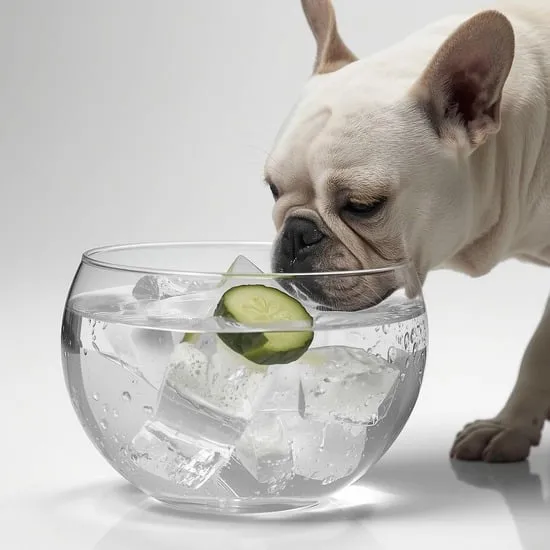
Fresh water is just as crucial as good food. I wash and refill my dog’s water bowl every single morning and evening. Stagnant water can grow bacteria.
In summer, I add an extra bowl in the backyard. I watch his drinking habits, too. Sudden increases or decreases can be a sign to call the vet. A well-hydrated pup is a happy, healthy pup.
4. Keep Those Pearly Whites Gleaming
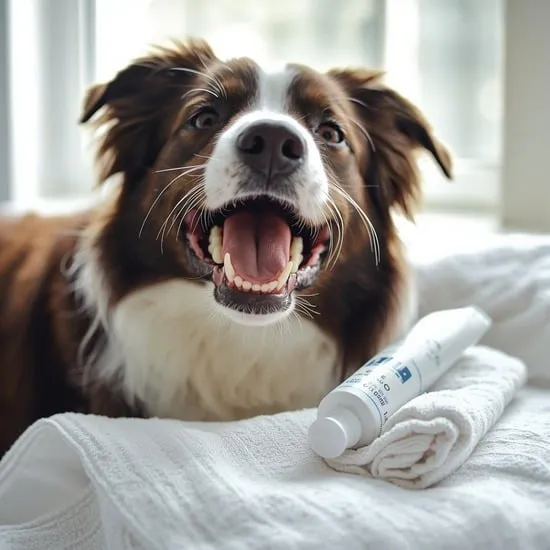
Dental health is a huge part of overall wellness. Bad teeth can lead to heart and kidney problems. I try to brush my dog’s teeth several times a week with a vet-approved toothpaste.
When brushing is a battle, I use dental chews and water additives as helpful backups. My vet does an oral exam at every check-up. Fresh breath is a nice bonus!
5. Exercise for Body & Mind
A tired dog is a good dog, but exercise is about more than just physical energy. Our daily walks and play sessions are essential for his mental stimulation, too.
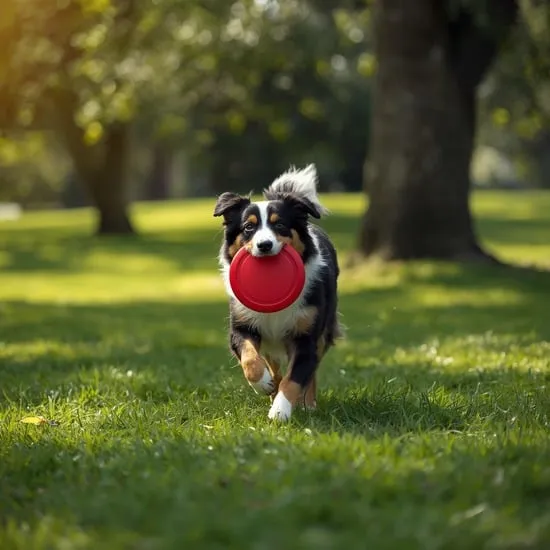
I mix it up: a long walk one day, a game of fetch or a puzzle toy the next. This prevents boredom (and the destructive behaviors that come with it) and keeps his joints moving and his mind sharp.
6. Parasite Defense, All Year Round
Fleas, ticks, and worms aren’t just a summer problem. I stay on a strict, vet-recommended schedule for preventatives. It’s so much easier than treating an infestation or a tick-borne illness.
I give monthly heartworm prevention without fail and use flea/tick medication appropriate for our local climate. A quick check after walks helps me find any hitchhikers early.

7. Don’t Skip the Annual Vet Check-Up
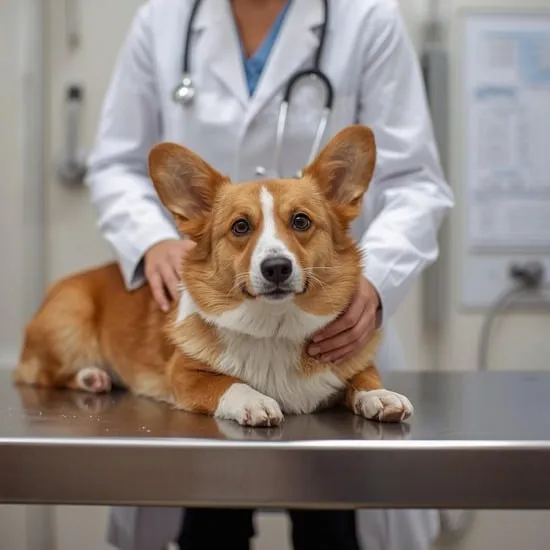
Even if my dog seems perfectly healthy, we visit the vet once a year. This is our preventative health cornerstone. The vet can spot subtle signs I might miss.
This visit includes crucial updates on vaccinations and a thorough physical exam. It’s my chance to ask all my questions and ensure we’re on the right track for his age and breed.
8. Grooming is More Than a Pretty Coat
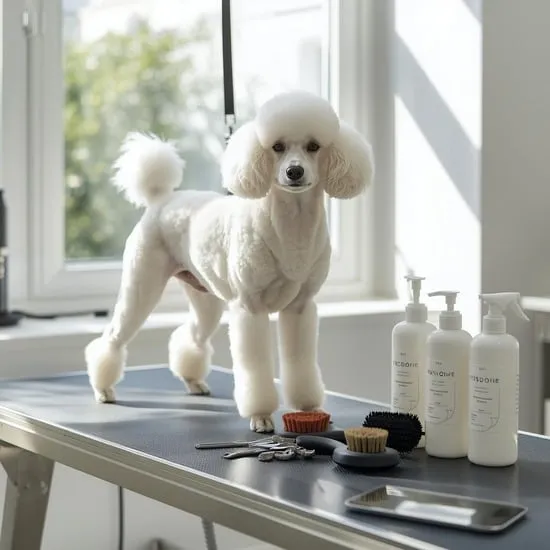
Regular brushing, bathing, and nail trims are basic healthcare. Brushing distributes natural oils and prevents painful mats, especially in long-haired breeds.
Keeping nails trimmed protects their posture and joint health. I check and clean his ears regularly to prevent infections. Grooming time is another great opportunity for my daily scan.
9. Know What’s “Normal” for YOUR Dog
The most important tool I have is knowing my own dog’s baseline. What’s his normal energy level? How much does he usually drink? What’s his regular appetite and potty routine?
By knowing what’s normal, I can instantly spot what’s not. A change in these everyday habits is often the first sign that something might be off, prompting an early vet visit.

10. Mental Wellness & Lots of Love
A healthy dog is a happy dog. I make sure my pup gets plenty of affection, safe socialization, and a predictable routine. Dogs thrive on structure and love.
I watch for signs of stress or anxiety, like excessive licking or hiding. Providing mental challenges with training or new tricks keeps his spirit young. Our bond is the best medicine of all.
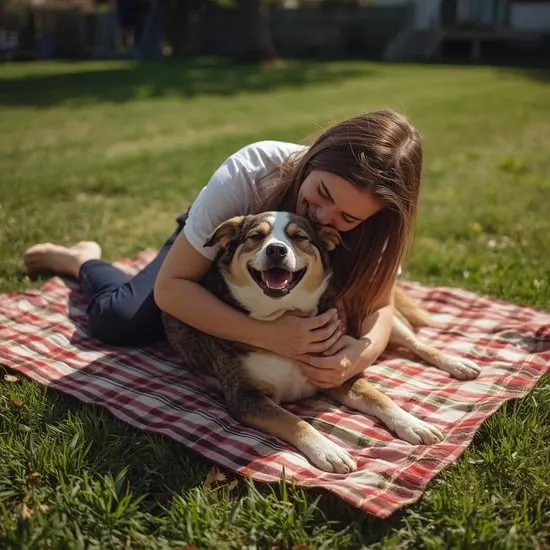
Paws for Thought: A Healthier Journey Together
Following this simple checklist has brought me so much peace of mind. It’s not a chore, but an act of love that weaves seamlessly into our life. By being proactive, I’m giving my best friend the best chance at a vibrant, joyful life by my side.
Your Dog Health Checklist FAQs
Q: How often should I really take my dog to the vet?
A: All adult dogs should have a yearly wellness exam. Senior dogs (usually 7+) or dogs with health issues often need check-ups every 6 months.
Q: My dog hates tooth brushing. Any tips?
A: Start slow! Let them lick the tasty pet toothpaste off your finger. Gradually introduce touching their teeth with your finger, then a soft brush. Even 30 seconds a few times a week helps.
Q: What’s the #1 sign I should call the vet immediately?
A: Any sudden, drastic change in behavior, appetite, or energy level. Also, difficulty breathing, collapse, or signs of severe pain (like crying out) require an emergency visit.
Q: Are yearly vaccines always necessary?
A> Core vaccines (like rabies) are often legally required and crucial. Your vet can discuss a tailored vaccine schedule based on your dog’s lifestyle and local disease risks.
Q: How can I tell if my dog is a healthy weight?
A: You should be able to easily feel (but not see) their ribs. They should have a visible waist when viewed from above. Your vet can give you a specific target weight.