Transform Your Under-Stairs Nook Into a Cozy Dog Bedroom
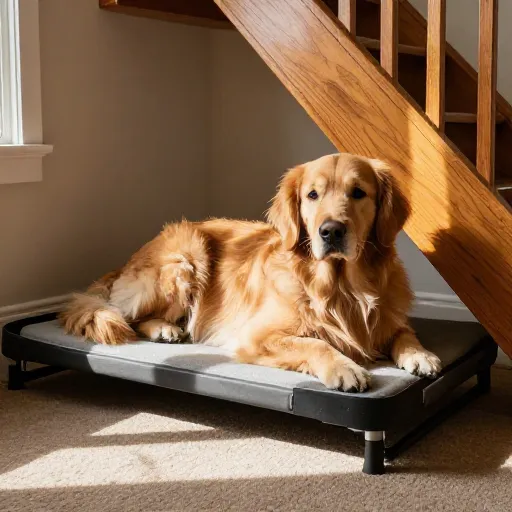
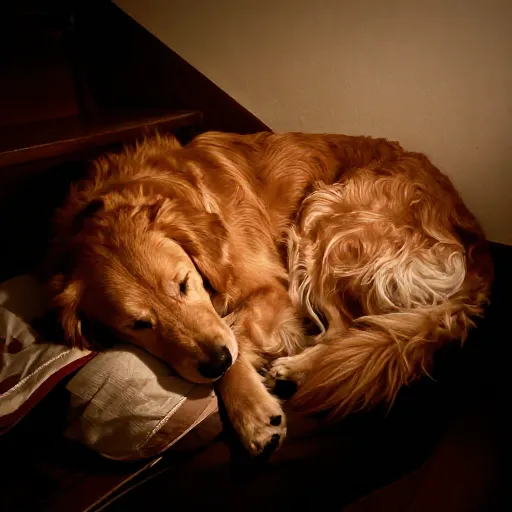
I remember looking at that dark, awkward triangle under my stairs and thinking, “There has to be a better use for this space.” It was just collecting dust and old shoes. Then one rainy afternoon, my dog curled up right in the corner—and it clicked. He wanted his own little den.
Turning that forgotten area into a dedicated dog bedroom is easier than you think. It doesn’t require a huge budget or a contractor. You just need a bit of creativity and a clear picture of what your pup loves. Let me walk you through ten ways to make that nook the coziest spot in your home.
1. Start With a Custom-Fit Dog Bed
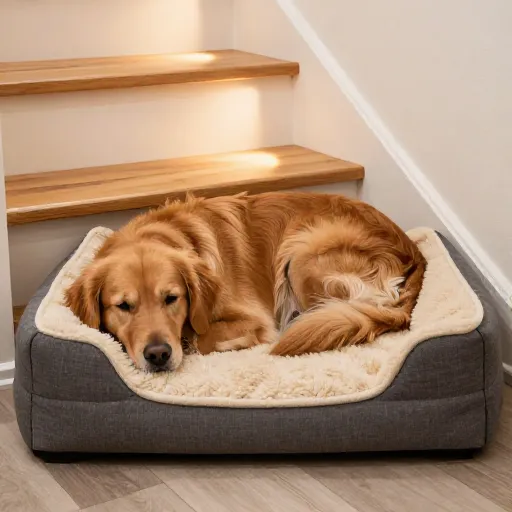
The most important piece is the bed. Under-stairs spaces are rarely a perfect rectangle, so don’t force a store-bought bed in there. I measured mine at the widest and narrowest points, then ordered a simple foam mattress that I could cut to shape.
Cover it with a washable, durable fabric. Think canvas or outdoor-grade upholstery. Your dog will dig, scratch, and fluff, so make sure the cover can handle it. A tight fit also stops drafts—perfect for small breeds who love to nest.
If you sew, you can repurpose an old duvet or couch cushion for a truly custom feel. Just remember: the bed should be thick enough to support older joints.
2. Add Soft, Removable Wall Panels
Walls under the stairs are often cold and hard. I glued heavy-duty Velcro strips to the wall and attached quilted fabric panels. Now my dog can lean against something soft without slipping.
Choose fabrics that match your living room or go for a playful pattern like paw prints. The Velcro makes it simple to take them down for washing. Bonus: it also muffles sound from the stairs.
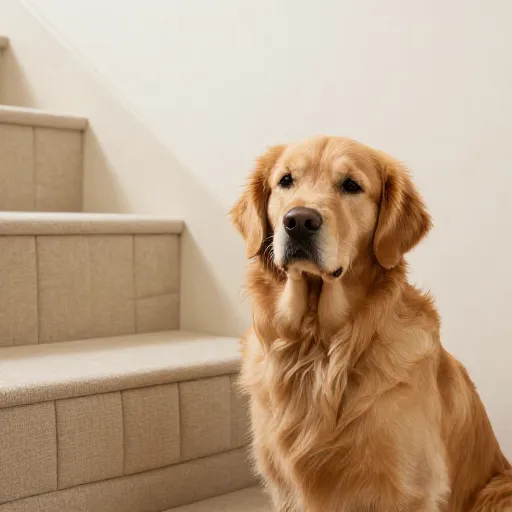
3. Install a Low-Voltage Nightlight
Dogs can be nervous in dark, tight spaces. I plugged a small, motion-activated nightlight into an outlet near the opening. It gives a gentle glow without being too bright.
Battery-operated puck lights work well if there’s no outlet. Stick one to the ceiling of the nook. Your dog will feel safer, and you won’t trip over him when you tiptoe downstairs for a midnight snack.
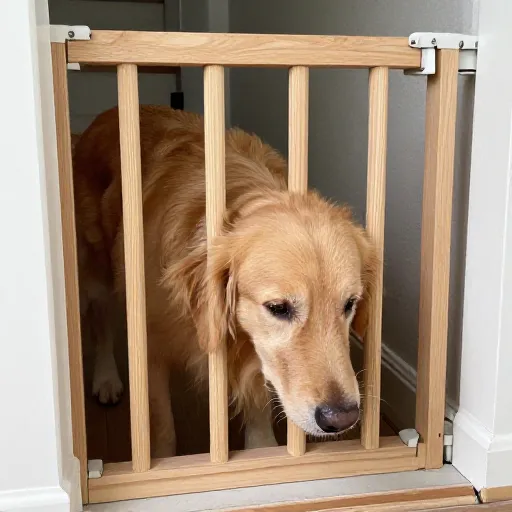
4. Create a Simple Door or Gate
A curtain or a low gate gives your dog privacy and keeps the area feeling like a real room. I used a tension rod and a heavy linen curtain. It’s easy to push aside but still blocks light and drafts.
For dogs that like to see out, try a baby gate with a small opening. This works especially well if you have cats or small children who need to stay out. Your pup will love having a space that’s truly his own.
5. Build a Raised Platform for Older Dogs
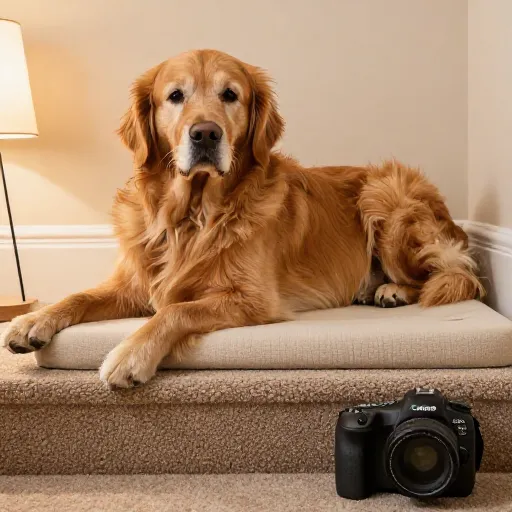
If your dog has arthritis or trouble jumping, a raised bed platform at entrance height makes a world of difference. I built a simple plywood frame about six inches off the floor, then topped it with memory foam.
Add a ramp covered with carpet or non-slip matting. It gives senior dogs easy access without strain. The platform also creates storage underneath for bowls or toys.
6. Use the Remaining Space for Toy Storage
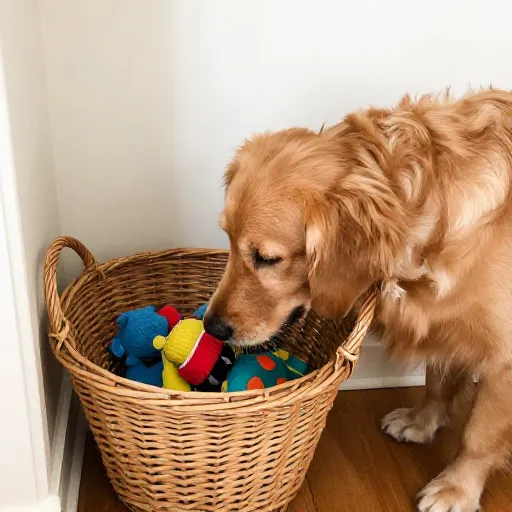
Under the stairs, you often have odd leftover nooks. I tucked a small basket or two into the deepest corner. Fill them with squeaky toys, rope bones, and chew sticks.
Keep a second basket for clean blankets. This way your pup can drag out whatever he wants and you know exactly where to put it back. It also makes the space feel intentional, not just a dog crate.
7. Paint an Accent Wall Inside
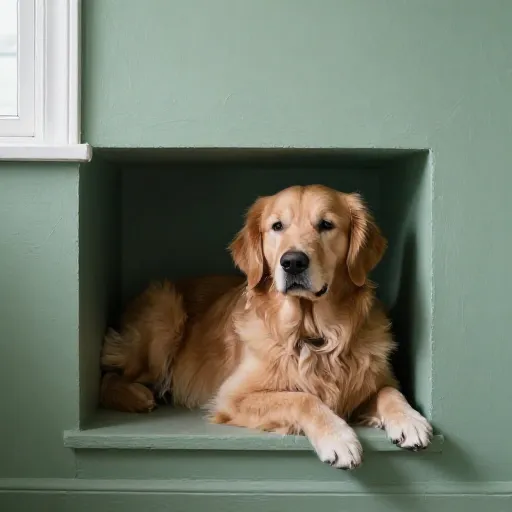
Don’t forget the power of color. I painted the back wall a calming sage green—it instantly made the nook feel like a real room. Choose a low-VOC paint that won’t bother your dog’s nose.
If you’re renting, use peel-and-stick wallpaper instead. A forest or geometric pattern adds personality. Just keep it washable because muddy paws happen.
8. Add a Small Water or Food Station
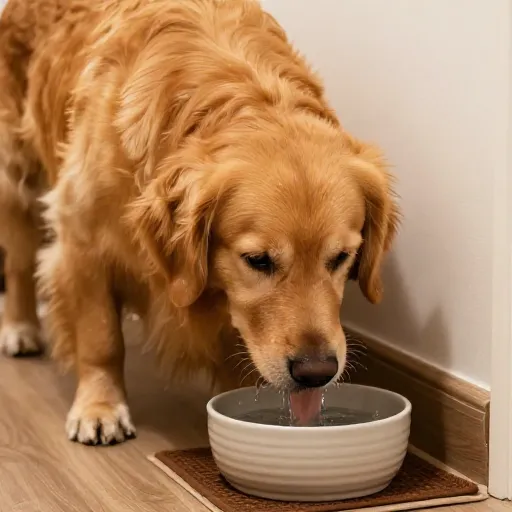
If the space is deep enough, create a dedicated feeding area. I installed a pull-out tray under the platform so bowls slide in and out. It’s tidy and keeps meals off the floor.
For shallow spaces, hang a wall-mounted bowl. Silicone mats underneath catch spills. Make sure the water bowl is easy to reach and clean. Your dog will appreciate having everything in one cozy spot.
9. Layer in Cozy Blankets and a Calming Diffuser
The secret to a dog bedroom that gets used? Texture. I threw in a fleece blanket, a knit throw, and a small plush cushion. My dog loves to burrow, so I also added a soft cave-style hidey bed.
A plug-in pheromone diffuser (like Adaptil) can help anxious pups settle in. It’s subtle but effective. Place it near the nook but not directly inside, so the scent circulates gently.

10. Keep Airflow Fresh With a Small Vent
Under-stairs spaces can get stuffy. I cut a small, decorative grille into the side of the nook that connects to the hallway. It lets air circulate without making a mess.
If that’s not possible, a tiny USB fan clipped to the wall does the trick. Run it on low during warmer months. Fresh air keeps your dog from overheating and keeps the space smelling clean.

Conclusion
You don’t need a fancy renovation to give your dog the bedroom they deserve. A few thoughtful touches—soft bedding, gentle lighting, and a personal touch—can turn that weird corner into a happy retreat. Start with one idea, see how your pup responds, and go from there. My dog now trots straight to his nook after every walk, and honestly, I’m a little jealous. Give it a try, and your furry friend will thank you.
Frequently Asked Questions
How big should the under-stairs dog bedroom be?
It depends on your dog’s size. Measure your dog lying down and standing up. The space should let them stand, turn around, and stretch out comfortably. For small dogs, a 2-foot-wide by 3-foot-deep area works great. For larger breeds, you’ll need at least 4×4 feet.
Do I need to add a door or gate?
Not always. Many dogs prefer an open entrance so they can see the room. But a gate or curtain helps if you have multiple pets or want to keep the space quiet during storms. Try a soft curtain first—it’s easy to change.
What’s the best material for the dog bed inside?
I recommend a dense, orthopedic foam covered in a washable, chew-resistant fabric. Avoid cheap stuffing that flattens fast. Look for a cover with a zipper so you can toss it in the wash. Memory foam toppers cut to size are a budget-friendly option.
How do I clean the under-stairs dog bedroom?
Use a vacuum with a hose attachment weekly to pick up fur and dust. Wash the bed cover and blankets every two weeks. For hard floors, a quick wipe with a damp mop works. Keep a lint roller nearby for quick touch-ups.
Can I do this in a rental without damaging the walls?
Absolutely. Use adhesive hooks, tension rods, and peel-and-stick wallpaper. Raise the bed on a simple wooden frame that doesn’t attach to the wall. A curtain instead of a permanent door. Everything can be removed without leaving marks.