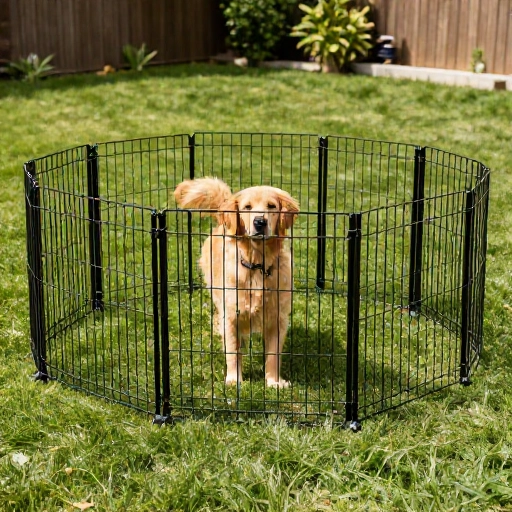
10 DIY Treat Puzzle Toys for Smart Dogs – Keep Their Mind Busy
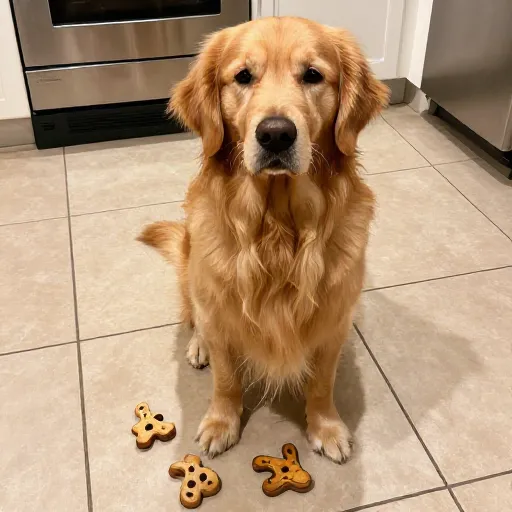
I’ve got a clever pup at home, and I bet you do too. Smart dogs get bored fast, and a bored dog is a recipe for chewed shoes and scratched doors. That’s why I love making my own puzzle toys – they’re cheap, easy, and keep that busy brain working.
DIY treat puzzles don’t need fancy store-bought stuff. You probably have everything in your kitchen and junk drawer right now. Plus, making them together is a fun project for a rainy afternoon. Your dog will thank you with tail wags and happy sniffing.
Ready to challenge your dog’s problem-solving skills? Here are ten simple ideas that use everyday items. No special tools, no stress – just snacks and creativity.
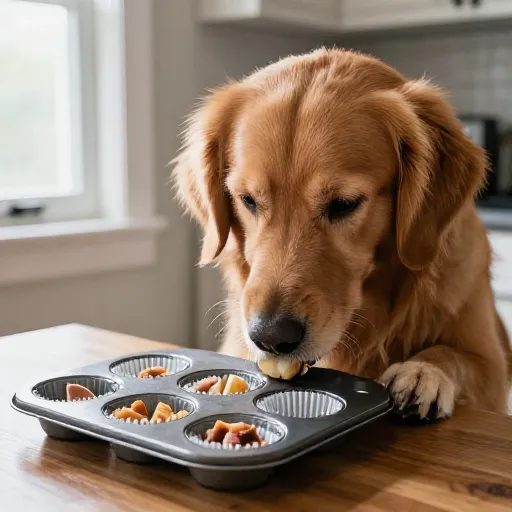
1. Muffin Tin Game
Grab a standard 12-cup muffin tin. Place a treat in a few of the cups, then cover each cup with a tennis ball. Your dog has to nudge the balls off to find the goodies.
Start with just one or two balls if your dog is new to puzzles. You can increase the difficulty by putting treats under all balls later.
Tip: Use a silicone muffin tray if your dog is a heavy pusher. It won’t slide around as much.
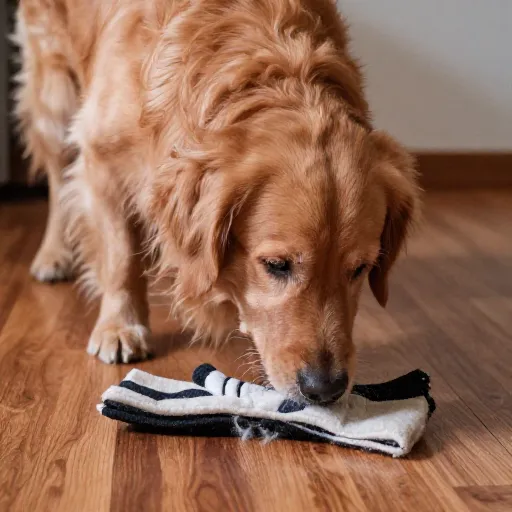
2. Towel Roll-Up
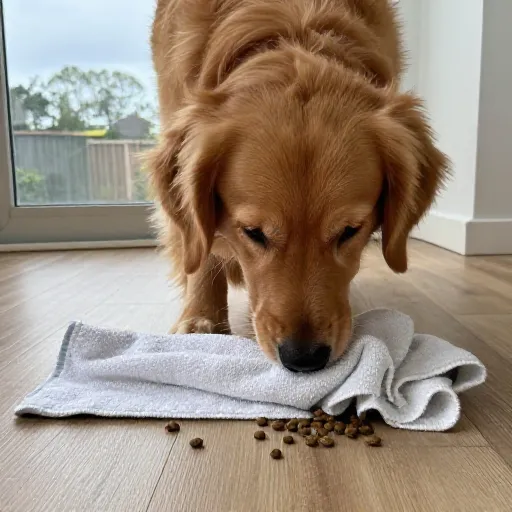
Lay a kitchen towel flat on the floor. Sprinkle a few small treats along one edge, then roll the towel up tightly. Tie a loose knot in the middle if your dog needs extra challenge.
Your dog will use their nose and paws to unroll the towel and find each treat. It’s like a snuffle mat but instant.
Supervise the first time – some dogs try to shred the towel. If that happens, switch to a thicker fabric or use a blanket.
3. Cardboard Box Puzzle
Take an empty cardboard box (like a shoebox). Cut a few holes in the lid, just big enough for your dog’s paw or nose. Place treats inside, close the lid, and let your dog figure out how to get them.
For a tougher version, nestle a smaller box inside a bigger box, both with holes. It becomes a multi-stage puzzle.
This is perfect for dogs that love to shred – they get to destroy the box after solving it. Just remove any tape or staples first.
4. Egg Carton Surprise
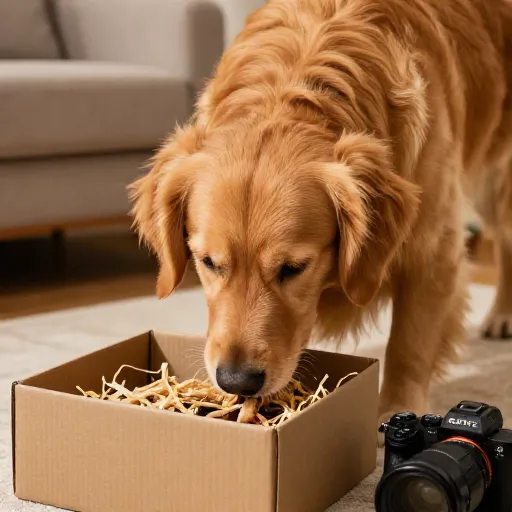
Use an empty cardboard egg carton. Put a treat in each egg cup, then close the lid. Your dog will use their nose to flip the lid open or poke through the cardboard.
You can make it harder by placing a few small toys or crumpled paper inside the cups before adding treats. The dog has to dig through the obstacles.
Egg cartons are biodegradable, so you don’t have to worry if your dog chews them up a little. Just toss after use.
5. Plastic Bottle Treat Dispenser
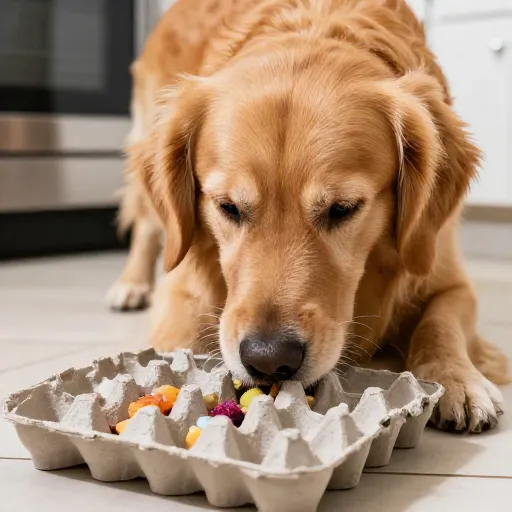
Find an empty plastic water bottle. Wash and dry it thoroughly. Use a sharp knife to cut a few small slits in the sides – just big enough for kibble to fall out. Put treats inside, screw the cap on tight, and let your dog roll it around.
Start with larger slits to make it easy, then make them smaller for more difficulty. The bottle should be thick plastic so it doesn’t crush easily.
Always supervise – some dogs love chewing plastic. Remove the bottle if it starts to break apart.
6. Ice Cube Treat Hunt
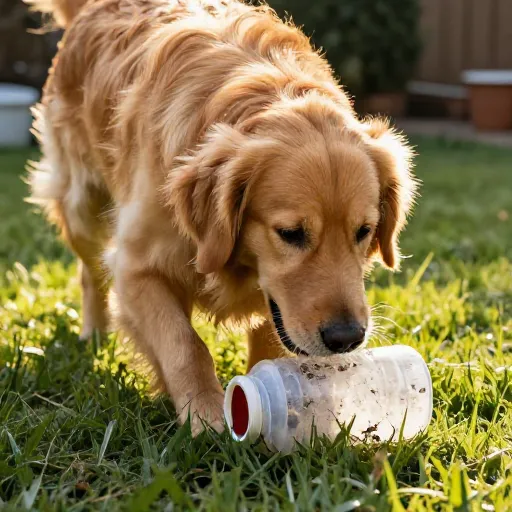
Fill an ice cube tray with water, drop a few treats or a spoonful of peanut butter into each compartment, then freeze. Pop the cubes out and give them to your dog on a towel or in a bowl.
Your dog will lick and push the ice cubes to release the treats. Great for hot days – it’s both a puzzle and a cool-down activity.
Use low-sodium broth instead of water for an extra flavour boost. You can also freeze treats inside larger containers like yogurt tubs for a giant ice block challenge.
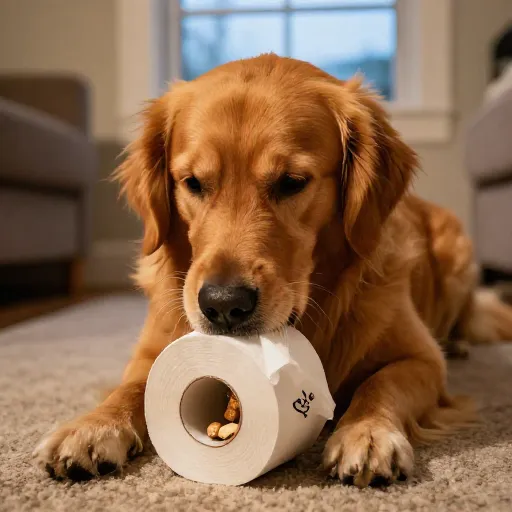
7. Toilet Roll Challenge
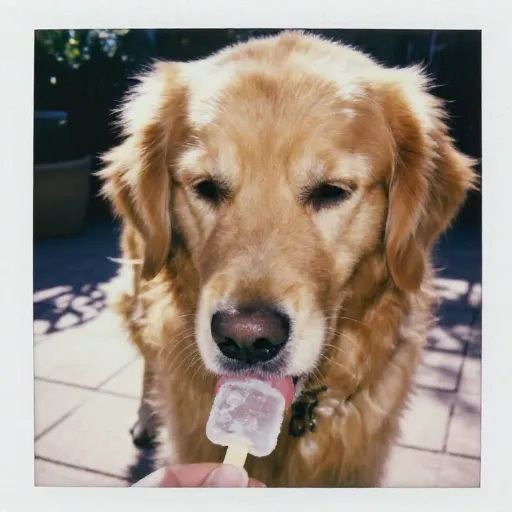
Take an empty toilet paper roll. Pinch one end closed, fill with a few treats or kibble, then pinch the other end closed. You can also fold the ends like a present. Give it to your dog and watch them figure out how to open it.
For a harder version, slide the filled roll inside another roll. Your dog has to unwrap multiple layers.
This is a great low-cost boredom buster. Use paper towel rolls cut in half for bigger dogs – they last a little longer.
8. Snuffle Mat DIY
You don’t need to buy a snuffle mat. Take a rubber sink mat or a piece of fleece fabric. If using fleece, cut it into strips and tie them to the holes of a rubber mat (like a cooling rack). Scatter treats among the strips.
Your dog will use their nose to sniff and dig through the fabric to find every treat. It’s calming and mimics foraging in grass.
This mat can be washed easily if you use a rubber mat base. Just shake out the crumbs and rinse.
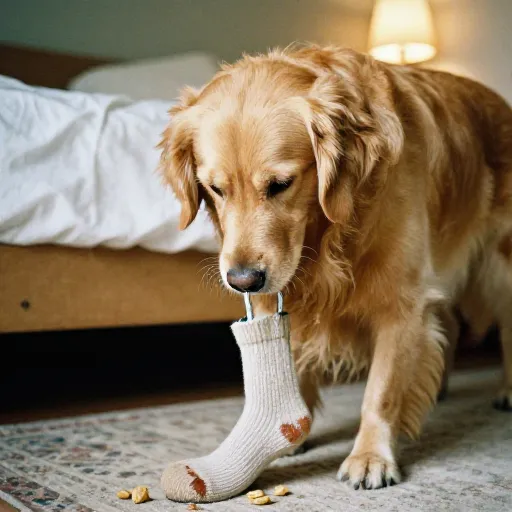
9. Sock Knot Puzzle
Take a clean, old sock (no holes!). Place a few treats inside, then tie a loose knot in the sock. Your dog will use their paws and mouth to untie the knot and spill the treats.
For an extra challenge, use a long sock and tie multiple knots along the length, with treats in between each knot.
Use a thick cotton sock – thin ones might rip too fast. This is a great puzzle for dogs that love to use their mouths gently.
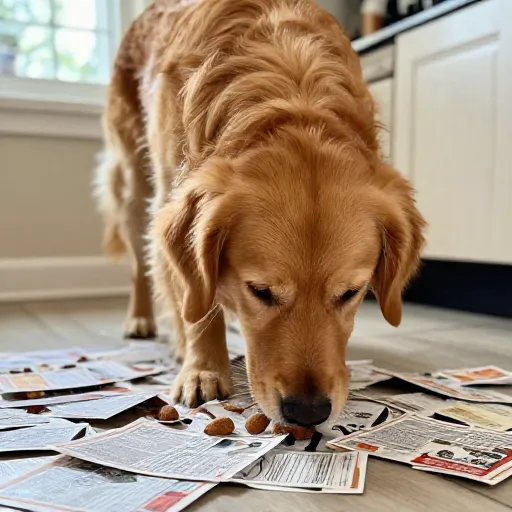
10. Junk Mail Hide and Seek
Collect a few pieces of clean junk mail or scrap paper. Crumple each piece slightly, then hide a treat inside each crumpled ball. Place all the balls in a shallow box or on the floor. Your dog has to unroll each ball to find the treat.
You can increase difficulty by mixing in empty crumpled balls. Your dog has to decide which balls have treats and which don’t.
Supervise to make sure your dog doesn’t eat the paper. Most dogs just unroll and leave the paper behind once they get the treat.
Conclusion
Making DIY treat puzzles for your smart dog is a win-win. You save money, use things you already have, and give your dog a fun mental workout. Every dog is different, so try a few of these ideas and see which ones your pup enjoys most.
Rotate the puzzles to keep things fresh. Some days a simple muffin tin is enough, other days your dog might need the challenge of a multi-layer cardboard box. The key is to have fun together and celebrate every little success.
Happy puzzling – and don’t forget to snap a video of your dog solving their first puzzle. Those moments are pure gold.
FAQ – DIY Treat Puzzle Toys for Smart Dogs
1. Are DIY puzzle toys safe for all dogs?
Most are safe under supervision. Always watch your dog the first time they try a new puzzle. Remove any small pieces that could be swallowed. If your dog tends to chew and swallow non-food items, stick to sturdy puzzles like the muffin tin or plastic bottle.
2. What treats should I use?
Use small, soft treats that won’t get stuck. Kibble works well, or tiny training treats. Avoid sticky or crumbly treats that make a mess inside the puzzle. You can also use bits of cheese or cooked chicken – just keep portions small.
3. How often should I give my dog a puzzle toy?
Once a day is plenty for most dogs. Puzzle toys are mentally tiring, so too many can overstimulate. Start with 10-15 minutes and adjust based on your dog’s energy. Some dogs need a break after a few minutes.
4. My dog gets frustrated easily. What can I do?
Start with very easy puzzles. Show your dog how it works by lifting the first cover or unrolling the first layer. Praise them for small steps. If they give up, simplify the puzzle – fewer obstacles, larger openings. Patience pays off.
5. Can I leave my dog alone with a DIY puzzle?
Only if you’re sure the puzzle is safe. Cardboard and plastic can be destroyed. It’s better to stay nearby. For independent play, use a frozen treat inside a Kong-style toy – that lasts longer and is safer to leave for short periods.