14 Genius Insulated Dog House Ideas That Will Keep Your Pup Cozy All Winter
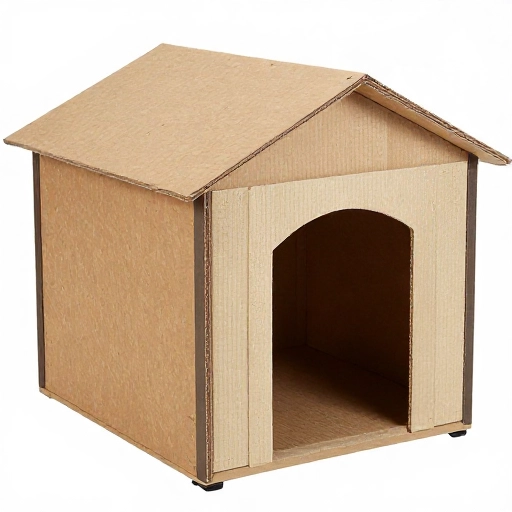
Is your furry friend shivering when they step outside? You love giving them the freedom to enjoy the yard, but watching them turn into a popsicle is heartbreaking. A standard dog house just doesn’t cut it when the temperature drops—it turns into an icebox.
The good news? You don’t need to drop a fortune on a fancy high-tech kennel. I’ve spent hours digging through DIY plans and clever hacks to find the absolute best ways to keep your dog warm and dry. These insulated dog house ideas are practical, budget-friendly, and totally doable for a weekend project.
From simple foam board tricks to heated pads and clever flooring hacks, here are the best ways to turn a basic shelter into a toasty winter retreat. Let’s dive in and get your pup the cozy den they deserve!
1. The Foam Board Sandwich
This is the most classic and effective method for insulating an existing wooden house. You don’t need to rebuild anything; you just need to line the inside. Rigid foam insulation boards (like R-Tech or Owens Corning) are your best friend here.
Measure the interior walls, ceiling, and floor. Cut the foam to size and use construction adhesive to stick it to the wood. It’s that simple. This creates a thermal barrier that traps your dog’s body heat inside.
Make sure to cover the foam with a piece of plywood or heavy-duty plastic sheeting. Trust me, dogs love to scratch at foam, and you don’t want them eating pink flakes all day. This hack can raise the inside temp by 10-15 degrees!
2. The Heated Floor Pad Hack
Even with great wall insulation, the floor is where heat escapes the fastest. The ground is cold, and it saps warmth right out of your pup. Instead of a bulky electric blanket, look for a self-warming pet pad or a flat electric heating mat designed specifically for dog houses.
Place the pad on the floor and cover it with a thick, washable blanket. This gives a soft spot that radiates heat. It’s a lifesaver for short-haired breeds or senior dogs with arthritis.
Make sure the cord is protected with a chew-proof casing if you have a chewer. Also, pick a pad with an automatic shut-off timer to ensure safety while you are inside the house.
3. The Double Wall Insulation
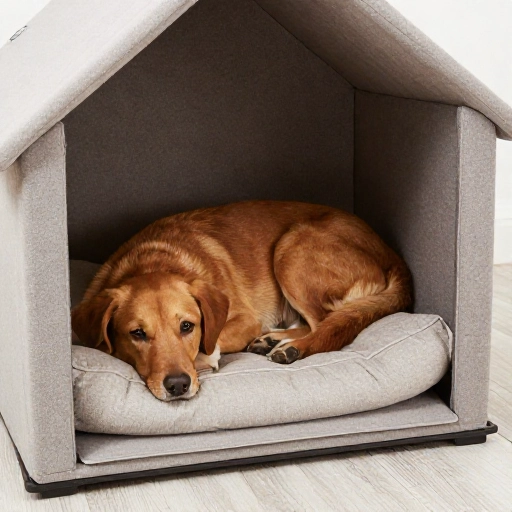
If you are building a dog house from scratch, this is the way to go. It’s the “cooler” concept—like a giant Yeti cooler for your dog. You build the outer frame, then leave a gap, and build an inner box.
Fill that gap with spray foam insulation or fiberglass batts. Leave a small air gap for the foam to expand. This creates a dead air space that drastically reduces heat transfer.
This method is more labor-intensive, but the results are amazing. Your dog will have a stable, comfortable temperature no matter what the weather does outside. It’s the ultimate fortress against wind chill.
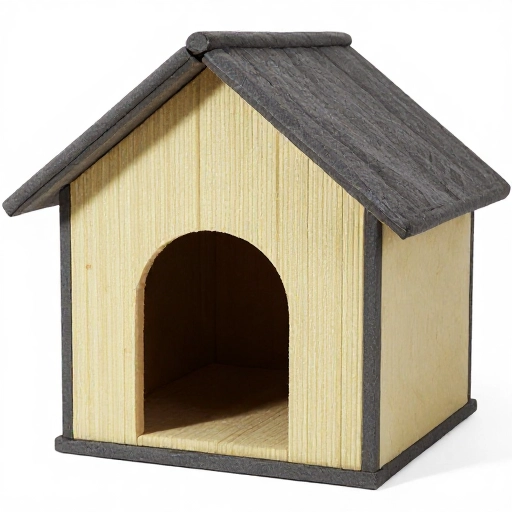
4. The Magnetic Door Flap
Open doorways let in snow, rain, and freezing gusts. A simple fabric flap helps, but it can freeze stiff. A heavy-duty vinyl flap with magnetic closures is the genius upgrade. The magnets help the door snap shut immediately after your dog enters, sealing in the warm air.
Install the flap on the inside of the door frame so that the wind presses it against the wood, creating a tighter seal.
This is one of the cheapest and most impactful fixes. It keeps the interior dry and blocks drafts instantly. You can buy these flaps at any pet store, but make sure you buy the size rated for extreme cold.
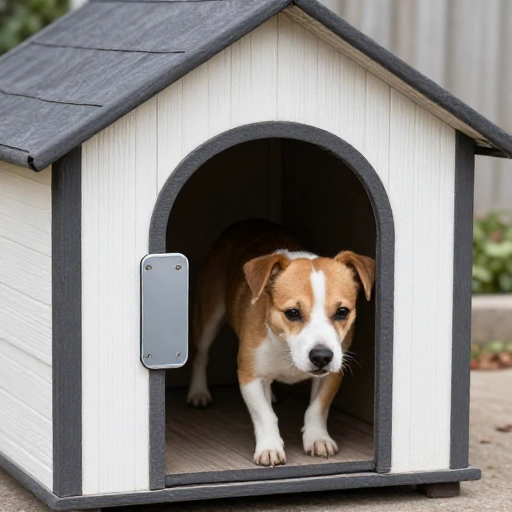
5. The “Mudroom” Vestibule
This is an architectural hack that works wonders. Instead of having the entrance directly facing the main living area, you add a small “L” shaped entryway. It’s like a mudroom for your dog.
You can build this by attaching a smaller box to the front of the main house, with the entrance on the side. This blocks the wind from blasting directly into the bed area.
It also gives your dog a place to sit and shake off snow before stepping into their warm bed. It adds a bit of square footage, but the draft protection is worth its weight in gold.
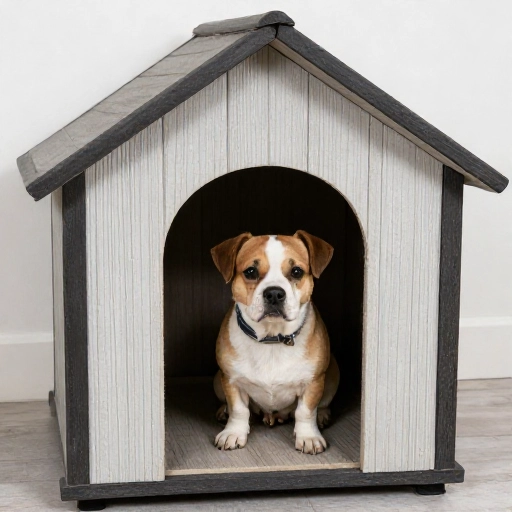
6. The Deep Bedding Dig Pit
Insulation isn’t just about walls; it’s about the bed itself. Dogs naturally dig and burrow to stay warm. Give them the ability to do that with a deep bedding box.
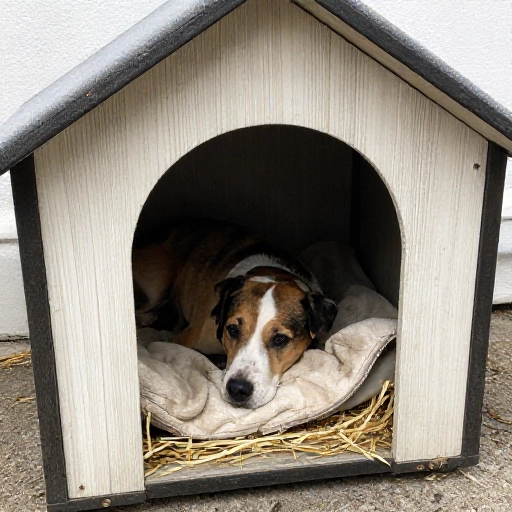
Build a lip or a low barrier at the front of the house so that you can pile in 6-8 inches of bedding without it spilling out. Use cedar shavings, straw, or fleece blankets.
Straw is fantastic because it wicks moisture away, but it can be prickly. Fleece is soft and traps heat well. Give them a mix—straw on the bottom and fleece on top—so they can “nest” and create their own warm pocket.
7. The Sunken Solar Heater
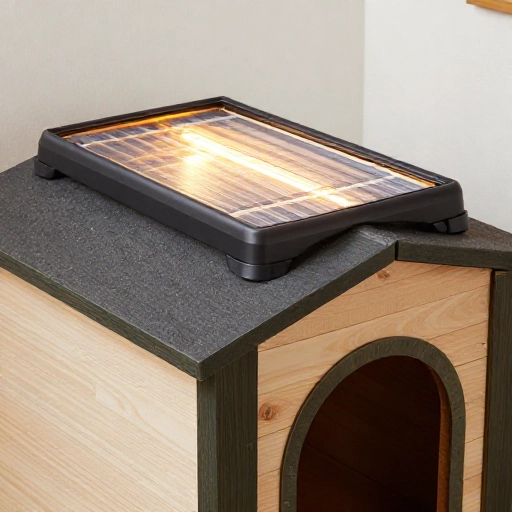
Who doesn’t love free energy? You can build a simple passive solar heater to attach to the side of the dog house. This works best if the house faces south.
Take a black-painted metal panel or a series of black soda cans in a box. Put them inside a glass or clear plastic frame. The sun heats the black metal, which heats the air inside the box. A small vent on the top and bottom allows the hot air to flow naturally into the dog house.
It won’t heat the house on a cloudy day, but on a sunny winter day, it can make the interior surprisingly warm. It’s a fun green project that looks cool in the yard.
8. The Off-Ground Pallet Base
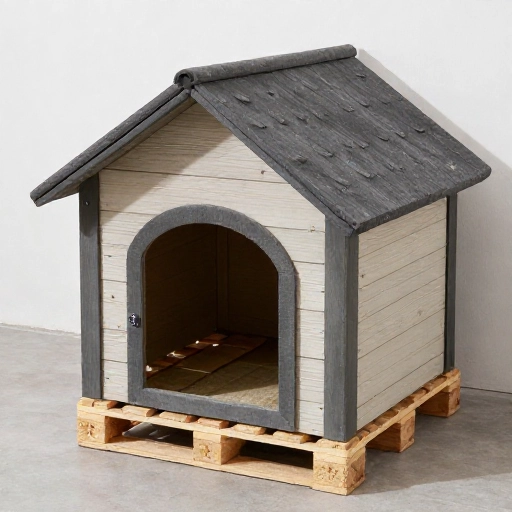
Cold seeps up from the frozen ground. If your dog house sits directly on the dirt or concrete, it will lose a ton of heat. Raising it off the ground is a quick and easy win.
Use a wooden pallet as a base. Place the dog house on top of the pallet. The air gap underneath acts as a buffer against the cold earth.
You can take it a step further by wrapping the pallet in chicken wire and filling it with fallen leaves or straw bales. This creates a makeshift insulated foundation that keeps the floor much warmer.
9. The Barn Light Heat Lamp
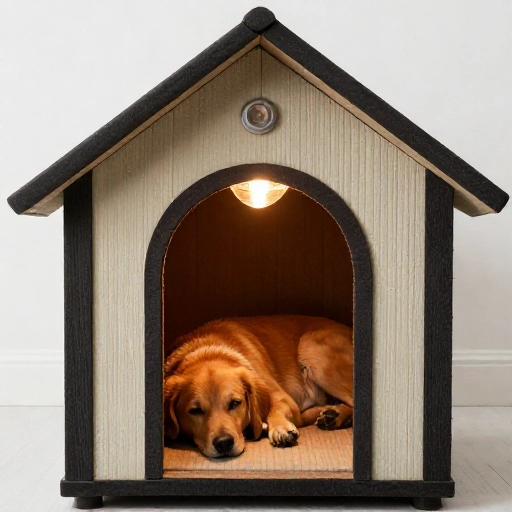
Sometimes you need a little extra boost. A heat lamp is a controversial topic because of fire hazards, but when done correctly, it’s incredibly effective. You need to use a lamp designed for livestock (chickens) with a metal cage around the bulb.
Mount it securely to the ceiling of the dog house, out of reach of your dog. Never use a regular desk lamp. Use a ceramic heat emitter bulb instead of a bright light one—this creates heat without disturbing your dog’s sleep cycle.
Ensure the cord is completely inaccessible and waterproof. This is brilliant for puppies or very short-haired dogs that need constant warmth during a cold snap.
10. The Recycled Styrofoam Cooler Trick
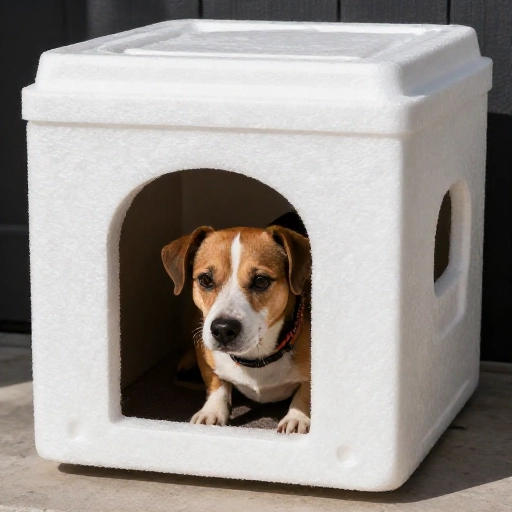
Have a giant old cooler lying around? Don’t throw it away! A large cooler is essentially a ready-made insulated box.
Cut a doorway in one of the sides. Sand the edges down to make them smooth. Place the cooler inside a larger wooden frame or just leave it as is if it’s sturdy enough.
This is a great “ghetto fabulous” hack that works in a pinch. The thick insulated walls of a cooler are perfect for trapping heat. You can paint the outside to make it look nicer, but don’t paint the inside.
11. The Reflective Barrier Blanket
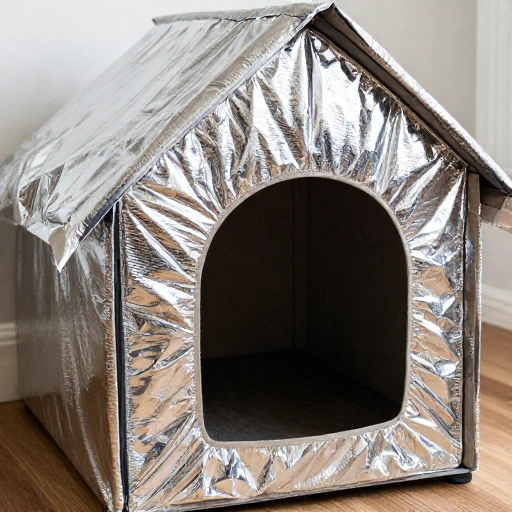
You know those shiny emergency blankets you see at the dollar store? They are amazing for reflecting heat back into the room. You can use a roll of “radiant barrier” foil, which is often used in attics.
Staple the foil to the inside of the roof and walls. The shiny side should face the inside of the house. This reflects your dog’s body heat back down onto them.
This is a super cheap, lightweight option. It’s not as good as foam for blocking cold, but it is unbeatable for reflecting heat. Combine this with foam board for the ultimate double-duty insulation.
12. The “Windbreak” Skirt
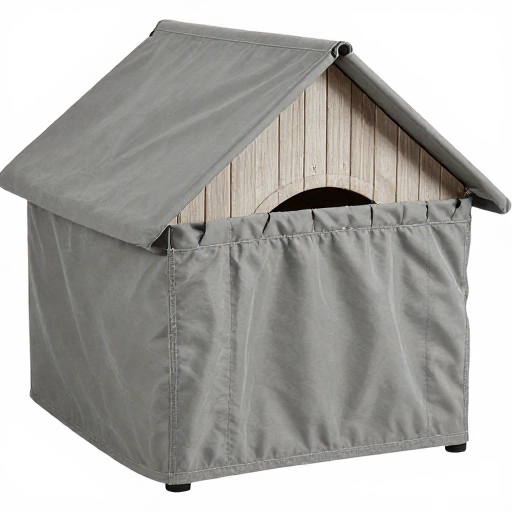
You can’t always stop the wind from blowing under the house, but you can block it. A “skirt” is a piece of heavy vinyl or canvas that wraps around the bottom of the house.
Attach it to the bottom edge of the house and let it hang down to the ground. Weigh it down with bricks or rocks. This stops the wind from swirling underneath the dog house and cooling the floor.
It also keeps snow drifts from piling up against the door. It’s a simple, temporary fix that you can put on in October and take off in April.
13. The Straw Bale Fortress
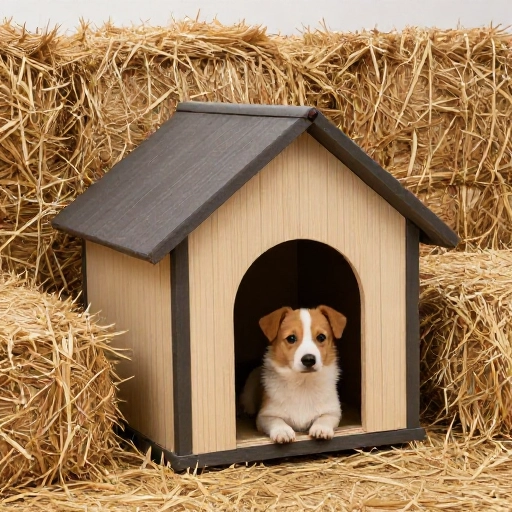
If you want to insulate the exterior of the house, straw bales are a rustic and effective choice. They are cheap and readily available at garden centers.
Stack straw bales around the outside of the dog house, leaving the front entrance clear. Stack them up as high as you can. The bales create a massive windbreak and trap heat in the walls.
This looks super charming and country-fied. Make sure you use straw, not hay. Hay holds moisture and will rot. Straw is hollow and dries out quickly, making it a fantastic insulator.
14. The “Snuggle Buddy” Water Bottle
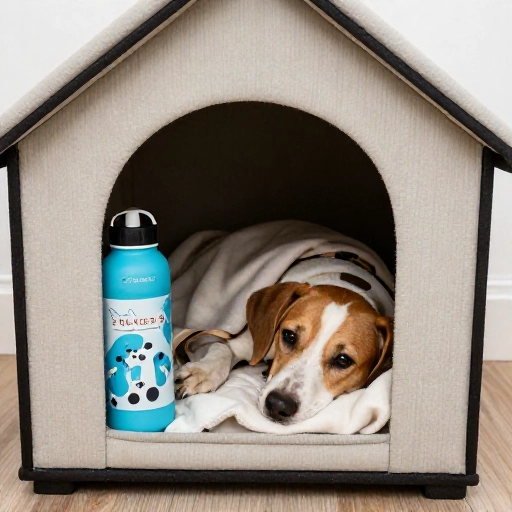
This is a trick for extreme emergencies that requires no electricity. Fill a few plastic soda bottles with hot (not boiling) water. Wrap them in a thick towel or an old sock.
Place them in the bedding with your dog. The heat from the bottles will radiate through the towel and provide a warm spot for your dog to curl up against.
This is a great backup for power outages. You can also use a microwavable heating pad, but the bottle method is more durable and can’t be punctured easily. Always check the temperature before letting your dog lay on it to avoid burns.
Wrapping Up: The Perfect Winter Retreat
Building the perfect insulated dog house isn’t about spending the most money; it’s about being smart with the materials you have. From simply adding a door flap to a full foam board renovation, every little bit helps.
I recommend starting with the floor and the door. Those are the two biggest culprits for heat loss. Once you fix those, your dog will be much happier and warmer when they are outside doing their business.
Always prioritize safety with cords and heating elements, and check the bedding regularly for dampness. A dry, draft-free, and cozy house is the best gift you can give your furry friend this winter.
Frequently Asked Questions
What is the best material to insulate a dog house?
Rigid foam board (polystyrene) is the best all-around choice. It’s water-resistant, easy to cut, and has a high R-value, meaning it blocks heat transfer really well.
Should I use straw or blankets in the dog house?
Use straw on the bottom layer because it wicks away moisture and stays dry. Blankets can absorb moisture and freeze, but they are great on top of the straw for softness and extra warmth.
Is it safe to use a heat lamp in a dog house?
Yes, but only with extreme caution. You must use a lamp designed for livestock with a protective cage. Mount it securely out of reach and use a ceramic heat emitter bulb that doesn’t emit light.
How do I keep the dog house off the cold ground?
Place it on a wooden pallet or a few concrete blocks. This creates an air gap that prevents the cold from transferring from the ground to the floor of the house.
Do I need to insulate the floor of the dog house?
Absolutely. Heat rises, which means the floor is actually the coldest part. A raised floor, a heated pad, or a thick layer of bedding is essential to keep your dog warm.