How to Introduce a New Dog to an Older Dog Without the Drama
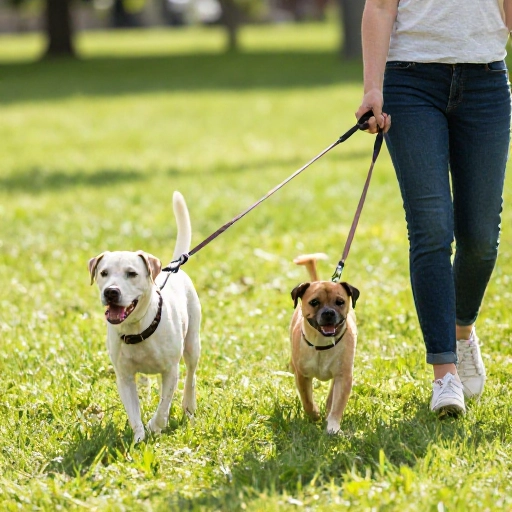
Bringing a new puppy or rescue dog home is pure excitement. But if you already have an older dog at home, that excitement can quickly turn into stress. I’ve been there—your senior pup has their routines, their favorite nap spots, and maybe even a little bit of grumpiness. The last thing you want is for them to feel replaced or overwhelmed.
Introducing a new dog to an older dog takes patience, planning, and a whole lot of treats. The goal isn’t just to avoid a fight—it’s to build a peaceful, even loving, relationship between your dogs. Here’s exactly how I’ve done it (and seen it work) in real life, step by step.
1. Choose a Neutral Meeting Spot
Never introduce the dogs in your home or backyard. Your older dog sees that space as their territory. Instead, pick a neutral location like a quiet park, a friend’s fenced yard, or even a calm street corner. Both dogs should be on loose leashes—no tension.
Let them approach each other naturally. Sniffing is good. Growling or stiff body language? That’s a sign to create more space. Keep it short. Five minutes is enough for a first meeting.
Watch for relaxed body language: soft eyes, wagging tails at mid-height, and playful bows. If you see that, you’re off to a great start.
2. Walk Them Together Before They Meet Face to Face
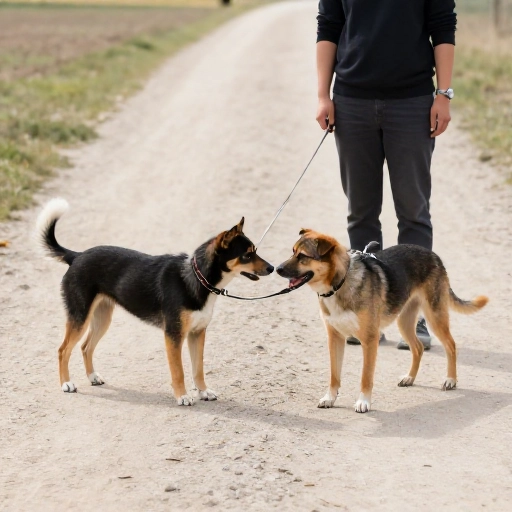
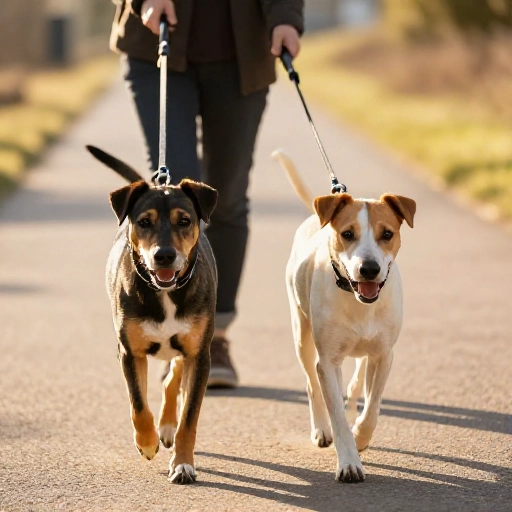
This is a game changer. Before they even sniff each other, take them for a parallel walk. Walk side by side with a helper—one person handles each dog. Keep a few feet of distance at first.
The idea is simple: walking together builds a shared experience without pressure. After ten minutes, let them walk closer. This creates a sense of teamwork. They’re not rivals—they’re walking buddies.
I’ve seen dogs go from stiff to relaxed within one walk. It’s almost magic. Try it before you ever let them loose in a yard together.
3. Let the Older Dog Set the Pace
Your older dog has earned the right to be a little slow and cautious. Let them decide how fast things go. If they want to sniff the new dog for two seconds and then walk away, that’s fine. Don’t force interactions.
Pushing too fast can cause your senior dog to feel defensive. Respect their boundaries. If they growl or snap, don’t punish them—they’re just communicating. Give them space and try again later.
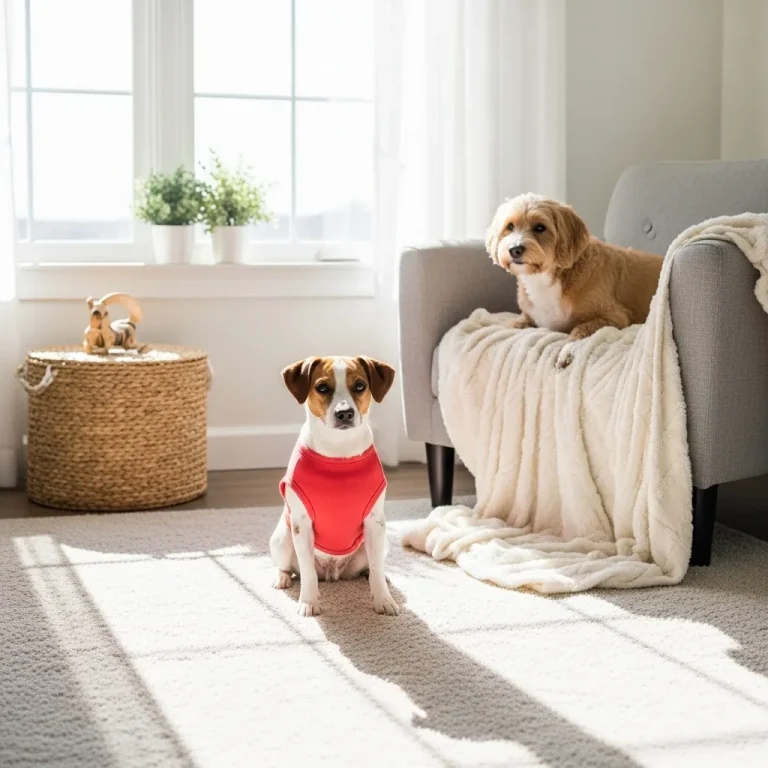
Think of it as hosting a guest. Your older dog is the homeowner. They get to decide when they’re ready to share the couch.
4. Keep the First Few Days Low-Key
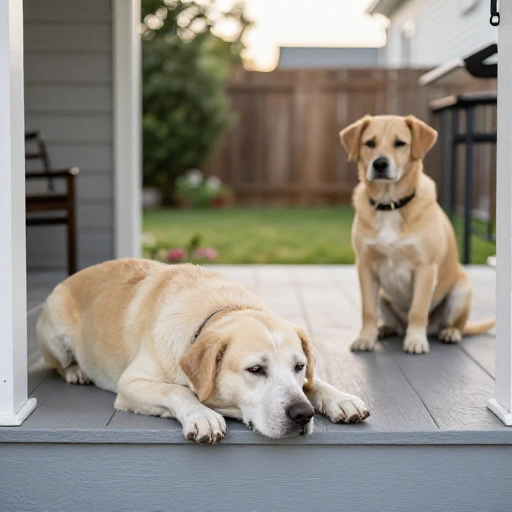
No parties. No visitors. No chaos. For at least the first three days, keep the environment calm and predictable. That means separate feeding areas, separate beds, and separate potty breaks if needed.
Your older dog needs to see that their routine hasn’t been destroyed. Feed them at the same time. Give them the same morning walk. The new dog is an addition, not a replacement.
I always keep a baby gate handy. It lets them see and smell each other safely while giving each dog their own space. Slow and steady wins this race.
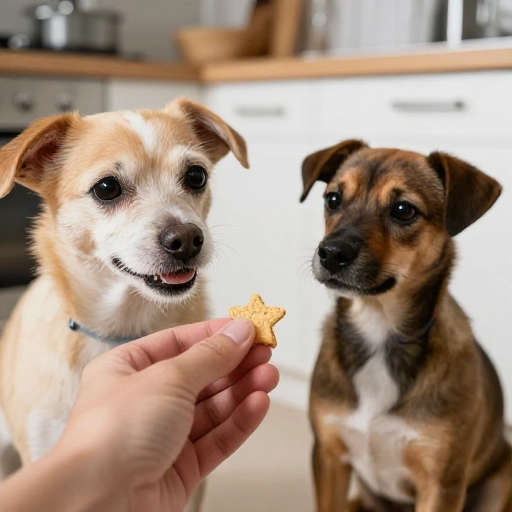
5. Use Positive Reinforcement for Both Dogs
Treats are your best friend here. Every time both dogs are calm around each other, drop a treat. Even if they’re just lying in the same room, reward that peace. You want them to associate each other with good things.
For your older dog, extra praise helps. Tell them they’re a good boy or good girl. Give them a special chew toy. They need to feel secure, not jealous.
I also recommend using a different treat jar for each dog at first. It sounds silly, but it helps them focus on you instead of each other. You’re building positive habits from day one.
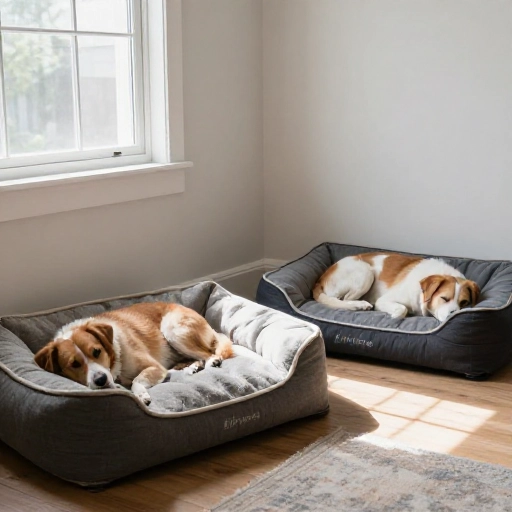
6. Give Each Dog Their Own Safe Zone
Every dog needs a place where the other isn’t allowed. For your older dog, that might be their crate, a specific bed, or even a corner of the couch. For the new dog, it could be a playpen or a separate room.
These safe zones give everyone a break. When your older dog retreats to their spot, don’t let the new dog follow. Respect that boundary. It prevents resource guarding and reduces stress.
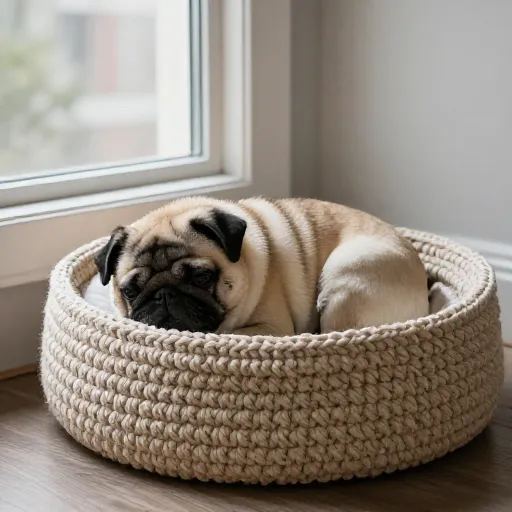
I always make sure the older dog’s safe zone is extra cozy. A soft blanket, a familiar toy, and no interruptions. They need to know they still have their own little kingdom.
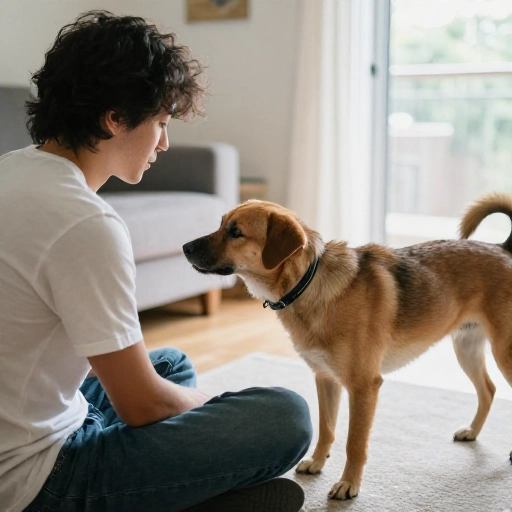
7. Supervise Every Interaction for the First Two Weeks
I know it’s tempting to let them figure it out on their own. Don’t. Supervise everything—playtime, meals, even naps in the same room. Dogs can go from sleepy to scrappy in seconds.
Keep the leash on the new dog when they’re together indoors. That way you can gently redirect if things get too intense. If you see stiff bodies, hard stares, or raised hackles, separate them calmly.
Two weeks of close supervision sets the tone for a lifetime of good habits. It’s a small investment for a huge payoff. Trust me, your older dog will thank you.
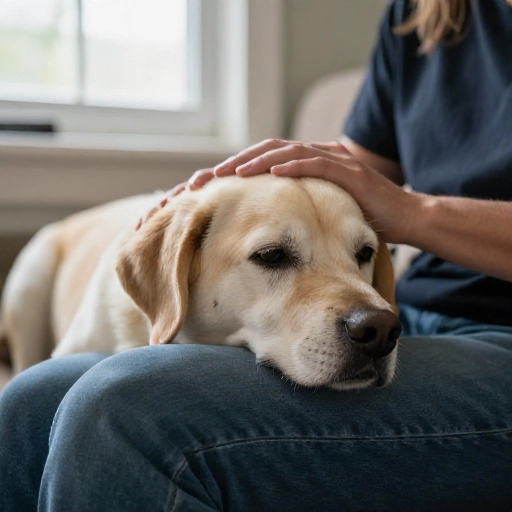
8. Don’t Forget One-on-One Time with Your Older Dog
Your senior dog might feel a little left out. Make sure they still get solo walks, cuddle sessions, and their favorite games without the new dog around. This isn’t selfish—it’s essential.
When your older dog feels secure in your bond, they’re much more likely to accept the newcomer. I always take my older dog for a special morning walk alone. It’s our little ritual.
Even ten minutes of undivided attention can make a huge difference. It reminds them that they’re still your number one. And honestly, they deserve that.
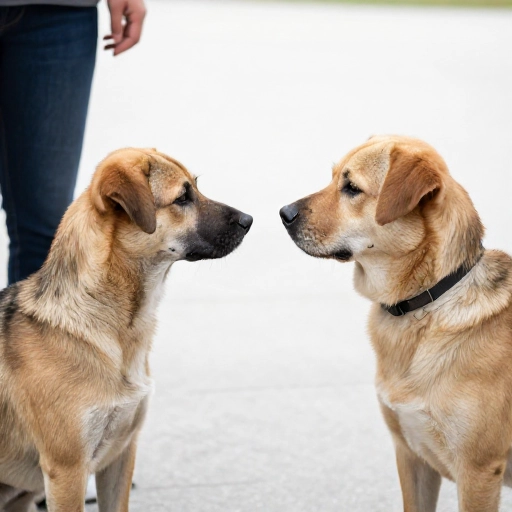
9. Watch for Signs of Stress in Both Dogs
Not all stress looks like growling. Your older dog might hide, stop eating, or seem extra clingy. Your new dog might pant, pace, or have accidents indoors. These are red flags.
If you see stress signs, slow down. Go back to parallel walks or separate rooms. There’s no rush. Some dogs take weeks to feel comfortable, and that’s perfectly normal.
I always keep a journal of how each dog is acting. It helps me spot patterns. If your older dog seems sad or your new dog seems scared, adjust your approach. They’re telling you something.
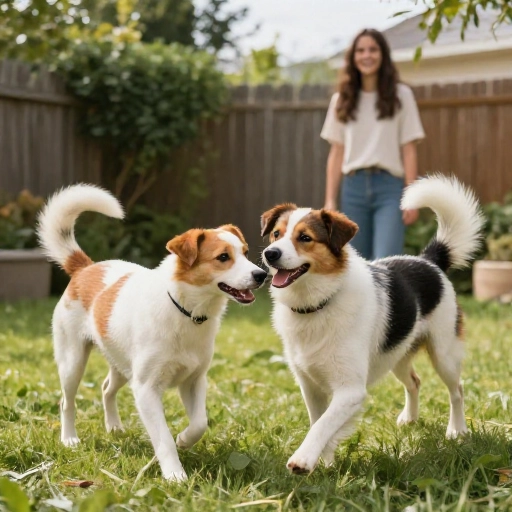
10. Celebrate Small Wins (and Don’t Expect Perfection)
Did they sniff noses without growling? That’s a win. Did they nap three feet apart? Huge win. Did they share a toy for two seconds? Celebrate it. These small steps add up.
Don’t expect them to be best friends overnight. Some older dogs never want to play, and that’s okay. A peaceful coexistence is still a success. Your job is to keep everyone safe and happy.
I always snap a photo when I catch them being sweet together. It reminds me that all the effort was worth it. Patience, treats, and love really do work.
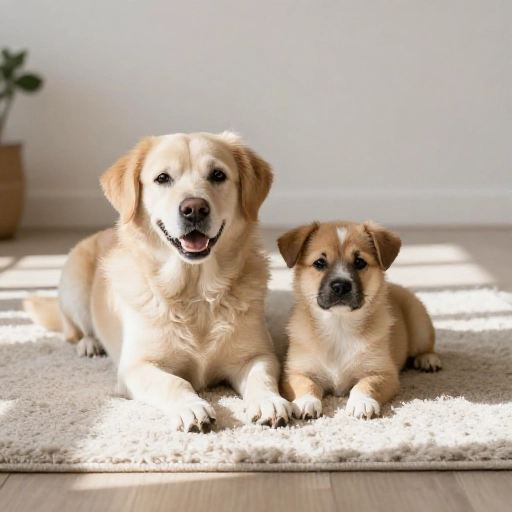
Conclusion
Introducing a new dog to an older dog isn’t always easy, but it is absolutely doable. With neutral meetings, parallel walks, and tons of patience, you can help them build a bond that lasts a lifetime. Your older dog doesn’t have to lose their throne—they just gain a companion.
Every dog is different, so trust your gut. If something feels off, slow down. And remember, your older dog is counting on you to protect their peace. Do it right, and you’ll have a happy, harmonious pack.
Frequently Asked Questions
How long does it take for a new dog to get along with an older dog?
It can take anywhere from a few days to several weeks. Most dogs adjust within two to four weeks if introductions are slow and positive. Some seniors take longer, especially if they’ve been alone for years.
What if my older dog growls at the new dog?
Growling is communication, not aggression. Don’t punish it. Instead, give them space and try a parallel walk. If growling continues, consult a trainer. It’s usually just your older dog setting a boundary.
Should I let them “fight it out”?
Never. Letting dogs fight can cause serious injuries and long-term fear. Always separate them calmly and reintroduce slowly. Fighting is a sign you moved too fast.
Can I introduce a puppy to a senior dog?
Yes, but puppies are energetic and pushy. Supervise closely and give your senior dog plenty of escape routes. Puppies need to learn respect, and older dogs are great teachers—as long as you protect them from being overwhelmed.
What if my older dog seems depressed after the new dog arrives?
This is common. Make sure your senior dog still gets solo attention and their favorite activities. Sometimes they just need time to adjust. If it lasts more than a few weeks, check with your vet to rule out health issues.