How to Socialize Your Dog the Right Way

When I first brought home my puppy, I thought socializing meant letting him greet every single dog and person we passed. I quickly learned that wasn’t the case—and honestly, it was overwhelming for both of us. Socialization isn’t about quantity; it’s about quality, timing, and letting your dog feel safe.
Getting it right means your dog grows up confident, calm, and happy in different situations. It doesn’t happen overnight, and every dog is different. But if you follow these simple steps, you’ll set your pup up for a lifetime of positive interactions.
Let’s talk about how to socialize your dog the right way—without the stress.
Start Early, But Don’t Rush
The prime window for puppy socialization is between 3 and 16 weeks old. That doesn’t mean you need to cram everything in at once. Think of this time as gentle exposure, not a checklist. Introduce your puppy to new sights, sounds, and surfaces one at a time.
Start at home. Let them walk on different floors, hear the vacuum, and meet calm, vaccinated adult dogs. Keep sessions short—five to ten minutes max. If your puppy seems scared, take a step back. The goal is positive association, not overwhelm.
Remember, adult dogs can learn new social skills too, even if they missed that early window. It just takes more patience and smaller steps.
Prioritize Neutrality Over Greetings
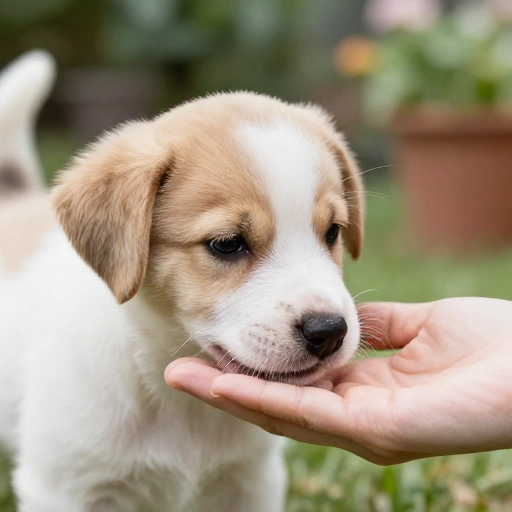
One big mistake I made was thinking my dog needed to say hi to everyone. In reality, learning to stay calm around other dogs and people is way more valuable. Not every walk needs to be a social event.
Practice walking past other dogs without stopping. Reward your dog for looking at a person or dog and then looking back at you. This builds focus and teaches them that calm behavior gets treats. You’ll end up with a dog who can handle crowded streets and dog-friendly cafes without pulling or barking.
Let your dog choose whether to interact. If they seem unsure, don’t force it. A neutral, relaxed dog is a well-socialized dog.

Use High-Value Rewards Every Time
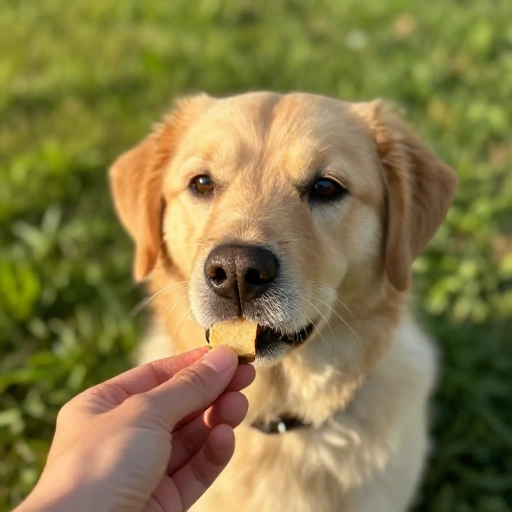
Socialization is all about building positive associations. Use treats your dog doesn’t get any other time—tiny pieces of chicken, cheese, or freeze-dried liver work wonders. Every time your dog sees something new, give them a treat.
This is called counter-conditioning. Your dog learns that new things predict good stuff. A loud truck? Treat. A child running by? Treat. A stranger walking toward you? Treat and praise. Over time, your dog will look forward to new experiences instead of worrying about them.
Keep treats in your pocket always. You never know when a surprise encounter will happen, and being prepared makes all the difference.
Expose Your Dog to Different Environments
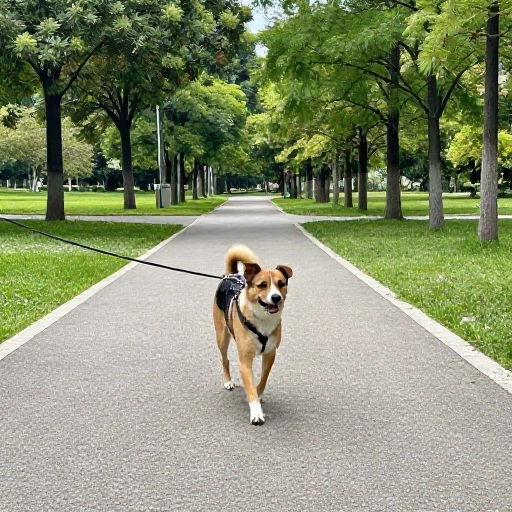
Don’t just stick to your neighborhood. Take your dog to quiet parks, busy sidewalks, pet stores, and even outdoor seating areas. Each place offers new smells, sounds, and surfaces. Let them explore at their own pace.
Start with low-traffic times and gradually increase the bustle. If your dog seems nervous in a new spot, sit on a bench and let them watch from a distance. Bring a chew toy or a stuffed Kong to help them relax. The more environments they experience, the more adaptable they become.
Don’t forget about different weather conditions, too. Rain, wind, and even snow are all worth introducing gently.
Invite Calm, Well-Mannered Dogs Over
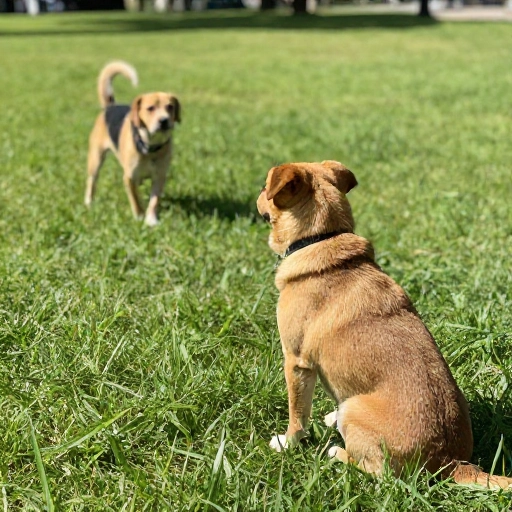
Playdates with the right dogs are gold. Look for dogs that are patient, not overly pushy, and good at reading social cues. A calm adult dog can teach your puppy a lot about polite behavior. They’ll correct rudeness gently, and your pup will learn boundaries.
Keep introductions on neutral ground first, like a fenced yard or quiet park. Let them sniff and circle without interference. If things get too rowdy, take a break. Short, positive play sessions are better than one long, exhausting one.
Watch for signs of stress: tucked tails, whale eye, or excessive yawning. If you see them, end the playdate and try again later.

Teach Your Dog to Be Alone Sometimes
Socialization isn’t just about meeting others—it’s also about being okay alone. Many dogs struggle with separation anxiety because they never learned to enjoy their own company. Start small: leave your dog in a safe room with a chew toy for a few minutes while you do something in another room.
Gradually increase the time. Crate training can help here, since a crate becomes a cozy den. Never make a big deal about leaving or returning. Keep it boring. Your dog will learn that alone time is normal and safe.
Practice this regularly, even if you work from home. It gives your dog confidence and independence.

Handle Their Body Gently and Often
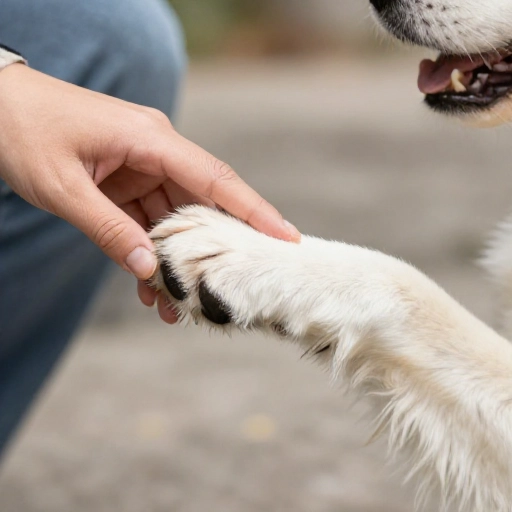
Dogs that are comfortable with being handled are easier at the vet, groomer, and during everyday care. From the start, gently touch your dog’s paws, ears, mouth, and tail. Do it while giving treats and praise. Make it a game, not a chore.
Practice brushing their teeth, trimming nails, and checking their ears. If your dog squirms, go slower. Pair each touch with something they love. Over time, they’ll associate handling with good things.
This is especially important for rescue dogs who might have had bad experiences. Patience and positive reinforcement can help them learn to trust again.
Introduce New Sounds Gradually
Noises like thunder, fireworks, or even a blender can scare a dog silly. Start by playing recordings of these sounds at a very low volume. Reward your dog for staying calm. Slowly increase the volume over days or weeks.
Pair the sound with something fun, like a game of fetch or a tasty chew. Your dog will start to associate the noise with positive experiences. I did this with my dog and fireworks—now he sleeps through them.
Don’t flood your dog by exposing them to loud noises all at once. Gradual exposure is the kindest and most effective approach.

Let Your Dog Watch and Learn
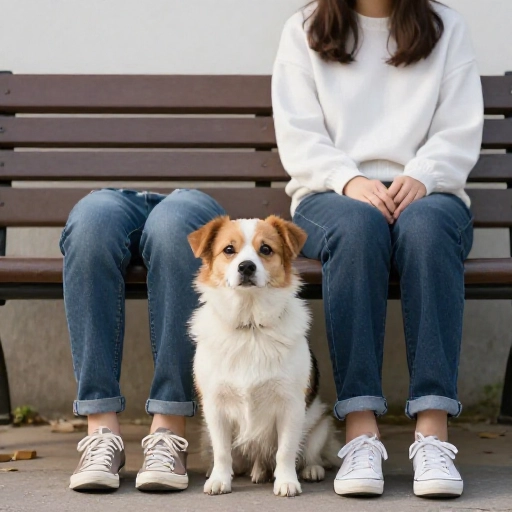
Sometimes the best socialization is simply watching from a safe distance. Sit with your dog at a park bench and let them observe people, dogs, and bikes going by. Reward calm behavior. This is called “social referencing”—your dog looks to you for cues about what’s safe.
If your dog seems curious but not scared, that’s perfect. If they’re nervous, move farther away. You want them to learn that the world is interesting, not scary. This builds confidence without pressure.
Do this regularly in different settings. It’s low-stress and gives your dog a chance to process things at their own speed.
Know When to Stop and Slow Down
Your dog’s body language is your best guide. If they’re hiding, trembling, or trying to escape, you’ve gone too fast. Take a break or go back to an easier step. Pushing through fear only makes it worse.
Socialization isn’t a race. Some dogs need weeks or months to feel comfortable with new things. That’s okay. Celebrate small wins, like your dog sniffing a new object or walking past a stranger without pulling.
If you’re ever unsure, consult a positive reinforcement trainer. They can help you make a plan that fits your dog’s unique personality.
Conclusion
Socializing your dog the right way is about building trust, not ticking boxes. Every dog learns at their own pace, and that’s perfectly fine. Focus on positive experiences, go slow, and always let your dog have a say. Before you know it, you’ll have a confident, happy companion who’s ready for anything life throws your way.
Frequently Asked Questions
What age should I start socializing my puppy?
You can start as early as 3 weeks old, but the prime window is between 3 and 16 weeks. Even if your dog is older, you can still socialize them—it just takes more patience and gentler steps.
Is it ever too late to socialize a dog?
It’s never too late. Adult dogs and even seniors can learn new social skills. The key is to move at their pace and use lots of positive reinforcement. A trainer can help if you feel stuck.
How do I socialize a fearful dog?
Go very slowly. Start with low-stress environments and keep a safe distance from triggers. Use high-value treats and let your dog choose to approach. Never force interactions. Patience is everything.
How many new things should I introduce in one day?
Less is more. One or two new experiences per session is plenty. Your dog needs time to process and relax between exposures. Overloading can cause stress and setbacks.
Can my dog get sick from socializing?
There’s always a small risk, but you can minimize it. Make sure your puppy has their first vaccines before meeting unfamiliar dogs. Choose clean, well-maintained environments and avoid dog parks until your vet gives the green light.