How to Stop a Cat From Hissing
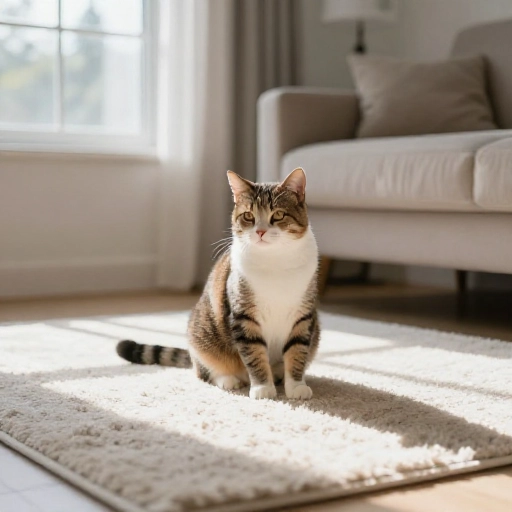
Cats hiss for a reason. It’s not just them being grumpy or mean. That sound is your cat’s way of saying, “I need space” or “I’m scared.” If your cat hisses a lot, you might feel worried or frustrated. But don’t worry — you can help them feel safe again.
In my years with cats, I learned that hissing is a warning, not an attack. It’s their way of avoiding a fight. The key is to listen and respond calmly. Here’s how to stop a cat from hissing by understanding what they need.
Think of it like this: hissing is a cat’s smoke alarm. It goes off when something feels wrong. Your job is to find the smoke, not yell at the alarm.
1. Give Them Space First
When your cat hisses, your first move is to back off. Don’t reach out to pet them or pick them up. That only makes things worse. They are telling you they feel threatened.
I used to make this mistake with my cat, Luna. I’d try to comfort her, and she’d hiss louder. Once I stopped and walked away, she calmed down on her own. Giving space shows respect, not rejection.
Let your cat come to you when they are ready. This could take minutes or even hours. Patience matters more than pushing.
2. Check for Pain or Illness
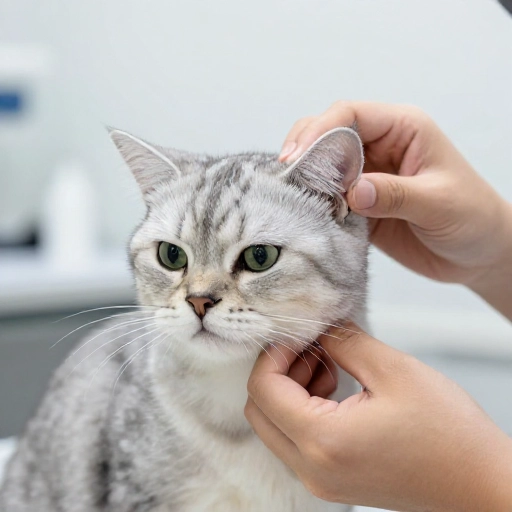
Sometimes a cat hisses because they hurt. Cats hide pain well. A sudden change in behavior, like hissing when touched, can mean something is wrong. Arthritis, dental issues, or an injury could be the cause.
Watch for other signs: hiding more, not eating, or avoiding the litter box. If your cat hisses without a clear reason, a vet visit is smart. It’s better to rule out health problems first.
I once had a cat who hissed at me when I touched her back. Turned out she had a sore muscle. A little rest and she was back to normal.
3. Create Safe Zones in Your Home
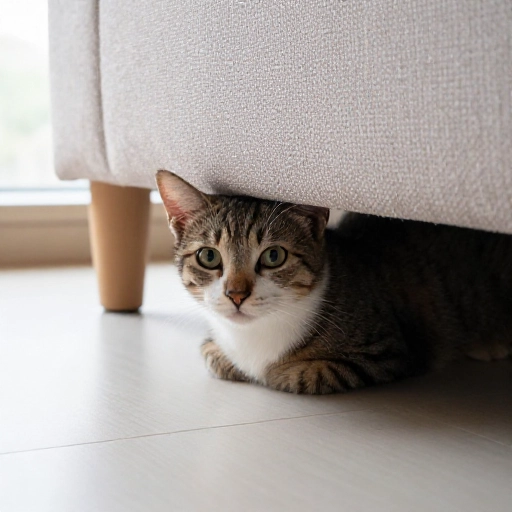
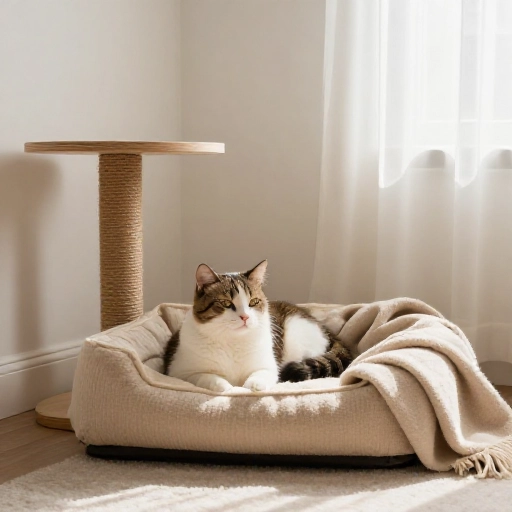
Every cat needs a place where they feel totally safe. This could be a quiet room, a high shelf, or a cozy cat cave. When your cat feels cornered, they hiss. Safe spots let them escape.
Set up a few options around your house. A cardboard box with a soft blanket works great. Or a cat tree near a window. Make sure these spots are away from loud noises and busy walkways.
Your cat will learn they can retreat instead of hiss. It builds their confidence over time.
4. Slow Down Your Movements
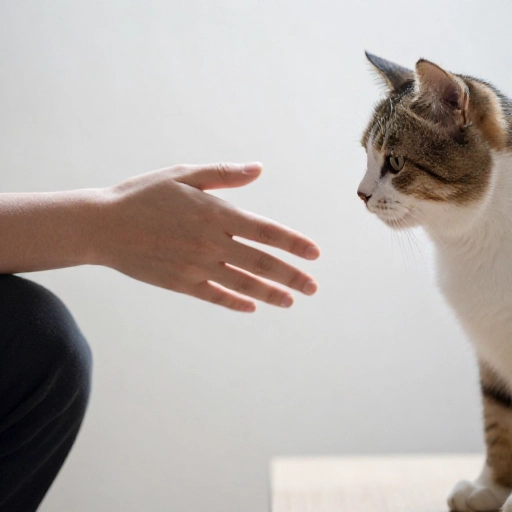
Fast movements can scare a cat. When you move quickly, your cat might see you as a threat. That triggers the hiss. Try moving slowly and calmly around your home, especially near your cat.
I practice this myself. When I walk past my cat, I take slow steps. I avoid sudden arm movements or loud noises. It makes a huge difference. Your cat starts to trust that you are not a danger.
Also, don’t stare directly at them. In cat language, staring is a challenge. Soft, slow blinks are much friendlier.
5. Use Treats to Build Positive Associations
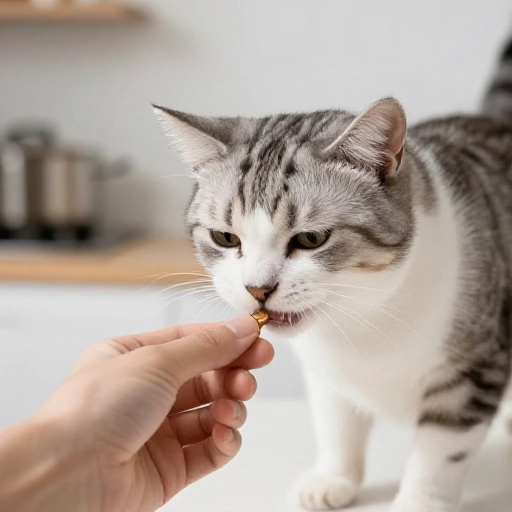
If your cat hisses at something specific — like a new person or another pet — use treats to change their mind. The idea is to connect the scary thing with something good. Treats work like magic for this.
Start at a distance where your cat doesn’t hiss. Give them a treat. Slowly move closer over days or weeks. Never force it. Let your cat set the pace.
I did this when introducing my cat to a new roommate. It took a week, but soon my cat was running to get treats instead of hiding.
6. Respect Their Body Language
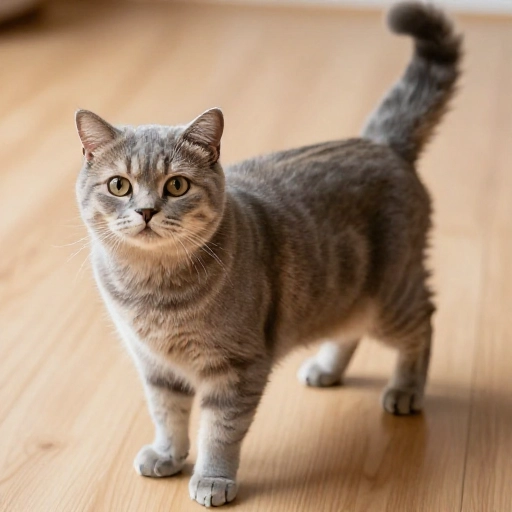
Hissing is just one part of cat communication. Before the hiss, your cat might show other signs: flattened ears, a twitching tail, or dilated pupils. If you notice these, stop what you’re doing.
Learning cat body language helps you avoid the hiss altogether. A cat that feels heard won’t need to warn you so loudly. Watch their tail and ears especially.
When I started paying attention, I saw my cat’s ears flatten right before a hiss. Now I know to give her space before she even makes a sound.
7. Introduce New Pets Slowly
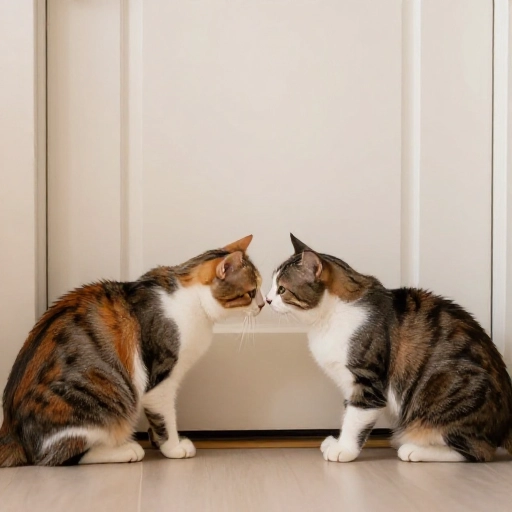
A new pet in the house is a big stressor for cats. Hissing is normal during introductions. The mistake is trying to make them friends too fast. Slow and steady wins here.
Keep new pets in separate rooms at first. Let them smell each other under the door. Then swap blankets so they get used to each other’s scent. Only after that, try short, supervised meetings.
It can take weeks or months. That’s okay. Rushing leads to more hissing and fights. Take your time.
8. Keep a Consistent Routine
Cats love routine. They feel safe when they know what to expect. Changes in feeding times, playtime, or your schedule can make them anxious. Anxiety often shows up as hissing.
Try to feed your cat at the same time every day. Keep play sessions regular. If you need to change something, do it gradually. A calm home means a calm cat.
I noticed my cat hissing more when I worked late. Once I got back to a regular schedule, she relaxed. Small changes in routine can have big effects.
9. Never Punish a Hissing Cat
Yelling, spraying water, or punishing your cat for hissing will backfire. It makes them more scared and more likely to hiss. Punishment breaks trust. You want your cat to see you as a safe person.
Instead, focus on what caused the hiss. Remove the trigger if you can. If you can’t, give your cat time to adjust. Positive reinforcement works way better than punishment.
Think of hissing as a message, not bad behavior. When you listen, you can solve the problem together.
10. Try Calming Aids if Needed
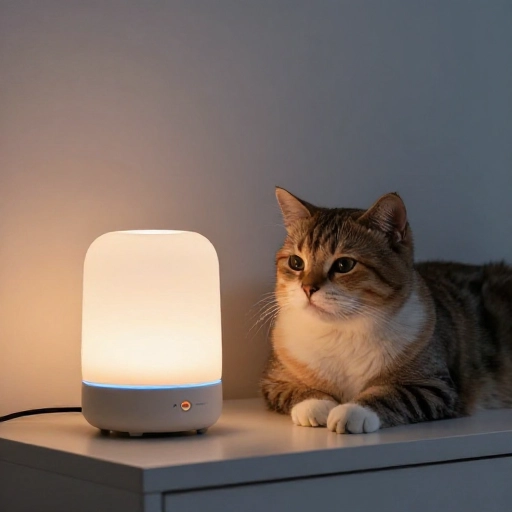
Some cats need extra help to relax. Calming sprays, diffusers, or gentle treats can take the edge off. They use natural scents like lavender or cat pheromones. These are not drugs, just tools to reduce stress.
I use a calming diffuser when I know a stressful event is coming, like a vet visit or house guests. It helps my cat stay chill. You can also find calming collars or music made for cats.
Always check with your vet before trying new products. What works for one cat might not work for another. But for many, these aids make a real difference.
Conclusion
Stopping a cat from hissing isn’t about silencing them. It’s about understanding what they need. Give them space, check for pain, and create a calm home. With patience and love, your cat will feel safe enough to stop hissing.
Remember, every cat is different. What works for one might take longer for another. That’s okay. You and your cat are a team. Trust takes time, but it’s always worth it.
Frequently Asked Questions
Why is my cat hissing at me for no reason?
There is always a reason. It could be pain, fear, or a change in their environment. Look for subtle signs you might have missed. A vet check is a good idea if the hissing seems random.
Should I hiss back at my cat?
No. Hissing back will only scare or confuse your cat. They won’t understand it as communication. Stay calm and give them space instead.
How long does it take for a cat to stop hissing?
It depends on the cause. A scared cat might stop in a few days with patience. A cat adjusting to a new home or pet could take weeks. Every cat is different.
Can I train my cat not to hiss?
You can’t train a cat to never hiss — it’s a natural response. But you can reduce the triggers. Use treats, slow introductions, and a calm routine to help them feel safer.
Is hissing always a sign of aggression?
No. Hissing is usually a warning, not an attack. It means your cat wants to avoid conflict. They are saying “back off” before things escalate. It’s actually a good sign they are trying to communicate peacefully.