Your Dog’s Brain Gym: A Fun Guide to Mental Stimulation Activities
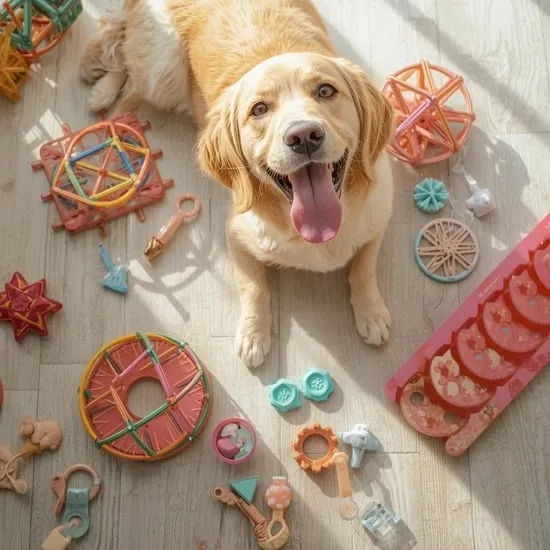
We all know a tired dog is a good dog, but what about a mentally tired dog? Physical walks are crucial, but they only solve half the puzzle. I’ve learned that a bored dog is often the one getting into the pantry or digging up the garden. Their brains need a workout too!
Mental stimulation is the secret sauce to a truly happy and balanced pup. It builds their confidence, reduces anxiety-driven behaviors, and deepens your bond. Think of it as giving their natural problem-solving instincts a healthy, fun outlet. It’s not about being a dog trainer; it’s about being a playful guide.
Ready to turn your living room into a canine enrichment center? Here are my ten favorite ways to engage my dog’s brilliant mind, using things you probably already have at home.
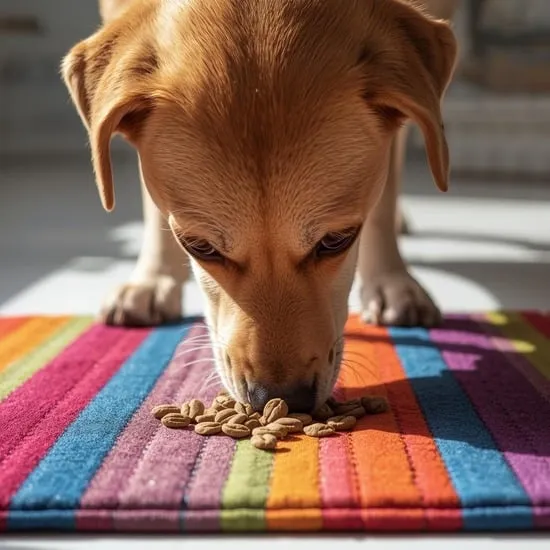
1. The Classic Snuffle Mat
This is my go-to for a quick and satisfying brain game. A snuffle mat is a fabric mat with lots of fleecy strips where you can hide kibble or treats. It taps directly into your dog’s most powerful sense: smell.
I simply sprinkle my dog’s entire meal into the mat, and she gets to “forage” for it. It turns a 30-second bowl gobble into a 15-minute focused activity. It’s fantastic for slowing down fast eaters and providing a calming, enriching experience, especially on rainy days.
2. The Muffin Tin Puzzle
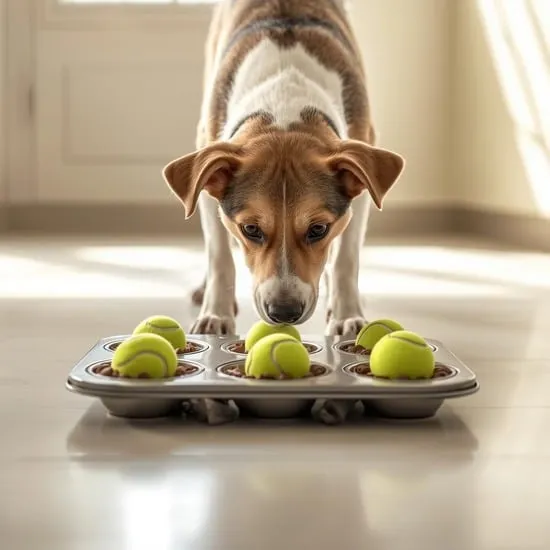
Don’t buy a puzzle toy—make one in two minutes! Grab a muffin tin, some tennis balls or crumpled paper cups, and a handful of treats.
Place a few treats in random cups of the tin, then cover all the cups with the balls or paper. Your dog has to figure out how to move the obstacles to find the reward. I love this because you can increase the difficulty by using more cups or hiding emptier ones.
3. “Find It” with Favorite Toys
This game builds on your dog’s natural hunt drive. Start with a favorite squeaky toy or ball. Get them excited about it, then have them “stay” while you go into another room and hide it in an obvious place.
Release them with an enthusiastic “Find it!” Celebrate wildly when they succeed. Gradually make the hiding spots more challenging. This game fills them with purpose and uses tons of mental energy following that scent trail.

4. DIY Frozen Treats
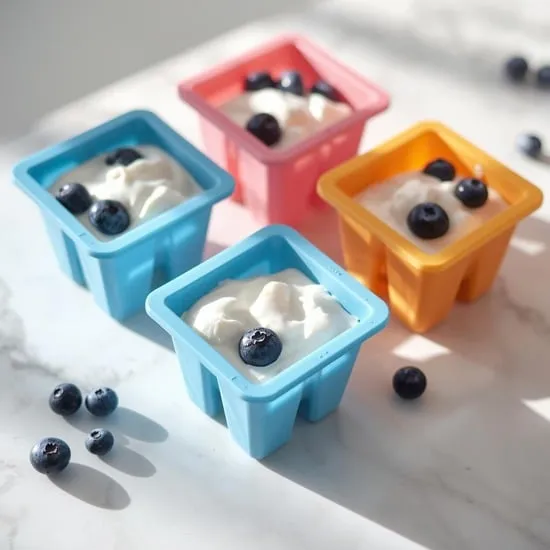
Mental stimulation can be delicious! I take a Kong or a similar rubber toy and stuff it with a mix of wet food, plain yogurt, peanut butter (xylitol-free!), and kibble. Then, I freeze it solid.
The freezing process turns a simple treat into a long-lasting, engaging project. My dog works patiently to lick and chew the goodness out, which is a naturally soothing and rewarding activity. It’s my secret weapon for when I need a quiet hour to work.
5. Name That Toy
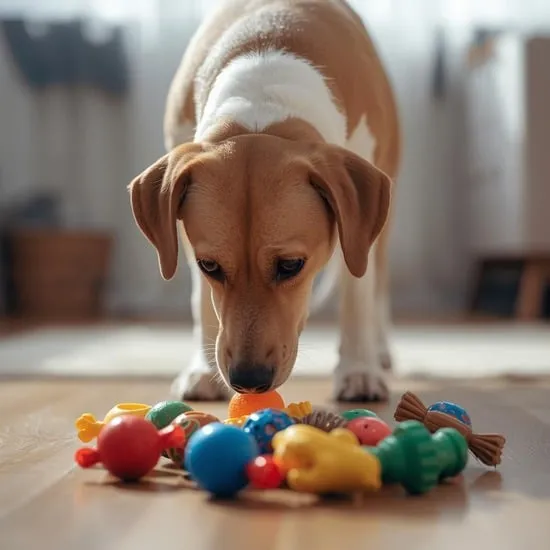
This one takes patience but is incredibly rewarding. Choose two distinct toys, like “ball” and “bone.” Consistently use the toy’s name when playing with it. “Get your ball! Good ball!”
Once they seem to associate the word, place both toys on the floor and ask for one by name. Reward heavily for the correct choice. Over time, you can build a whole vocabulary. It’s amazing to see them actively think and make a choice based on a word.
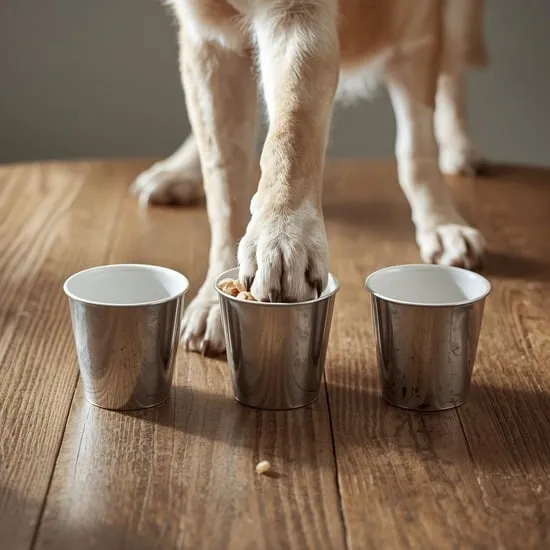
6. The Shell Game
Yes, just like the street magic trick! You only need three identical cups and one smelly treat. Let your dog watch you place the treat under one cup, then shuffle the cups slowly.
Encourage them to “find it!” and indicate the correct cup. This teaches focus, memory, and problem-solving. If they get frustrated, simplify it. The goal is fun thinking, not frustration.
7. Novelty in the Walk
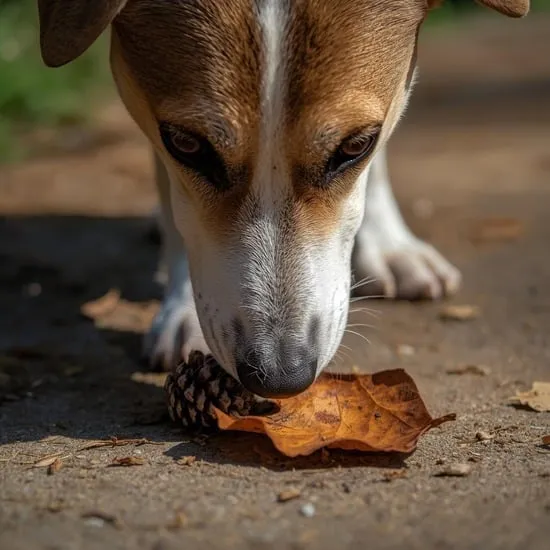
Mental enrichment isn’t just indoors. I revolutionize our daily walk by making it a “sniffari.” Instead of a power-walk on the same route, I choose a new path or let her lead the way, stopping to smell every interesting blade of grass.
I also practice simple cues in new environments—a “sit” at a different curb, a “look” at me near a distracting sound. Exploring new smells and practicing skills in a new place is a massive brain workout.
8. The Towel Roll-Up
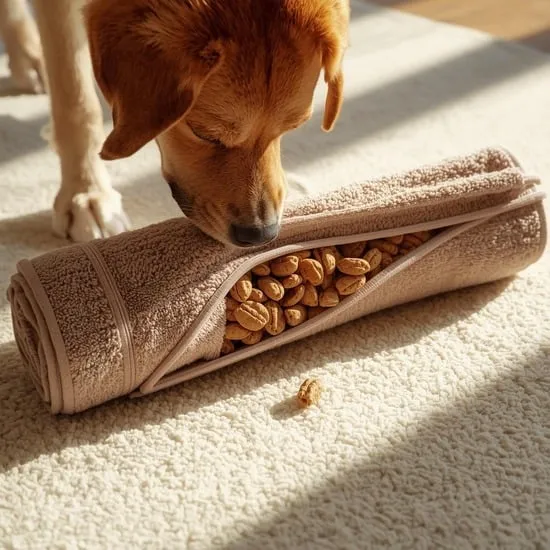
Lay a bath towel flat on the floor. Sprinkle kibble or small treats all over it. Then, starting at one end, loosely roll the towel up. Fold the ends in to make a little bundle.
Give it to your dog and watch them unravel the puzzle with their nose and paws. It’s a fantastic, no-cost foraging game. For an extra challenge, tie the bundle in a loose knot!
9. Learning a New “Party Trick”
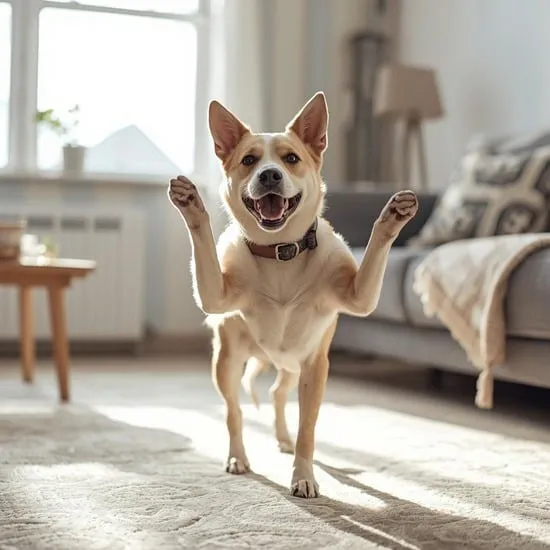
Teach something fun and useless! “Spin,” “shake,” “bow,” or “play dead.” Short, positive training sessions of 5-10 minutes are perfect mental workouts.
Learning a new behavior or sequence forces them to concentrate and connect actions with rewards. The pride in their eyes when they finally get it is the best feeling. Keep it light, use high-value treats, and always end on a success.
10. Structured Play & “Drop It”
Even tug-of-war can be a brain game. I structure our play with clear rules. We practice “take it,” “drop it,” and “leave it” during the game.
This turns a rowdy game into an exercise in impulse control and communication. They have to listen and think even in a state of high excitement, which is a powerful skill. It makes playtime safer and more rewarding for both of us.
Conclusion: A Happier, Smarter Pup
Weaving these activities into your week doesn’t need to be complicated. Just pick one or two to start. You’ll likely notice your dog is more settled, sleeps more soundly, and seems more engaged with you. A mentally stimulated dog is less likely to invent their own (often destructive) fun.
The bond you build through these shared games of thinking and discovery is the real prize. So grab a towel, a muffin tin, and a handful of kibble, and get ready to see your dog’s brilliant mind at work!
Quick FAQ: Mental Stimulation for Dogs
Q: How long should a mental stimulation session last?
A: Short and sweet is key! Even 10-15 minutes of focused activity can tire them out more than a long, monotonous walk.
Q: My dog gives up on puzzle toys quickly. What should I do?
A: Make it easier! Help them at first so they understand the concept and feel the win. We want to build confidence, not frustration.
Q: Can senior dogs benefit from these activities?
A: Absolutely! It’s wonderful for keeping their minds sharp. Just adjust for any physical limitations—softer treats, easier puzzles, and more gentle games.
Q: How often should I do these activities?
A: Aim for a little something daily. It can be as simple as a snuffle mat meal or a 5-minute training session. Consistency matters more than marathon sessions.
Q: Is my dog too old to learn new tricks?
A> Never! Dogs are lifelong learners. Use high-value rewards and keep sessions positive and short. You might be surprised at what they can pick up.