10 Dog Grooming Area Setups That Make Bath Time Way Less Stressful
If you’ve ever chased a wet, soapy dog across the house, you already know the struggle. Grooming at home isn’t hard because dogs hate water. It’s hard because most of us are trying to do it in the wrong spot, with the wrong tools, and no real plan.
Over the years I’ve tried just about everything — the kitchen sink, the backyard hose, a plastic kiddie pool that my dog treated like a trampoline. Some setups failed loudly. A few of them completely changed how our routine works, and now bath time takes fifteen minutes instead of an hour of chaos.
Below are ten grooming area setups I’ve either built myself or helped friends put together. Each one is practical, budget-flexible, and designed for real homes with real dogs. Pick the one that fits your space, tweak it to your dog’s size and coat, and you’ll wonder why you waited so long.
1. The Mudroom Wash Station
If you’re lucky enough to have a mudroom, this is the gold standard. It keeps water, hair, and dirt contained in one spot that’s already designed for messy jobs. The trick is treating it like a mini salon instead of a pass-through hallway.
I installed a low-profile tub at counter height so I don’t have to kneel on the floor. A handheld sprayer with a long hose makes rinsing the belly and paws so much easier. On the wall above, I hung a rail with S-hooks for the leash, the towel, and a squeeze bottle of shampoo so nothing ends up on the floor.
Two small details changed everything for me: a rubber drainage mat that keeps paws from sliding, and a covered bin for dirty towels right next to the tub. If your mudroom has a floor drain, even better. You can spray freely and just squeegee the floor when you’re done.
2. Converted Laundry Room Setup
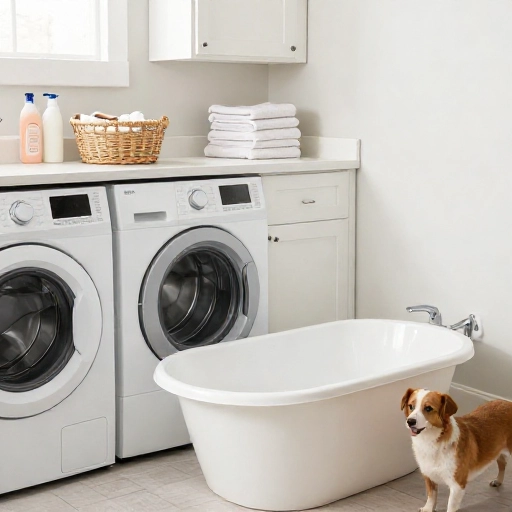
Laundry rooms already have the things a grooming area needs — water, drainage, and a hard floor. I turned the empty corner beside my washer into a permanent dog station, and it costs less than you’d think.
I used a plastic utility sink insert that sits over the floor, added a tall faucet with a pull-down sprayer, and put a waterproof shelf above it for shampoo, conditioner, and a detangling spray. Under the shelf, I mounted a hook for a grooming loop so my dog stays put while I work.
A few things I’d do differently if I started over: add a plug-in wall outlet higher up for a blow dryer, and skip the glass bottles. Plastic is safer when a wet dog shakes at exactly the wrong moment.
3. Garage Grooming Zone With Non-Slip Flooring
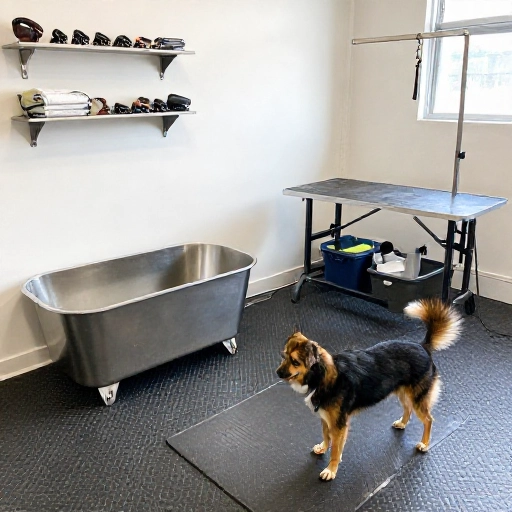
The garage is my favorite choice for big dogs and heavy shedders. There’s space to move around, you don’t care about water on the floor, and cleanup is basically a hose and a push broom.
I laid interlocking rubber tiles over the concrete for two reasons: my dog wouldn’t slip, and my knees would survive. Then I set up a folding grooming table with a noose loop for brushing and nail trims, and kept the washing area separate with a raised tub on wheels.
- Keep everything on one wall so you can park the car when it’s not in use
- Add a clip-on light or LED shop light above the table so you can actually see what you’re doing
- Store towels in a sealed bin — garage dust gets into everything
During winter I plug in a small space heater about twenty minutes before we start. A warm garage makes a huge difference for older dogs and short-haired breeds.
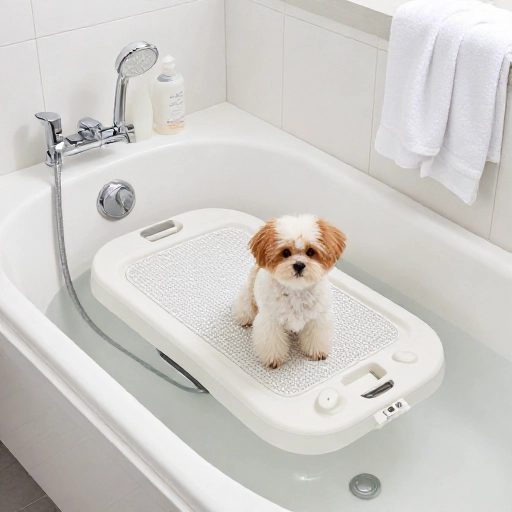
4. Bathtub Booster for Regular Bathrooms
Not everyone has a mudroom or garage, and that’s fine. A standard bathtub works beautifully if you make it comfortable for both of you. My back used to ache for two days after every bath, so I changed my approach.
I use a suction-cup bath mat on the tub floor, a handheld showerhead with a six-foot hose, and a small step stool for my dog to climb in on his own. That last one matters more than people realize — lifting a forty-pound wet dog out of a tub is how you hurt yourself.
For rinsing, I fill a pitcher with warm water as a backup when the sprayer runs slow. I also keep a cup near the faucet for pouring water over the head and ears without blasting the face. It’s low-tech and my dog tolerates it far better.
After the bath, I hang a towel over the shower rod and let the dog shake inside the tub for a few seconds. That one habit keeps my bathroom walls dry.
5. Outdoor Deck Rinse Station
Warm months belong to the deck. I set up a simple rinse station that I can tear down in ten minutes, and it’s become my most-used setup from spring through early fall.
My version is basic: a garden hose with a spray nozzle, a plastic tub with a drain plug, and a folding table for towels and tools. I attach the tub to the deck railing with a bungee cord so it doesn’t slide when my dog steps in. Shade is non-negotiable — I always work in the shaded part of the deck, because hot plastic and hot water are miserable for everyone.
For drying, I keep a microfiber towel and a wire brush on the table. I also hang a mesh bag from the railing for dirty towels so they dry before they go in the wash. If your deck has a hose bib nearby, this setup costs almost nothing to build.
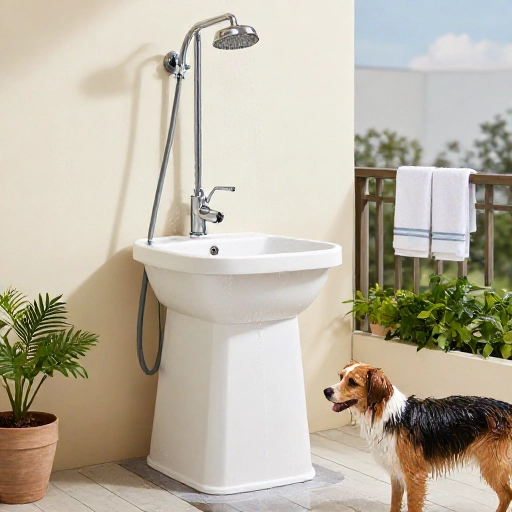
6. Small Apartment Corner Setup
Living in an apartment doesn’t mean skipping home grooming. It just means being smarter about what you buy. My first apartment setup fit in roughly three square feet of a bathroom corner.
The core of it was a foldable pet tub that pops up when I need it and flattens behind the door when I don’t. I lined the floor with an absorbent mat that traps water and hair, and kept everything else in a caddy that hangs from a suction hook.
- Shampoo and conditioner in travel-size bottles, refilled from a big jug
- A travel hair dryer with a low-heat setting for short coats
- Two microfiber towels instead of five cotton ones — they take up less space
- A silicone scrub brush that doubles as a hair remover on upholstery
Noise is the real apartment challenge. I dry my dog in the bathroom with the door closed and a towel under the door gap. My neighbors have never complained once.
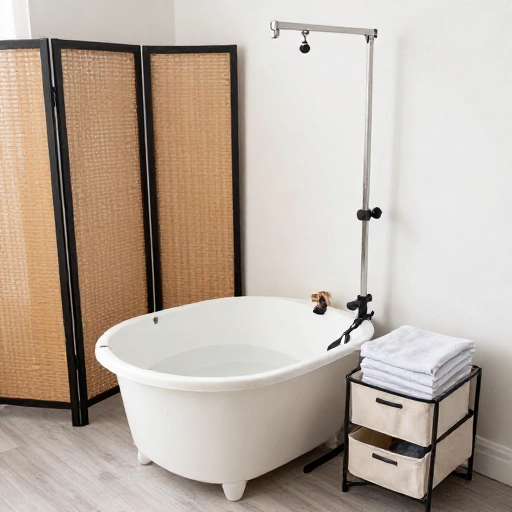
7. Rolling Grooming Cart for Multi-Dog Homes
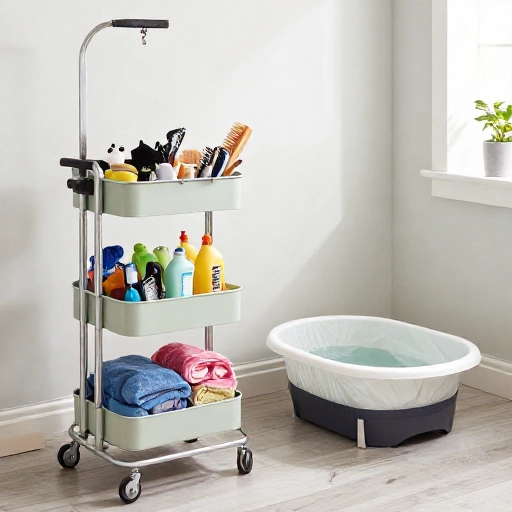
When you’ve got more than one dog, a fixed station can get crowded fast. That’s why I built a rolling cart that moves wherever the dog is. It’s my favorite setup for fosters, seniors, and dogs who refuse to walk into the bathroom.
The cart holds everything: shampoo, conditioner, ear cleaner, cotton pads, nail clippers, styptic powder, brushes, and a stack of towels. The bottom shelf has a plastic bin for wet items, and the top has a lip so bottles don’t roll off mid-bath.
I roll it next to the tub, or straight out to the deck when the weather’s good. The one rule I follow is to restock it the same day I use it. A cart with no shampoo is just a piece of furniture.
If your dogs have totally different coats — say a poodle and a lab — consider two smaller carts or a divided bin system so you’re not hunting for the right brush every time.
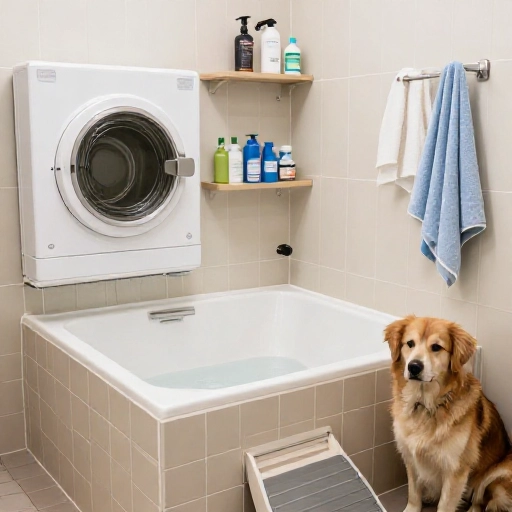
8. Dedicated Wash Room With a Raised Tub
If you’ve got an unused corner in a basement or utility room, a raised tub is worth the investment. Lifting a dog to waist height beats bending over a low tub any day, and it makes rinsing the underside much easier.
I built mine on a sturdy plywood base covered in sealed tile, with a drain pipe running to the floor drain nearby. The tub itself is a deep utility sink with a sprayer and a removable hair trap. That hair trap is the unsung hero — it catches most of the shedding before it clogs anything.
I added a hook for a grooming loop, a wall-mounted shelf at elbow height, and a small magnetic strip for scissors and clippers. Good lighting matters too. I installed two LED bars, one above and one to the side, so I can see ear canals and paw pads clearly.
This setup costs more than the others on this list, but if you groom your dog every few weeks, it pays for itself quickly.
9. Under-Stairs Nook or Closet Conversion
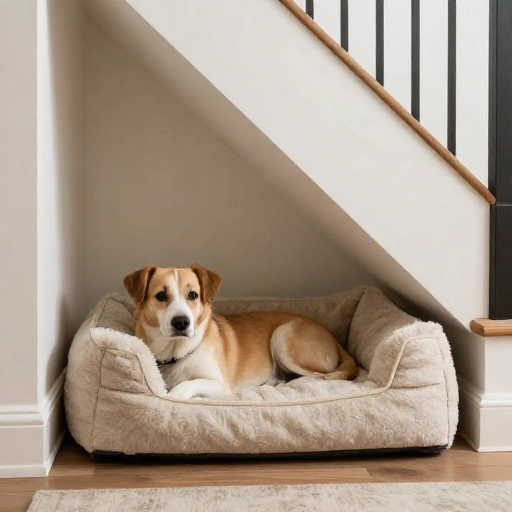
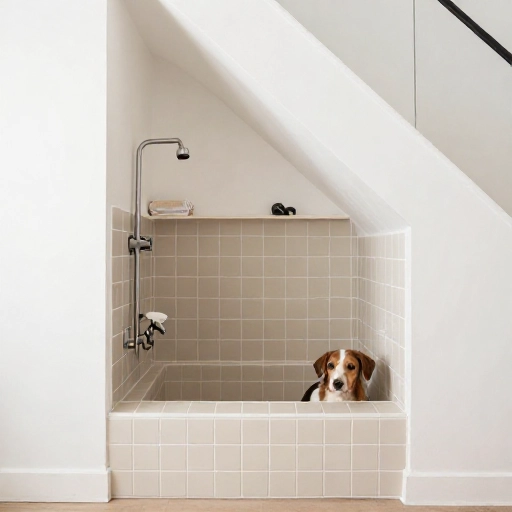
Under-stair spaces and deep closets are wasted square footage in most homes. With a little planning, they become a compact, hidden grooming nook that disappears when you close the door.
I lined the floor with waterproof vinyl peel-and-stick tiles and added a shallow plastic basin that sits on top. Water access came from a nearby utility sink, but a hose adapter on a laundry faucet works just as well. For drainage, I use a bucket with a lid and empty it right after each bath.
Lighting is the biggest challenge in a closet, so I mounted a rechargeable LED bar on the wall and a second one on a flexible arm for close work. I also added a small vent or leave the door open for twenty minutes after a bath to prevent moisture and that damp-dog smell from settling in.
One tip: keep the nook for grooming only. The moment it becomes general storage, you’ll never want to use it.
10. Backyard Wash Pad on Concrete or Pavers
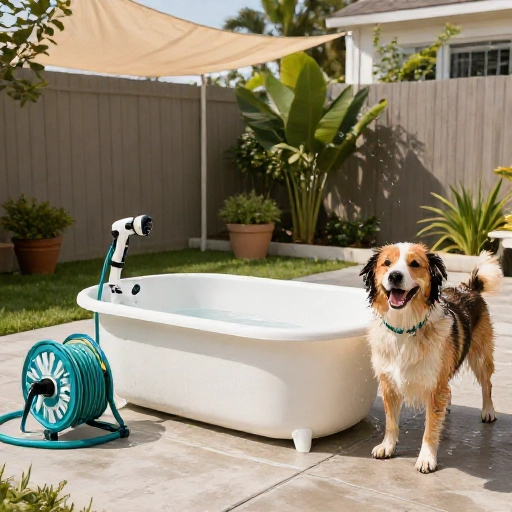
My current favorite setup for summer is a simple wash pad in the backyard. I picked a corner near a spigot and a gate, poured a small level pad, and set a tub on it. No mud, no slipping, no staining the lawn with shampoo.
I use a raised tub with a drain hose that empties toward a gravel strip, plus a hose splitter so I can run a sprayer and a rinse bucket at the same time. A shade sail overhead keeps the area cool, and a hook on the fence holds the leash so my dog can’t wander mid-bath.
- Choose a spot with good drainage and easy hose access
- Add pavers or a rubber mat around the tub for grip
- Keep a covered bin nearby for towels, brushes, and a first-aid kit
- Wash in the morning or evening — never on hot pavement in the afternoon
The best part is that cleanup takes two minutes. I spray the pad down, hang the towels on the fence, and we’re done.
My Take After Trying All of These
After years of trial and error, I’ve learned that the perfect grooming setup isn’t the fanciest one. It’s the one you’ll actually use every few weeks without dreading it.
Start with what you have. A bathtub, a hose, and two good towels cover most dogs. Then add one improvement at a time: a non-slip mat, a better sprayer, a raised surface, a place to store everything. Small upgrades stack up quickly.
The other thing I’d tell anyone: keep sessions short and end on a good note. A treat, a towel rub, and a calm voice do more for your dog’s cooperation than any piece of equipment ever will.
FAQ
How big should a dog grooming area be?
Enough room for your dog to stand, turn slightly, and lie down if needed. For most medium dogs, a three-by-four-foot area works well. Bigger dogs need more space around the tub so you can move without stepping over them.
What flooring is best for a home grooming station?
Something waterproof and textured. Rubber interlocking tiles, sealed vinyl, and non-slip mats are my top picks. Bare concrete is slippery when wet, and bare wood will warp over time.
Do I need a grooming table, or can I skip it?
You can skip it for bathing, but it’s worth having for brushing, nail trims, and drying. A folding table with a loop saves your back and keeps your dog from wandering off mid-trim.
How do I keep water and hair from clogging my drains?
Use a hair trap in the tub or sink and empty it after every bath. Rinsing your dog outside first to remove loose hair also makes a big difference before you go indoors.
How often should I bathe my dog at home?
Most dogs do well with a bath every four to eight weeks, depending on coat type and how much time they spend outside. Double-coated breeds often need less frequent baths but more brushing. Ask your vet if your dog has skin issues.