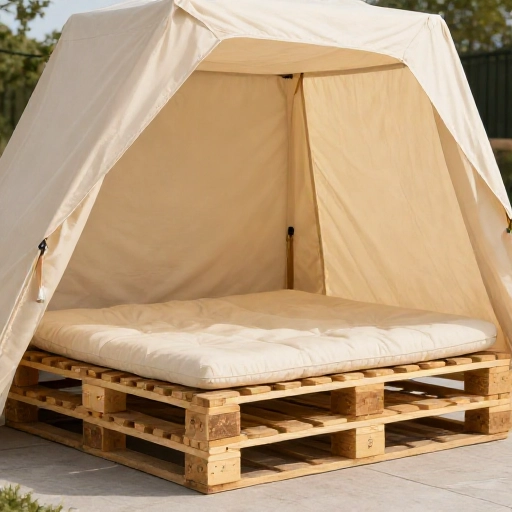
12 Genius Small Backyard Dog Area Ideas That Feel Like a Private Dog Park
I used to stare at my tiny city yard and think there was no way it could ever work for an energetic dog. Then I stopped trying to copy big suburban yards and started treating every square foot as a puzzle piece. The result? A compact dog zone my pup runs to every single morning.
What I learned is that small spaces don’t limit your dog’s happiness — they just force you to get clever. Vertical features, multi-use surfaces, and hidden storage make a tiny yard feel huge. Here are 12 features I’ve tested, loved, and would absolutely build again.
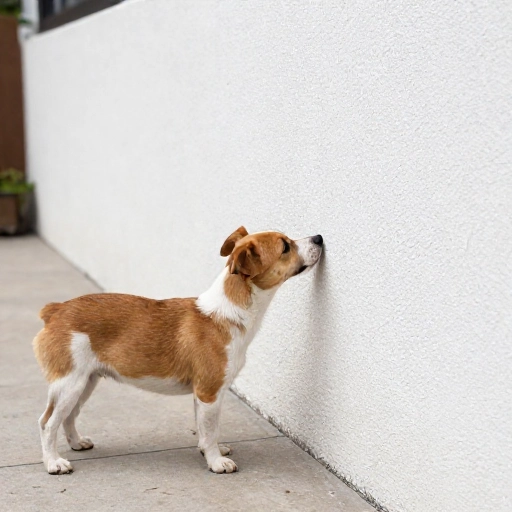
1. Vertical Sniffing Wall for Tiny Noses
I used to think enrichment meant more floor space, but a vertical sniffing wall changed that completely. You build a wooden frame or mesh panel against the fence and stuff it with dog-safe plants, textured brushes, fleece strips, and small treat pockets.
Your dog explores every inch with their nose instead of running laps they don’t have room for. It tires them out mentally in minutes. Best part? It takes up zero ground space.
I swap the hidden treats every few days so the wall never gets predictable. Even my couch potato dog gets excited now.
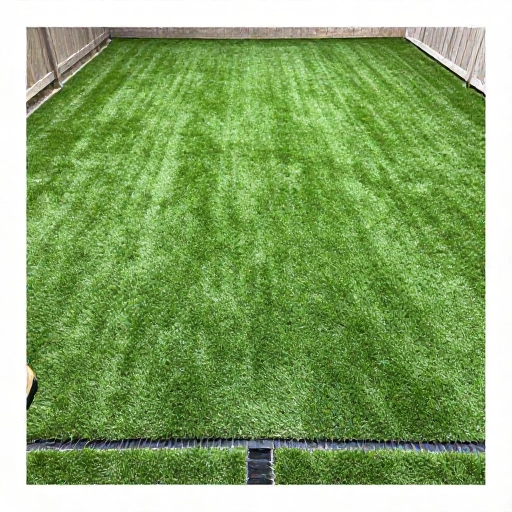
2. Artificial Turf with Real Drainage Underneath
Real grass in a small dog yard turns into a mud pit after one rainy week. That’s why I switched to high-quality artificial turf with a slight slope and a drainage layer of gravel and sand underneath.
You can hose it down daily, and it drains fast — no more muddy paw prints on the living room rug. I added a border of smooth river rocks to keep the edges tidy and give my dog a cool spot to lie on.
If you go this route, don’t skip the drainage. A soggy turf mat is worse than dead grass.
3. Raised Lounging Deck with a Ramp
Dogs love to climb and watch the world from a higher spot. A small raised wooden platform or deck gives your pup a sunny perch for naps and a better view over the fence.
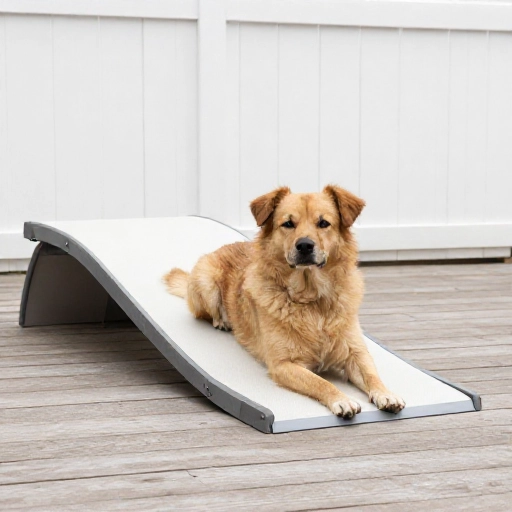
I built mine from two sanded pallets and added a non-slip ramp on one side so my senior dog can still get up. It uses vertical space and keeps them off wet or hot ground in summer.
Now my dog spends half the afternoon up there, supervising the neighborhood like a tiny furry lifeguard.
4. Hidden Dig Pit That Doubles as a Sandbox
Some dogs just need to dig. Instead of fighting it, I gave my corgi a dedicated sandbox dig pit tucked into the corner of the yard. He now ignores my flower beds completely.
I bury toys and a handful of kibble in the sand every morning. Then I cover the pit with a simple wooden lid at night to keep neighborhood cats out. It works like magic.
The lid also doubles as a small bench when I need extra seating. Win-win.
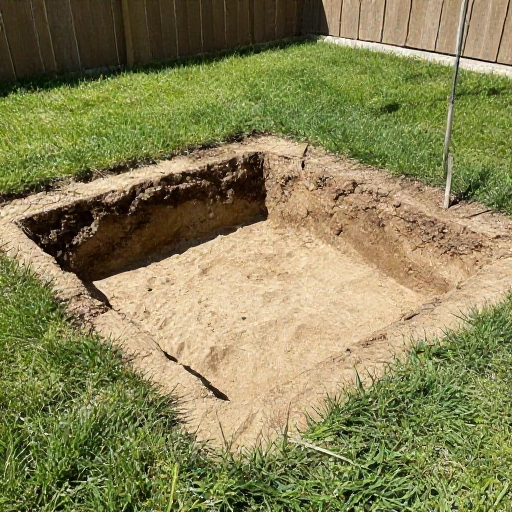
5. Splash Pad or Shallow Dog Pond
On hot days, nothing beats a cool water feature. I buried a shallow plastic basin and added a tiny recirculating fountain pump. My dog stands in it, drinks from the moving water, and cools his belly.
You can also use a large kiddie pool with a few river rocks at the bottom for grip. Just keep the water shallow and safe, and refresh it every couple of days to avoid algae.
I swear my dog now runs to the splash pad before he even checks his food bowl in summer.
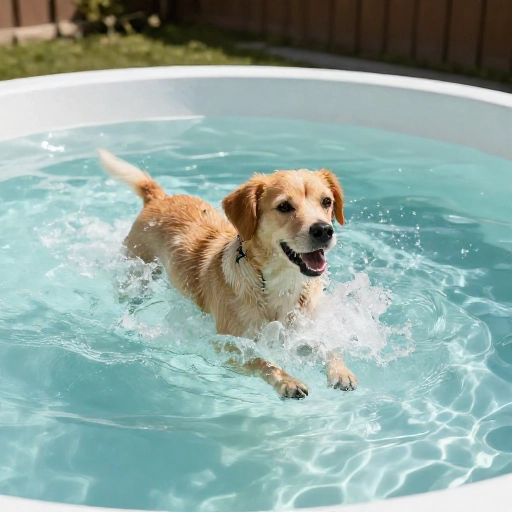
6. Shade Sail or Mini Pergola with Side Curtains
Small yards often bake in direct sun, leaving your dog with nowhere cool to lie. I strung a triangular shade sail across the fence, and the temperature dropped almost ten degrees underneath.
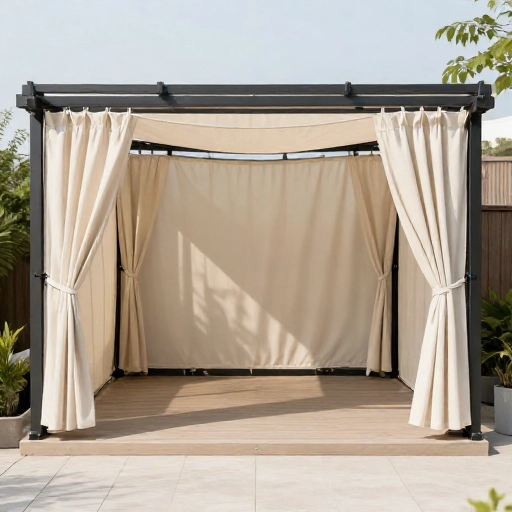
If you want more protection, add a small pergola with removable side curtains for rainy days. It doubles as a cozy outdoor seating nook for you, too.
My dog now prefers the shaded corner over the back door, which means less panting and more napping.
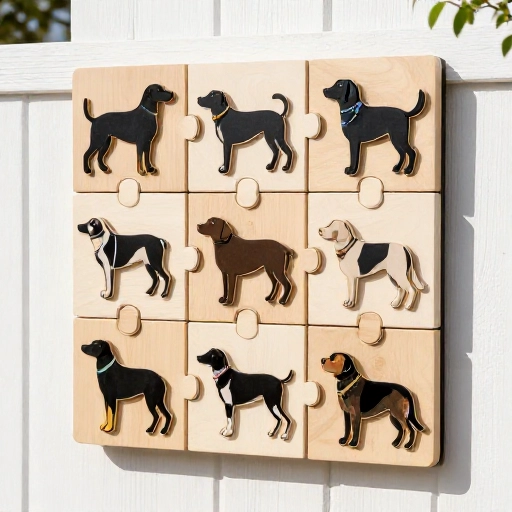
7. Treat Puzzle Wall You Can Mount
Mental stimulation matters just as much as physical exercise, especially for high-drive dogs in small spaces. I mounted a few treat-dispensing toys and snuffle mats onto a wooden board attached to the fence.
Your dog has to nudge, lick, pull, and paw to get kibble out, which burns a surprising amount of energy. I rotate the puzzles weekly so the challenge never gets stale.
This single feature keeps my dog calm on rainy days when we can’t go for long walks.
8. Mini Agility Course Built into the Fence Line
You don’t need a big yard for agility training. I attached a collapsible tunnel, a small adjustable jump, and a set of weave poles along the fence line so they fold flat when not in use.
Ten minutes of agility work is like a mile walk for most dogs. It builds confidence, burns energy, and strengthens your bond.
I fold everything down in seconds, so the yard still feels open for lounging or fetch.
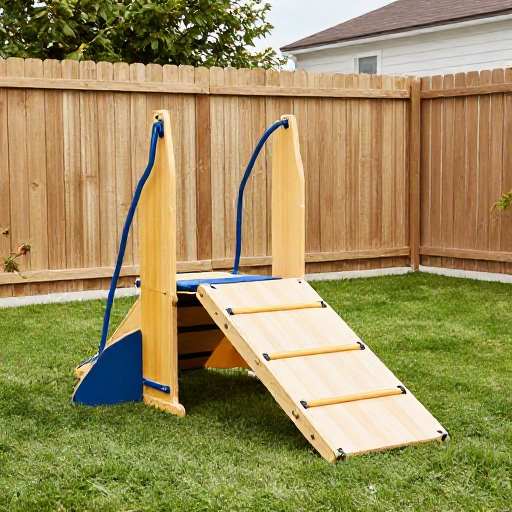
9. Smart Doggy Door with a Sensor
If your dog has free access to the yard, a smart dog door that opens only for your pet is a game changer. It keeps stray animals out, controls temperature loss, and lets you monitor comings and goings from your phone.
I paired mine with a small outdoor camera so I can check on my pup during work hours. No more guessing if he’s safely inside.
The sensor is small and attaches to my dog’s collar, so the door only unlocks when he’s within a few feet. It’s peace of mind in a tiny package.
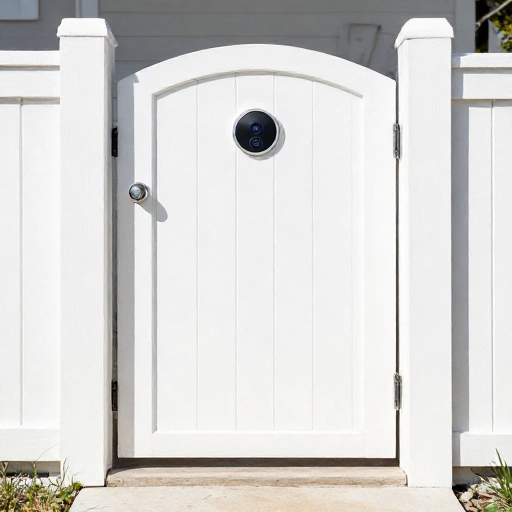
10. Paved Perimeter Track for Laps
Dogs naturally patrol the fence line. I laid a narrow gravel and paver path around the yard’s edge to give my dog a defined route for running laps without destroying the grass or garden beds.
I added a slight raised step and one curved corner to make the loop more interesting. Now my dog does zoomies along the track instead of trampling my herbs.
It also keeps his nails naturally filed down, which is a bonus I didn’t expect.
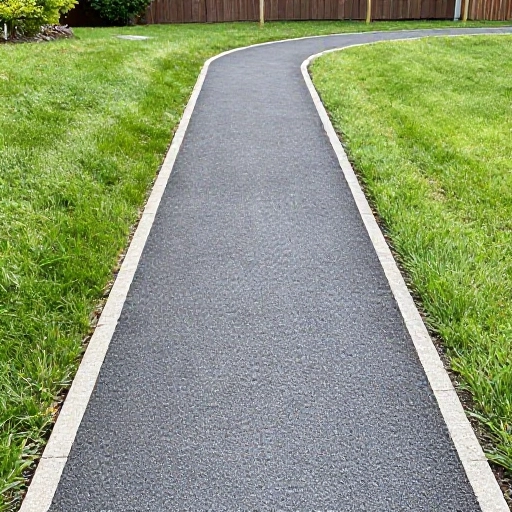
11. Dog-Safe Scent Garden Corner
Dogs explore the world through smell, so planting a small corner with dog-safe herbs like rosemary, basil, lavender, and lemon balm creates a sensory heaven. I use a raised bed so my dog can sniff without trampling the plants.
Avoid toxic plants like onions, garlic, azaleas, and foxglove. I also hide a few treats under the leaves each morning for a fun scavenger hunt.
Now my dog checks the scent garden first thing every day, tail wagging like crazy.
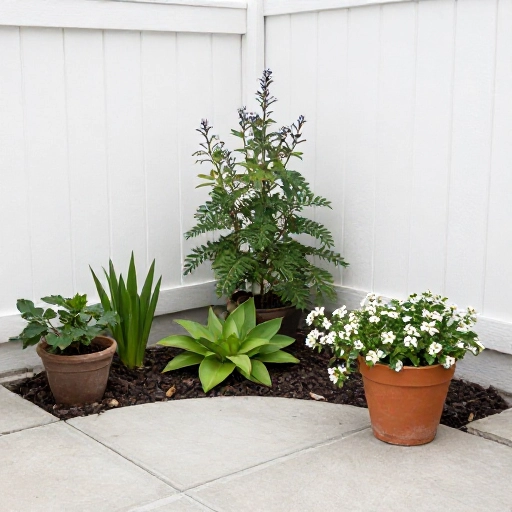
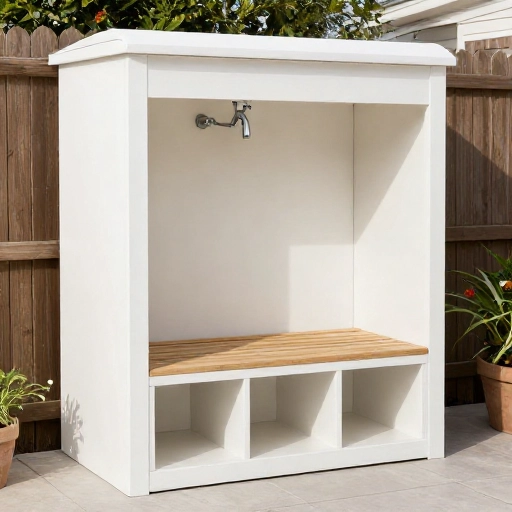
12. Built-In Wash Station and Toy Storage Bench
Muddy paws happen, especially after a rain. A simple outdoor shower head or hose bib with a raised wash platform keeps the mess outside where it belongs.
Right next to it, I built a small waterproof storage bench for leashes, toys, towels, and treats. Everything is within arm’s reach when we head out or come back inside.
Cleanup now takes two minutes, which means I actually let my dog play dirty instead of hovering over him.
Conclusion
You don’t need a huge yard to give your dog an amazing life. You just need to think vertically, use every corner, and add a few clever features that match your dog’s personality. Whether it’s a sniffing wall, a dig pit, or a splash pad, even a tiny patio can become a private dog oasis.
Start with one or two ideas that fit your budget and space, then build from there. Your dog will thank you with zoomies, happy sighs, and that look of pure joy every time they step outside.
Frequently Asked Questions
1. What’s the best ground cover for a small dog yard?
Artificial turf with proper drainage is my top pick because it stays clean and rinses easily. Pea gravel works well too, but only if your dog doesn’t eat rocks. Avoid plain dirt or mulch that turns muddy.
2. How do I stop a small yard from smelling like dog pee?
Use artificial turf with drainage and rinse it daily with water. For stubborn spots, use an enzyme cleaner made for pet odors. A designated gravel potty area also helps contain the smell.
3. Can I create a dog area on a tiny apartment patio?
Absolutely! Vertical features like a sniffing wall, a foldable agility set, and a small splash pad work wonders. Just make sure the balcony is safely enclosed and your dog has shade and water.
4. What plants are safe for a dog scent garden?
Rosemary, basil, lavender, lemon balm, and mint (in small amounts) are great. Avoid onions, garlic, chives, azaleas, and foxglove. Always double-check the ASPCA toxic plant list before planting.
5. How much does it cost to build a small dog area?
You can start for under $200 using pallets, sand, a kiddie pool, and some DIY snuffle mats. Adding high-end turf, smart doors, or a custom pergola will raise the budget, but most features can be done in stages.