Easy Raw Chicken Cat Food Recipe (My Cats Beg for This)
I used to stand in the pet food aisle wondering if the expensive cans were actually worth it. After my cat struggled with digestion issues for months, I decided to take matters into my own hands. This raw chicken cat food recipe completely changed his health — and my wallet.
Raw feeding sounds intimidating, but I promise it’s simpler than cooking a proper meal for yourself. You don’t need fancy equipment or exotic ingredients. Just fresh chicken, a few supplements, and about ten minutes of your time. My picky eater now cleans his bowl every single time.
Before we dive in, check with your vet before switching to raw food. Every cat is different, and some health conditions need special adjustments. This recipe follows AAFCO guidelines for adult cats and has worked beautifully for my two rescues.
Equipment You’ll Need
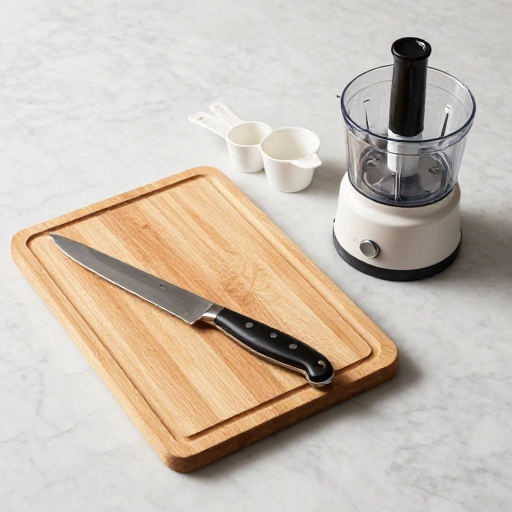
Don’t overthink the gear. Here’s exactly what I use:
- A sharp chef’s knife or kitchen shears
- Cutting board (dedicated to raw meat)
- Large mixing bowl
- Food scale (optional but helpful)
- Freezer-safe containers or ice cube trays
- Gloves (optional, keeps hands clean)
That’s it. No meat grinder required, though you can use one if you want a smoother texture. I prefer hand-chopping because it gives the food a more natural, chunky feel that cats seem to enjoy.
Ingredients
This recipe makes about one week’s worth of food for an average 10-pound cat. Adjust portions based on your cat’s weight and activity level.
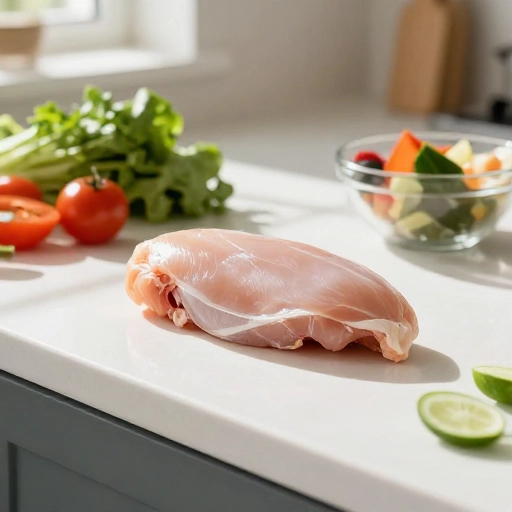
- 2 pounds boneless, skinless chicken thighs (organic if possible)
- 2 ounces chicken liver (from the same chicken source)
- 1/4 teaspoon taurine powder (essential — don’t skip)
- 1/4 teaspoon vitamin E oil (or one 400 IU capsule)
- 1/2 teaspoon psyllium husk powder (for fiber)
- 1/4 cup filtered water
- 1/2 teaspoon salmon oil (optional, for omega-3s)
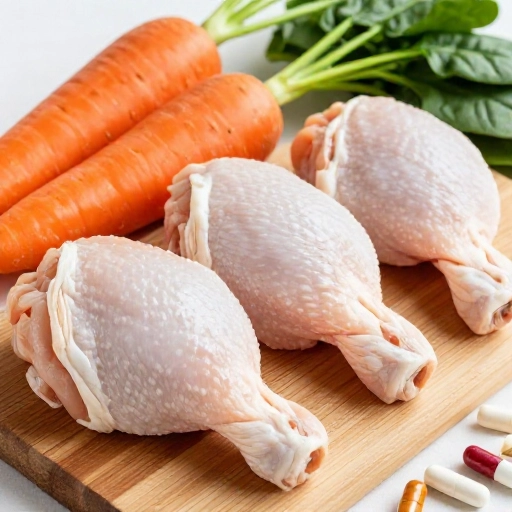
Chicken thighs have more fat and nutrients than breast meat, which cats need for energy. The liver provides natural vitamin A and B vitamins. Taurine is non-negotiable — cats cannot produce it themselves and will get sick without it.
How to Make It
Step 1: Rinse the chicken thighs and pat them dry. Trim off any large chunks of fat, but leave most of it — cats thrive on animal fat.
Step 2: Cut the chicken into small, bite-sized pieces. I aim for cubes about 1/2 inch. The smaller the pieces, the easier they are for your cat to chew. If your cat is older or has dental issues, pulse the meat in a food processor instead.
Step 3: Finely chop the chicken liver. It’s soft and blends in easily. Mix it thoroughly with the chopped thigh meat.
Step 4: In a small bowl, combine the taurine powder, vitamin E, psyllium husk, and water. Stir until everything dissolves into a thick paste. Pour this over the meat mixture.
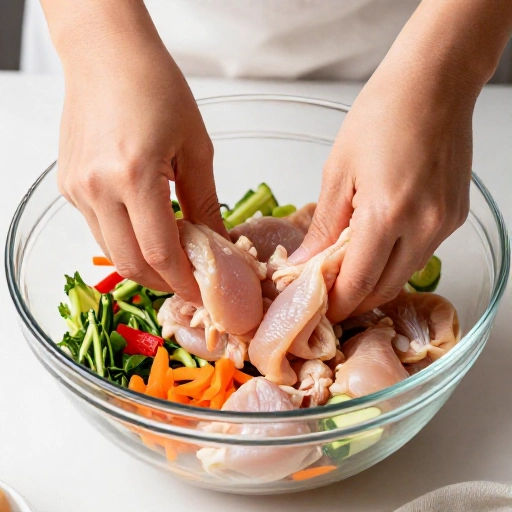
Step 5: Add the salmon oil if using. Use your hands (gloves on) or a spoon to mix everything together really well. The supplements need to coat every piece of meat evenly.
Step 6: Portion the food into your containers. I use silicone ice cube trays — each cube is about one meal. Freeze immediately. Thaw in the refrigerator overnight before serving.
Why This Recipe Works
I tried several raw recipes before landing on this one. Some were too complicated with ten supplements. Others used ground meat that turned into slime. This version keeps things simple while hitting all the nutritional marks.
The chicken thighs provide the right balance of protein and fat. Liver adds natural vitamins without needing synthetic powders. Taurine supplementation is the only non-negotiable addition — without it, cats develop heart problems. The psyllium husk helps with stool consistency, which can be loose when switching to raw.
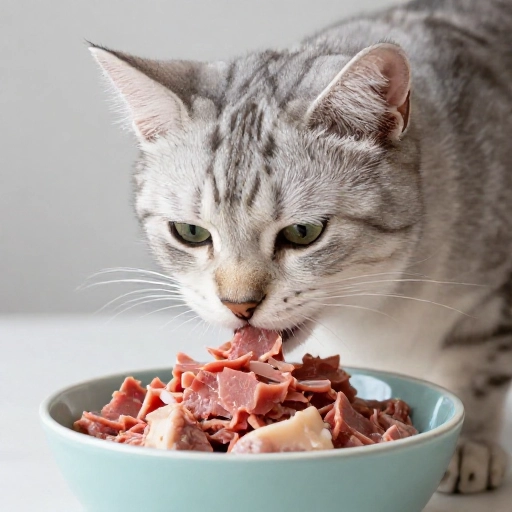
My cat’s fur got shinier within two weeks. His litter box odor decreased noticeably. And he stopped vomiting hairballs almost entirely. The difference was dramatic enough that my skeptical husband now calls it “the fancy cat food.”
Conclusion
Making raw cat food at home doesn’t have to be a science project. This chicken recipe takes ten minutes of active work and saves me money compared to premium canned food. My cats act like it’s a treat every single time they eat it.
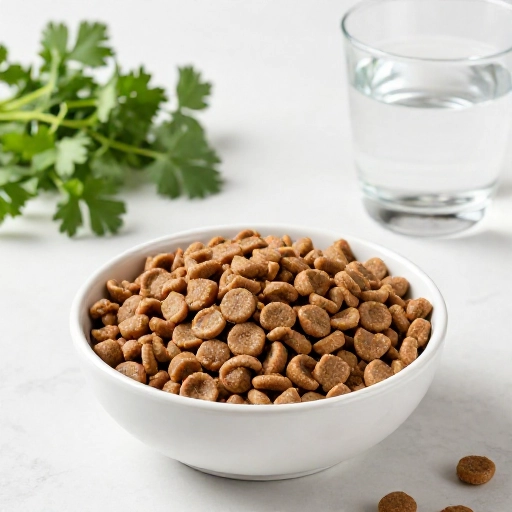
Start slow if your cat is used to kibble. Mix a small amount of raw food with their current diet and gradually increase over a week. Some cats need time to adjust to the texture and taste. Be patient — most come around once they realize how good real meat tastes.
Store any thawed food in the fridge for up to three days. Never refreeze raw meat after it’s been thawed. And always wash your hands and surfaces thoroughly after handling raw chicken.
Frequently Asked Questions
1. Can I use chicken breast instead of thighs?
Yes, but add a teaspoon of chicken fat or coconut oil for moisture. Breast meat is too lean for cats long-term.
2. How much should I feed my cat per day?
Most adult cats need 2-3% of their body weight daily. A 10-pound cat eats about 3-4 ounces per day, split into two meals.
3. Can I skip the liver?
Liver provides essential vitamin A and B vitamins. If your cat hates it, try beef or pork liver instead. Don’t omit it entirely.
4. How long does this last in the freezer?
Properly stored in airtight containers, it stays good for up to three months. I make a month’s batch at a time.
5. My cat refuses to eat it. What should I do?
Warm the food slightly in a bowl of warm water (never microwave). You can also mash a tiny bit of sardine into it for extra smell appeal.