8 Homemade Cat Food Tips & Ideas
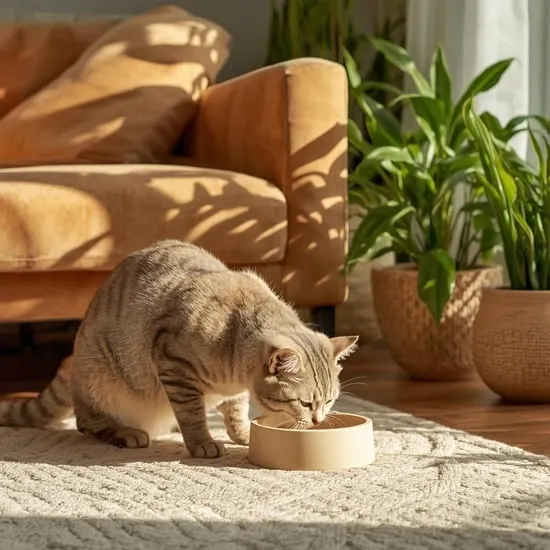
I used to stare at the ingredient list on my cat’s food bag and feel a little uneasy. Preservatives, vague “meat by-products,” and a whole lot of things I couldn’t pronounce. One afternoon, I decided to take the plunge and try making her dinner from scratch. It was simpler than I thought, and she went absolutely wild for it.
If you’re curious about homemade cat food but don’t know where to start, you’re in the right place. I’m sharing my best tips and favorite ideas to make the process easy, safe, and maybe even a little fun. Let’s get cooking for your furry friend.
Equipment You’ll Need
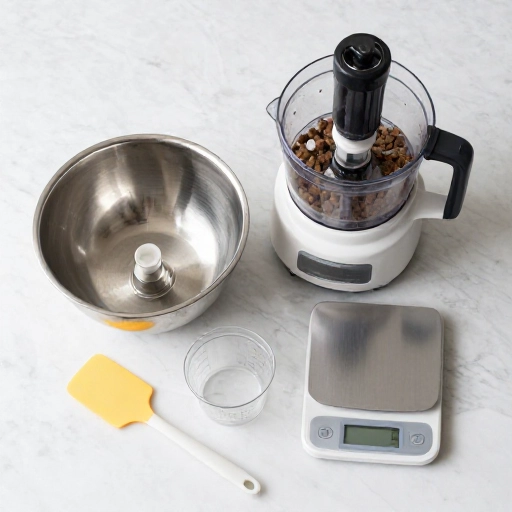
You don’t need a fancy kitchen setup for this. A good cutting board, a sharp knife, and a medium pot are your main tools. I also use a small kitchen scale to measure ingredients accurately—cats need precise portions to stay healthy.
A food processor or blender is helpful for mixing everything into a smooth, cat-friendly texture. If you’re making larger batches, grab some freezer-safe containers or silicone muffin trays for easy portioning.
Key Ingredients for Balanced Meals
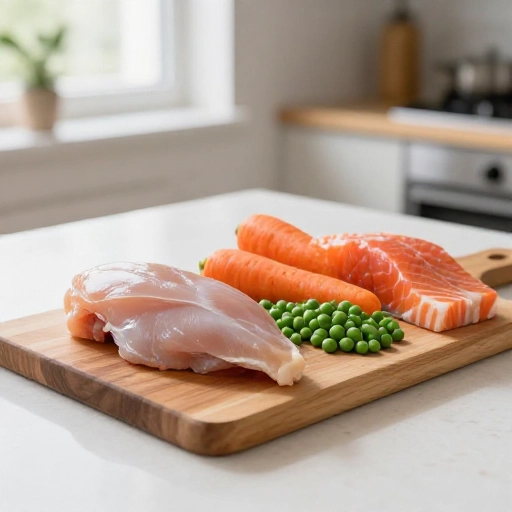
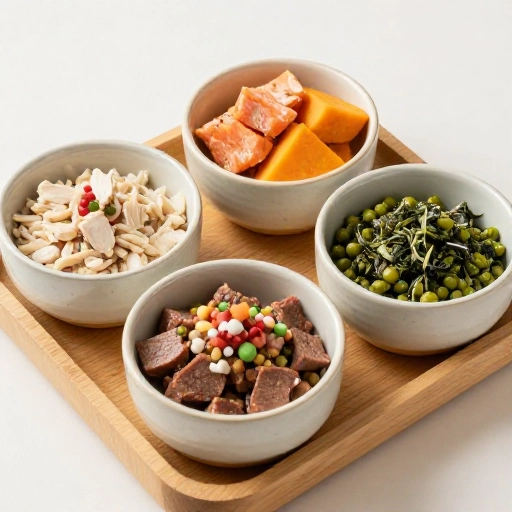
Cats are obligate carnivores, which means meat is non-negotiable. Chicken thighs, turkey, and lean beef are my go-tos. I always include organ meat like chicken liver or heart—it’s packed with taurine, which cats need for heart and eye health.
Don’t forget a source of calcium. I use plain, powdered eggshells (just grind them up) or a pet-safe supplement. A little cooked rice or pumpkin can add fiber, but keep grains minimal. Always add a few drops of fish oil for healthy skin and a shiny coat.
How to Make Easy Chicken Cat Food
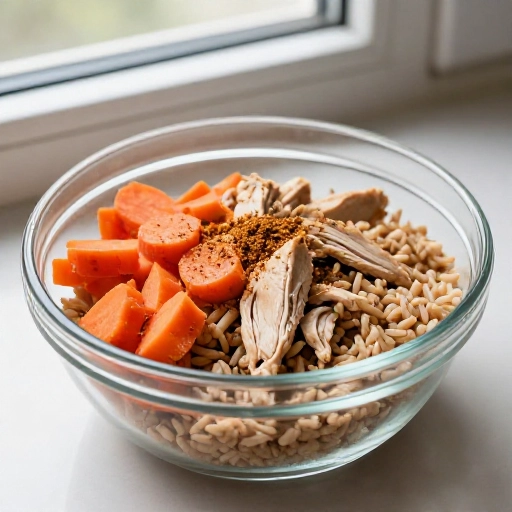
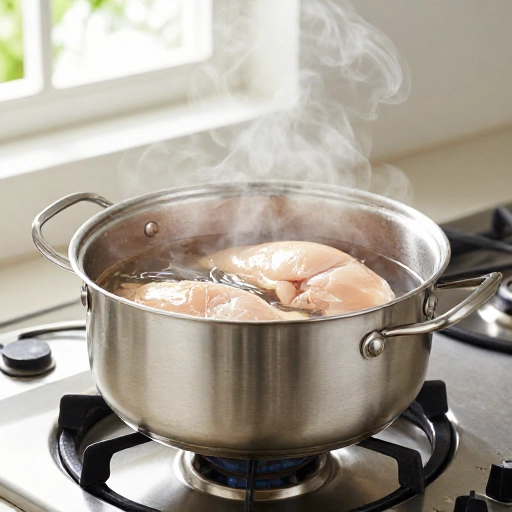
This is the recipe I started with, and it’s still my cat’s favorite. Boil two boneless, skinless chicken thighs until fully cooked. Let them cool, then shred or chop into tiny pieces. Reserve about a quarter cup of the cooking water.
In a bowl, mix the shredded chicken with one tablespoon of finely grated chicken liver (cooked), half a teaspoon of ground eggshell powder, and a splash of fish oil. Add the reserved water to make it moist and stir well. That’s it—simple, fresh, and balanced.
Why Homemade Beats Store-Bought
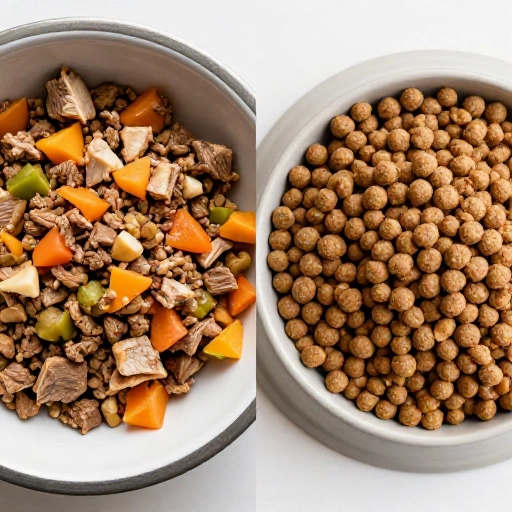
I noticed a real change after just one week on homemade food. My cat’s coat got softer, her energy levels evened out, and she stopped leaving half her kibble in the bowl. You control exactly what goes in—no fillers, no mystery ingredients.
Plus, it’s oddly satisfying to watch her clean her plate and know I made it myself. It feels like a small act of love, and she definitely appreciates it.
5 Easy Homemade Cat Food Ideas
1. Tuna & Sweet Potato Mash: Mix canned tuna in water (drained) with a little mashed cooked sweet potato. Great for picky eaters.
2. Turkey & Pumpkin Bowl: Ground turkey browned with a spoonful of plain pumpkin puree. High in fiber and gentle on tummies.
3. Beef & Carrot Stew: Simmer lean beef chunks with finely diced carrots until soft. Add a pinch of taurine supplement.
4. Salmon & Spinach Bites: Flake cooked salmon and mix with steamed, chopped spinach. Serve as a treat or meal topper.
5. Chicken Liver Pâté: Blend cooked chicken liver with a little bone broth until creamy. Perfect for cats who love wet food.
Important Safety Tips
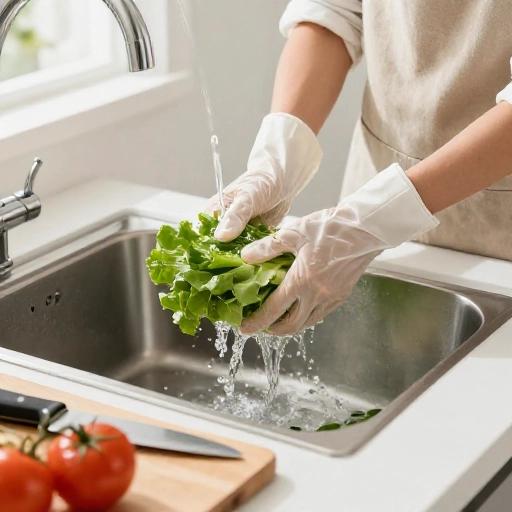
Always consult your vet before switching to homemade food, especially if your cat has health issues. Never use raw meat unless you’re following a vet-approved raw diet. Cook all proteins thoroughly to avoid bacteria.
Keep meals balanced over time, not just per serving. Rotate proteins and add supplements as needed. Store leftovers in the fridge for up to three days or freeze for up to a month. And never add salt, garlic, or onion—they’re toxic to cats.
Conclusion
Making homemade cat food has been a game-changer for me and my kitty. It takes a little planning, but the payoff is huge—a happier, healthier cat and peace of mind. Start with one simple recipe, see how your cat reacts, and go from there. Your cat will thank you with purrs.
FAQ
1. Is homemade cat food cheaper than store-bought?
It can be, especially if you buy meat in bulk and use simple ingredients. But supplements and variety add up, so it’s usually comparable.
2. How much homemade food should I feed my cat per day?
Most adult cats need about 4 to 6 ounces of food per day, split into two meals. Adjust based on your cat’s size, age, and activity level.
3. Can I feed my cat only homemade food?
Yes, but only if it’s nutritionally complete. You’ll need to include supplements like taurine and calcium, and work with your vet to ensure balance.
4. What if my cat refuses homemade food?
Start by mixing a small amount with their usual food, then gradually increase. Warming the food slightly can also make it more appealing.
5. Do I need to add supplements to homemade cat food?
Absolutely. Homemade meals lack some essential nutrients cats need, especially taurine. A pet-safe supplement or organ meat helps fill the gaps.