8 High-Protein Cat Food Recipes Your Kitty Will Actually Love
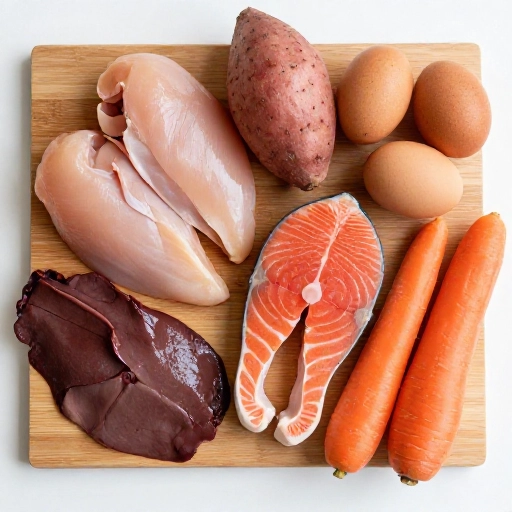
Let’s be honest—our cats are basically tiny furry royalty. And just like us, they feel their best when they eat real, wholesome food. I started making homemade cat food when my picky tabby turned her nose up at every expensive can on the shelf. Turns out, she just wanted the good stuff: real meat, no fillers.
These eight high-protein recipes are simple, affordable, and packed with the nutrients your cat craves. Whether you’re dealing with a finicky eater or just want to spoil your feline friend, these dishes will have them purring at mealtime. Plus, you’ll know exactly what’s going into their bowl—no mystery ingredients allowed.
I’ve tested every single one of these with my own cats, and I promise: they work. Let’s get cooking!
Why High-Protein Food Matters for Cats
Cats are obligate carnivores—that’s a fancy way of saying their bodies are built to run on meat. Protein gives them energy, keeps their coats shiny, and supports strong muscles. Unlike us, they don’t need carbs. In fact, too many fillers can lead to weight gain and sluggishness.
When I switched my cats to high-protein meals, I noticed a huge difference: more playful afternoons, softer fur, and way fewer hairballs. These recipes focus on real animal protein like chicken, turkey, fish, and beef. No grains, no weird additives—just pure, meaty goodness.
Before you start, remember: always check with your vet before changing your cat’s diet, especially if they have health issues. Every cat is different, and balance matters.
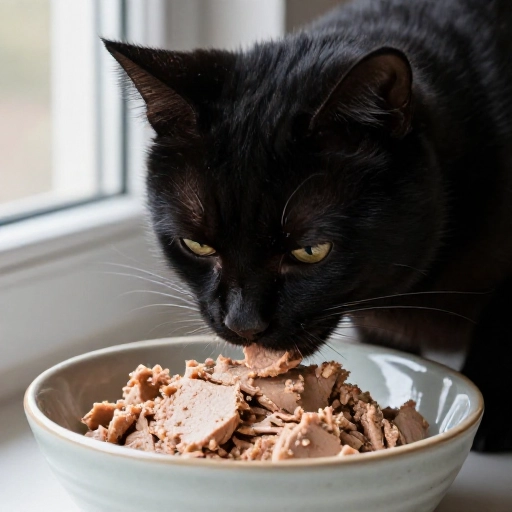
What You’ll Need to Get Started
You don’t need fancy equipment for these recipes. Most of what I use is already in my kitchen. Here’s the short list:
- A good blender or food processor (for smooth pâtés)
- A medium saucepan and skillet
- Mixing bowls and a sturdy spoon
- Small glass jars or silicone molds for storage
- A kitchen scale (optional but helpful for portioning)
That’s it! No special gadgets required. I keep things simple so you can whip up a batch in under 30 minutes. Most recipes make about a week’s worth of food for one cat, so you’re not stuck in the kitchen every day.
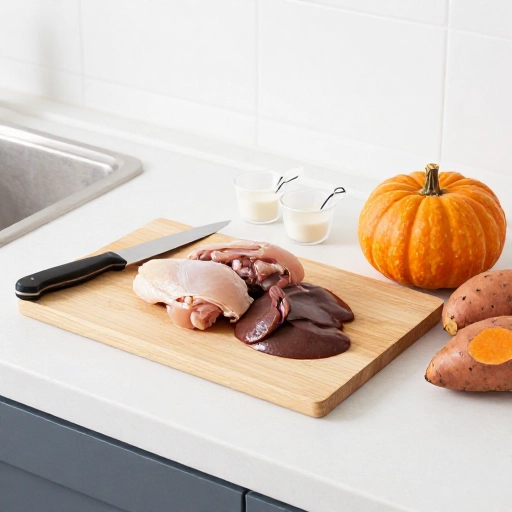
Recipe 1: Simple Chicken & Liver Pâté
Ingredients:
- 1 pound boneless, skinless chicken thighs
- 2 ounces chicken liver (rinsed and trimmed)
- 1/4 cup water or low-sodium chicken broth
- 1/2 teaspoon taurine powder (optional, but recommended)
How to Make:
Place the chicken thighs and liver in a saucepan with the water. Cover and simmer on low heat for 15–20 minutes, until the chicken is fully cooked and tender. Let it cool slightly. Transfer everything to your blender or food processor, including the cooking liquid. Blend until smooth and creamy. Stir in the taurine powder if using. Let cool completely before serving. Store in the fridge for up to 5 days, or freeze in small portions.
This pâté is a huge hit with my cats. The liver adds natural vitamins, but don’t overdo it—too much can upset their stomachs.
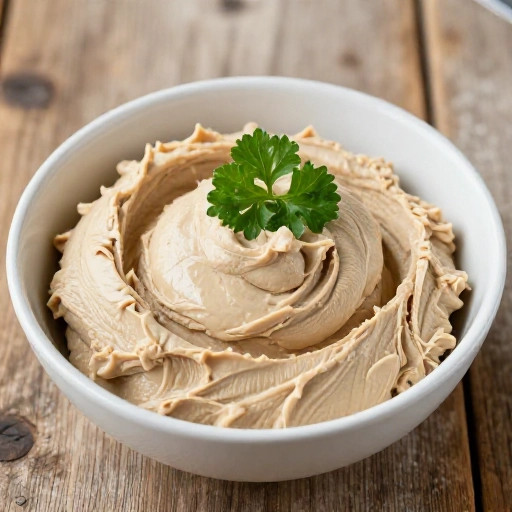
Recipe 2: Tuna & Pumpkin Delight
Ingredients:
- 1 can (5 oz) wild-caught tuna in water, drained
- 1/4 cup plain canned pumpkin (not pie filling)
- 1 tablespoon olive oil or fish oil
- 1/4 teaspoon taurine powder
How to Make:
Flake the tuna into a bowl. Add the pumpkin, oil, and taurine. Mix well with a fork until everything is combined. You can leave it chunky or mash it smoother depending on your cat’s preference. Serve immediately or refrigerate for up to 3 days. This one is perfect for cats who love seafood—just don’t feed it more than twice a week because of the mercury in tuna.
Pumpkin is great for digestion, and my cats go absolutely wild for this combo. It’s a no-cook recipe, which I love on busy days.
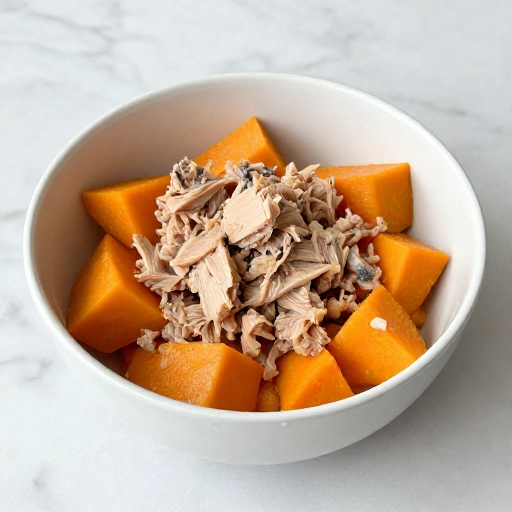
Recipe 3: Turkey & Sweet Potato Stew
Ingredients:
- 1/2 pound ground turkey
- 1/4 cup cooked, mashed sweet potato
- 1/4 cup water
- 1 teaspoon coconut oil
How to Make:
In a skillet over medium heat, cook the ground turkey until no longer pink, breaking it up with a spoon. Add the water and mashed sweet potato. Stir well and let it simmer for 2 minutes. Remove from heat and mix in the coconut oil until melted. Let cool to room temperature before serving. This stew has a nice texture that even older cats with dental issues can enjoy.
Sweet potato adds a tiny bit of fiber, but remember—cats don’t need many carbs. A little goes a long way here.
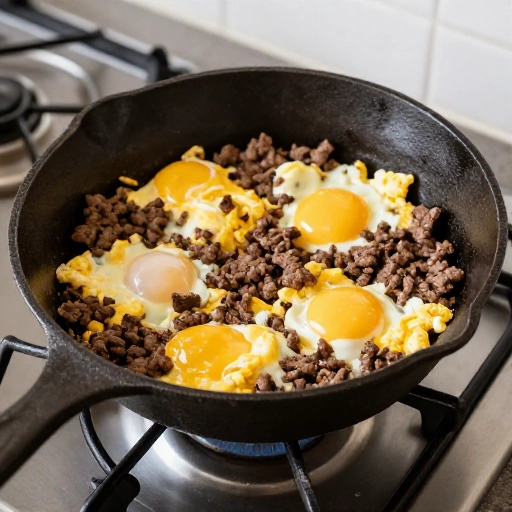
Recipe 4: Beef & Egg Scramble
Ingredients:
- 1/4 pound lean ground beef
- 1 large egg
- 1 tablespoon water
How to Make:
Brown the ground beef in a skillet over medium heat, draining any excess fat. In a small bowl, whisk the egg with the water. Pour the egg over the cooked beef and stir gently until the egg is fully cooked and scrambled. Let cool before serving. This is a quick, protein-packed meal that’s ready in under 10 minutes. Perfect for when you’re short on time but want to give your cat something special.
Beef is rich in iron, and eggs are a complete protein source. Just make sure the egg is fully cooked—raw egg whites can interfere with biotin absorption in cats.
Recipe 5: Salmon & Sardine Mash
Ingredients:
- 1/2 can (about 3 oz) boneless, skinless salmon
- 2 sardines packed in water (no salt added)
- 1 tablespoon plain yogurt (optional)
How to Make:
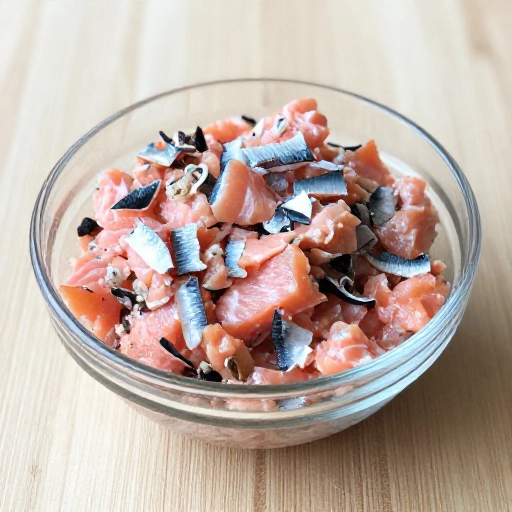
Drain the salmon and sardines. Place them in a bowl and mash with a fork until well combined. If you’re using yogurt, stir it in for a creamier texture. Serve as is or warm slightly in the microwave for 10 seconds. This recipe is bursting with omega-3 fatty acids, which are amazing for your cat’s skin and coat.
Be mindful of the strong smell—your cat will love it, but your kitchen might smell fishy for a bit! Feed this one in moderation due to the high fat content.
Recipe 6: Chicken & Carrot Bites
Ingredients:
- 1/2 pound boneless, skinless chicken breast
- 1 small carrot, peeled and grated
- 1/4 cup water
How to Make:
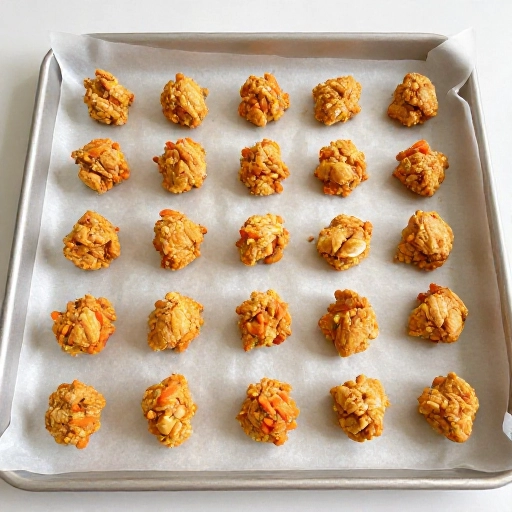
Place the chicken breast in a saucepan with water. Cover and simmer for 15 minutes until cooked through. Remove the chicken and shred it finely with two forks. Mix the shredded chicken with the grated carrot. Add a tablespoon of the cooking liquid if you want it more moist. Let cool completely. These bites are great for training treats or as a topper on regular food.
Carrots add a tiny bit of crunch and vitamins, but don’t expect your cat to eat them like a bunny. Most cats pick around the carrot, so I grate it very finely.
Recipe 7: Pork & Blueberry Bowl
Ingredients:
- 1/4 pound ground pork (lean)
- 2 tablespoons fresh or frozen blueberries
- 2 tablespoons water
How to Make:
Cook the ground pork in a skillet until browned, draining any fat. Add the blueberries and water, then mash the berries slightly with the back of a spoon. Stir everything together and let it simmer for 2 minutes. Cool before serving. Blueberries are packed with antioxidants, and pork is a tasty alternative to chicken or fish.
This one surprised me—I thought my cats would ignore the berries, but they licked the bowl clean. Just don’t use canned blueberries in syrup; stick to fresh or frozen with no added sugar.
[[IMG:IMG10]]
Recipe 8: Lamb & Rice Comfort Bowl
Ingredients:
- 1/4 pound ground lamb
- 2 tablespoons cooked white rice
- 1/4 cup water
How to Make:
Brown the lamb in a skillet, draining excess fat. Add the cooked rice and water, stirring to combine. Simmer for 3 minutes, then remove from heat. Let cool to room temperature. This is a gentle recipe that’s great for cats with sensitive stomachs. Lamb is rich and flavorful, and the rice helps bind everything together without being heavy.
I use this one when my cats are feeling under the weather. It’s bland enough to be soothing but high enough in protein to keep them satisfied.
[[IMG:IMG11]]
Tips for Making Homemade Cat Food Safe & Balanced
I’m not a vet, so always talk to yours before switching your cat’s diet. That said, here are a few things I’ve learned along the way:
First, variety is key. Rotate between different proteins (chicken, fish, beef, lamb) so your cat gets a range of nutrients. Second, consider adding a feline multivitamin or taurine supplement. Taurine is an essential amino acid that cats can’t produce on their own, and it’s crucial for heart and eye health. Many of my recipes include it as an optional addition for that reason.
Finally, store homemade food properly. I portion mine into small jars and freeze what I won’t use in 3–5 days. Thaw in the fridge overnight, and never microwave—it can create hot spots that burn your cat’s mouth. A warm water bath works perfectly.
[[IMG:IMG12]]
Conclusion
Making high-protein cat food at home doesn’t have to be complicated or time-consuming. These eight recipes have become staples in my kitchen, and my cats genuinely look forward to mealtime now. Whether you’re trying to improve your cat’s health, save money on fancy cans, or just bond over a shared love of good food, these dishes deliver.
Start with one recipe that uses ingredients you already have, see how your cat reacts, and go from there. Trust me—the first time you see that happy purr and clean bowl, you’ll know it was worth it. Happy cooking, and give your kitty a scratch from me!
[[IMG:IMG13]]
Frequently Asked Questions
1. Can I feed my cat only homemade food?
Yes, but it needs to be nutritionally complete and balanced. Work with your vet to ensure your recipes include all essential nutrients like taurine, vitamins, and minerals. I rotate recipes and add supplements to keep things balanced.
2. How much homemade food should I give my cat per day?
It depends on your cat’s size, age, and activity level. A general guideline is about 2–3% of their ideal body weight per day, split into two meals. My 10-pound cat eats about 4–5 ounces daily. Adjust as needed and watch their weight.
3. Can I use raw meat in these recipes?
I prefer cooking the meat to reduce the risk of bacteria like salmonella. Raw diets can work, but they require careful handling and sourcing. For beginners, I recommend sticking with cooked recipes—they’re safer and easier to store.
4. What if my cat is a picky eater?
Start with the strongest-smelling recipes like the Salmon & Sardine Mash or the Tuna & Pumpkin Delight. Warm the food slightly to boost the aroma. If they still refuse, mix a tiny bit of their old food with the new recipe and gradually increase the homemade portion over a week.
5. Can I freeze these recipes?
Absolutely! Most of these recipes freeze well for up to 2 months. I use silicone muffin tins to freeze individual portions, then pop them out and store in a freezer bag. Thaw in the fridge overnight before serving. Just avoid freezing recipes with yogurt or fresh produce for too long.