Stop Dogs Digging at Carpets, Beds & Sofas: 10 Simple Tricks That Actually Work
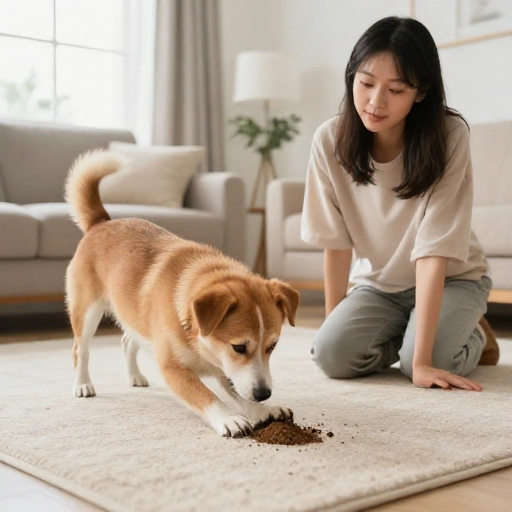
If your dog has turned your favorite rug into a digging pit, you’re not alone. I’ve been there—watching my sweet pup scratch and paw at the carpet like she was trying to bury a bone in my living room. It’s frustrating, especially when it happens on your bed or sofa.
The good news? Digging is a natural dog behavior, not a personal attack on your furniture. Once I figured out why my dog was doing it, I could actually fix the problem instead of just saying “no” over and over.
Here are 10 practical tricks I used to stop dogs digging at carpets, beds, and sofas. They’re simple, gentle, and they actually work.
1. Figure Out Why Your Dog Is Digging
When my dog started digging at the carpet, I assumed it was just a bad habit. But digging usually has a reason. It could be nesting instinct, boredom, anxiety, or even trying to get to a toy buried under the cushion.
I started noting when it happened. Was it right before bedtime? After a long day alone? When she had extra energy? That pattern told me more than any training video ever could.
If your dog digs mostly on your bed, it might be a nesting behavior. If it’s the sofa, they might be trying to “fluff” a spot. Carpet digging often means boredom or a desire to hide something. Once you know the why, the fix gets much easier.
2. Tire Them Out Before They Start Digging
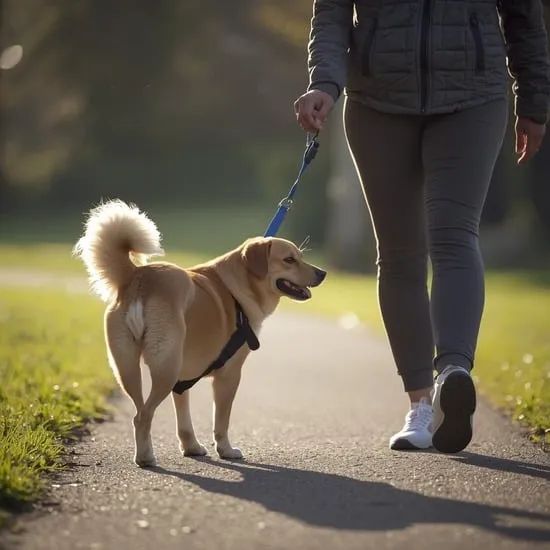
A tired dog is a happy dog—and a dog that’s way less likely to dig. I started adding a 20-minute sniff walk in the morning and a game of fetch in the evening. The difference was huge.
Mental exercise matters just as much as physical. I use puzzle feeders, frozen Kongs, and simple hide-and-seek games with treats around the house. Ten minutes of brain work can wear my dog out more than a mile run.
If your dog digs when you’re busy or on calls, try a quick training session first. Give them something to do, and they won’t need to invent their own entertainment on your carpet.

3. Give Them a Legal Digging Spot
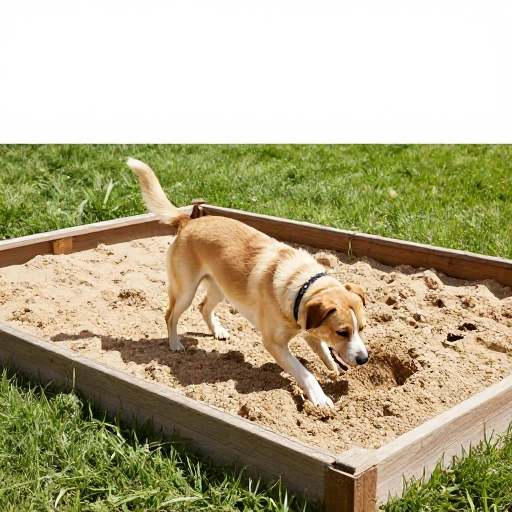
Digging is fun for dogs. Instead of fighting that instinct, I redirected it. I got a cheap kiddie pool, filled it with sand, and hid toys and treats inside.
At first, I had to show my dog what to do. I’d dig a little, then praise her when she joined in. Now when she gets the urge, I say “go dig” and point to her pit. She runs right over.
You can use a sandbox, a designated corner of the yard, or even a cardboard box filled with crumpled paper for indoor digging. The key is making that spot way more rewarding than your sofa cushions.
4. Make Your Carpet, Bed, and Sofa Less Appealing
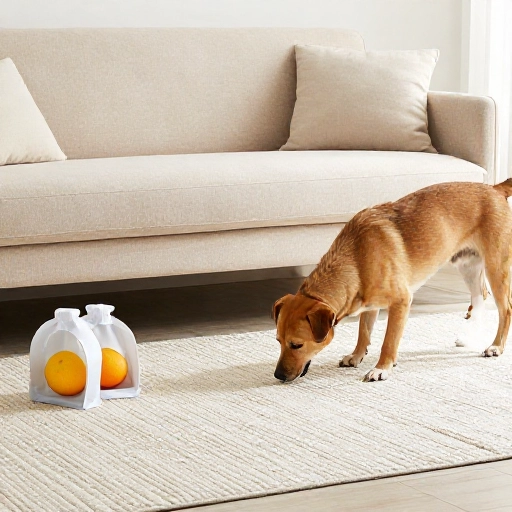
Pet-safe deterrent sprays can help, but they don’t work for every dog. I tried a citrus spray on the carpet corner—my dog hated it and stayed away. Just test a small area first.
Aluminum foil is another old trick that worked surprisingly well. I laid sheets of foil over the sofa cushions for a week. The crinkle and texture scared my dog off without any harsh chemicals.
Double-sided tape on carpet edges and furniture corners also works. Dogs don’t like the sticky feeling on their paws. Once they learn the spot isn’t fun, they stop trying.
5. Cover the Hot Spots
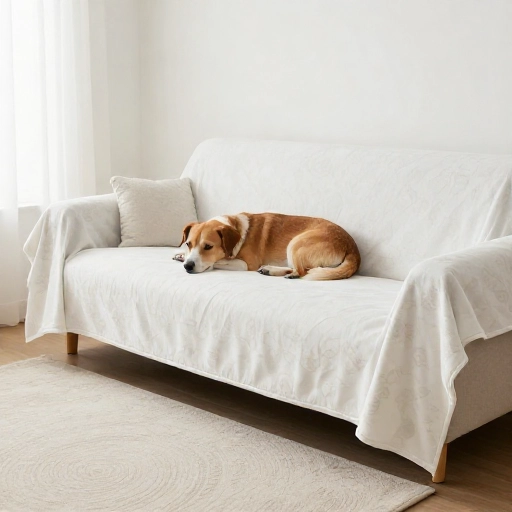
Washable covers and throw blankets became my best friends. I put a waterproof blanket over my bed during the day and a cheap quilt over the sofa. If my dog dug, I just washed the cover instead of panicking about the furniture.
If your dog targets one specific carpet corner, try a small rug runner or mat that you can easily shake out or replace. It’s a simple buffer that saves your sanity.
This isn’t a forever fix, but it buys you time while you work on the root cause. And it makes cleanup so much easier.
6. Teach a Solid “Leave It” and Redirect
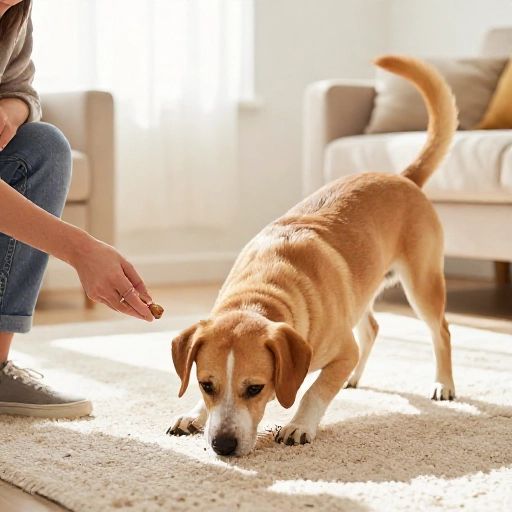
I practiced “leave it” with treats on the floor. Once my dog mastered that, I used it when she started pawing at the sofa. The second she stopped, I handed her a stuffed toy instead.
Redirecting is powerful because it replaces the unwanted behavior with something similar. Digging is a pawing motion, so I gave her a toy she could “kill” or a snuffle mat she could dig through.
Be consistent. Every time your dog digs, say “leave it,” then immediately offer the alternative. Praise them like crazy when they take it. They’ll learn fast that the toy pays better than the carpet.
7. Calm the Anxiety That Fuels Digging
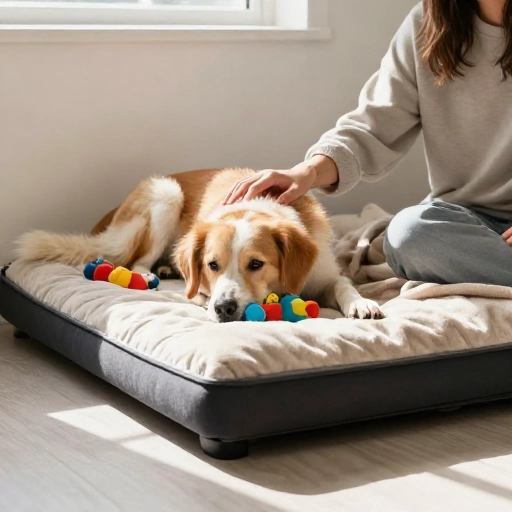
Some dogs dig because they’re stressed, especially when you leave. My dog used to dig at my bed pillows when I was at work. It was her way of coping with being alone.
I set up a cozy corner with a white noise machine, a worn t-shirt that smelled like me, and a frozen treat toy. I also kept my departure and arrival low-key. No big goodbyes, no excited hellos.
A predictable routine—same walk times, same feeding times—made a huge difference. Anxious dogs need to know what’s coming next. When they feel safe, the digging often fades.
8. Upgrade Their Own Bed
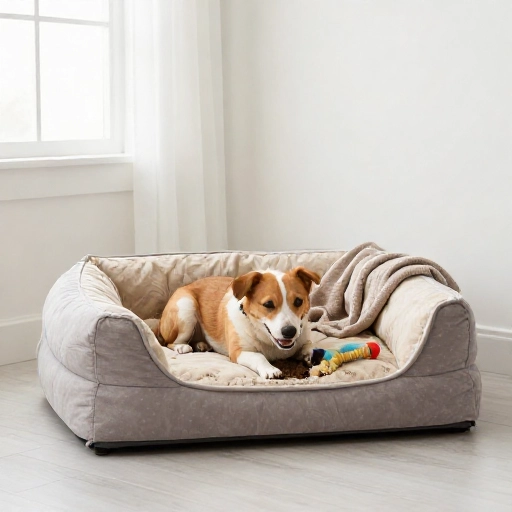
Maybe your dog digs at your bed because theirs isn’t comfortable. I switched to an orthopedic bed with a washable cover and added a soft blanket my dog could “nest” in.
Now she has her own spot to scratch and arrange. I even placed it next to my bed so she can still be close without taking over my pillows.
If your dog loves to dig before lying down, give them a bed with a removable, washable cover. Let them dig and rearrange that instead. It’s a simple swap that saves your furniture.
9. Block Access When You Can’t Supervise
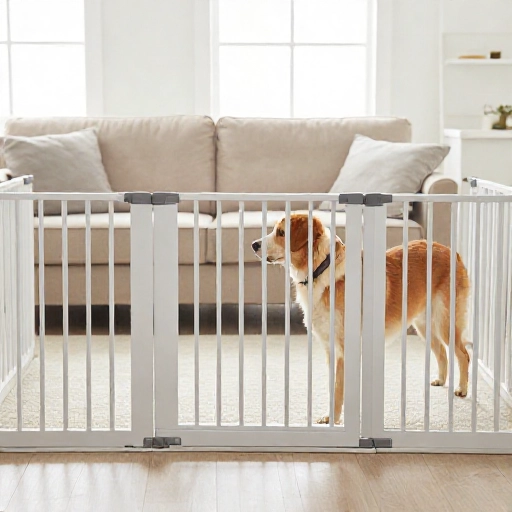
Baby gates and closed doors are not mean—they’re management. I gated off the living room when I couldn’t watch my dog. Every successful dig is a rehearsal, so preventing it stops the habit from getting stronger.
When I was home, I kept my dog in the same room with me. When I left, she went to a safe, dog-proofed space with toys and a bed. She couldn’t practice digging on the sofa because she never had the chance.
This isn’t forever. It’s a temporary tool while you work on training and meet your dog’s needs. Once the behavior fades, you can slowly give back freedom.
10. Reward the Behavior You Want
Catch your dog lying calmly on their bed and toss a treat. Praise quietly when they chew a toy instead of the carpet. I started carrying treats in my pocket just for these moments.
Dogs repeat what gets attention. If digging gets a reaction—even a “no”—they might keep doing it. But if lying calmly earns a piece of cheese, they’ll choose that instead.
Be patient. My dog didn’t stop overnight. But with consistency, she learned that digging on her mat earned rewards, while digging on my sofa earned a redirect. Now she digs happily in her sandbox and leaves my carpets alone.

Final Thoughts
Stopping a dog from digging at carpets, beds, and sofas isn’t about punishment. It’s about understanding why they dig, meeting their needs, and making better choices easier.
I still keep a washable cover on my sofa and a sandbox in the yard. But the constant digging is gone. It took a few weeks of consistency, and a whole lot of patience, but my home finally feels like my home again.
FAQ
Q: Why does my dog dig at the carpet right before bed?
A: That’s often a nesting instinct. Dogs dig to create a comfortable, safe spot to sleep. Give them a cozy bed with a blanket they can rearrange, and the carpet digging usually stops.
Q: Will vinegar stop my dog from digging?
A: Some dogs dislike the smell of vinegar, so it can work as a temporary deterrent. Mix equal parts white vinegar and water, spray it on the spot, and test a small area first. But it won’t fix the underlying reason for digging.
Q: Should I punish my dog for digging?
A: No. Punishment usually makes anxiety worse and can damage your bond. It might stop the behavior in the moment, but your dog will just dig somewhere else when you’re not looking. Redirect and reward instead.
Q: How long does it take to stop digging?
A: It depends on the cause. If it’s boredom, you might see improvement in a few days with more exercise and a digging pit. If it’s anxiety, it can take several weeks of consistent routine and training.
Q: Is digging ever a sign of a medical issue?
A: Yes, occasionally. If your dog suddenly starts digging at furniture or carpets and also shows other signs like pacing, panting, or licking, check with your vet. Pain or discomfort can trigger strange behaviors.