12 Profitable Dog Boarding Facility Ideas You Can Start Today

I have always loved dogs, and for years I dreamed of turning that love into a real business. After months of research and talking to other pet owners, I realized that dog boarding isn’t just about having a spare room. It is about creating experiences that make both dogs and their owners feel safe and happy.
If you are looking for a flexible way to earn money while spending time with animals, you are in the right place. Below, I share twelve creative and profitable dog boarding ideas. Some are simple to start from home, and others require a little more space. Each one has helped real people build a steady income.
Pick the idea that fits your lifestyle best, and remember that the best boarding facilities focus on comfort, safety, and a little extra love.
1. Cozy Home Boarding for Small Breeds
Small dogs have big personalities, but they often feel nervous around larger dogs. By focusing only on small breeds, you create a calm and safe environment. You can use a spare bedroom or a quiet corner of your living room.
Keep the space cozy with soft beds and low furniture. Offer extra cuddles and one-on-one playtime. Owners love knowing their tiny pup will not be overwhelmed. This niche is easy to market on local social media groups.
Charge a premium for the personalized attention. You will quickly build a loyal client base.

2. Luxury Suites with Webcam Access
Some pet parents worry so much about their dog that they cannot enjoy their vacation. Installing webcams in each suite gives them peace of mind. They can check in anytime and see their dog napping or playing.
Design each suite like a small hotel room. Add raised beds, soft lighting, and soundproof walls. Offer add-ons like bedtime stories (recorded by you) or special treats. This idea works well if you have a separate building or a converted garage.
Webcam access is a huge selling point. It feels modern and trustworthy.

3. Farm-Style Adventure Boarding
If you have a bit of land, turn it into a doggy playground. Fenced fields, digging pits, and splash pools make every day an adventure. Dogs come home tired and happy.
You can offer half-day or full-day play sessions. Group hikes through nearby trails are a huge bonus. Owners love that their dog gets real exercise, not just a walk around the block.
This style is perfect for active people who enjoy being outdoors. It also attracts owners of high-energy breeds like border collies and huskies.

4. Senior Dog Retirement Boarding
Older dogs need gentler care. They may have medical needs, joint pain, or just want a quiet place to rest. By specializing in seniors, you fill a gap that many facilities ignore.
Invest in orthopedic beds, ramps, and easy-to-clean flooring. Keep the schedule flexible with lots of nap time. Offer medication management and gentle massages.
This service earns trust quickly. Owners of senior dogs are often desperate for a caregiver who understands their pet’s needs. You can charge a higher rate for the extra attention.

5. Doggy Daycare Plus Overnight Boarding
Combining daycare with boarding creates a steady stream of customers. Dogs that come for daycare during the week already know the space. When their owners travel, they feel comfortable staying overnight.
Offer package deals for regular daycare clients. This builds loyalty and predictable income. You can run this from a dedicated room or a fenced yard.
Make sure you have clear rules about group play and rest times. A structured schedule keeps everyone safe and happy.
6. Mobile Boarding with a Camper Van
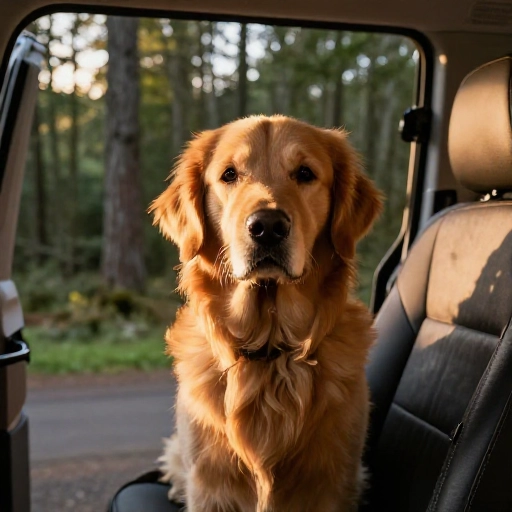
This idea is perfect if you love to travel. Convert a camper van into a mobile boarding unit. You pick up the dog, take them on a road trip, and return them to their owner.
Offer themed trips like “Beach Day” or “Mountain Hike.” Each dog gets one-on-one attention. Owners get photos and updates throughout the day.
This is a high-end service. It works best for busy professionals who want their dog to have an adventure while they work. Your fuel and camping costs are tax-deductible too.
7. In-Home Boarding with Training Add-Ons
Many owners wish their dog had better manners. By adding basic training to your boarding service, you solve two problems at once. Dogs learn while they stay with you.
Focus on simple skills like sitting, staying, and walking on a loose leash. Use positive reinforcement. Offer a “graduation” report card at pickup.
This service justifies a higher price. Owners feel like they are investing in their dog’s future, not just paying for a place to sleep.

8. Cattery and Dog Boarding Combo
Many households have both dogs and cats. Finding a facility that handles both can be tricky. If you have separate spaces, you can offer combined boarding for multi-pet families.
Keep the cat area quiet and elevated. Dogs should never have direct access. Offer cat-specific enrichment like climbing shelves and window perches.
This niche reduces stress for owners who would otherwise have to book two different facilities. It also doubles your potential customer base.

9. Eco-Friendly Boarding with Natural Products
Eco-conscious owners look for boarding that matches their values. Use biodegradable poop bags, natural cleaning products, and organic treats. Install solar-powered lighting if possible.
Market your space as a “green retreat.” Offer a small garden where dogs can sniff herbs like mint and lavender. Use recycled materials for bedding and toys.
This appeals to a growing audience. Many owners will drive farther to support a business that aligns with their beliefs.

10. Theme-Based Boarding for Holidays
Special occasions are a great time to offer unique experiences. Think “Paw-loween” parties, Christmas sleepovers, or Fourth of July barbecues (with safety precautions).
Decorate the space accordingly. Offer themed photo sessions and special treats. Owners love getting pictures of their dog in a tiny costume or with a holiday bandana.
Book these slots well in advance. They fill up fast and generate buzz on social media. You can charge a premium for holiday stays.

11. Boarding for Dogs with Separation Anxiety
Some dogs cannot handle being alone. They bark, chew, or have accidents. A boarding facility that specializes in anxious dogs is a lifesaver for owners who work long hours.
Keep group sizes small. Use calming music, pheromone diffusers, and weighted blankets. Offer constant supervision and lots of gentle reassurance.
This requires patience and training, but it is incredibly rewarding. Owners will be grateful and loyal. You can charge more for the specialized care.

12. Subscription-Based Monthly Boarding
Instead of charging per night, offer a monthly membership. Owners pay a flat fee for a set number of nights or daycare days. This creates predictable income and encourages repeat business.
Include perks like priority booking, a free bath, and a monthly photo update. Offer different tiers (bronze, silver, gold) with increasing benefits.
This model works well for frequent travelers or local professionals. It simplifies their planning and gives you a stable client base.

Conclusion
Starting a dog boarding business does not require a huge building or a fancy license. It starts with understanding what dogs and their owners truly need. Whether you offer luxury suites or simple home care, the key is consistency and genuine love for animals.
Pick one idea that excites you and start small. Test your setup with a friend’s dog first. Listen to feedback and tweak your services. Over time, you will build a business that feels more like a passion than a job.
Remember, every happy dog is free marketing. Their owners will tell everyone they know. So go ahead, create a space that dogs never want to leave.
Frequently Asked Questions
1. Do I need a license to run a dog boarding business from home?
Most cities require a kennel license or a home occupation permit. Check with your local animal control or zoning office. It is usually a simple application and a small fee.
2. How many dogs can I board at once?
That depends on your space and local laws. Many home-based businesses start with two to four dogs. Always prioritize safety over capacity. Crowding leads to stress and accidents.
3. What insurance do I need for dog boarding?
You need pet care business insurance. It covers accidents like a dog getting injured or damaging property. Some homeowner policies exclude boarding, so ask your agent for a separate policy.
4. How do I handle a dog that does not get along with others?
Always do a trial day before booking. If a dog shows aggression, offer solo play sessions instead of group time. You can also refer them to a facility that specializes in behavioral issues.
5. What is the best way to find my first clients?
Start with your own network. Ask friends, family, and coworkers. Join local Facebook groups for pet owners. Offer a discount for first-time bookings. Word of mouth is the strongest marketing tool you have.