13 Homemade Flea Spray Ideas for Dogs (Simple, Budget-Friendly & Gentle)
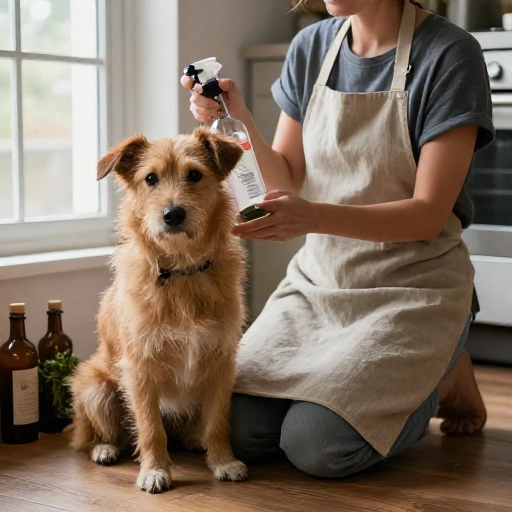
Flea season can turn a happy dog into an itchy, restless mess. I know because I’ve spent way too many summer evenings combing, vacuuming, and sniffing every corner of my house for tiny bugs. If you’re looking for a homemade flea spray for dogs, there are plenty of DIY options that can help you get ahead of the itch.
Below are 13 homemade flea spray ideas I’ve tested or researched. Some are meant for your dog’s coat, some for bedding, and a few for carpets and floors. They’re not a replacement for vet care or a full flea treatment plan, but they can be useful pieces of the puzzle.
Quick safety note: always patch test first, avoid your dog’s eyes, nose, and mouth, and never use essential oils on cats or around them. If your dog is pregnant, nursing, very young, or has a health condition, check with your vet before trying any new spray.
1. Apple Cider Vinegar & Water Flea Spray
This is the one I mix first because it’s ridiculously easy. I use one part raw apple cider vinegar to one part water in a glass spray bottle. A splash of aloe vera juice can make it less drying if your dog has sensitive skin.
I mist it lightly over my dog’s back and legs before a walk, then brush it through. The vinegar smell fades as it dries, and it seems to make the coat less inviting to fleas. It won’t kill a heavy infestation, but it’s a nice daily repellent.
Skip it on open cuts or hot spots, and don’t use it more than a few times a week unless your vet says otherwise.
2. Lemon Peel Flea Rinse Spray
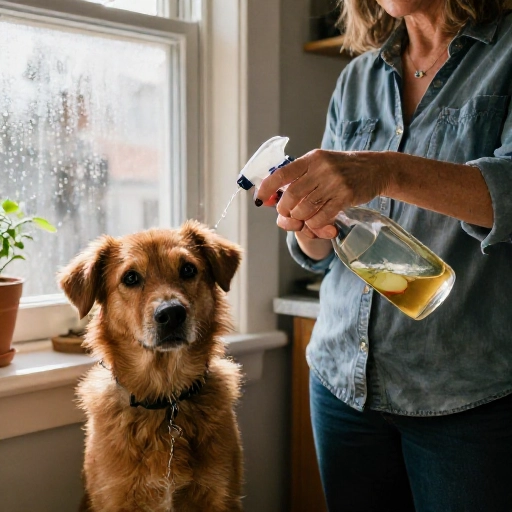
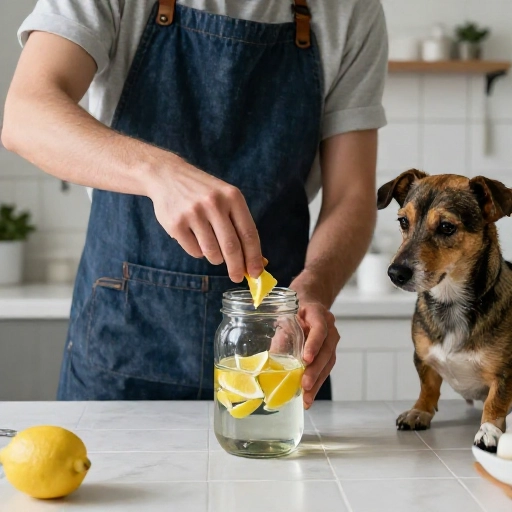
I save lemon peels in the freezer just for this. Simmer a handful of peels in two cups of water for about 10 minutes, then let it cool and strain. Mix the liquid with equal parts water in a spray bottle.
Citrus is a classic flea repellent, and the lemon scent is fresh without being overpowering. I use it as a final rinse after bath time or a light coat spray before we head outside.
This one is for dogs only—citrus oils are risky for cats. Because citrus can make skin more sensitive to sun, I use it in the evening or rinse it off before long sun exposure.
3. Rosemary Tea Flea Spray
Rosemary is one of my favorite herbs for DIY flea sprays. I steep a few sprigs of fresh rosemary in hot water for 30 minutes, then strain and cool it. I pour it into a spray bottle and add a tiny splash of apple cider vinegar.
The smell is earthy and clean. I spray it on my dog’s bedding, his collar, and lightly on his coat. Fleas seem to dislike the herbal scent, and it makes the whole room smell like a garden.
Keep it in the fridge and use it within a week. Shake before each use because natural mixtures like to separate.

4. Lavender & Cedarwood Calming Spray
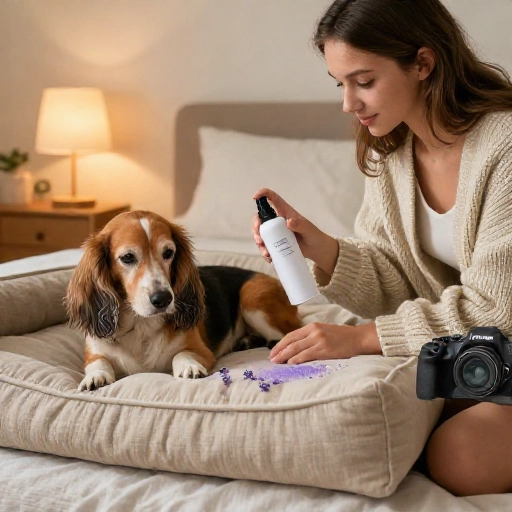
When my dog gets itchy, he also gets anxious. This spray is part flea repellent, part calming mist. I add 10 drops of lavender essential oil and 5 drops of cedarwood essential oil to one cup of distilled water, plus a tablespoon of witch hazel to help it mix.
I shake it well and mist it lightly over his back and bed. Lavender is soothing, and cedarwood has a woodsy scent that many bugs avoid. It’s a dog-only spray—never use it around cats.
Less is more with essential oils. If your dog licks his coat constantly, try plain lavender hydrosol instead, or skip the oils altogether.
5. Neem Oil & Castile Soap Spray
Neem oil has a reputation for repelling fleas and soothing irritated skin. I mix one teaspoon of neem oil and one teaspoon of unscented castile soap into two cups of warm water. The soap helps the oil blend into the water.
I spray it on my dog’s coat, massage it in for a minute, and then rinse it off after about 10 minutes. It leaves a strong herbal smell, so I usually do this outside or right before a bath.
Don’t use neem on puppies, pregnant dogs, or dogs with sensitive skin unless your vet gives the okay. It’s also not safe for cats.
6. Witch Hazel & Lavender Paw and Belly Spray
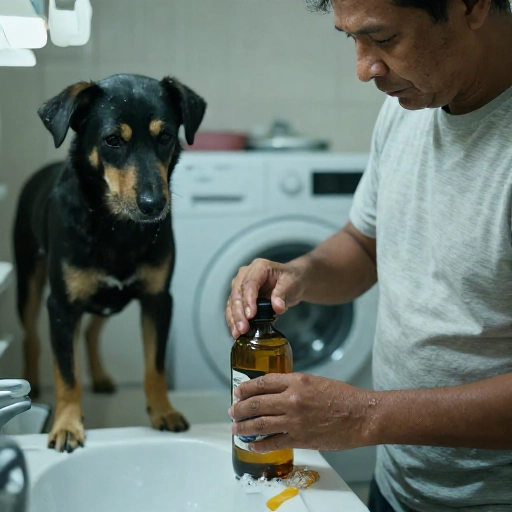
Fleas love warm, hidden spots like armpits, belly, and between the toes. I mix half a cup of witch hazel, half a cup of water, and five drops of lavender essential oil in a small spray bottle.
After walks, I spritz it on a cloth and wipe down my dog’s paws and belly. Witch hazel is gentle and helps clean off any hitchhiking fleas, while lavender adds a light scent.
I avoid spraying this directly on his face or anywhere he can lick right away. If your dog has very sensitive skin, use plain witch hazel and water instead.
7. Peppermint & Rosemary Mint Spray
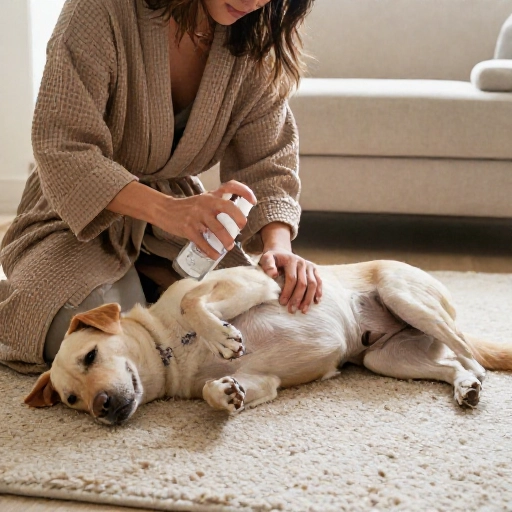
This one smells like a spa day, but it’s strong. I mix five drops of peppermint essential oil and five drops of rosemary essential oil into one cup of water with a tablespoon of witch hazel.
I use it on my dog’s coat and bedding when fleas are bad. The minty herbal scent seems to send them packing. For small dogs, I use half the amount of peppermint because it can be intense.
Never use peppermint or rosemary essential oils on cats. And don’t spray near your dog’s nose or eyes. If your dog starts sneezing or pawing at his face, rinse it off right away.
8. Oatmeal & Aloe Soothing Spray
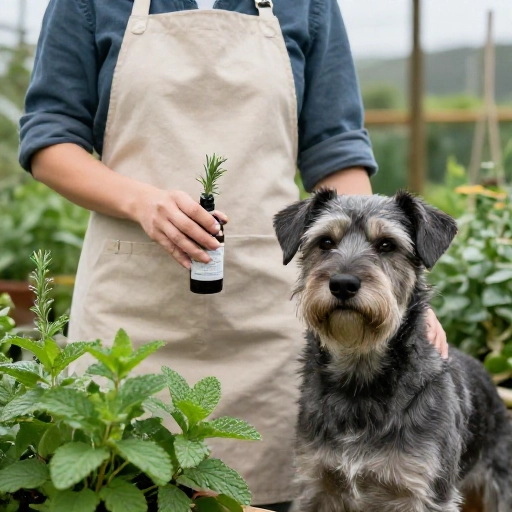
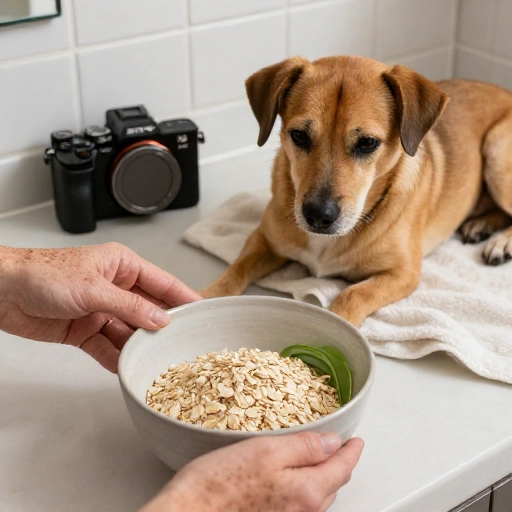
This isn’t a flea killer, but it’s my go-to after fleas have been biting. I brew plain oatmeal, let it cool, and strain the liquid. Then I mix it with equal parts aloe vera juice and pour it into a spray bottle.
I spray it on itchy spots and rub it in gently. Oatmeal calms irritation, and aloe cools the skin. It gives my dog some relief while the flea treatment does its job.
Keep it in the fridge and use it within three days. If the skin is broken or infected, skip the DIY spray and call your vet.
9. Salt & Vinegar Carpet Spray
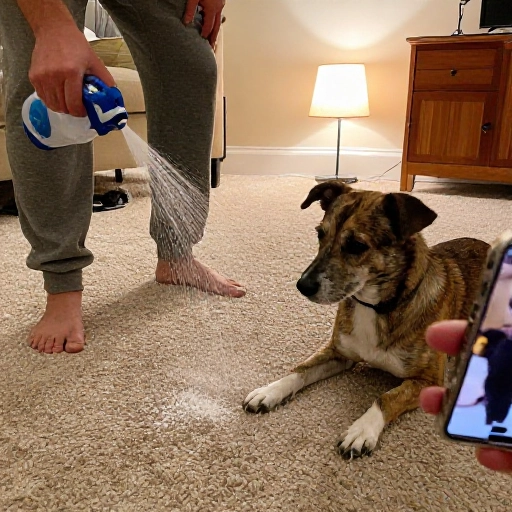
Fleas don’t just live on your dog—they hide in carpets and rugs. I mix one cup of white vinegar, a quarter cup of salt, and two cups of water in a spray bottle. I spray it lightly over carpets, let it dry completely, then vacuum.
The salt can help dehydrate flea eggs and larvae, while vinegar cuts odors. It’s not for your dog’s coat, and I always keep my pets out of the room until the carpet is dry.
Test a small hidden spot first to make sure it doesn’t discolor your carpet. Don’t soak the fibers—just a light mist is enough.
10. Diatomaceous Earth Powder Puff (Dry Spray)
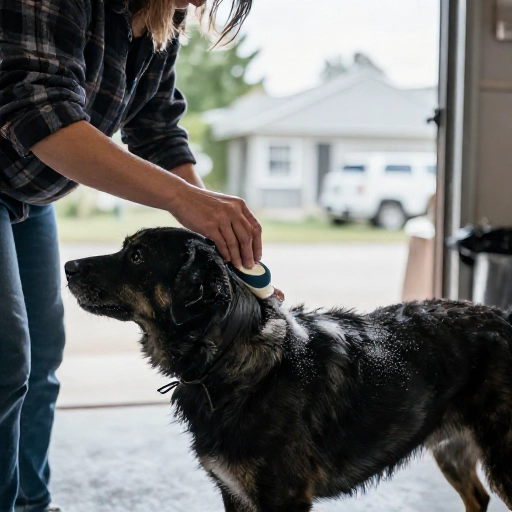
This is more of a powder puff than a spray, but it belongs in the flea-fighting lineup. I fill a squeeze bottle or powder puff with food-grade diatomaceous earth and puff it along baseboards, cracks, and my dog’s bed.
DE is abrasive to fleas and can dry them out. I let it sit for 24 hours, then vacuum thoroughly. I wear a mask while applying it because the dust isn’t good to breathe in.
I don’t put DE directly on my dog’s face or on broken skin. Keep it away from your dog’s eyes and nose, and use food-grade only.
11. Chamomile Tea Itch Relief Spray
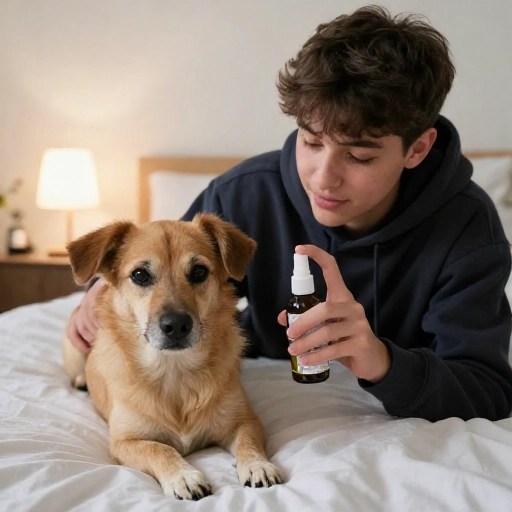
Chamomile is another gentle option for irritated skin. I steep two chamomile tea bags in hot water, let it cool completely, and pour it into a spray bottle. Sometimes I add a teaspoon of aloe vera juice.
I spritz it on hot spots and areas where my dog has been chewing. It won’t kill fleas, but it helps calm the skin and makes my dog less miserable.
Use it within two days and keep it refrigerated. Skip it if your dog is allergic to ragweed or other plants in the daisy family.
12. Coconut Oil & Warm Water Coat Spray
Coconut oil is a favorite in my house for dry skin and shiny coats. I melt one tablespoon of coconut oil and whisk it into one cup of warm water. Once it’s mixed, I pour it into a spray bottle and shake before each use.
I spray a little on my dog’s back and brush it through. The oil makes his coat slippery, which can make it harder for fleas to grip, and it smells amazing.
Use it sparingly—too much oil can attract dirt and leave greasy spots on furniture. A little goes a long way.
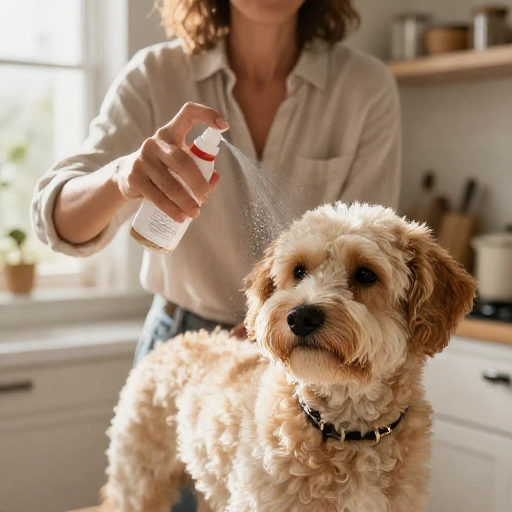
13. Green Tea & Apple Cider Vinegar Rinse
Green tea is full of tannins that can soothe skin and add a light repellent effect. I brew a strong cup of green tea, let it cool, and mix it with equal parts water and a splash of apple cider vinegar.
After bath time, I pour it over my dog’s coat as a final rinse, then towel dry. It leaves him soft and clean, and the vinegar smell disappears once he’s dry.
Use it within three days and keep it in the fridge. If your dog’s skin is already irritated, dilute it more or skip the vinegar.
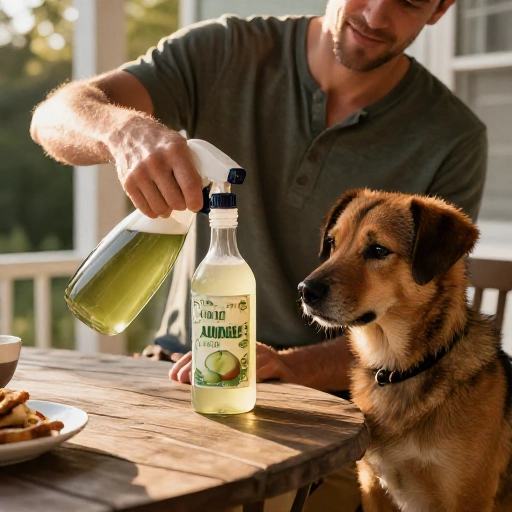
Final Thoughts on Homemade Flea Sprays for Dogs
Homemade flea sprays can be a helpful part of your routine, especially when you combine them with regular baths, flea combing, vacuuming, and washing pet bedding. I like them because they’re cheap, easy to mix, and I know exactly what’s in them.
That said, no DIY spray is a magic bullet. If your dog is scratching constantly, losing hair, or getting skin infections, it’s time to call your vet. A flea infestation usually needs a team approach: treat the dog, the home, and the yard.
Start with one spray, patch test it, and see how your dog responds. Every dog is different, and the best homemade flea spray for dogs is the one that’s safe for your pup and actually fits your routine.
FAQ: Homemade Flea Spray for Dogs
How often can I use homemade flea spray on my dog?
Most gentle sprays can be used every few days, but it depends on the ingredients. Vinegar and herbal tea sprays are usually fine a few times a week. Essential oil sprays should be used less often—start once a week and watch for irritation.
Are essential oils safe for dogs?
Some essential oils are safer than others when heavily diluted, but they’re never risk-free. Peppermint, tea tree, citrus, and eucalyptus can cause problems, especially for small dogs or cats. Always dilute, patch test, and ask your vet first.
Will homemade flea spray kill fleas completely?
Probably not on its own. Homemade sprays can repel fleas and soothe skin, but they won’t wipe out an infestation. You’ll also need to clean bedding, vacuum often, and use a vet-approved flea treatment if the problem is serious.
What should I do if my dog reacts to a spray?
Stop using it immediately. Rinse the area with plain water or a gentle dog shampoo, and watch for redness, swelling, vomiting, or lethargy. If symptoms don’t improve quickly, call your vet.
Can I use the same flea spray on cats?
No. Many ingredients that are okay for dogs—like citrus, lavender, peppermint, and cedarwood—can be toxic to cats. Keep all homemade flea sprays away from cats, and never use dog flea products on a cat without vet approval.