12 Ways to Transform Your Side Yard Dog Run Into the Best Spot on the Property
Our side yard used to be that awkward strip of dirt nobody talked about. Too narrow for a patio, too shady for a garden, and somehow always muddy. Then we got a puppy, and suddenly that forgotten little alley became the most-used part of our property.
The problem? It looked terrible and worked even worse. The dog was bored, the mud was relentless, and I dreaded walking out there in the rain.
So I slowly turned it into a real dog run — one small project at a time, mostly on weekends. Here are the 12 changes that made the biggest difference, in the order I’d do them again.
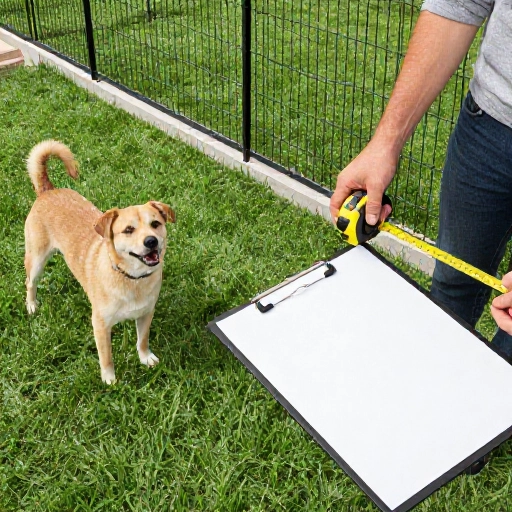
1. Measure the Space and Sketch a Simple Plan First
I almost skipped this step, and I’m so glad I didn’t. Side yards are usually long and skinny, which means every inch counts. I grabbed a tape measure, noted where the sun hits, and marked where the gate and downspouts were.
Then I sketched it on paper — nothing fancy, just boxes. Potty zone here, shade there, path down the middle. That one sketch stopped me from buying things that wouldn’t fit.
Before you spend a dime, walk the space at three different times of day. You’ll learn where it floods, where it bakes, and where your dog naturally wants to hang out.
2. Fix the Ground Before Anything Else
Mud was my number one enemy. A dog run with bad drainage turns into a swamp, and swamp equals dirty paws, dirty floors, and a smell you can’t ignore.
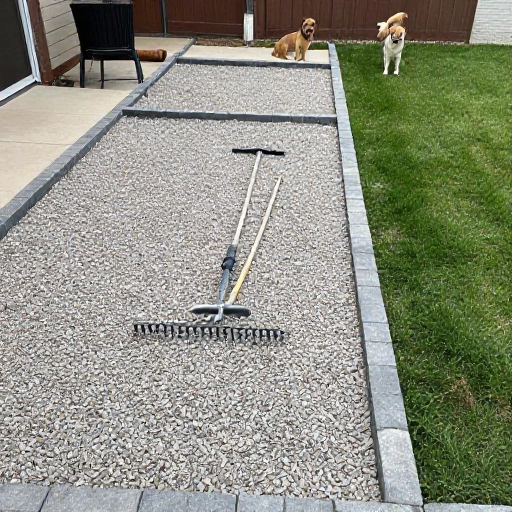
I started by regrading slightly so water ran away from the house, then added a base layer. For the high-traffic path, I used decomposed granite and packed it down. For the potty area, pea gravel or artificial turf with a drainage base works beautifully.
- Decomposed granite — cheap, firm, drains well
- Pea gravel — great for potty corners, easy to rinse
- Artificial turf — tidy look, but needs a proper base
- Mulch or wood chips — good for the edges, not the path
Honestly, fixing the ground made the space feel 80% better before I added a single decorative thing.
3. Put Up a Fence You Don’t Mind Looking At
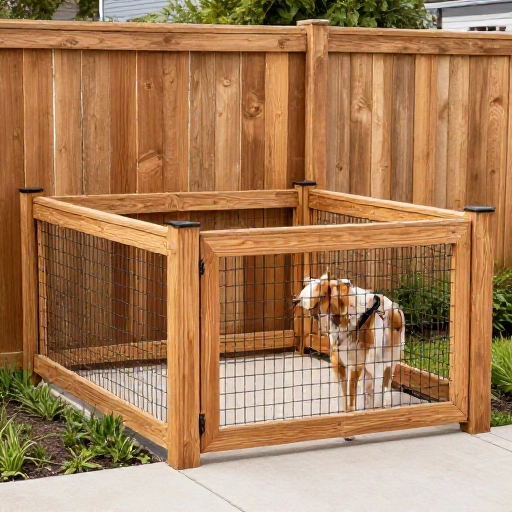
Safety comes first, but there’s no rule that says it has to be ugly. We went with a taller fence than our old one and added a self-latching gate, which was a game changer for quick exits.
If you want to keep the space feeling open, a decorative metal panel system looks great and holds up in weather. A solid wood fence gives more privacy but blocks airflow.
Walk the fence line and check for gaps at the bottom. Dogs are surprisingly good at finding that one loose board you ignored.
4. Designate a Potty Spot (and Keep It Separate)
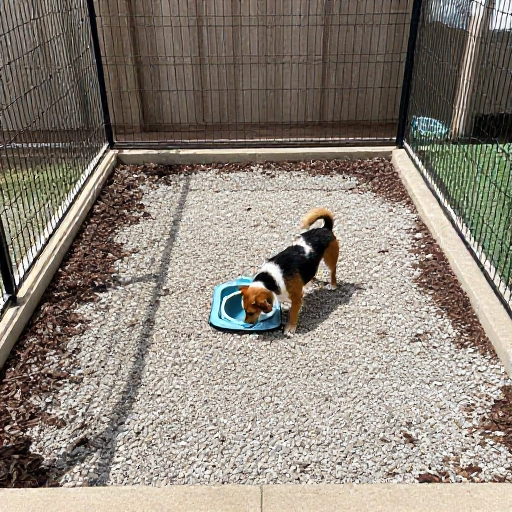
This was probably my smartest decision. Instead of letting my dog go wherever, I trained him to use one corner filled with pea gravel.
Benefits? The rest of the run stays cleaner, the smell is contained, and cleanup takes two minutes with a rake and a hose.
Pick a corner away from the house and away from where you’ll sit. Rinsing it weekly with water keeps odors from building up, especially in summer.
5. Carve Out a Shaded Rest Zone
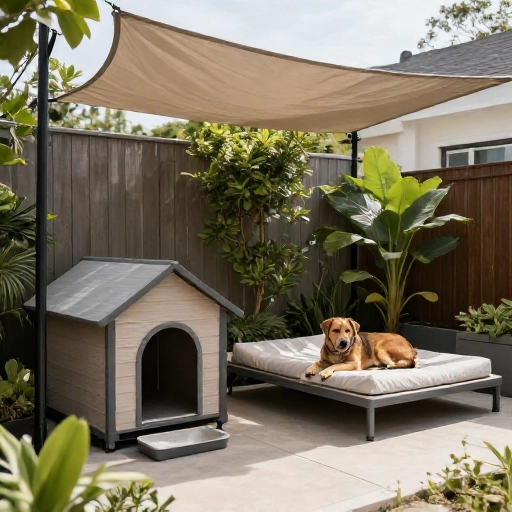
Dogs overheat faster than we do, and a side yard can turn into a hot tunnel by early afternoon. I added a shade sail over one end, and it instantly became my dog’s favorite nap spot.
You don’t need anything pricey. A shade sail, a small pergola, or even a dog house positioned under an existing tree all work.
Add a raised cot or a weatherproof bed so your dog isn’t lying directly on hot pavers. That little elevation makes a big difference on warm days.
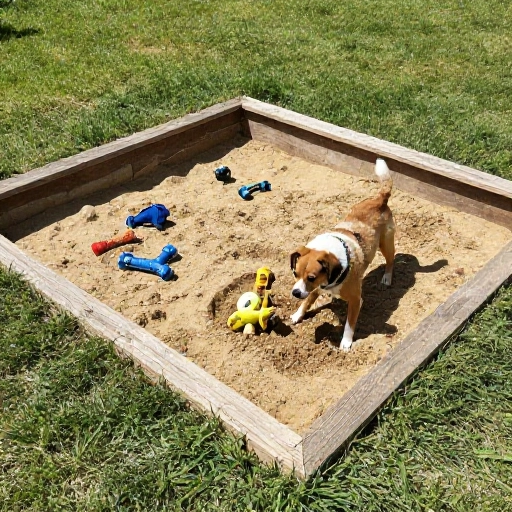
6. Build a Dig Pit on Purpose
My dog was going to dig somewhere. The only question was whether it would be my flower bed or a spot I chose for him.
So I built a small digging box — a simple frame filled with play sand or a sand-and-soil mix. I buried a couple of toys in it the first week and he figured it out immediately.
Now he digs in his box instead of along the fence. Best trade I ever made.
7. Add a Mini Obstacle Course
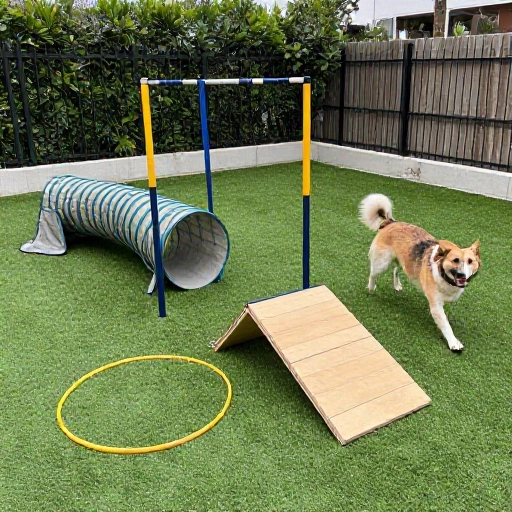
Bored dogs get creative, and not in a good way. A few simple obstacles give them something to do while you’re not out there playing fetch.
I used things I already had: a couple of cinder blocks for weaving, a low ramp, and a sturdy platform for jumping up. A hoop or tunnel is cheap and fun if you have the length.
Keep it low-key. This isn’t agility training — it’s just enrichment. Even three obstacles break up the boredom on a long day.
8. Set Up an Easy-Refresh Water Station
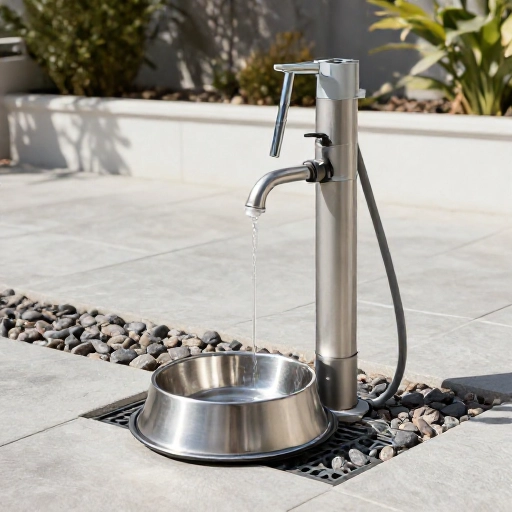
I got tired of hauling a bowl back and forth, so I installed a small spigot near the dog run and put a weighted bowl under it. Hose on, quick fill, done.
In summer I add a few ice cubes. In winter I check it daily because it can freeze faster than I expect.
If your dog is a splasher, consider a mounted waterer instead. Less mess, fewer muddy paw prints in the bowl.
9. Screen the Neighbors With a Living Wall
My side yard was basically a conversation with the neighbor’s kitchen window. Not ideal for either of us.
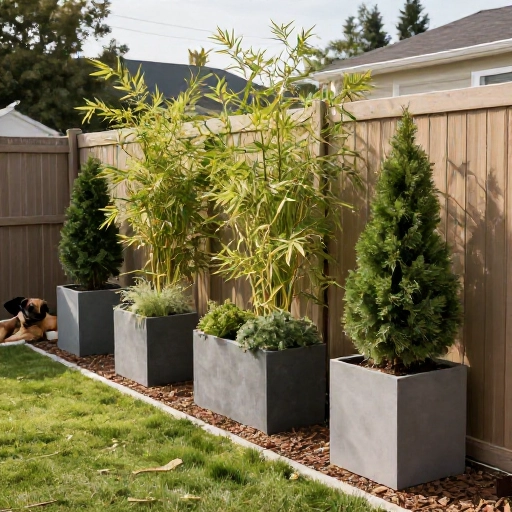
I planted tall, fast-growing shrubs along the fence line and added a few narrow planter boxes on top of the fence for extra height. Clumping bamboo in a container also works if you want quick privacy — just keep it contained.
For speed, you can combine real plants with a slatted screen. The green fills in over a season and softens everything.
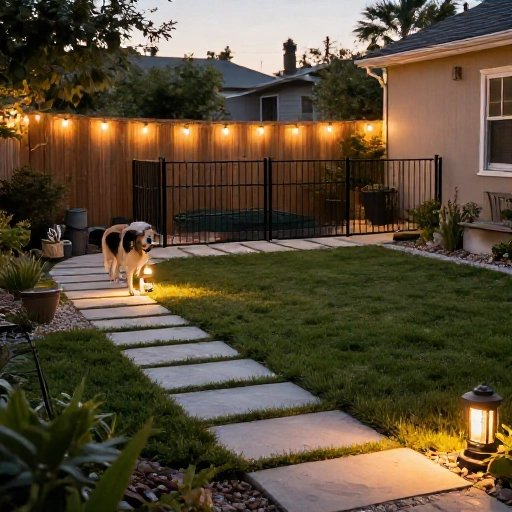
10. Light It Up for Evening Potty Breaks
Walking out into a pitch-black side yard at 10 p.m. is not fun. Adding a few solar path lights down the walkway changed the whole experience.
I also put a small motion light near the gate for safety. Cheap, easy, no wiring required.
Pro tip: keep lights low and angled down. Tall bright lights glare into windows and make the space feel harsh instead of cozy.
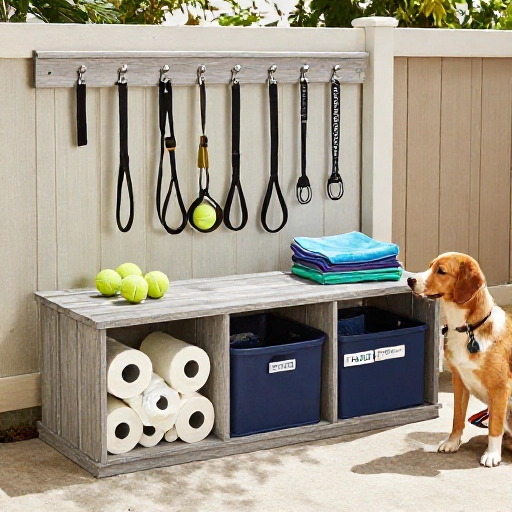
11. Add Real Storage for Gear
Leashes, poop bags, balls, towels, the hose — it all piles up fast. I mounted a small weatherproof cabinet on the wall near the gate and it’s been a sanity saver.
Inside I keep a hook for the leash, a bag dispenser, and a bin for muddy toys. Everything has a spot, so I don’t hunt for things in the rain.
A simple wall-mounted hose reel also keeps the run looking tidy instead of like a yard sale.
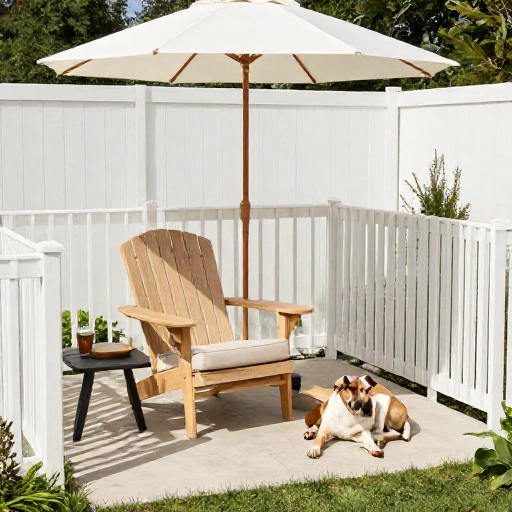
12. Make a Spot for You Too
This one surprised me. Once I added a small bench and a side table, I started spending real time out there. Coffee in the morning, a drink in the evening, dog snoozing nearby.
It doesn’t take much — a narrow bench, a weatherproof cushion, and a place to set your mug. If your run is narrow, a fold-down wall seat is perfect.
The whole point of a dog run isn’t just for the dog. When it’s pleasant for you, you use it more, and everyone’s happier.
Wrapping It Up
My side yard went from the strip I ignored to the spot I hang out in every day. You don’t have to do all 12 things at once — I spread mine over about a year.
Start with the ground and the fence, then layer in the fun stuff. Each small upgrade makes the space work a little better, and your dog notices every single one.
FAQ
How much does it cost to turn a side yard into a dog run?
It depends on what you already have. A basic version with ground cover, a fence repair, and a water station can be done for a few hundred dollars. Bigger upgrades like new fencing or artificial turf push it higher.
What’s the best ground cover for a dog run?
Decomposed granite and pea gravel are my favorites for drainage and durability. Artificial turf looks clean but needs a proper base to avoid smells. Avoid plain dirt — it turns to mud fast.
How do I stop my dog run from smelling?
Pick one potty area, rinse it weekly, and keep the rest of the space dry. Good drainage is the real fix. If water pools, no amount of cleaning will keep up.
How wide does a dog run need to be?
Most side yards are 3 to 5 feet wide and that works fine for potty breaks and short play. If your dog is large or high-energy, wider is better, or plan for extra walks.
Can I add plants if my dog digs?
Yes, but choose tough ones and keep them along the edges. Planting in containers or behind a low border helps a lot. A dedicated dig pit also redirects most of the digging.