Ground Beef Homemade Dog Food Recipe Dogs Love
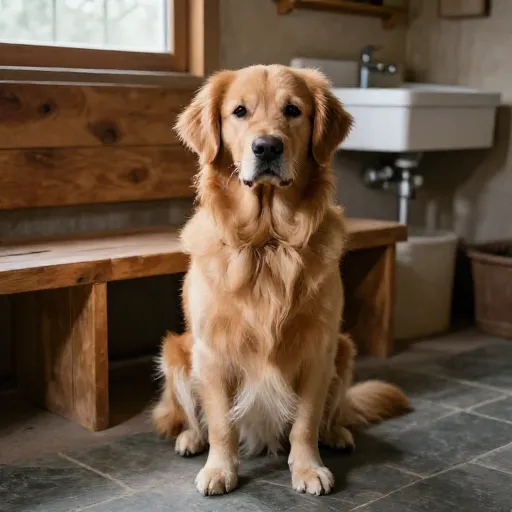
I started making homemade dog food when my picky eater, Buddy, turned his nose up at every kibble I tried. The first batch of ground beef and veggies I made? He practically inhaled it. There’s something special about knowing exactly what goes into your dog’s bowl, and ground beef is a fantastic, affordable protein to start with.
This recipe is simple, balanced, and uses ingredients you likely already have in your kitchen. It’s perfect for dogs with sensitive stomachs, or just for spoiling a good boy or girl. Let me walk you through making a batch your pup will adore, plus a few fun variations to keep mealtime interesting.
Why Ground Beef Is a Great Choice for Homemade Dog Food
Ground beef is packed with protein, iron, and essential amino acids that help your dog maintain strong muscles and a healthy coat. It’s also generally easy to digest, especially when you choose lean cuts. I always go for 85% or 90% lean to keep the fat content in check.
Another bonus? It’s versatile. You can mix it with almost any vegetable or grain your dog tolerates. Plus, most dogs find it incredibly tasty, so it’s a win-win for picky eaters.
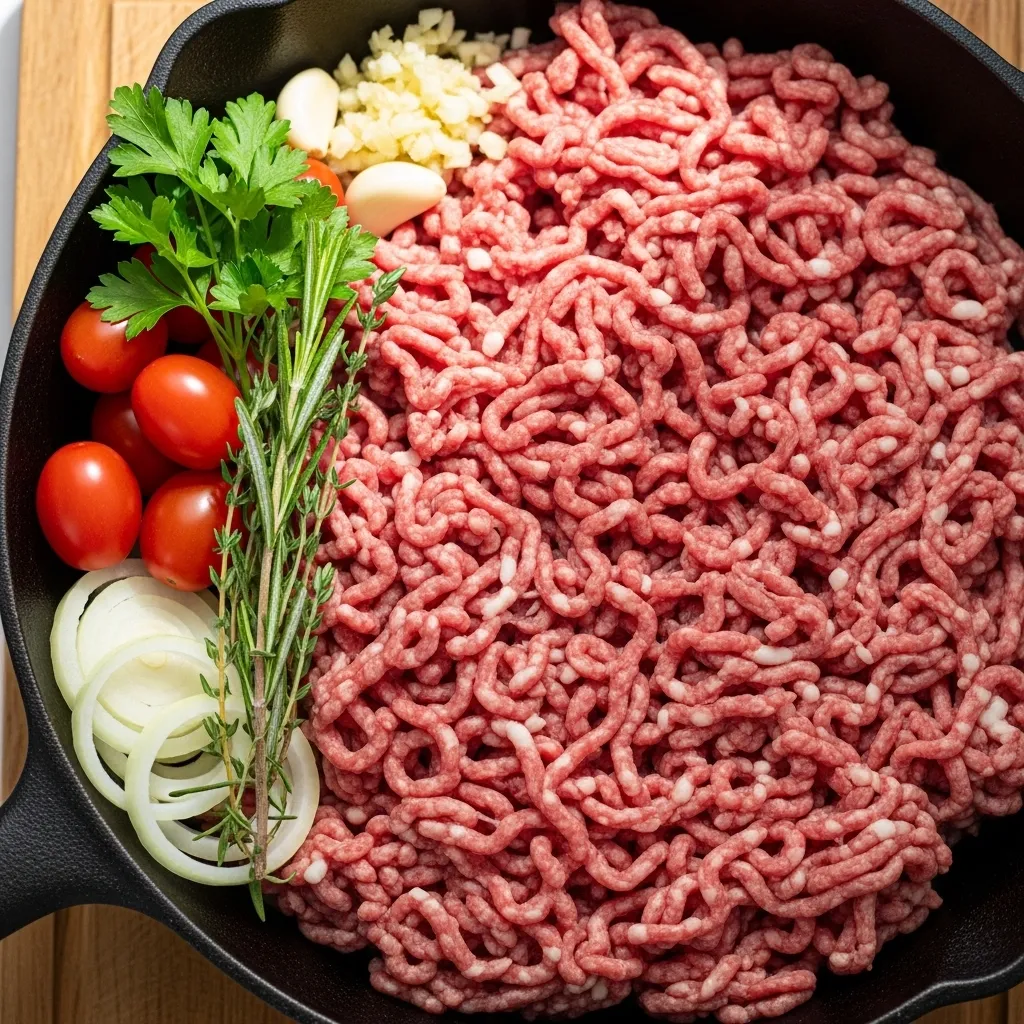
Simple Base Recipe: Ground Beef and Veggies
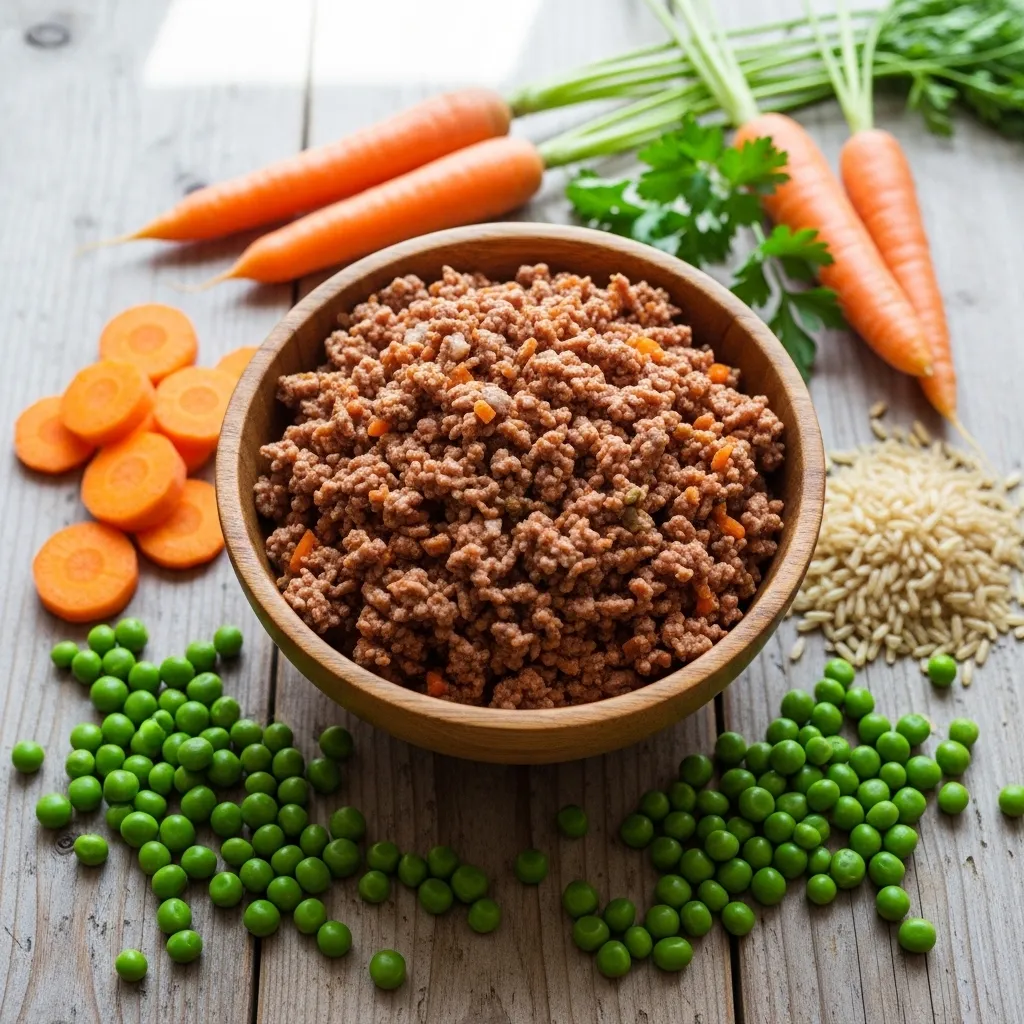
Start with one pound of lean ground beef. Brown it in a large skillet over medium heat, breaking it into small crumbles. Drain any excess fat. Then, add two cups of chopped veggies like carrots, green beans, and a small sweet potato (peeled and diced).
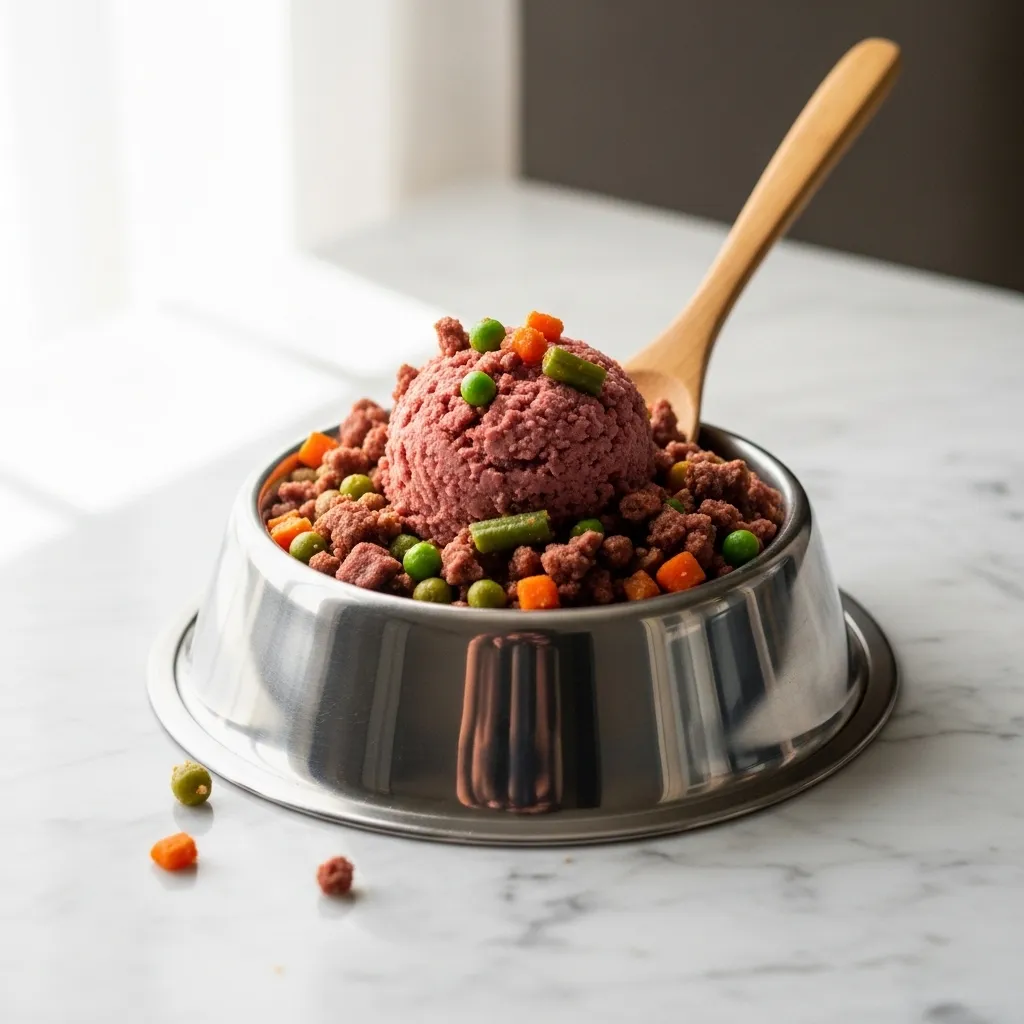
Pour in about a cup of water or low-sodium chicken broth, cover, and simmer for 15–20 minutes until the veggies are tender. Let it cool completely before serving. This makes about four cups of food, depending on your veggie size.
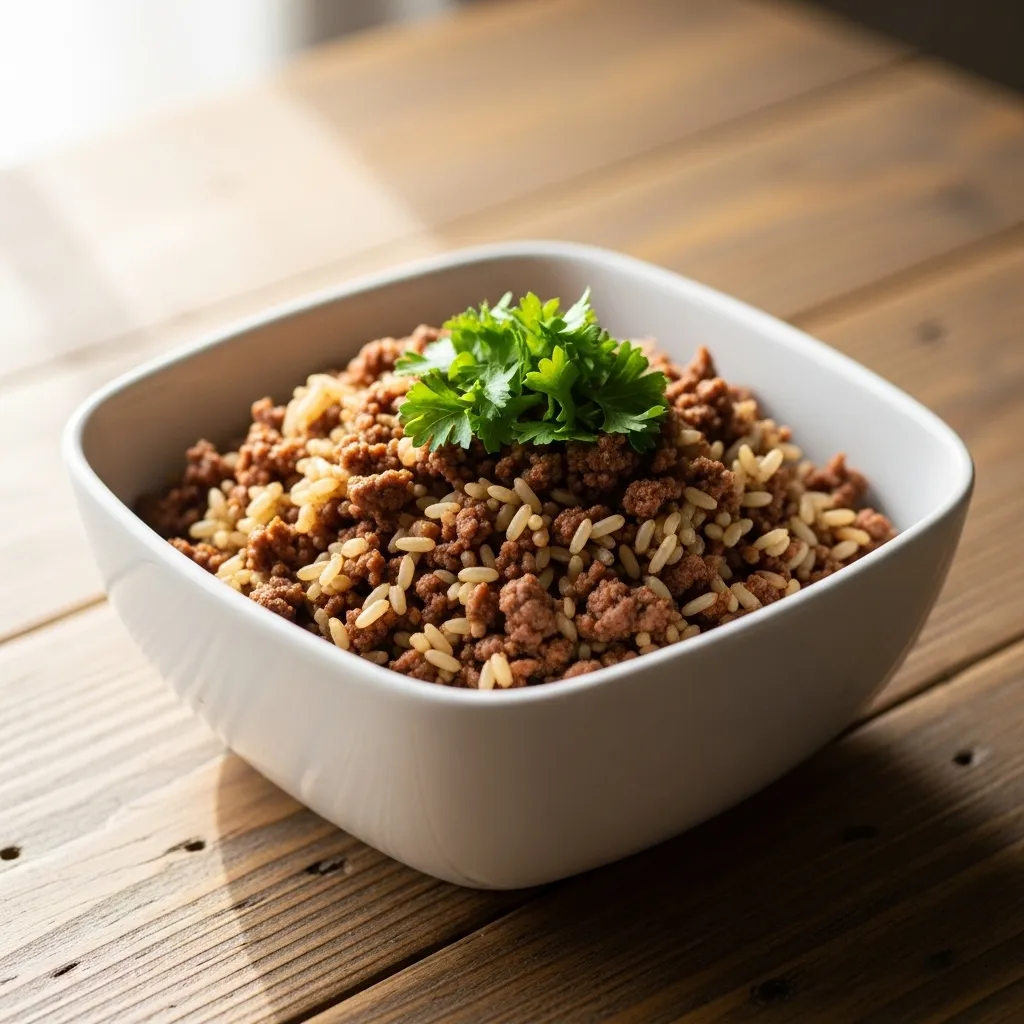
Add Brown Rice for Extra Fiber and Energy
If your dog does well with grains, cooked brown rice adds wonderful texture and slow-release energy. Simply cook half a cup of dry brown rice according to package directions, then stir it into the beef and veggie mixture.
Brown rice is gentle on the stomach and helps firm up stools. I like to make a big batch of rice on the weekend and keep it in the fridge for quick meals throughout the week.
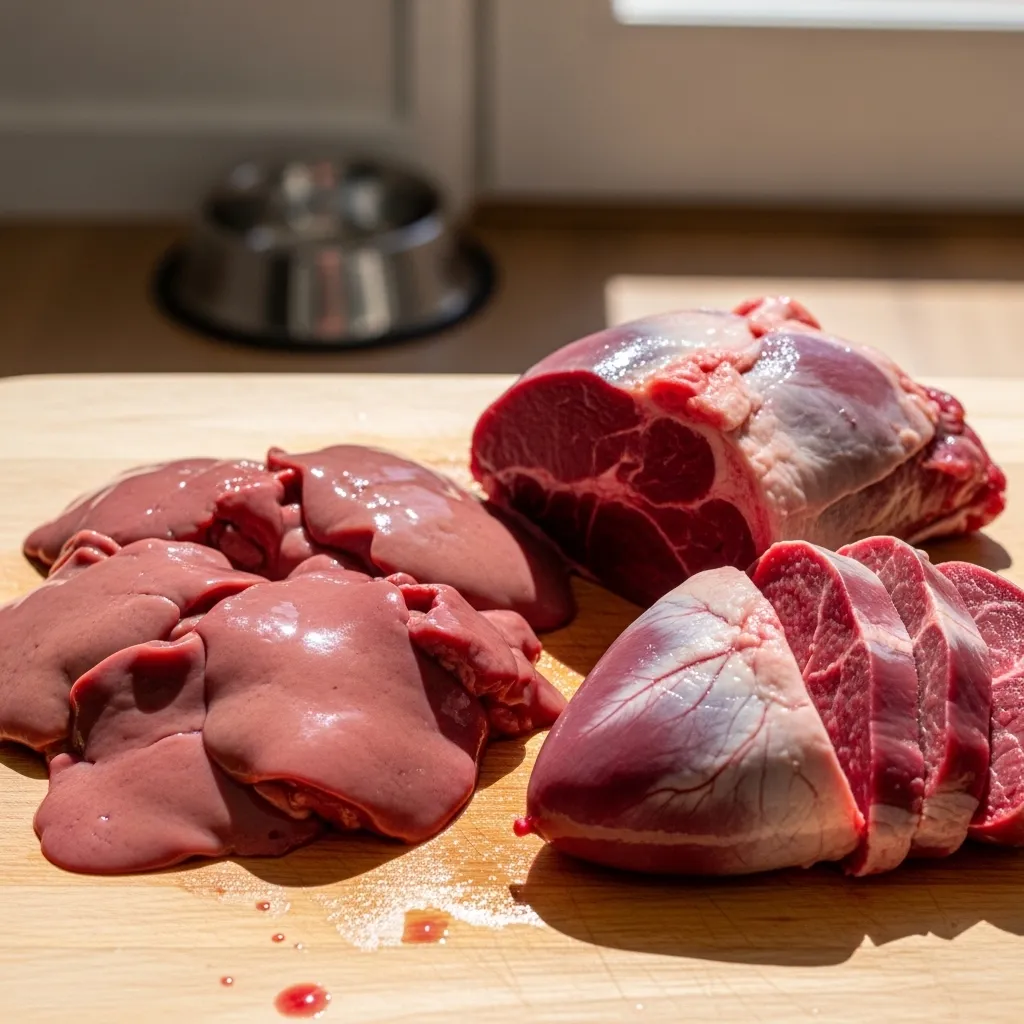
Boost Nutrition With Organ Meats
A little bit of liver or kidney goes a long way in homemade dog food. These organ meats are rich in vitamins A, B, and iron. I add about two ounces of beef liver, finely chopped, to the skillet during the last five minutes of cooking.
Don’t overdo it—too much organ meat can cause loose stools. A small amount once a week is plenty. Your dog will love the rich, meaty flavor it adds.
Include a Calcium Source for Strong Bones
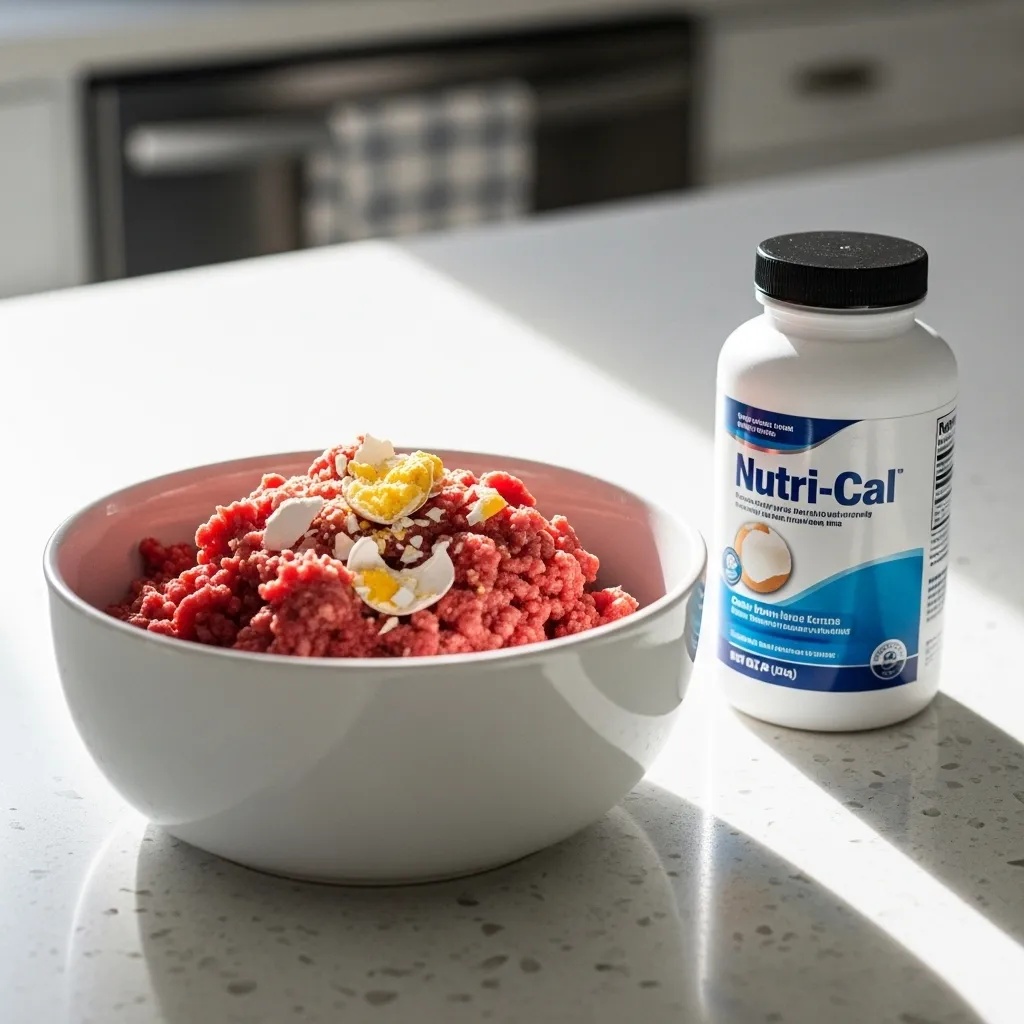
Homemade food often lacks calcium, which is crucial for bone health. The easiest way to add it is with ground eggshells. Just rinse, dry, and grind a few clean eggshells into a fine powder using a coffee grinder or blender.
Add about half a teaspoon of this powder per pound of food. You can also use a pet-safe calcium supplement if you prefer not to make your own. Either way, don’t skip this step for long-term feeding.
Try a Low-Fat Version for Overweight Dogs
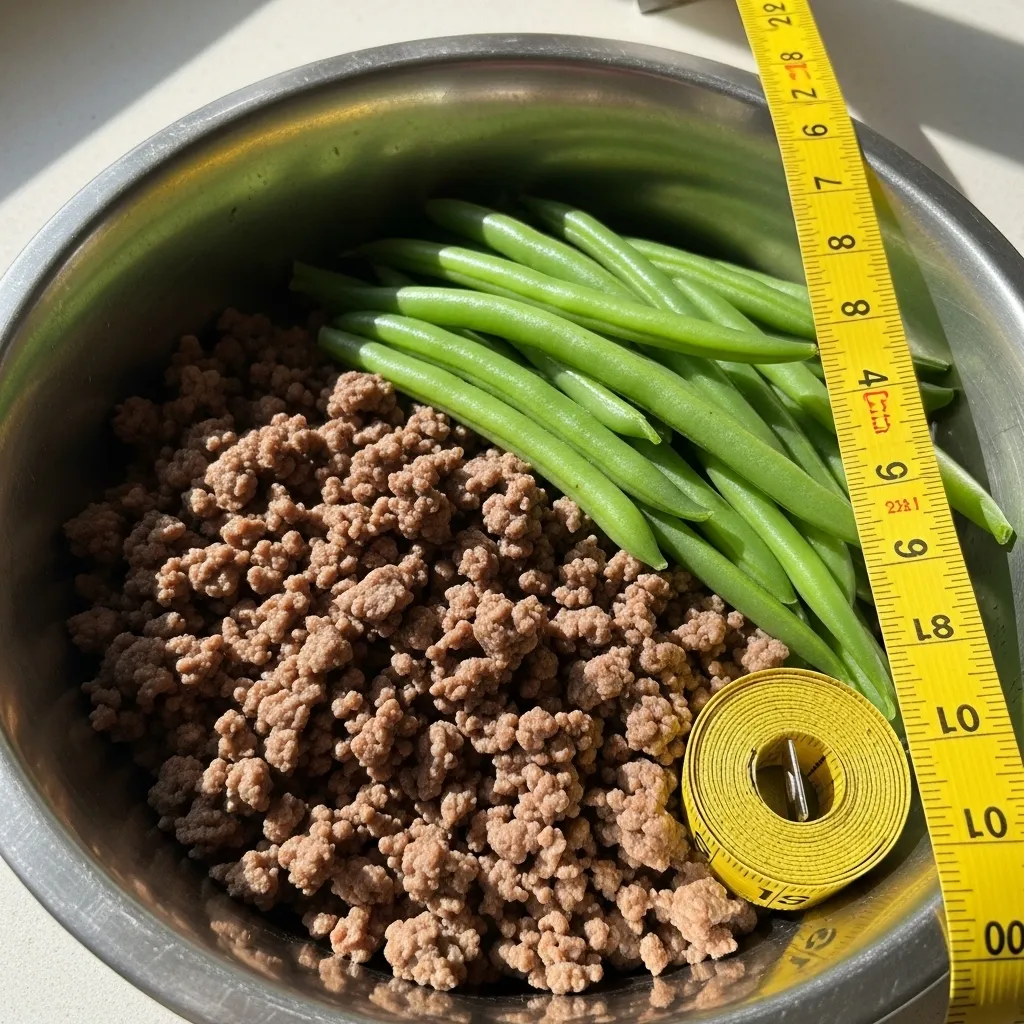
If your dog needs to shed a few pounds, use extra-lean ground beef (93% or higher). Skip the grains entirely and load up on low-calorie veggies like zucchini, spinach, and green beans. You can even add a little pumpkin for fiber without the calories.
Cook everything without any added oil, and be sure to drain any fat that renders. This version is filling but light, and many dogs love the veggie-heavy taste.
Add a Fish Oil Boost for a Shiny Coat
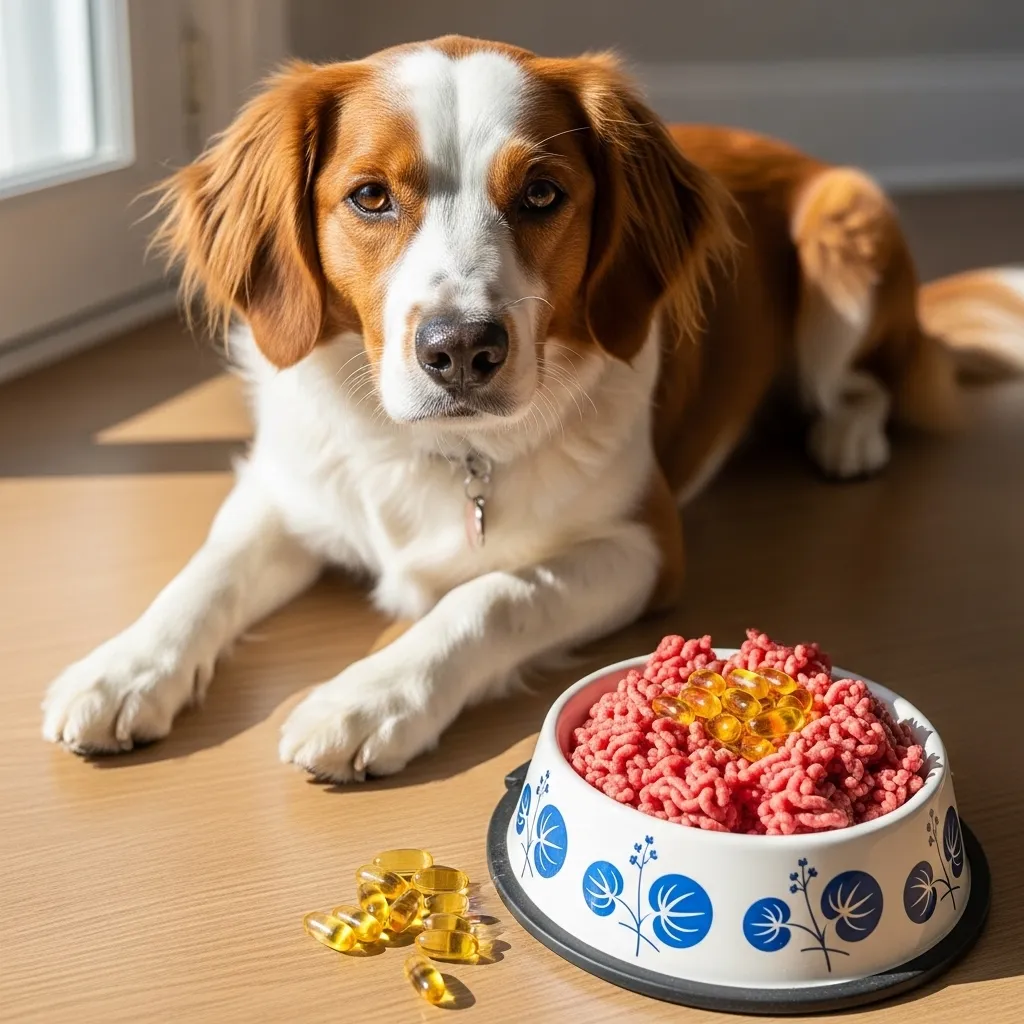
Ground beef is great, but it doesn’t provide omega-3 fatty acids. A quick fix is to stir in a teaspoon of fish oil per serving. I use a salmon oil designed for dogs, but a high-quality fish oil capsule (pricked open) works too.
This simple addition helps reduce itching, supports joint health, and makes your dog’s coat gleam. Just introduce it gradually to avoid any tummy upset.
Make a Grain-Free Version With Sweet Potato
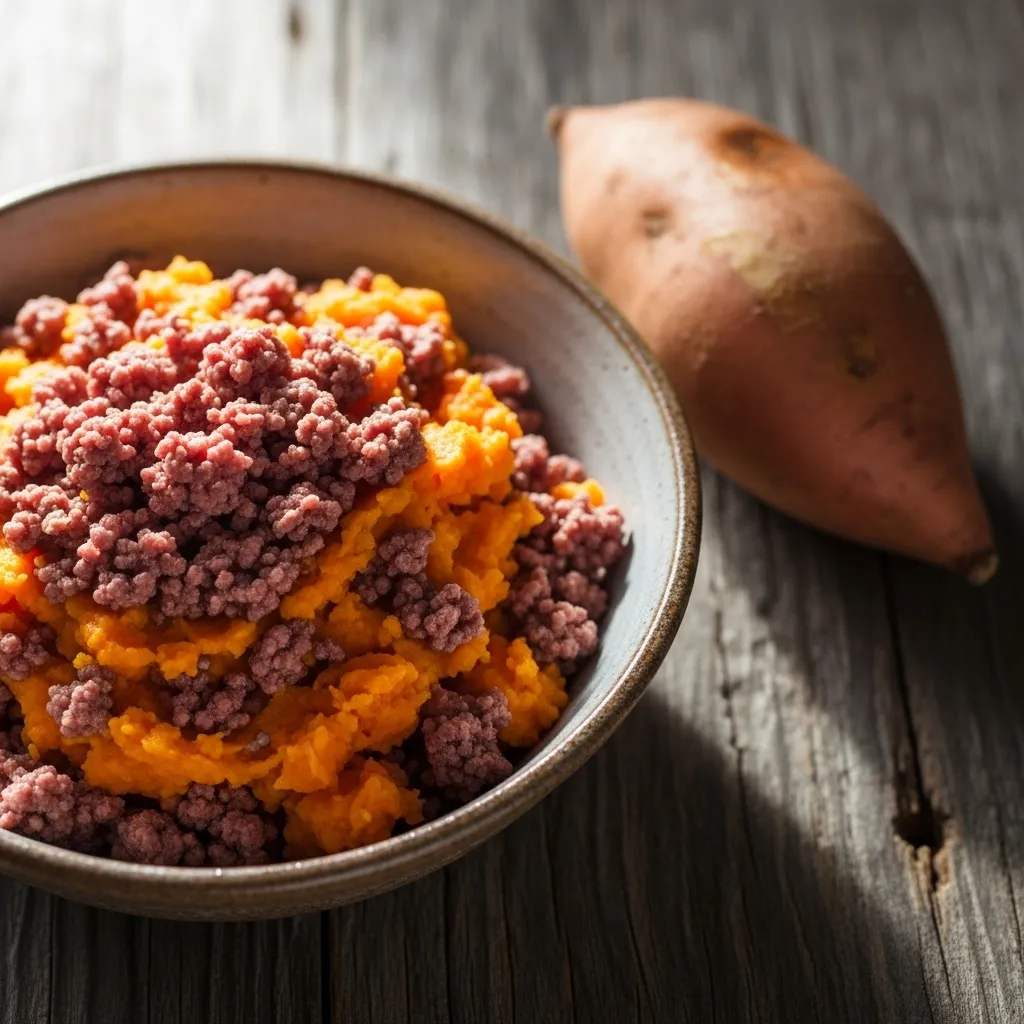
Some dogs do better without grains. For a grain-free bowl, swap the rice for an extra cup of mashed sweet potato or cooked pumpkin. Both are gentle on digestion and packed with vitamins.
I find sweet potato makes the food extra creamy and satisfying. Just be sure to cook it until very soft before mixing. Your dog might lick the bowl clean!
How to Store and Serve Homemade Dog Food
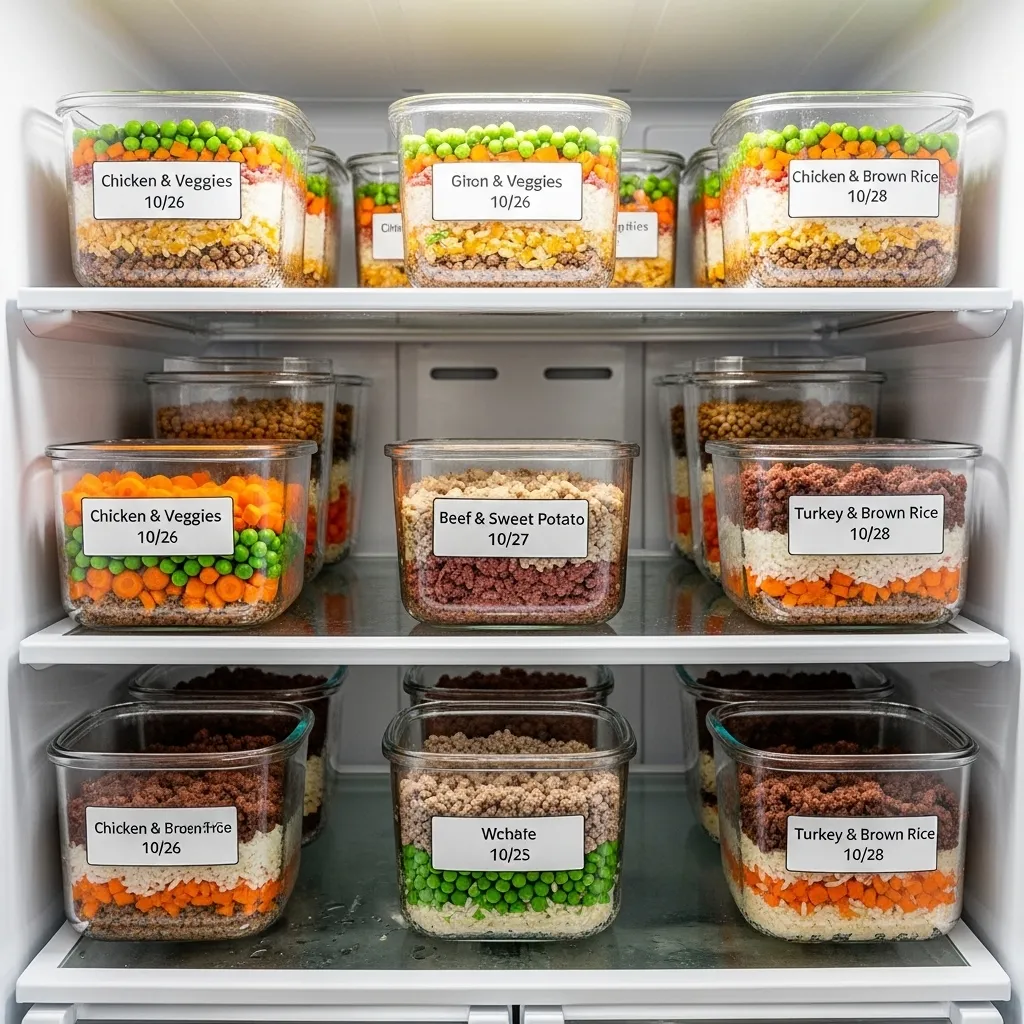
I portion the cooled food into airtight containers and refrigerate for up to four days. For longer storage, freeze individual servings in freezer-safe bags or silicone molds. They last for up to three months.
When it’s time to eat, thaw a portion in the fridge overnight or warm it gently in the microwave for about 20 seconds. Never serve it hot—just slightly warm or at room temperature.
Tips for Transitioning Your Dog to Homemade Food
Switching foods suddenly can upset your dog’s stomach. Start by mixing just a tablespoon of homemade food with their regular kibble, then gradually increase the amount over a week. Watch for any changes in stool or energy.
Every dog is different, so listen to yours. If they seem sluggish or have digestive issues, slow down the transition. Most dogs adjust beautifully within a few days and will start wagging their tail at mealtime.
Conclusion
Making homemade dog food with ground beef is easier than you think, and the joy on your pup’s face is priceless. You control the ingredients, avoid fillers, and can tailor every batch to your dog’s needs. Start with the simple base recipe, then experiment with the variations your dog loves best. Your furry friend will thank you with every happy bite.
Frequently Asked Questions
Can I feed my dog ground beef every day?
Yes, as long as it’s part of a balanced recipe that includes veggies, grains, and a calcium source. Plain ground beef alone doesn’t provide complete nutrition, so always mix it with other ingredients.
Is raw ground beef safe for dogs?
I prefer to cook ground beef to reduce the risk of bacteria like salmonella. Cooking also makes it easier to digest for most dogs. If you choose raw, talk to your vet first and use high-quality meat.
How much homemade food should I give my dog?
A general guideline is about 2–3% of your dog’s ideal body weight per day, divided into two meals. For a 50-pound dog, that’s roughly 1 to 1.5 pounds of food daily. Adjust based on activity level and body condition.
Can I add other proteins to this recipe?
Absolutely! You can swap ground beef for ground turkey, chicken, or even lamb. Just adjust cooking times and fat content accordingly. Rotating proteins can also prevent food sensitivities.
Do I need to add supplements to homemade dog food?
If you’re feeding homemade food as the main diet, you should add a calcium source and possibly a multivitamin designed for dogs. A quick chat with your vet can help you decide what’s best for your pup.