12 Disadvantages of Persian Cats You Should Know Before Adopting One
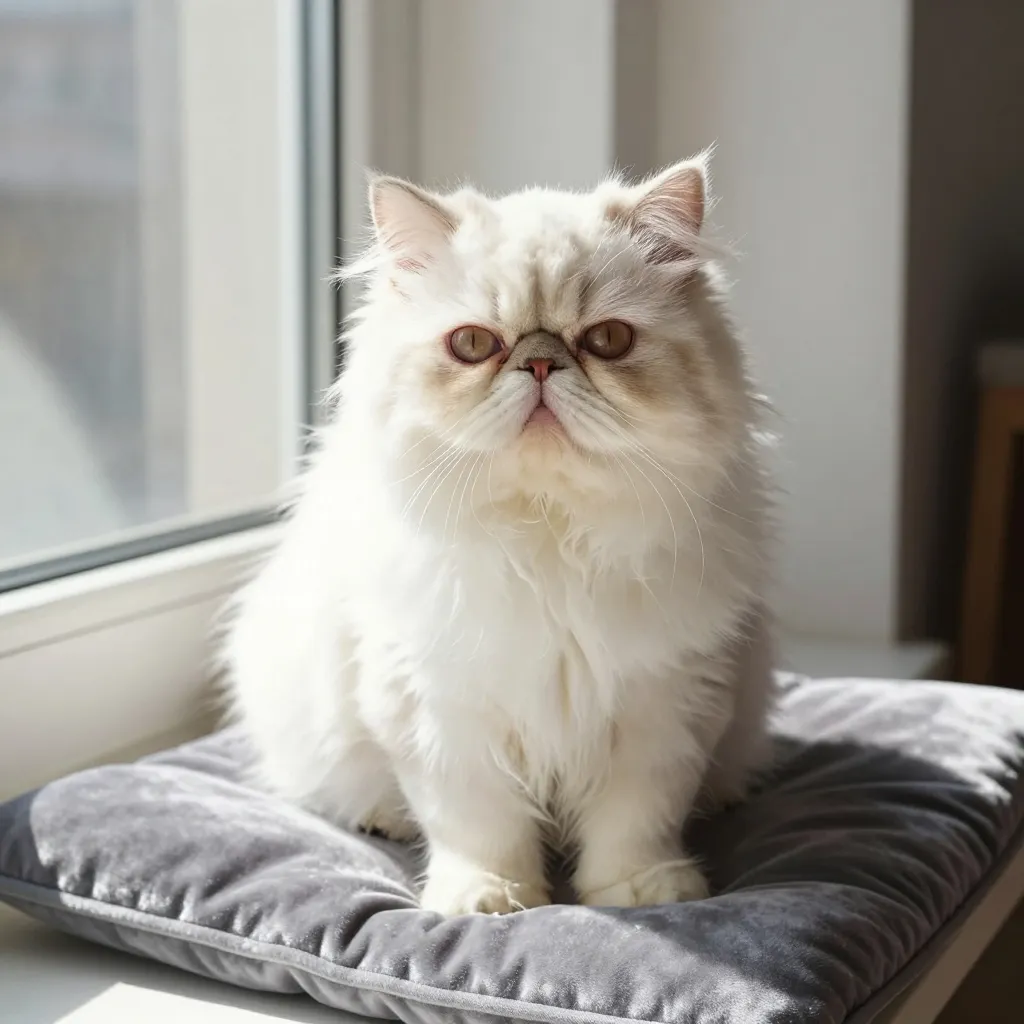
I have always been drawn to Persian cats. Their flat faces, long silky coats, and calm eyes make them look like living stuffed animals. But after spending time with a few of these beauties, I realized there is a lot more to them than just good looks.
Before you bring one home, I think it is only fair to share the not-so-glamorous side. Owning a Persian cat comes with some real challenges. Here are 12 disadvantages I have seen and heard from other cat parents.
1. Daily Grooming Is a Must
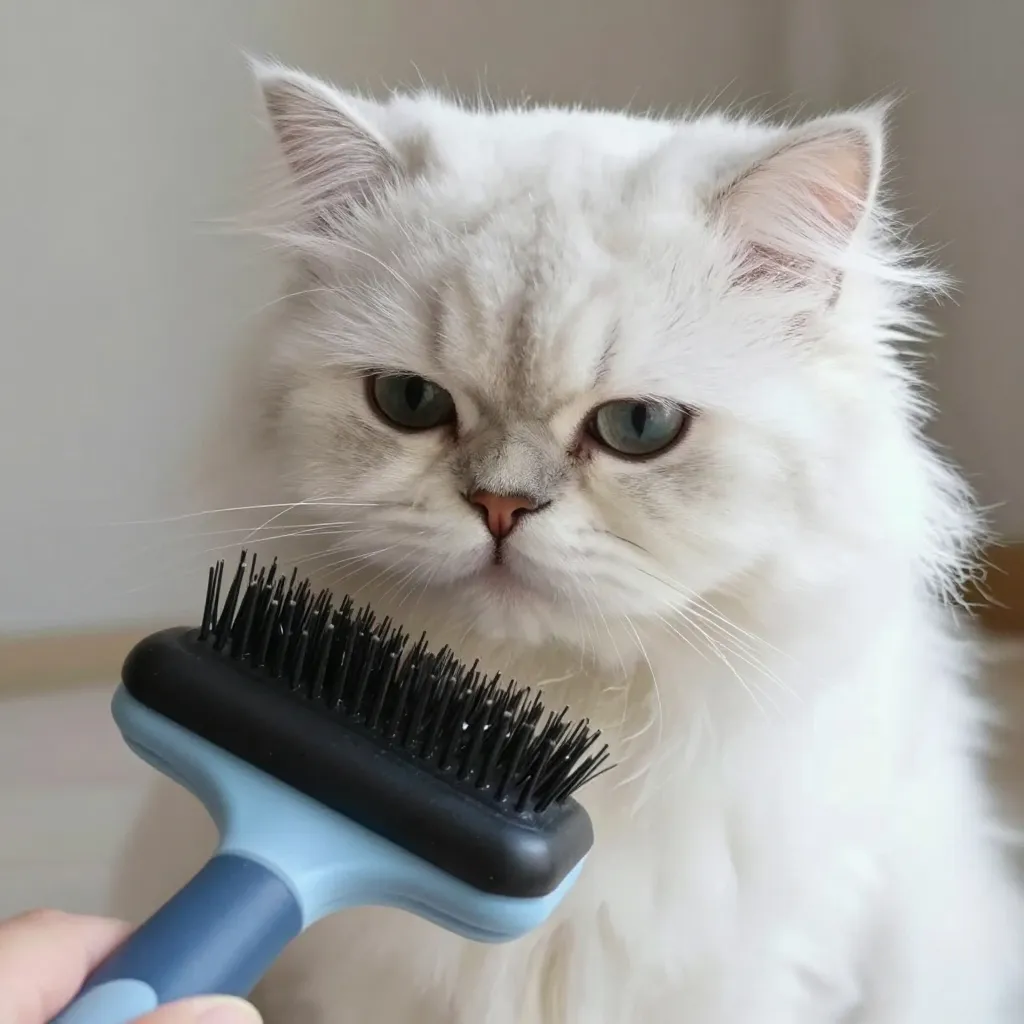
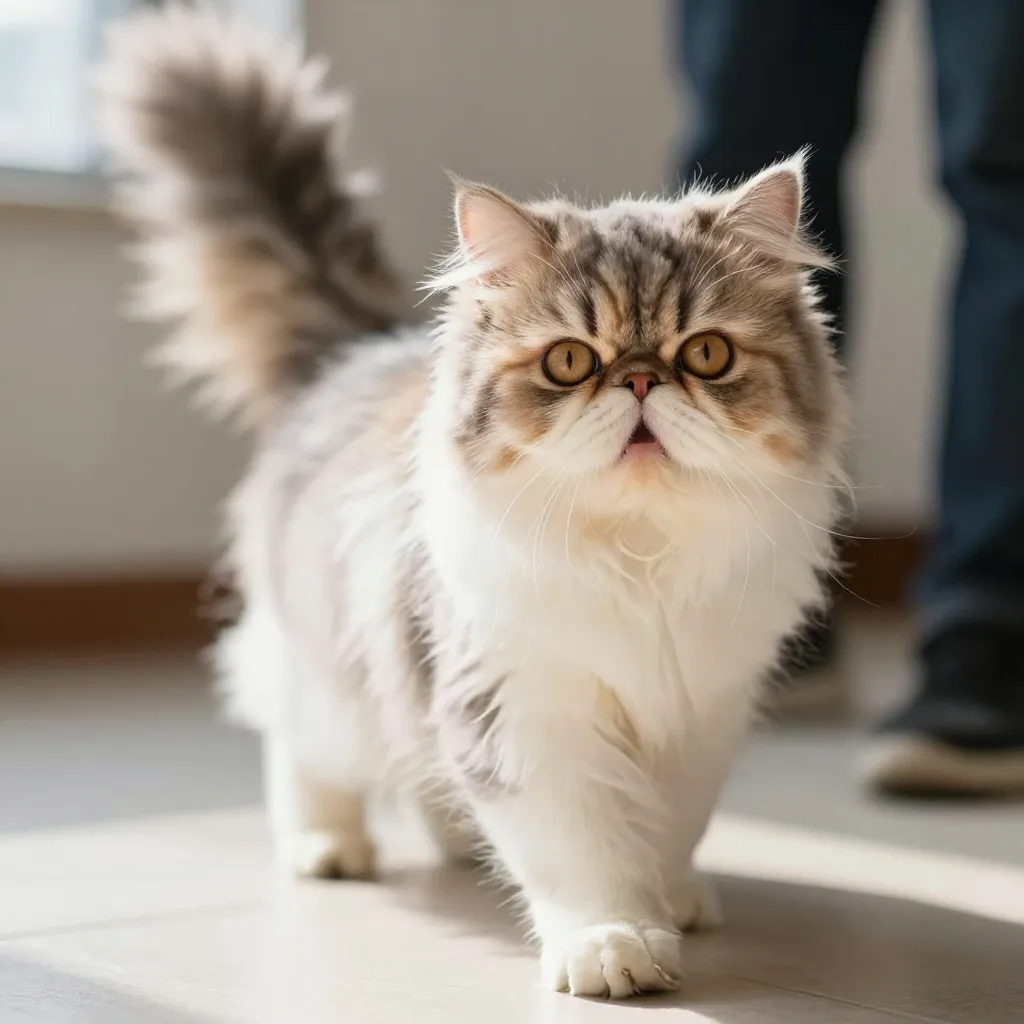
Their long fur is beautiful, but it tangles fast. If you skip brushing even for one day, you will find mats forming near their belly and behind their ears.
I have to brush my Persian cat every single morning. It takes about 15 minutes, and if I miss a spot, I end up cutting out a knot later. You need a good metal comb and a slicker brush ready at all times.
Some people call it a high-maintenance hairstyle. I call it a part-time job.
2. Eye Discharge Needs Constant Wiping
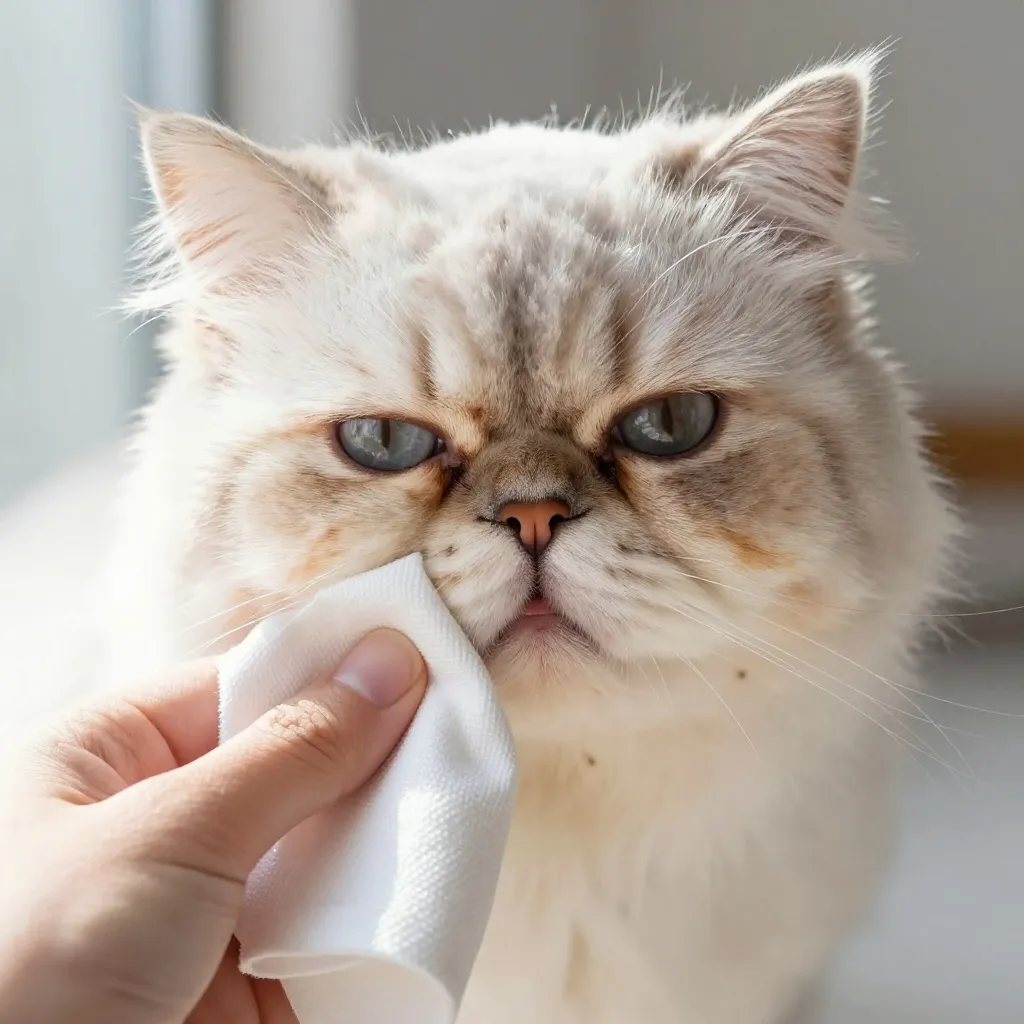
Because of their flat face and short tear ducts, Persian cats often have runny eyes. That brownish stain under their eyes is not dirt—it is just tears mixing with air.
You will need to wipe their eyes gently every day with a soft cloth or special wipes. If you do not, the stains become crusty and can lead to infections. It is not hard work, but it is daily work.
3. Breathing Problems Are Common
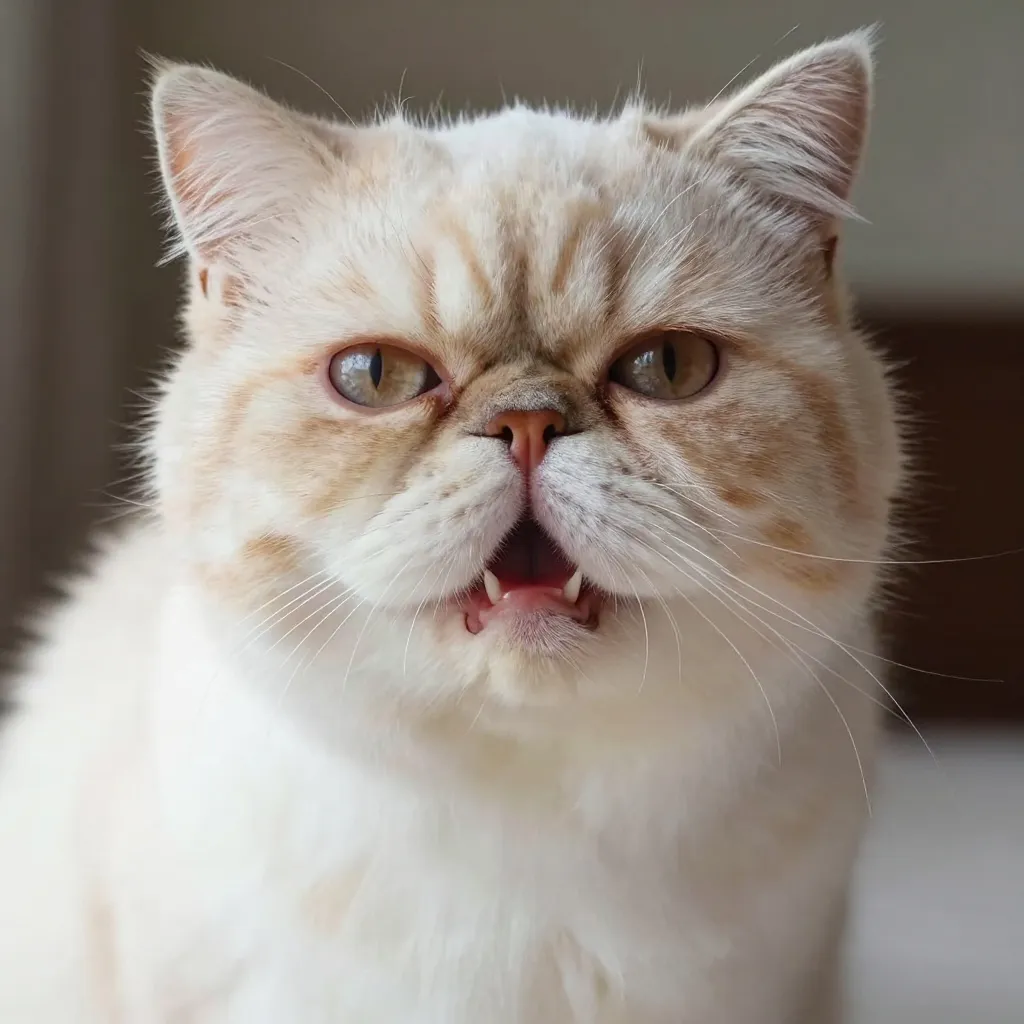
Their pushed-in nose looks cute, but it can make breathing difficult. This is called brachycephalic airway syndrome. Many Persians snore loudly, wheeze after playing, or struggle in hot weather.
I have seen my cat pant after just a few minutes of running around. In summer, I keep the house cool and avoid any stressful activity. It is something you have to watch closely.
4. They Are Not Great Climbers
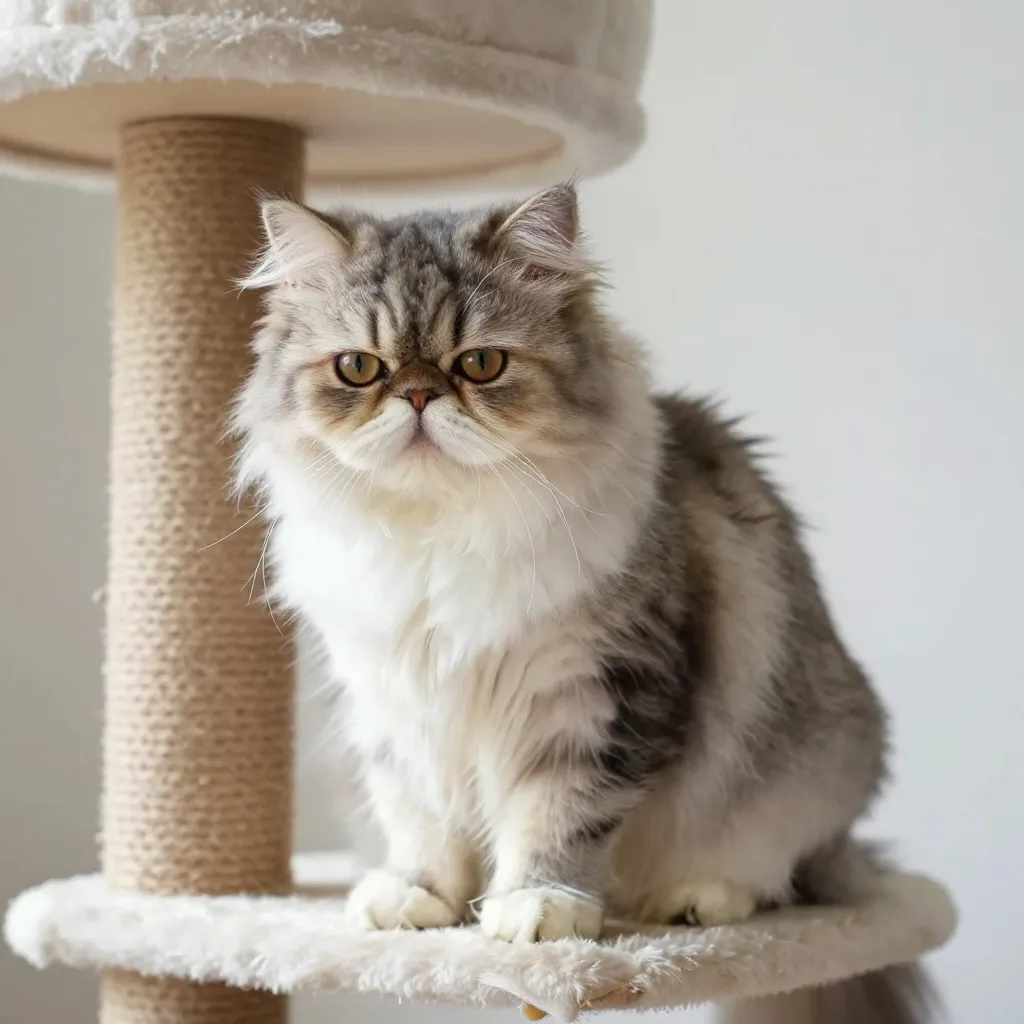
Persian cats are not the athletes of the cat world. They rarely jump on high shelves or climb curtains. Their body is heavy and their legs are short, so they prefer staying on the ground.
If you want a cat that races around the house or leaps onto your fridge, this is not the breed for you. They are more about lounging on soft blankets than exploring high places.
5. They Can Be Picky Eaters
Some Persians have a sensitive stomach. Their flat face also makes it hard for them to pick up food from flat bowls. You might need a shallow or tilted dish to help them eat comfortably.
I have tried three different brands of wet food before finding one my cat actually finishes. Dry food is even trickier because their small jaws struggle to chew large kibble.

6. They Are Prone to Dental Issues
Their small mouth often leads to crowded or misaligned teeth. This makes them more likely to get tartar buildup and gum disease.
You need to brush their teeth regularly or at least use dental treats. I did not realize this at first, and my cat needed a dental cleaning at the vet within her first two years.
7. Heat and Humidity Bother Them
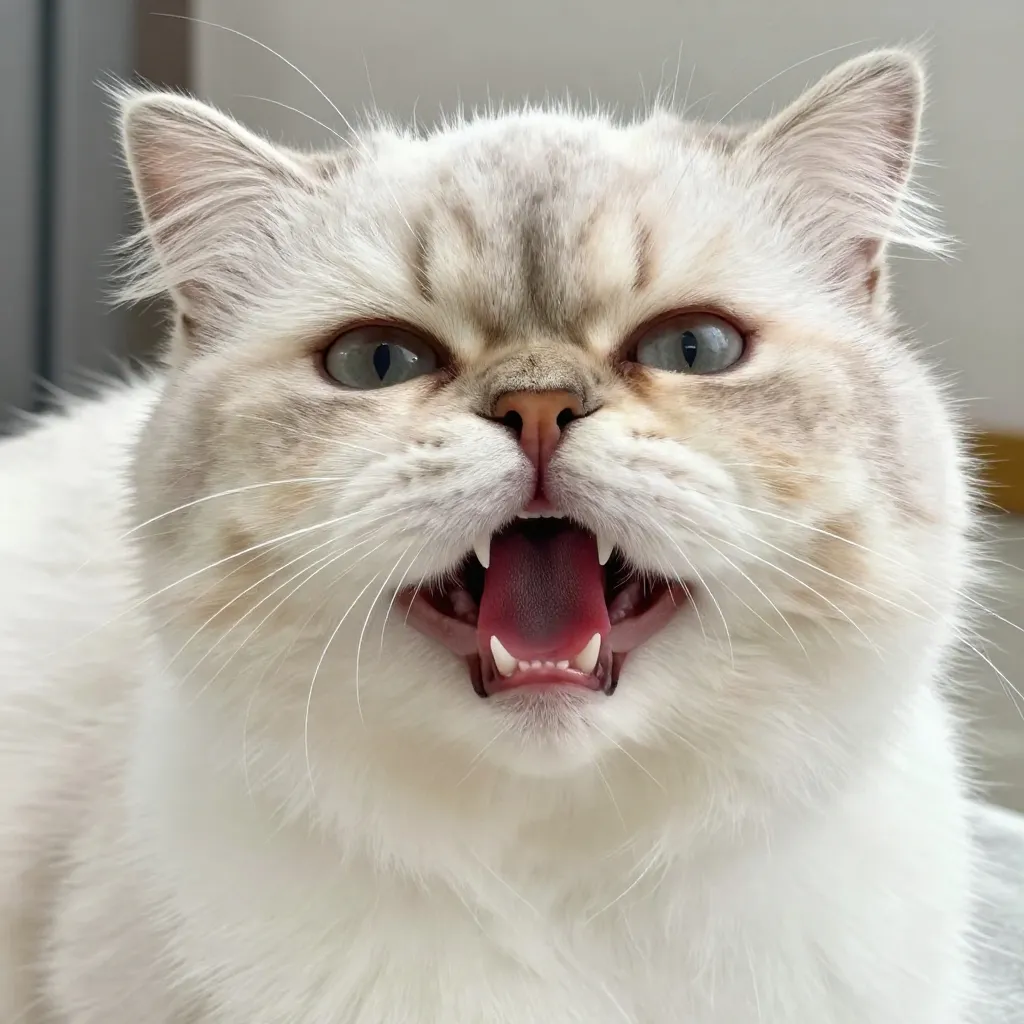
Because of their thick coat and flat face, Persians overheat faster than other cats. They do not tolerate hot, humid weather well.
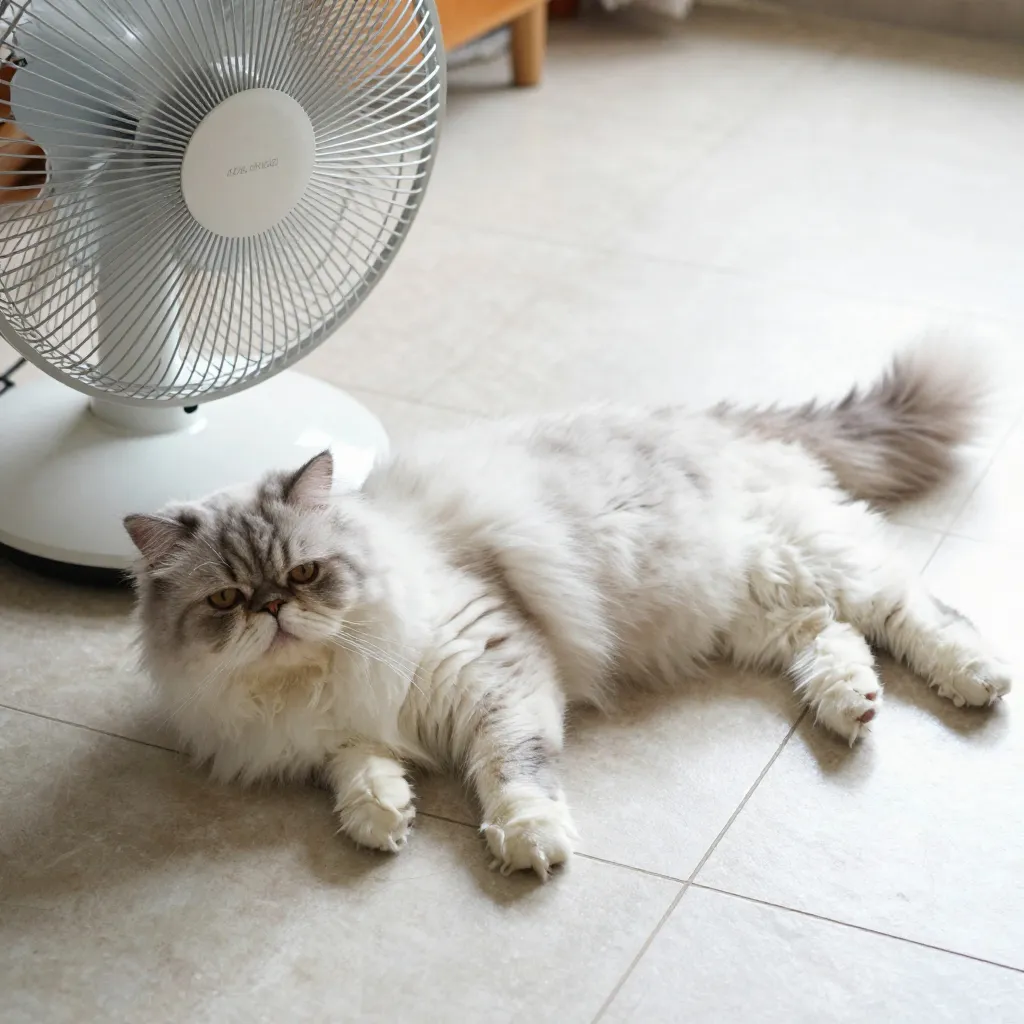
In summer, I always keep the air conditioning on or at least a fan running. If your home gets warm easily, you might see your cat breathing fast or looking for cool tiles to lie on.
8. They Are Not Independent Cats
Persians are often called “lap cats” for a reason. They crave human company and can get lonely if left alone for long hours.
If you work full-time outside the home, this breed might not be the best match. They need someone to sit with them, pet them, and talk to them. A bored Persian can become withdrawn or even stop eating.
9. Litter Box Maintenance Is Higher
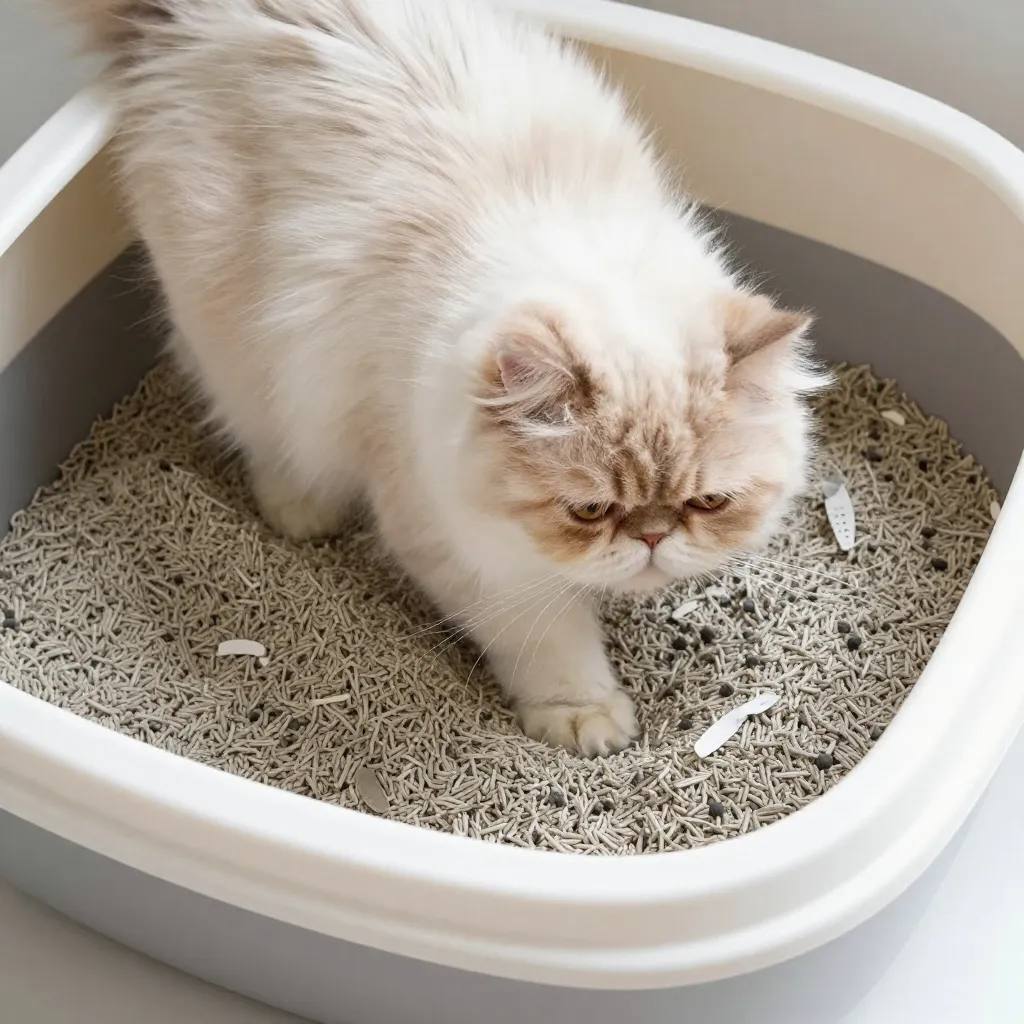
Their long fur easily picks up litter dust and clumps. Sometimes, litter gets stuck on their paws or around their rear end.
I have to check my cat every time she uses the box. If I do not, she tracks litter all over the house. Also, their fluffy backside sometimes needs a quick rinse after bathroom breaks.
10. Health Care Costs Add Up
Between eye infections, breathing issues, dental problems, and skin folds that need cleaning, vet visits are more frequent than with a typical cat.
I recommend setting aside a pet health fund early. Persian cats often need special checkups, and some even develop kidney disease or polycystic kidney disease as they age. Insurance helps, but it is not cheap.

11. Shedding Is Year-Round
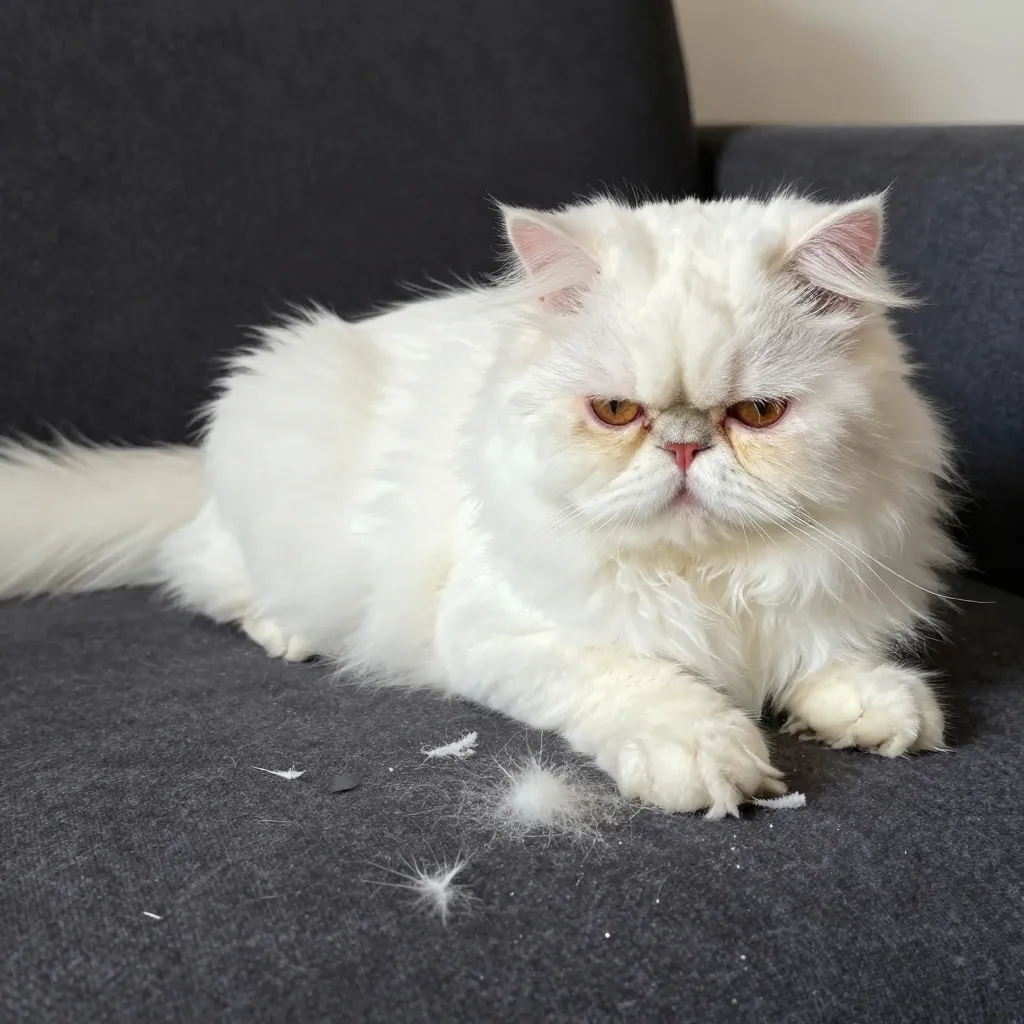
Their long hair sheds constantly. And I mean constantly. No matter how much I brush, I still find fur on my clothes, couch, and even in my coffee mug.
If you are neat or have allergies, this might be tough. A good vacuum and lint roller become your best friends. I have learned to accept that my life now includes a layer of cat hair.
12. They Are Quiet to a Fault
Persians are not big talkers. They rarely meow loudly or demand attention with noise. Some people love this, but others find it hard to know when something is wrong.
If your cat is sick or in pain, they might not make a sound. You have to pay close attention to body language and changes in appetite. I once missed early signs of a urinary issue because my cat was just sitting quietly instead of crying.
Conclusion
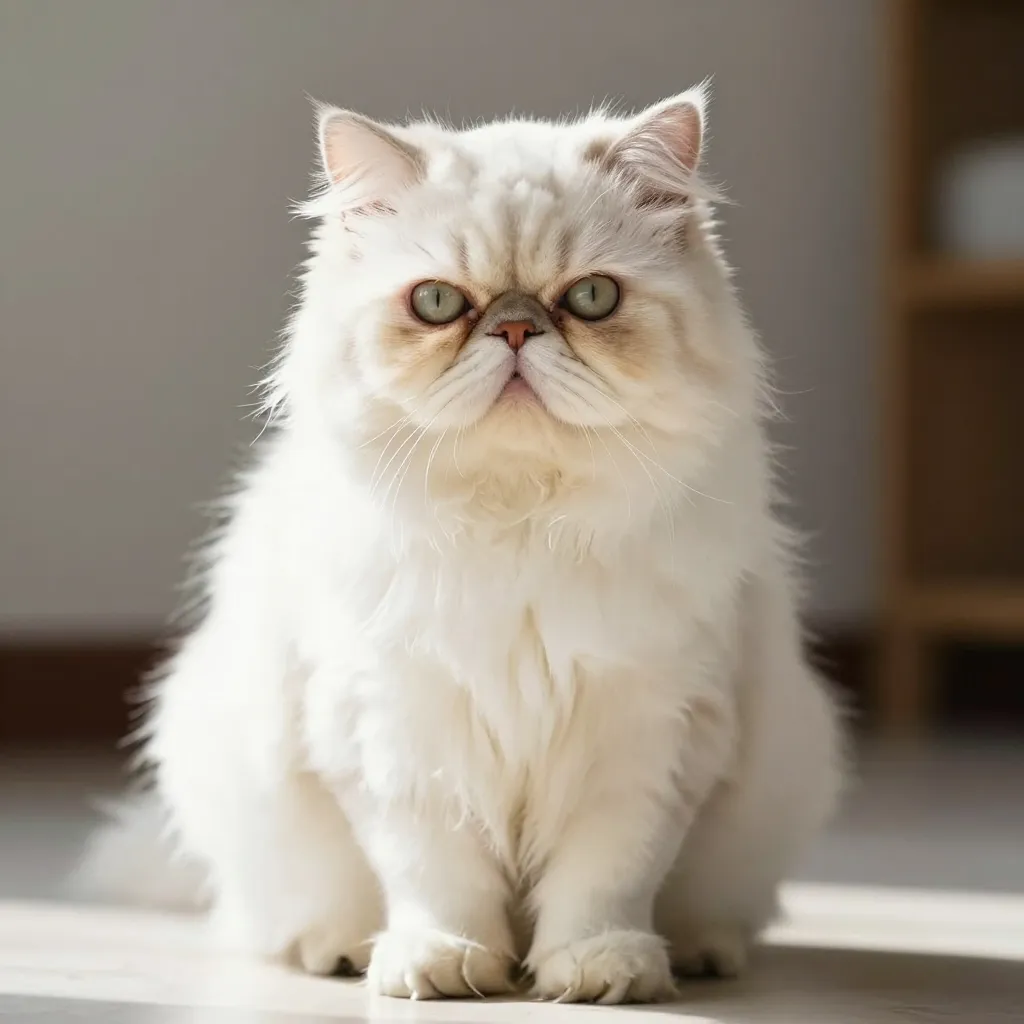
Persian cats are stunning, gentle, and affectionate. But they are also high-maintenance in ways that surprise many new owners. From daily grooming to health issues, this breed asks for a lot of time and attention.
That said, if you are ready to commit, they will reward you with years of quiet companionship. Just go in with open eyes—and a good lint roller.
FAQ About Persian Cats
Q: Do Persian cats have a lot of health problems?
Yes, they are prone to breathing issues, eye problems, dental disease, and kidney conditions. Regular vet checkups are important to catch problems early.
Q: How often should I groom my Persian cat?
Ideally, every day. At minimum, every other day. If you skip, mats will form quickly, and shaving may be needed.
Q: Are Persian cats good with children?
They can be, but they prefer calm environments. Loud or rough play can stress them. Supervised, gentle interactions work best.
Q: Do Persian cats shed a lot?
Yes, they shed heavily all year. Even with daily brushing, you will find fur around your home.
Q: Can Persian cats be left alone during the day?
They can handle a few hours alone, but they do best with company. If you are away for long hours, consider a second cat or a pet sitter.