8 Essential Tips for Future Pomeranian Owners

8 Essential Tips for Future Pomeranian Owners
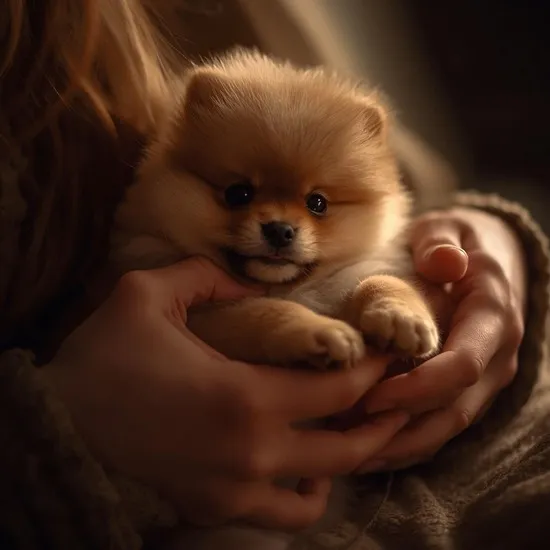
Bringing a Pomeranian into your life is a joyful experience, but it also comes with responsibilities that every future owner should know. These small yet spirited dogs require special attention, especially when it comes to their health, grooming, and daily routine. From personal experience, understanding your Pomeranian’s needs early on makes a huge difference in their happiness and well-being.
Before welcoming your fluffy friend home, it’s crucial to learn about their temperament, exercise needs, and socialization requirements. This knowledge ensures a smoother transition and builds a strong bond between you and your Pomeranian. I found that preparing mentally and physically for their arrival greatly reduces stress for both of us.
Tip 1: Prioritize Early Socialization
Pomeranians are naturally curious and alert, but early socialization is key to preventing fearfulness or aggression. Introducing your pup to various environments, people, and other pets helps them develop confidence and positive behaviors. I started socializing my Pomeranian puppy at just 8 weeks old, and it made a world of difference in how she interacts with strangers and other animals.
Structured playdates and visits to puppy classes provide safe opportunities for socialization. The goal is to create positive experiences that your Pomeranian will associate with new situations, reducing anxiety and helping them grow into a well-rounded companion. Consistency is crucial during this phase.
Tip 2: Master Proper Grooming
Pomeranians have thick, double coats that require regular grooming to stay healthy and mat-free. Daily brushing prevents tangles, reduces shedding, and promotes a shiny, healthy coat. I quickly realized that investing time in grooming routines not only keeps my Pomeranian looking adorable but also strengthens our bond as I handle her gently and patiently.
Bathing should be done with dog-specific shampoo every few weeks, and nails, ears, and teeth should also be regularly checked. Grooming isn’t just about appearance—it’s an essential part of their overall health and comfort. Making grooming a positive experience from the start encourages your Pomeranian to cooperate willingly.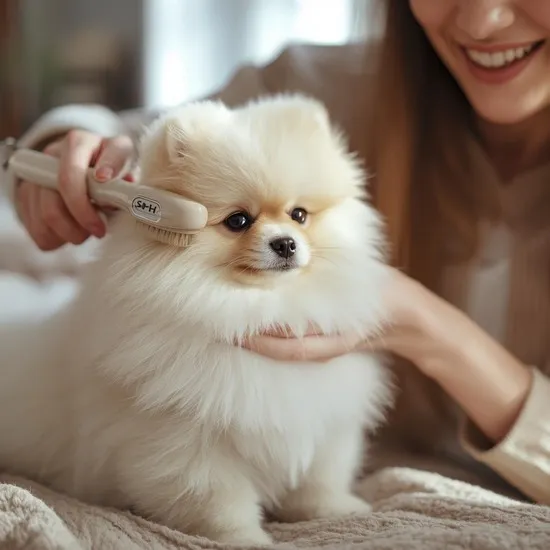
Tip 3: Ensure Proper Nutrition
Feeding a high-quality diet appropriate for small breed puppies is critical for your Pomeranian’s growth and energy levels. Their metabolism is fast, and they require nutrient-rich food in small, frequent meals. I learned that choosing the right kibble and monitoring portion sizes helps prevent obesity and digestive issues in my little dog.
Supplements may be necessary, but always consult a veterinarian before adding anything to your Pomeranian’s diet. Fresh water should be available at all times to keep them hydrated, especially during playtime or exercise. Balanced nutrition lays the foundation for a long and healthy life.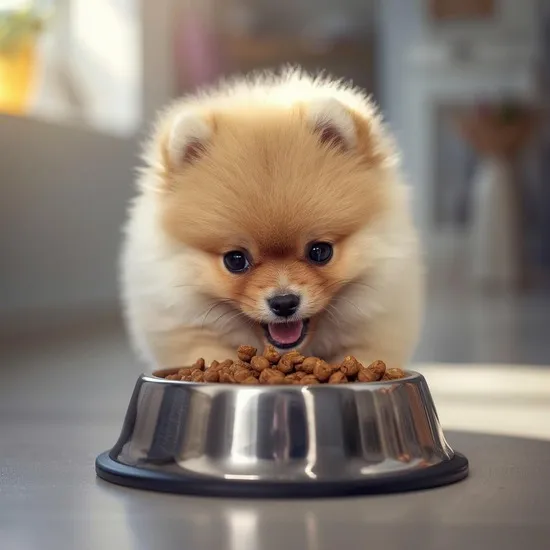
Tip 4: Establish a Consistent Routine
Pomeranians thrive on structure and predictability. Setting a consistent schedule for feeding, playtime, potty breaks, and bedtime helps your pup feel secure and reduces behavioral issues. When I created a daily routine for my Pomeranian, I noticed she was calmer, more confident, and less prone to anxiety.
Consistency also aids in training, making it easier for your Pomeranian to learn commands and house rules. Establishing clear expectations and following them consistently strengthens the human-dog relationship.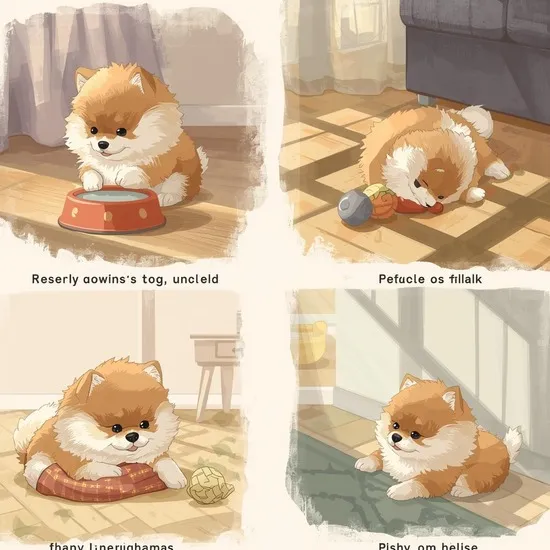
Tip 5: Provide Mental Stimulation
These intelligent little dogs require mental challenges to prevent boredom and destructive behaviors. Puzzle toys, obedience training, and interactive games stimulate their minds and keep them engaged. I discovered that rotating toys and introducing new challenges kept my Pomeranian entertained and mentally sharp.
Short training sessions multiple times a day work best, as Pomeranians have limited attention spans. Mental exercise complements physical activity, ensuring your pup remains happy and well-behaved.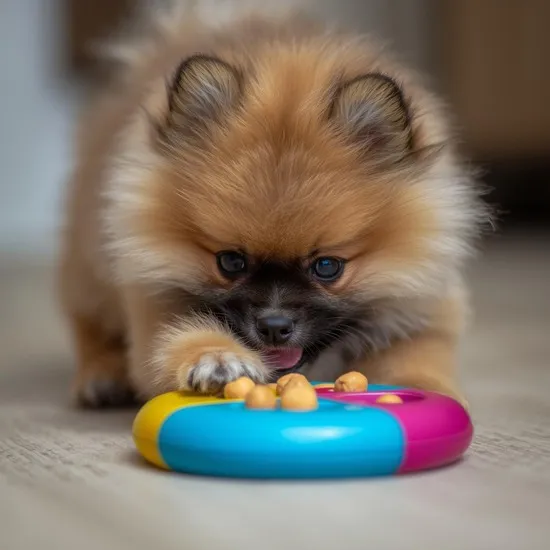
Tip 6: Prioritize Health Checkups
Regular veterinary visits are essential to monitor your Pomeranian’s growth, vaccination schedule, and overall health. Early detection of common small breed issues, such as dental problems or patellar luxation, can save significant stress and medical costs later. I make sure to schedule routine checkups every few months, which helps maintain peace of mind and keeps my Pomeranian healthy.
Vaccinations, parasite control, and preventive care are critical aspects of responsible ownership. Building a trusting relationship with your veterinarian ensures that your Pomeranian receives timely and effective care.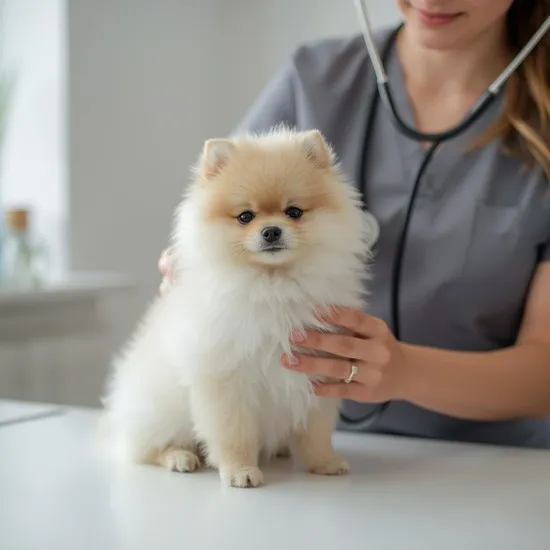
Tip 7: Train with Positive Reinforcement
Pomeranians respond best to positive reinforcement methods, using treats, praise, and affection rather than punishment. Rewarding desired behaviors encourages repetition, while patience and consistency build a strong foundation for obedience. I used small treats and gentle praise to teach basic commands, and my Pomeranian learned quickly and happily.
Training sessions should be short and fun to maintain engagement. Avoid harsh methods, as they can create fear and mistrust. Positive reinforcement fosters a confident and well-mannered pup that enjoys learning new things.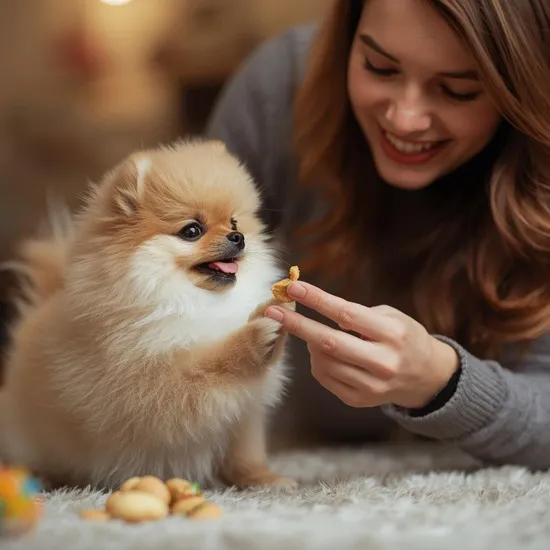
Tip 8: Show Love and Patience
Finally, Pomeranians are affectionate and sensitive dogs who thrive on love and attention. Patience, understanding, and gentle handling create a nurturing environment that promotes emotional security. I found that spending quality time with my Pomeranian through cuddles, play, and calm interaction deepened our bond and contributed to her overall well-being.
Emotional care is as important as physical care. Being attentive to your Pomeranian’s moods and needs strengthens trust and happiness, making them a loving, loyal companion for life.