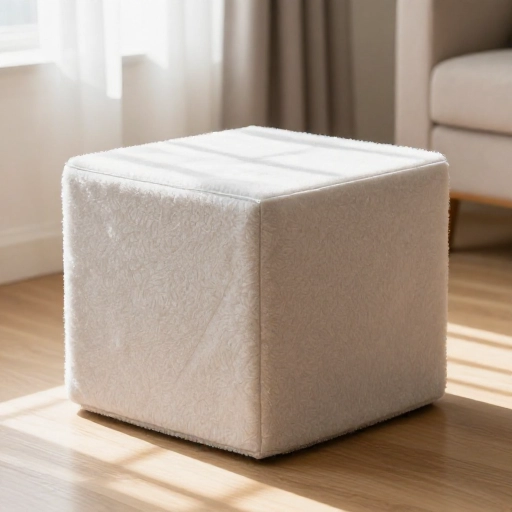
11 DIY Cat Cave Projects for Happy Pets
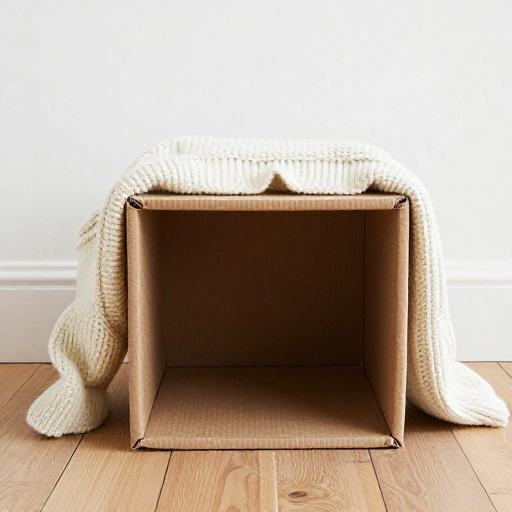
I’ve spent way too much money on fancy cat beds that my two cats completely ignored. They prefer cardboard boxes, laundry baskets, and the corner of my closet. That’s when I realized: cats don’t need expensive furniture. They need cozy, safe hideouts that feel like their own little world.
After trying several DIY projects (and a few messy fails), I found the best cat cave ideas that are easy on the wallet and actually get used. These 11 designs are perfect for any skill level—from no-sew options to simple woodworking. Your cat will thank you by finally leaving your clean laundry alone.
1. The Classic Sweater Cave
Grab an old thick sweater you never wear anymore. Turn it inside out and sew the bottom closed. Leave the neck opening as the entrance. Stuff it with soft filling or an old pillow. Flip it right side out and fluff the sleeves inside for a snug tunnel effect. My orange tabby curls up in this every single night. It works because the fabric smells like you, which makes cats feel safe.
You can also skip the sewing entirely. Use fabric glue or even safety pins if you’re in a hurry. Just make sure there are no loose threads that could catch claws.
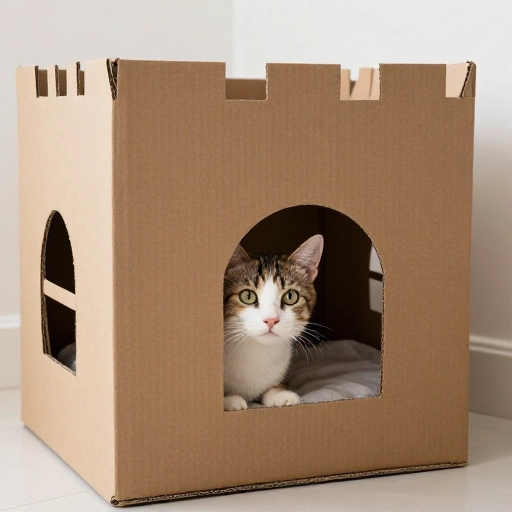
2. Cardboard Box Castle
Every cat owner knows the struggle of buying a fancy bed only to have the cat sleep in the delivery box. Lean into it. Grab a medium-sized cardboard box and cut a round doorway on one side. Tape the flaps down flat on the inside. Add a soft towel or an old fleece blanket at the bottom.
For extra fun, cut small window holes on two sides. Your cat will love peeking out like a little guardian. Replace the box when it gets worn out—usually every few months. Best part? It costs absolutely nothing.
3. Hanging Basket Hideaway
I found a thick rope hanging basket at a thrift store for three dollars. I lined it with a round cushion I made from an old pillowcase. Hang it from a strong ceiling hook in a quiet corner. My shy cat claimed it within minutes.
Make sure the basket is sturdy enough to hold your cat’s weight. Test it with heavy books first. Place it at a height where your cat can jump in easily. The gentle swaying motion is incredibly calming for anxious cats.

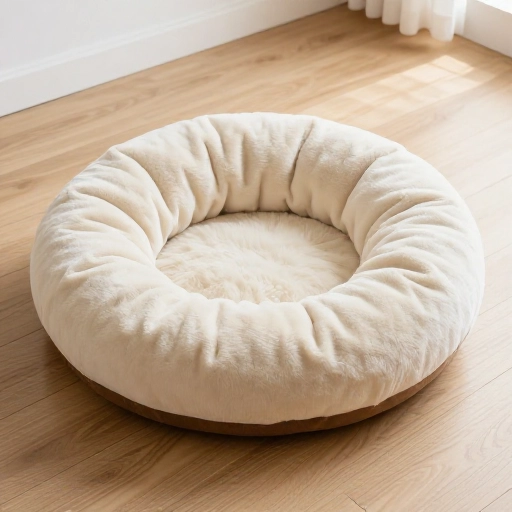
4. No-Sew Fleece Donut Bed
This one is incredibly simple and requires zero sewing skills. Cut two large circles from fleece fabric—about two feet wide each. Place a thick layer of polyester stuffing in the center of one circle. Place the second circle on top. Cut slits around the edge and tie the two layers together with double knots. Fluff the edges up to form a rim.
The result is a soft, nest-like cave that mimics a mother cat’s warmth. Use machine-washable fleece so you can toss it in the laundry when it gets dirty. My cat kneads this bed for ten minutes before settling down.
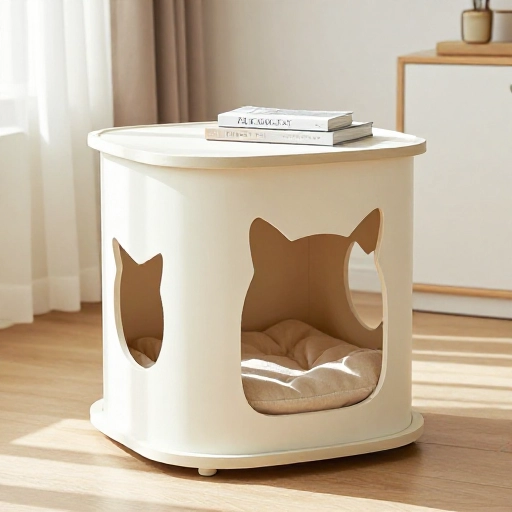
5. Repurposed End Table Cave
Got an old wooden end table with a shelf? Turn it into a two-story cat cave. Remove the bottom shelf and cut a cat-sized hole in the side panel. Sand the edges smooth so there are no splinters. Paint or stain it to match your decor. Add a soft cushion inside.
The top surface still works as a side table for your coffee mug. Your cat gets a private den underneath. It’s the most furniture-friendly option on this list. My friend made one and her cat uses it more than her actual couch.
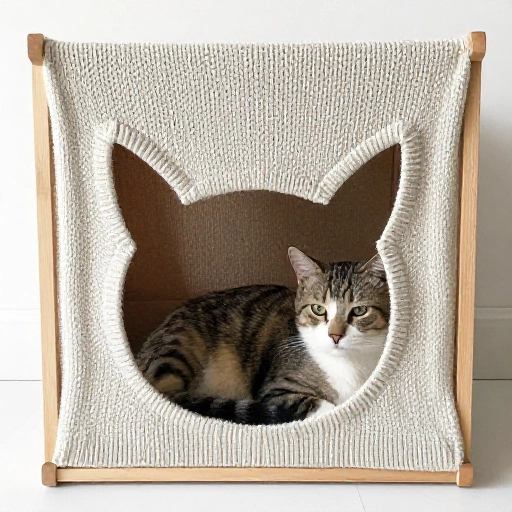
6. Sweater on a Frame
Take an old wool sweater and stretch it over a wire hanger frame. Shape the hanger into a dome by bending it carefully. Sew or pin the sweater edges to the hanger base. Cut a small doorway in the front. Place a soft mat inside.
This creates a lightweight, portable cave you can move from room to room. Wool is naturally temperature-regulating, so it stays cool in summer and warm in winter. My cat loves when I place it near a sunny window.
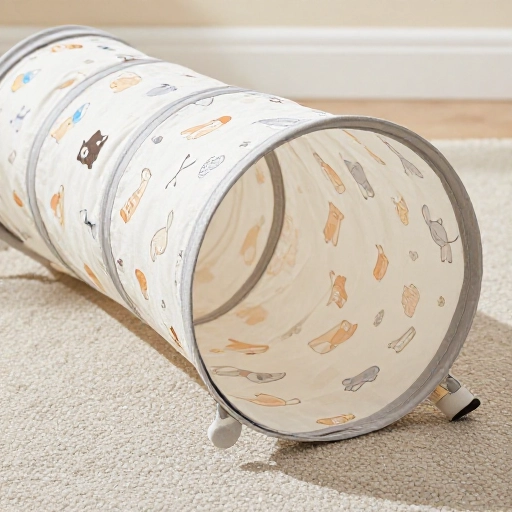
7. Fabric Tunnel Tube
Buy a cheap cylindrical cat tunnel from a discount store. Cover it with fabric scraps or felt using fabric glue. Add a small pillow inside one end. The tunnel shape appeals to cats who like to burrow and hide.
I made one with two entrances so my cat can dash through it during her crazy zoomie sessions. It doubles as a hideout when she wants to nap undisturbed. Easy to roll up and store when guests come over.
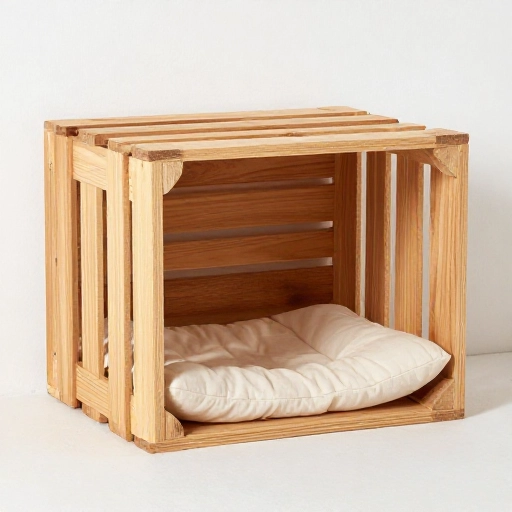
8. Wooden Crate Cave
Get a small wooden crate from a craft store. Sand it thoroughly to prevent splinters. Paint it with non-toxic paint or leave it natural. Add a soft cushion or folded blanket inside. Place it on its side so the opening faces outward.
Wood crates are sturdy enough for heavy cats and last for years. You can stack two crates together for a multi-level cave. My cat loves that she can see out while still feeling hidden. It adds a rustic touch to any room.
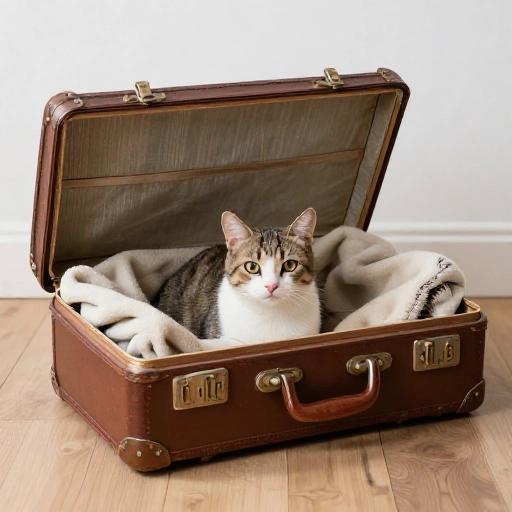
9. Old Suitcase Hideout
Find a vintage suitcase at a thrift store. Open it slightly and prop the top open with a small wooden block. Line the inside with soft fabric. The closed sides create a perfect dark den. Some cats love the vintage smell of old leather or fabric.
Make sure the suitcase is clean and free of mold. Add a small blanket that smells like home. This cave looks like decor when not in use. Close it completely when you need to hide it away.
10. Pillow Fort Cave
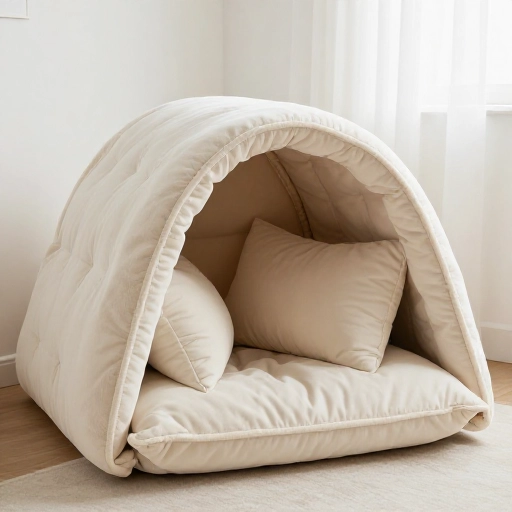
Take two large sofa pillows and lean them against each other to form a triangle. Drape a lightweight blanket over the top. Place a small cushion inside. This takes thirty seconds to build and your cat will think it’s the greatest thing ever.
Use pillows with removable covers so you can wash them easily. This is perfect for temporary setups or if you have limited space. My cat often drags her toys inside and plays for hours.
11. Laundry Basket Cozy Den
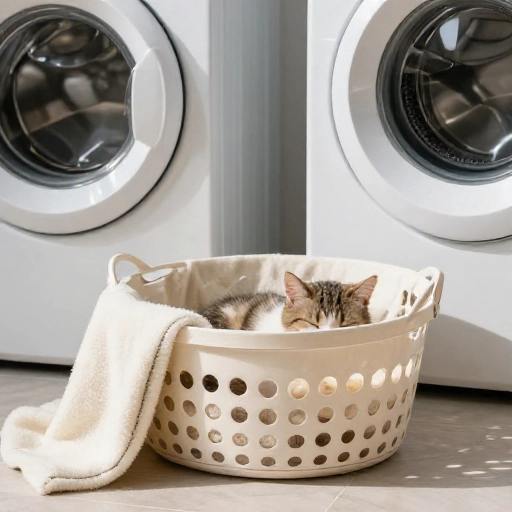
Grab a plastic laundry basket with small holes. Turn it upside down. Cut a cat-sized door in one side. Place a soft towel or pet bed underneath. The basket acts as a protective dome. Your cat can see out through the holes but feels completely enclosed.
This is fantastic for nervous cats who need a safe spot during thunderstorms or visitors. The plastic is easy to clean with a damp cloth. It’s also lightweight enough to move around the house as needed.
These 11 projects have saved me hundreds of dollars and made my cats genuinely happier. The best part is seeing their little faces light up when they discover their new hideout. Pick the one that matches your skill level and the stuff you already have at home. Your cat will love you for it.
Frequently Asked Questions
What materials are safest for DIY cat caves?
Stick with natural fabrics like cotton, fleece, and wool. Avoid materials with loose threads, small buttons, or toxic dyes. Cardboard is safe but replace it when it gets soggy or torn.
How do I get my cat to use a new cave?
Place a familiar blanket or piece of your clothing inside. Sprinkle a little catnip near the entrance. Leave it in a quiet spot where your cat already likes to nap. Patience works best—don’t force them inside.
Can I wash DIY cat caves?
Most fabric caves can be machine washed on a gentle cycle. Remove any cardboard or wooden parts first. Air dry to prevent shrinking. For cardboard caves, spot clean with a damp cloth only.
How long do these caves usually last?
Cardboard and fabric caves last a few months to a year depending on use. Wooden and frame-based caves can last several years. Replace them when you see wear, loose parts, or if your cat stops using them.
Are these caves safe for kittens?
Yes, but supervise kittens closely. Avoid caves with small parts they could chew off. Ensure entrances are large enough so they don’t get stuck. Soft fabric caves are best for tiny kittens.