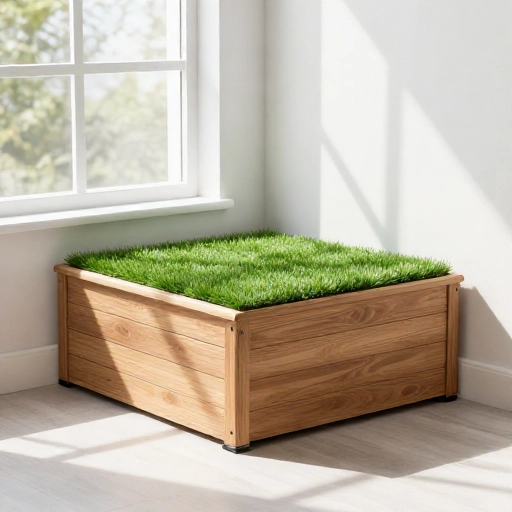
13 Space-Saving Cat Litter Ideas That Look Amazing (Small Apartment Approved)
I live in a 600-square-foot apartment with two cats. For years, the litter box sat in the middle of my bathroom like a plastic elephant, and I just accepted it. Then one day I realized I was designing around the box instead of for it.
So I went down a rabbit hole. I tested cabinets, corner setups, top-entry boxes, curtains, hidden nooks — basically anything that would keep the litter out of sight without making my cats miserable. Some ideas flopped hard. The ones below actually worked, and they look good enough that guests never notice them.
Whether you’ve got a studio, a hallway with one free corner, or just a bathroom that’s doing too much, there’s an idea here for you. Save this one — you’ll want it later.
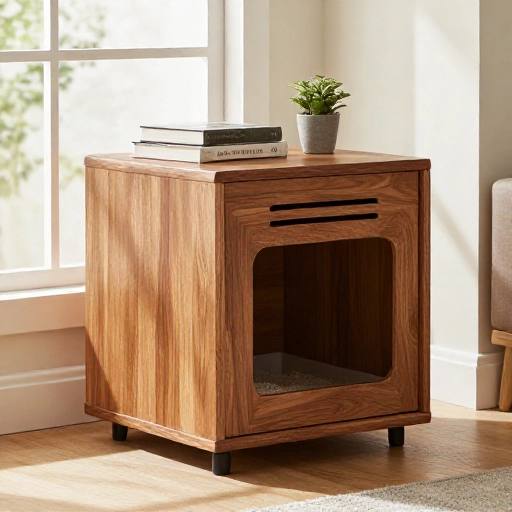
1. A Litter Cabinet That Doubles as a Side Table
This is my all-time favorite fix. Instead of hiding the box, I gave it a job. A cabinet with a hole cut in one side now holds the litter box, and the top holds a lamp, a candle, and my coffee.
Look for cabinets around 20 inches tall with a wide door. Cut a 7×9-inch opening, sand the edges, and add a strip of trim so it looks intentional. The cats walk in, do their thing, and nobody’s the wiser.
Just make sure there’s ventilation. I drilled a few small holes in the back panel and never had an odor problem.
2. Slide a Top-Entry Box Under a Console Table
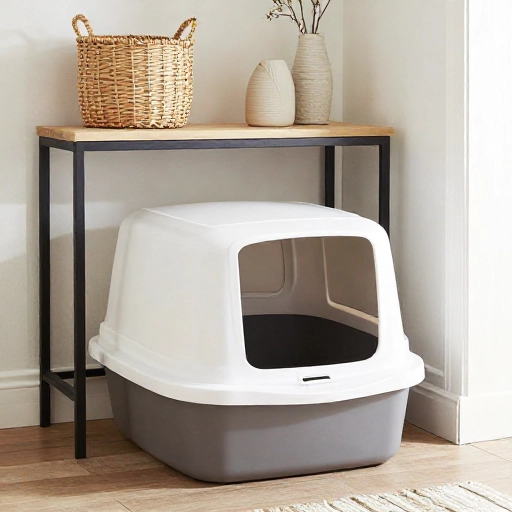
Top-entry boxes are a cheat code for small spaces. The litter stays in, the footprint shrinks, and you can tuck the whole thing under a console or entry table.
I keep mine under a slim table in my hallway. A woven runner hangs over the front edge so you really can’t see it. Bonus: the table gives me a spot for keys and mail.
One note — top-entry works best for cats who are confident jumpers. My senior cat hated it, so I switched her to a low-side box instead. Know your cat.
3. The Classic IKEA Hack Litter Station
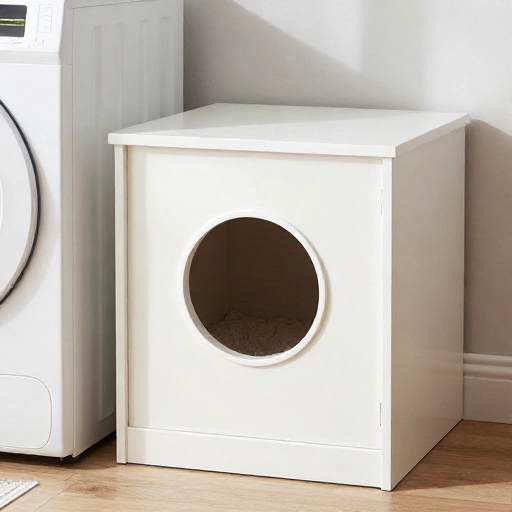
You’ve seen this one on Pinterest a hundred times, and there’s a reason it keeps coming back. A simple storage cabinet plus a cat door equals a clean, modern litter station that matches your furniture.
I used a two-door cabinet, removed the interior shelf, and added a magnetic cat flap on the side. Assembly took about an hour. The matte finish hides scratches better than plastic ever will.
Line the bottom with a washable mat, and keep a small scoop caddy clipped to the inside door.
4. Corner Box With a Plant Shelf Above
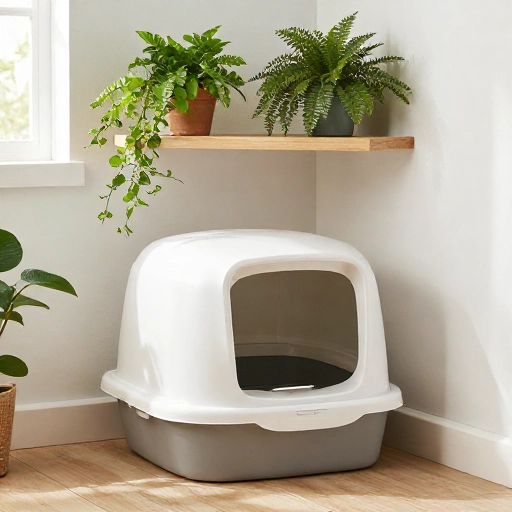
Corners are wasted space in most apartments. I filled mine with a low-profile corner box and then hung a narrow floating shelf about 18 inches above it.
The shelf holds two trailing plants — a pothos and a string of pearls. The greenery pulls the eye up and away from the box completely. Nobody looks down.
Make sure the shelf is high enough that your cat can’t use it as a launchpad. Eighteen inches minimum, taller if you’ve got a jumper.
5. Convert a Closet With a Cat Door
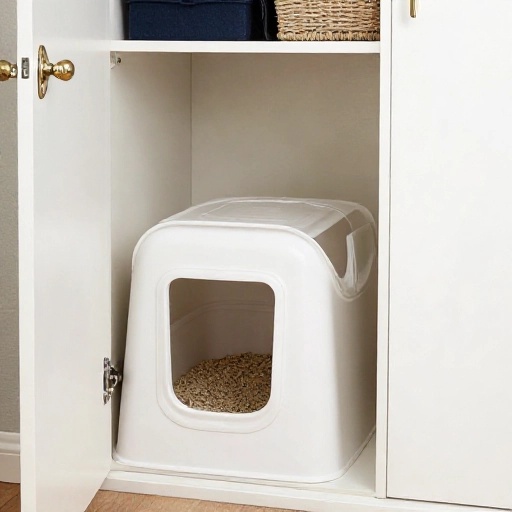
If you have a closet you barely use, this is the biggest win on the list. I cleared out the bottom shelf of my coat closet, added a cat door in the side panel, and suddenly gained a whole litter room.
Inside, I keep the box on a boot tray, a LED puck light on the wall, and a small air purifier plugged into a corner outlet. It’s basically a tiny bathroom just for them.
Keep the door slightly ajar or install a latch that holds it open a few inches. Cats hate getting trapped.
6. Use the Dead Space Under the Bathroom Sink
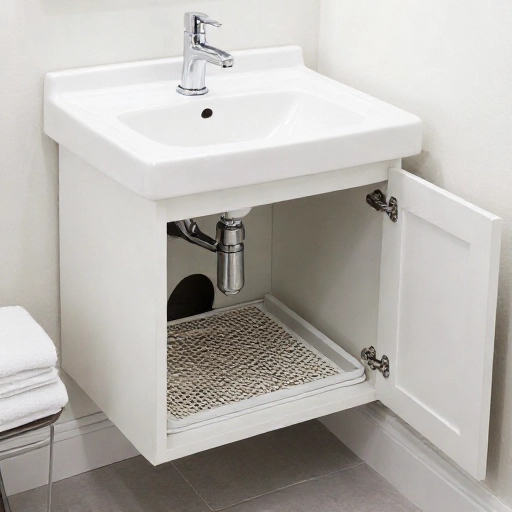
Most bathroom vanities have a blank panel under the sink that’s just… there. If yours is a false drawer front, you can often pop it off and create an opening.
I measured my box first, then checked clearance around the pipes. If it fits, you’ve just gained hidden litter storage with zero visual footprint.
Add a small clip-on fan if airflow is tight. It makes a surprising difference.
7. Hide It Behind a Linen Curtain
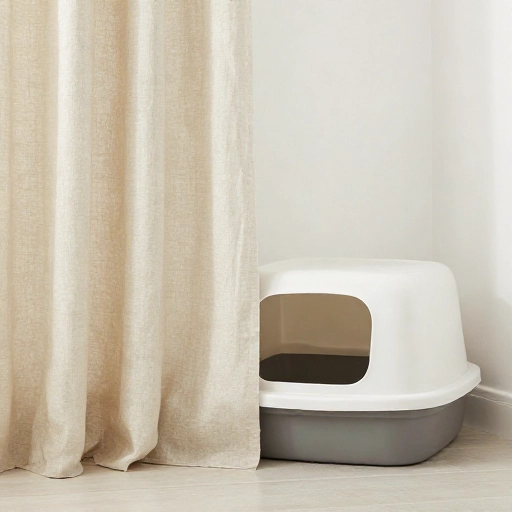
This is the cheapest idea here and it still looks lovely. A tension rod, a floor-length linen curtain, and a box tucked against the wall in a nook.
I used it in my laundry area. The curtain softens the whole corner and lets air move through, which a solid cabinet doesn’t always do.
Choose a washable fabric and hem it an inch off the floor so it doesn’t wick up anything.
8. An Entryway Bench With Built-In Storage
A bench with open cubbies underneath is perfect. I put the litter box in one cubby and baskets in the others, so it reads as a mudroom setup.
The trick is size. Measure your box before you buy the bench — many cubbies are just barely too short.
I also added a small rug in front of the bench. It catches stray litter and makes the whole thing feel intentional.
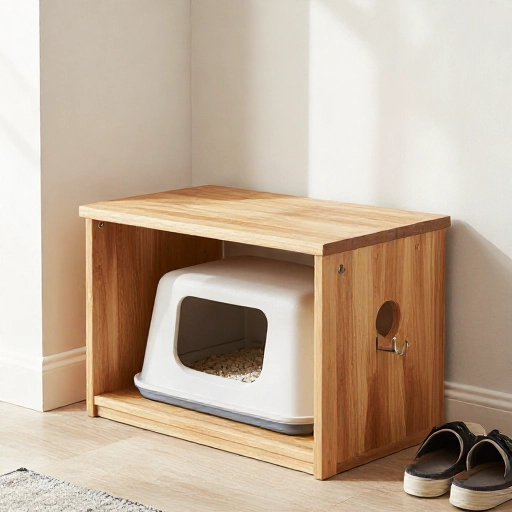
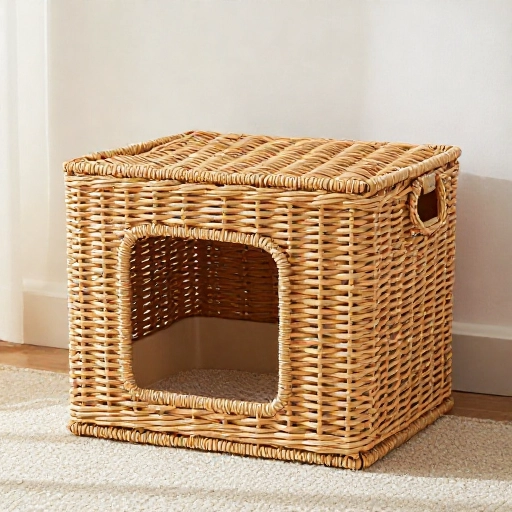
9. A Wicker Basket Enclosure
A large rattan or wicker basket with a cut-out door looks warm and texture-rich, especially in a boho or coastal space.
Line the inside with a plastic tray so liquids never touch the weave. Trust me on that one.
This setup works best with a box that’s slightly smaller than the basket, so there’s airflow around the sides.
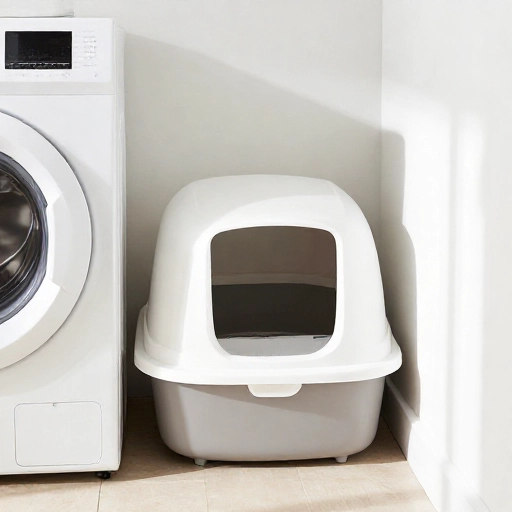
10. Go Slim With a Self-Cleaning Box
Self-cleaning boxes have gotten much slimmer. Mine is under 20 inches wide and sits in a gap between my washer and the wall.
I don’t have to scoop daily, which is a big deal in a small place where smells travel fast. It rakes the litter after each visit and drops the waste into a sealed drawer.
Just be prepared — some cats are freaked out by the motor at first. Leave it unplugged for a week so they get used to the shape.
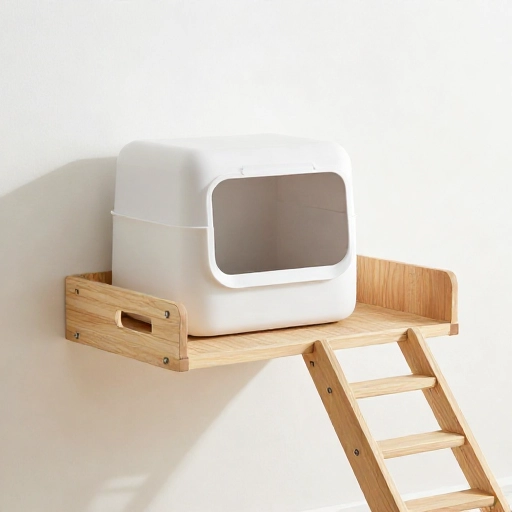
11. Build a Floating “Litter Loft” Shelf
If floor space is truly nonexistent, go up. A sturdy wall-mounted shelf at counter height can hold a box, with a low ramp or a step stool for easy access.
I used heavy-duty brackets rated for at least 100 pounds. The box sits on a lip of trim so it can’t slide.
This one isn’t for every cat. It works best for confident climbers and for people willing to scoop from a small step stool.
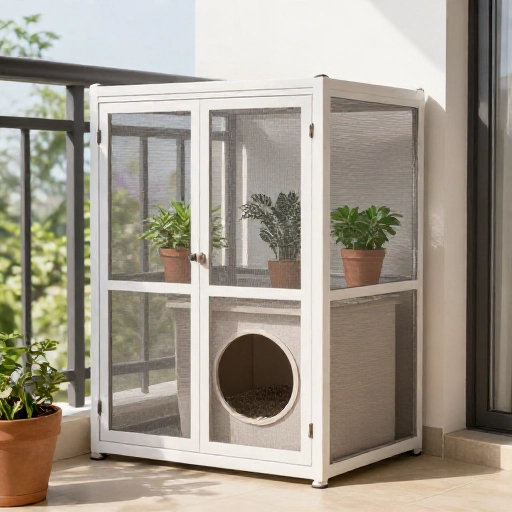
12. A Screened Balcony Corner
If you have a covered balcony, a corner there can become a litter spot — as long as it’s sheltered and screened.
I used a tall folding screen painted to match my railing. The box sits on a waterproof mat, and I keep a covered bin beside it.
Weather matters here. Skip this if your balcony gets direct rain or extreme heat, because both ruin litter fast.
13. A Rolling Litter Cart
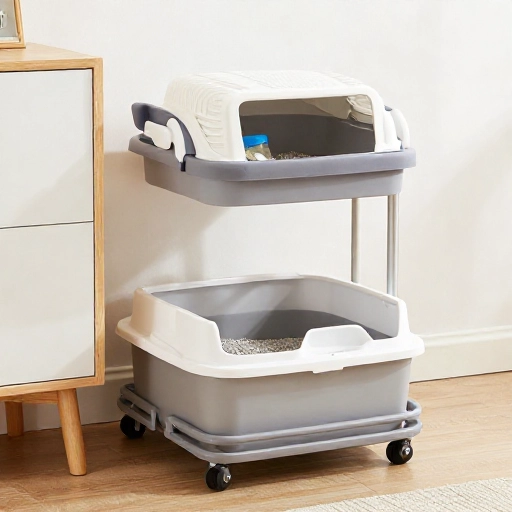
For renters who move a lot, a rolling cart is genius. It’s a slim three-tier unit on casters — box on the bottom, supplies on top.
When guests come over, I roll it into the bathroom or closet and shut the door. When I need it, it rolls right back out.
Look for wheels that lock. Otherwise you’ll be chasing the cart across the floor mid-scoop.
Final Thoughts
You don’t need a big apartment to have a litter setup that looks polished. You need one good idea and a Saturday afternoon.
Start with the spot that bugs you most. Measure twice, pick a style you actually like, and give your cat a week to adjust before you decide it’s a failure.
And honestly? A hidden box has made me a calmer cat parent. Less visual clutter, fewer smells, and way more room to actually live.
Frequently Asked Questions
Will my cat actually use a covered or hidden litter box?
Most cats will, but it depends on the individual. Shy cats often prefer covered boxes, while anxious or older cats may want an open one. Give it two weeks, keep the old box available, and let them choose.
How do I keep a small apartment from smelling like litter?
Scoop at least once a day, replace the litter fully every two to three weeks, and add ventilation. A small charcoal filter or a plug-in air purifier near the box does more than any scented spray.
Where’s the best place to put a litter box in a tiny space?
Away from food and water, in a spot with airflow, and not right next to a noisy appliance. Bathrooms, laundry rooms, hallways, and closets are usually the best candidates.
Do litter box cabinets need airflow?
Yes. Any enclosed setup traps humidity and odor. Drill a few holes in the back panel, leave a small gap at the bottom, or add a battery-powered fan.
How many litter boxes do I need for two cats?
The general rule is one box per cat, plus one extra. In a small apartment, that usually means two boxes in two different spots rather than three crammed together.