Easy Salmon Dog Food Recipe for a Shiny Coat & Happy Skin (Vet-Approved Ingredients)

If your furry best friend has been scratching more than usual or their coat is looking a little dull, it might be time to switch up their dinner bowl. I’ve been there—watching my pup constantly lick his paws and dealing with dry, flaky skin was heartbreaking. After a lot of research (and a few messy kitchen experiments), I found that adding omega-rich salmon to his diet was an absolute game-changer.
This homemade salmon dog food recipe isn’t just about saving money (though that’s a huge bonus!). It’s about knowing exactly what’s going into your dog’s body. It’s packed with healthy fats, high-quality protein, and skin-loving nutrients that work from the inside out. Trust me, once you see that glossy, soft fur and those happy, itch-free days, you’ll never go back to guessing what’s in that kibble bag.
Why This Recipe is a Game-Changer for Skin & Coat Health
Salmon is a superstar ingredient for canines. It’s loaded with Omega-3 fatty acids (EPA and DHA), which are the building blocks for healthy skin cells and a lustrous coat. These healthy fats reduce inflammation, which is often the root cause of itchy, irritated skin and hot spots.
This meal isn’t just a treat; it’s functional nutrition. The combination of lean protein and complex carbs provides sustained energy, while the natural oils in the fish help lock in moisture, reducing dandruff and promoting that “squeaky clean” shine we all love. It’s a wholesome, whole-food approach to making your dog feel as good on the outside as they look on the inside.
Plus, making it at home means you control the sodium and skip the fillers, preservatives, and mystery meat by-products often found in commercial dog food. Your pup will be eating a restaurant-quality meal every single day.
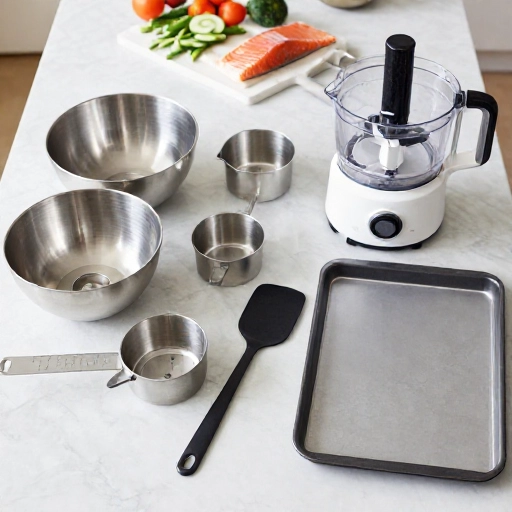
Kitchen Equipment & Tools You’ll Need
Don’t worry, you don’t need a fancy culinary degree for this. I use the same pots and pans I use for my own dinner—just giving them a good wash first! Having the right tools makes the process quick and easy, so you can get dinner on the table (or in the bowl) fast.
Here is what I keep on hand:
- Large Stockpot or Dutch Oven: You need a big pot to boil the salmon and veggies together.
- Cutting Board & Sharp Knife: For prepping your veggies and checking the fish for bones.
- Measuring Cups & Spoons: Precision is key to keeping the recipe balanced for your dog’s weight.
- Large Mixing Spoon: For stirring everything together without mashing it up too much.
- Food Processor (Optional but helpful): If you want to puree the veggies for picky eaters or small pups.
- Airtight Glass Storage Containers: For keeping the food fresh in the fridge or freezer.
Ingredients List & Safe Substitutions
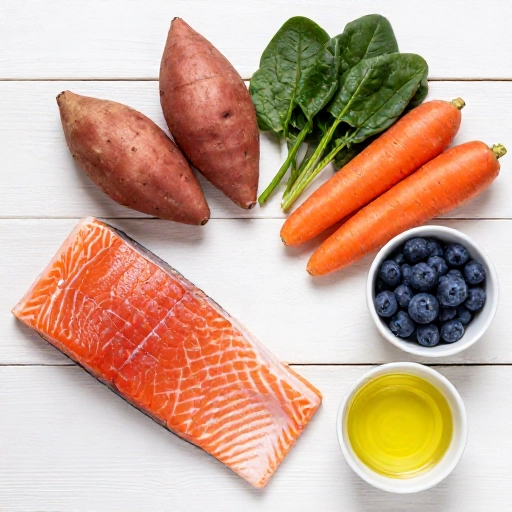
This recipe uses simple, whole ingredients that are easy to find at your local grocery store. Remember, always check with your vet before introducing new foods, especially if your dog has allergies. Here is the exact list I use:
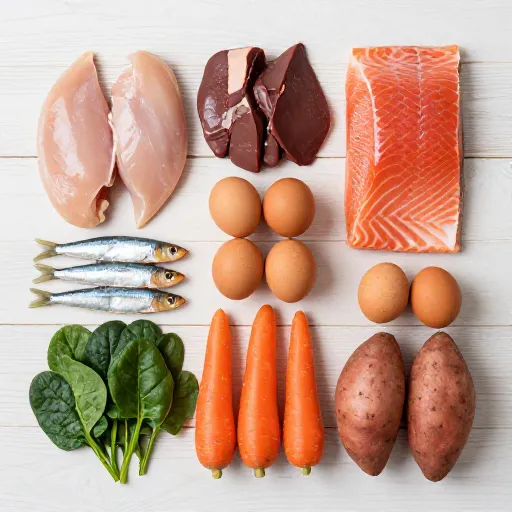
- 1 lb Fresh or Frozen Salmon Fillets: Make sure they are boneless and skinless. Wild-caught is best, but farmed is okay too.
- 2 cups Cooked Sweet Potato: Packed with Vitamin A for skin cell turnover. Peeled and cubed.
- 1 cup Green Beans (chopped): Great source of fiber and vitamins K and C.
- 1/2 cup Carrots (finely diced): For beta-carotene, which also supports eye health.
- 1/4 cup Plain Pumpkin Puree: Not the pie filling! This helps digestion and adds extra moisture.
- 1 tbsp Coconut Oil: Adds extra medium-chain triglycerides (MCTs) for an extra skin boost.
- 4 cups Water or Low-Sodium Chicken Broth: For cooking the salmon in.
Substitutions: If your dog is sensitive to sweet potatoes, swap them for cooked butternut squash or regular potatoes. No green beans? Use frozen peas or broccoli florets. Just avoid onions, garlic, and grapes—they are toxic to dogs.
Step-by-Step Instructions & Preparation Guide
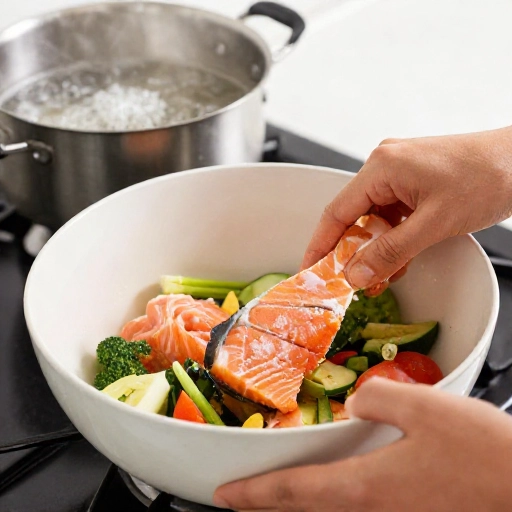
This comes together in about 30 minutes, and the smell will have your dog doing the happy dance in the kitchen. It’s a super simple “boil and mix” method that preserves all the nutrients.
- Cook the Salmon: Place the salmon fillets in your large pot and cover with water or broth. Bring to a boil, then reduce heat to medium-low and simmer for 10-12 minutes, or until the fish is opaque and flakes easily with a fork.
- Flake the Fish: Remove the salmon from the pot (reserve about 1 cup of the cooking liquid). Let it cool for a few minutes, then use a fork to flake the meat thoroughly. Check carefully for any tiny bones you might have missed.
- Steam the Veggies: In the same pot (drain the water first), add your sweet potato, green beans, and carrots. Add about 1/2 inch of water, cover, and steam for 8-10 minutes until fork-tender.
- Combine Everything: Add the cooked veggies, flaked salmon, pumpkin puree, and coconut oil back into the large pot. Add a splash of the reserved cooking liquid to help it mix smoothly.
- Stir & Mash: Gently stir everything together. I like to lightly mash the sweet potatoes so they coat the salmon, but leave some texture for chewing. This helps with dental health!
- Cool Completely: This is crucial. Let the mixture cool down to room temperature before serving. You don’t want to burn your pup’s mouth.
Feeding Guidelines, Serving Size & Storage Tips
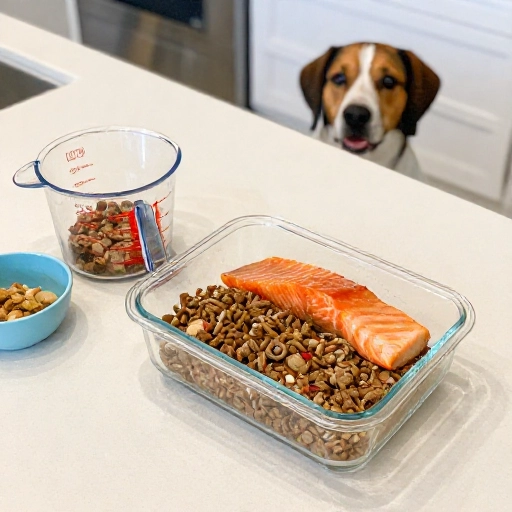
Portion sizes depend entirely on your dog’s size, age, and activity level. This recipe makes about 4–5 cups of food. A general rule of thumb is 1/2 cup of food per 20 pounds of body weight, but always adjust based on your vet’s advice and your dog’s body condition.
Feeding: This should be served as a complete meal. However, if your dog is used to kibble, you might want to transition slowly over a week by mixing it with their current food to avoid an upset tummy.
Storage: Store the cooled food in airtight glass containers in the refrigerator for up to 4 days. You can also freeze individual portions in freezer-safe bags or silicone molds for up to 3 months. To thaw, just pop a portion in the fridge overnight before serving. I like to serve it slightly warmed up to release the aromas—it makes dinner time extra exciting!
Final Verdict & Summary
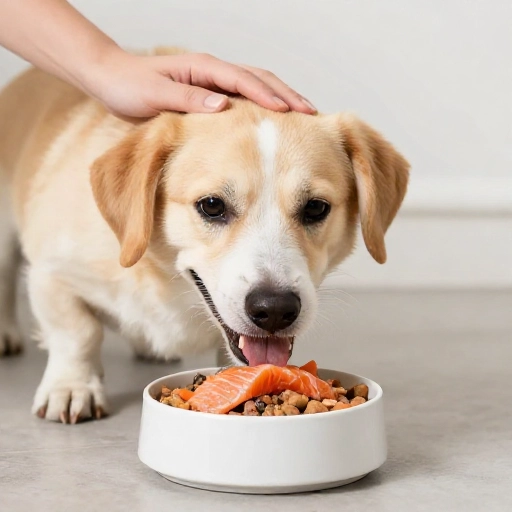
Honestly, this recipe has been one of the best things I’ve ever done for my dog. Within two weeks of switching to this homemade salmon mix, his coat went from dry and brittle to incredibly soft and shiny. The constant scratching stopped, and he has so much more energy. It’s so rewarding to watch him lick the bowl clean, knowing I helped him get there.
Yes, it takes a little bit of time on a Sunday afternoon to prep, but the payoff in health and happiness is huge. It’s a simple, affordable way to show your dog just how much you love them. If your pup is struggling with skin issues or just deserves a nutritional upgrade, give this salmon recipe a try. Your dog’s shiny new coat will be all the thanks you need.
FAQ: Homemade Salmon Dog Food
Q: How often can I feed my dog this salmon recipe?
You can feed this as a daily staple if you wish, as it’s balanced for everyday nutrition. However, variety is good! Many owners rotate this meal with a chicken or beef recipe to keep things interesting and cover different nutrient bases.
Q: Is it okay to use canned salmon instead of fresh?
Yes, canned salmon is a great, budget-friendly alternative. Just make sure you choose salmon packed in water with no added salt. Drain it well, and be sure to flake it and remove any skin or large bones (although canned bones are usually soft and safe, I prefer to remove them for texture).
Q: My dog is a picky eater. Will he like this?
Most dogs go crazy for the smell and taste of salmon! But for the extra picky ones, try mashing the vegetables more thoroughly so they’re mixed into the fish. You can also add a warm splash of water or low-sodium broth on top to make it extra appetizing.
Q: Can I add a calcium supplement to this recipe?
Since this recipe doesn’t include bone meal, it lacks natural calcium. If you’re feeding this as a long-term primary diet, I highly recommend asking your vet about a calcium supplement to ensure proper bone health. It’s an easy addition to keep the meal 100% balanced.
Q: How long does the food last in the fridge?
This fresh food will last safely for up to 4 days when stored in an airtight container in the refrigerator. If you think you won’t use it all by then, freeze a few portions right away—frozen portions are best used within 3 months.