How to Treat Dog Hot Spots Naturally and Safely
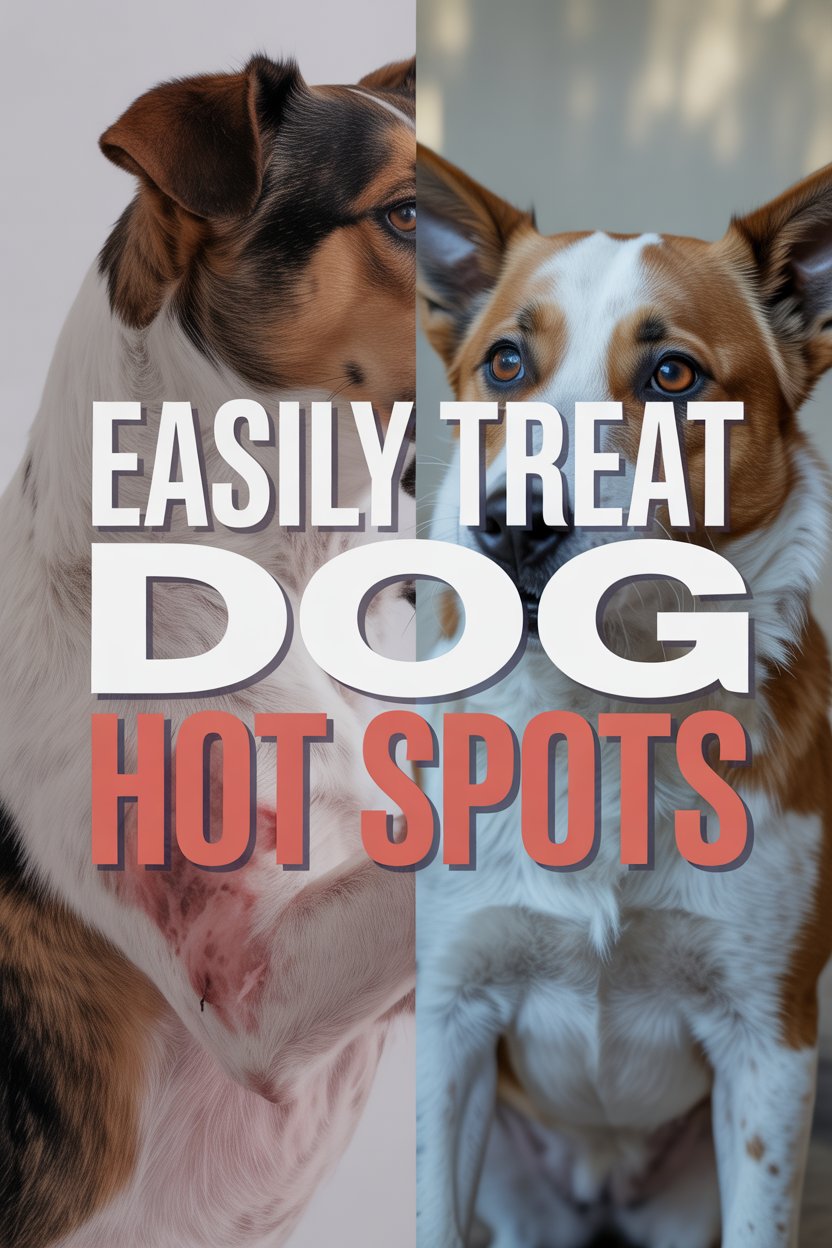
How to Treat Dog Hot Spots Naturally and Safely
I’ll never forget the first time I discovered a hot spot on my dog, Max. It started as a small patch of red, irritated skin on his neck. At first, I thought it was just a bug bite, but within a day or two, it had spread—and Max couldn’t stop licking it. Seeing him so uncomfortable broke my heart. That’s when I learned what hot spots really are and how important it is to treat them quickly and gently.
Hot spots, or acute moist dermatitis, are painful, inflamed patches of skin that can appear suddenly. They’re common in dogs, especially during warm months or after bathing if the skin doesn’t dry properly. If your dog has one, don’t worry—you can help them heal with love, patience, and a few natural remedies.
What Are Hot Spots?
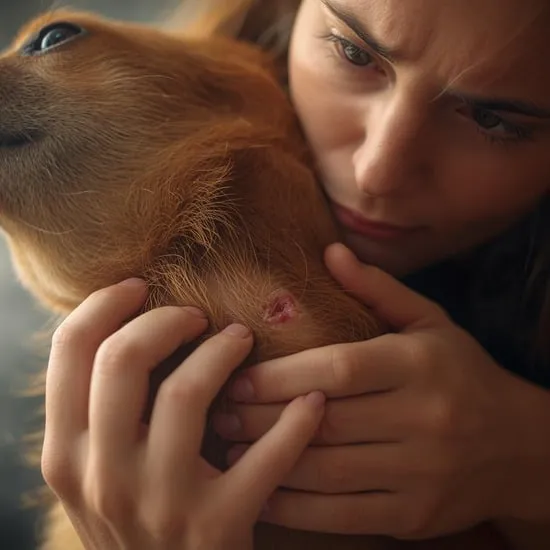
Hot spots are localized areas of skin inflammation and infection. They’re usually caused by excessive licking, scratching, or chewing. What starts as a small itch can quickly turn into an oozing, sore wound if not treated. Dogs often make it worse by constantly touching the area, leading to more irritation.
Common triggers include:
- Allergies (food, fleas, or environment)
- Moisture trapped under the fur after swimming or bathing
- Insect bites or stings
- Stress or boredom causing over-grooming
- Poor diet or skin health
Max’s hot spot was caused by a combination of warm weather and an unnoticed flea bite. Once I addressed both, he started healing quickly. Identifying the root cause is key to preventing future flare-ups.

How to Treat Dog Hot Spots at Home
When treating hot spots, the goal is to reduce pain, soothe the skin, and stop your dog from irritating the area further. Here’s the gentle routine that worked wonders for Max:
1. Gently Clean the Area
Start by trimming the fur around the hot spot to let the skin breathe and prevent moisture buildup. Use blunt scissors or clippers carefully—if your dog is in pain, ask a vet or groomer for help. Then, clean the area with a mild antiseptic solution or diluted iodine (mix one part iodine with three parts water). Avoid harsh alcohol-based cleaners—they sting and can delay healing.
2. Apply a Natural Soothing Remedy
After cleaning, you can apply natural remedies like:
- Aloe vera gel: Cools and soothes the skin while reducing inflammation.
- Coconut oil: Has antibacterial and moisturizing properties that promote healing.
- Chamomile tea compress: Gently dab cooled chamomile tea on the spot for a calming effect.
- Calendula spray: Helps speed up skin repair and reduce redness.
When I first tried aloe vera on Max’s hot spot, the relief on his face was instant. He finally stopped scratching for the first time all day, and within two days, I could see clear improvement.

3. Prevent Further Licking
This part can be tricky because dogs naturally want to lick wounds. You can use an e-collar (cone) or a soft recovery collar to stop them from reaching the area. Keeping them distracted with toys, cuddles, or calm walks also helps reduce anxiety-driven licking.
4. Keep the Area Dry and Clean
Moisture is the enemy when healing hot spots. Make sure your dog’s fur stays dry, especially after baths or outdoor play. If your dog is a swimmer, give them a good towel dry and brush after every dip. Clean the hot spot once or twice daily until it fully heals, but avoid over-cleaning, which can cause irritation.
5. Support Healing from the Inside Out
Diet plays a major role in skin health. Feed your dog high-quality food rich in omega-3 fatty acids, vitamins, and minerals. Salmon oil, flaxseed, or coconut oil added to meals can improve coat condition and reduce inflammation. I started adding a teaspoon of salmon oil to Max’s dinner every night, and not only did his skin improve—his coat became shinier, too.
When to See a Vet
While many mild hot spots can be treated at home, severe or recurring cases need professional attention. Contact your vet if you notice:
- The sore is spreading rapidly
- Your dog is in visible pain or distress
- The area is oozing pus or smells bad
- Hot spots keep coming back despite care
Your vet may prescribe antibiotics, medicated sprays, or anti-itch medications to speed up recovery. The key is early intervention—don’t wait until it becomes unbearable for your dog.
Preventing Future Hot Spots
Prevention is always better than treatment. Here’s what I’ve learned to keep Max’s skin healthy and happy:
- Brush regularly to remove loose fur and dirt.
- Keep your dog clean and dry after swimming or bathing.
- Use flea and tick preventatives year-round.
- Feed a balanced diet to support skin health.
- Provide mental stimulation to reduce stress-related grooming.
Since following this routine, Max hasn’t had another hot spot. His skin is healthy, and our days are back to carefree walks and happy belly rubs.
Final Thoughts: Healing with Love and Care
Treating dog hot spots isn’t just about ointments and cleaning—it’s about comfort, patience, and love. When you take the time to soothe your dog’s pain and give them the care they need, the bond between you grows even stronger. I’ll never forget how Max rested his head on my lap after his skin finally healed, as if to say, “Thank you.”
Our dogs trust us completely to take care of them. By acting quickly and gently, we can help them heal faster and feel loved every step of the way. Because nothing compares to the joy of seeing your dog happy, healthy, and free from pain again.