12 Ways to Get Your Dog’s Attention
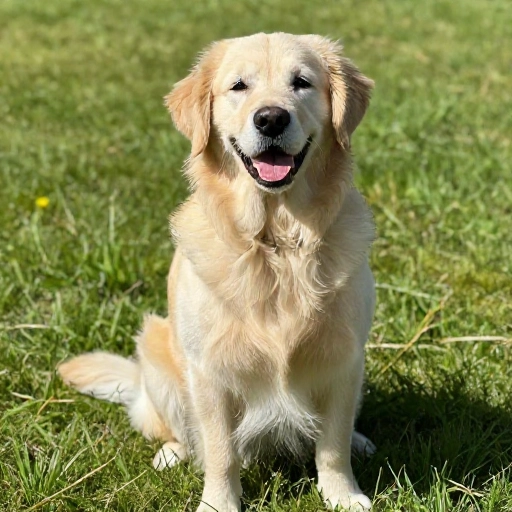
Have you ever called your dog’s name only to get a blank stare? I know the feeling. One moment they are laser-focused on a squirrel, and the next, you are standing there waving a treat with zero results. Getting your dog to look at you and actually listen is a skill, and it is one we can totally build together.
I have spent countless hours learning what makes a dog choose us over the exciting world around them. It is not about being louder or more demanding. It is about being more interesting. These twelve tips have changed the way I connect with my own pup, and I am so excited to share them with you. Let’s turn that selective hearing into a happy, waggy response.
Remember, every dog is different. Some are food motivated, others live for a game of tug. The secret is finding what makes their ears perk up. Let’s dive into the simple, fun ways to become your dog’s favorite person to pay attention to.
1. The Name Game with High Value Rewards
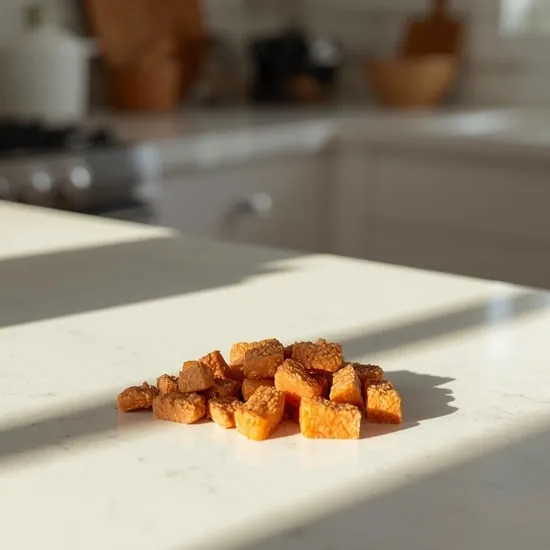
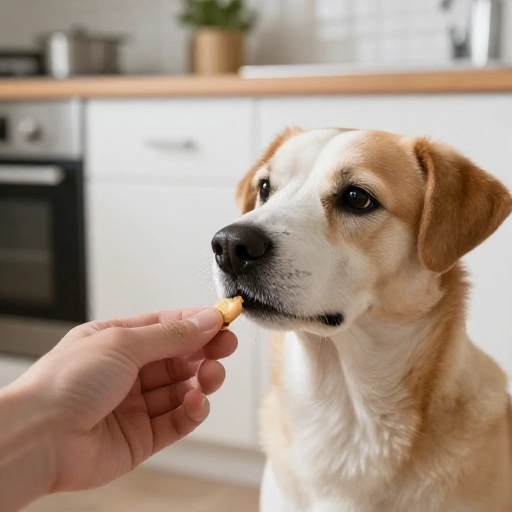
Start with the basics. Say your dog’s name in a happy, bright voice. The moment they look at you, even for a split second, mark it with a “yes!” and give them a tiny, amazing treat. This is not just any treat. I use bits of boiled chicken or cheese for this exercise.
Do this ten times in a row, in a boring room with no distractions. You are teaching them that their name means “good things happen when I look at the human.” It sounds simple, but it is the foundation for everything else.
2. The “Magic” Kissy Noise or Whistle
Create a unique sound that only you use. It could be a soft double kissy noise, a tongue click, or a specific whistle. I use a gentle “pss pss pss” sound. The key is to pair this sound with a reward every single time at first.
Practice it around the house. Make the sound, and when your dog turns their head, reward them. Over time, this sound becomes a shortcut to their attention, even in a busy environment. It cuts through the noise because it is special to them.
3. Play “Look at That” (LAT)
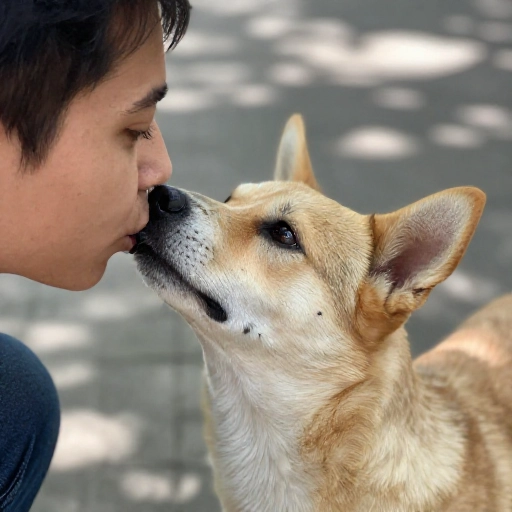
This is my favorite game for distracted dogs. Hold a treat in your closed hand. When your dog stops sniffing your hand and looks up at your face, say “yes!” and open your hand. The reward is looking at you, not the treat.
Next, try it when they see a trigger, like another dog or a car. The moment they see it and then glance back at you, reward them big time. You are teaching them that checking in with you is more rewarding than staring at the distraction. It builds a beautiful habit of voluntary attention.
4. Use Movement to Spark Curiosity
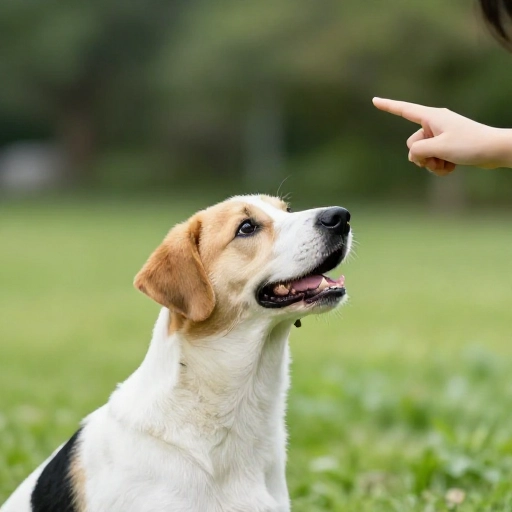
Dogs are naturally drawn to movement. If you stand still and call them, you are boring. Instead, try turning your body away from them and walking a few steps. Many dogs will instinctively follow you out of curiosity.
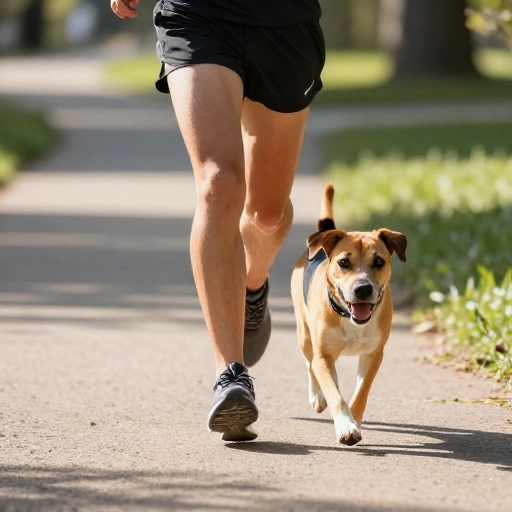
You can also do a gentle, playful jog in the opposite direction. Or, drop a treat on the floor and then make a funny noise. The sudden change in your position or energy is often enough to break their focus and bring their eyes back to you.
5. The Hand Target (Touch)
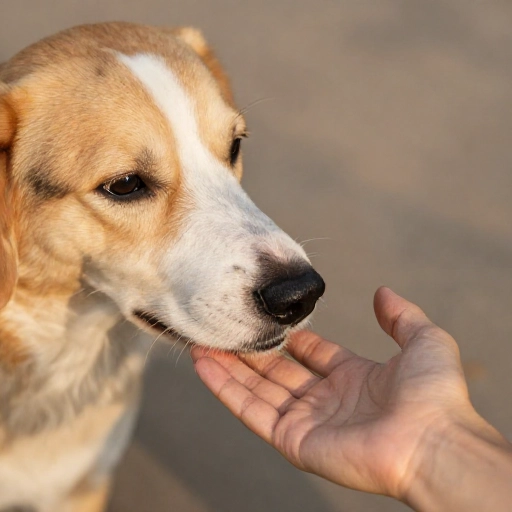
Teaching your dog to touch your open palm with their nose is a powerful attention tool. Present your flat hand a few inches from their nose. They will likely sniff it. The moment their nose touches your palm, say “yes!” and give a treat.
Once they know this cue, you can use it to redirect their focus. If they are staring at something, present your hand near their face. They will naturally turn to touch it, and you have successfully captured their attention. It is a gentle, physical way to reconnect.
6. Be the Source of Fun (The “Party” Principle)
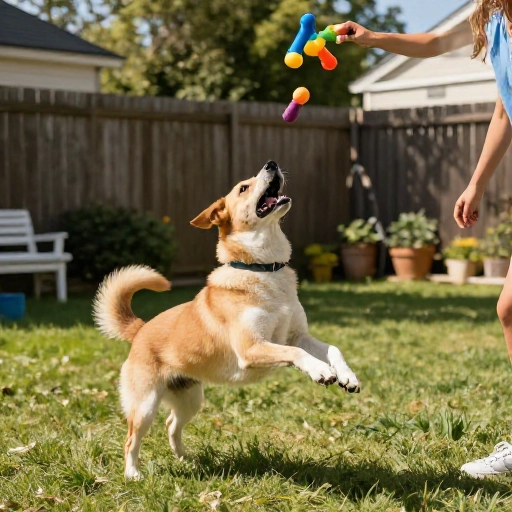
Why should your dog look at you when the world is full of smells? Because you are the fun one. Before you ask for attention, make sure you are exciting. Do a little happy dance, speak in a high-pitched voice, or clap your hands softly.
When you become the most interesting thing in the room, your dog will naturally want to engage. I often just start playing by myself with a squeaky toy. My dog cannot resist joining in, and that is the moment I have their full attention. Be the party, not the party pooper.
7. The “Find It” Game
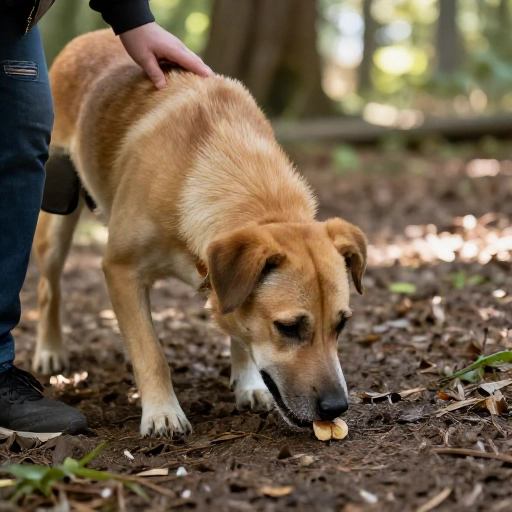
This is a game that builds focus in a fun way. Toss a small handful of kibble or treats onto the grass or floor and say “find it!” While your dog is sniffing and searching, you are teaching them to engage in a task with you.
You can then use this to redirect them. If they are fixated on something, toss a treat to the side and say “find it.” The act of sniffing and searching calms them down and brings their attention back to you for the next cue. It is a fantastic reset button.
8. Use a Squeaky Toy (Strategically)
A squeaky toy is a classic attention-getter, but use it wisely. Do not just squeak it mindlessly. Squeak it once or twice, and the moment your dog looks at you, reward them with a treat or a quick game of tug with that same toy.
You are teaching them that the sound predicts a reward from you. Over time, the sound of the squeak will make them turn to you, not just stare at the toy. It becomes a communication tool, not just a noise maker. Use it sparingly to keep it special.
9. Change Your Body Language
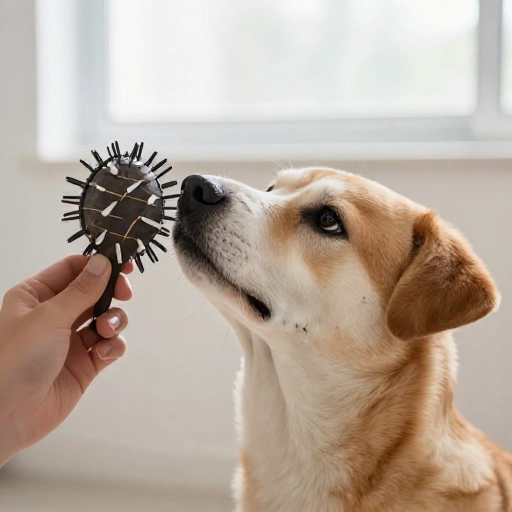
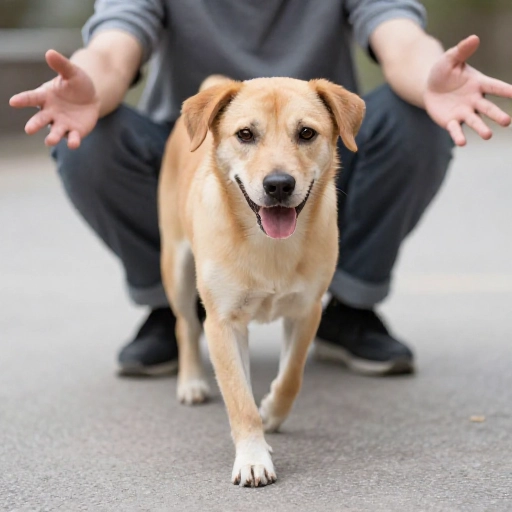
We often lean over our dogs or stare directly at them, which can be intimidating or boring. Instead, try turning sideways. Crouch down to their level. Look away from them. This softer, less confrontational body language is often more inviting for a dog.
When you are less threatening, they are more likely to approach and check in. I find that sitting on the ground and looking at the sky often makes my dog come over and nudge me. It is a quiet, respectful way to invite their attention.
10. The “1-2-3” Game
This is a pattern game that builds anticipation. Say “1…2…3!” and on “3,” toss a treat a few feet away. Repeat this a few times. Your dog will quickly learn that the counting means a treat is coming. Their ears perk up as soon as you start.
You can then use this to capture their focus. If they are distracted, start counting in a playful voice. By the time you reach “3,” they are usually looking at you, waiting for the treat. It is a fun, predictable game that builds a strong connection and instant attention.
11. Practice in Low Distraction First
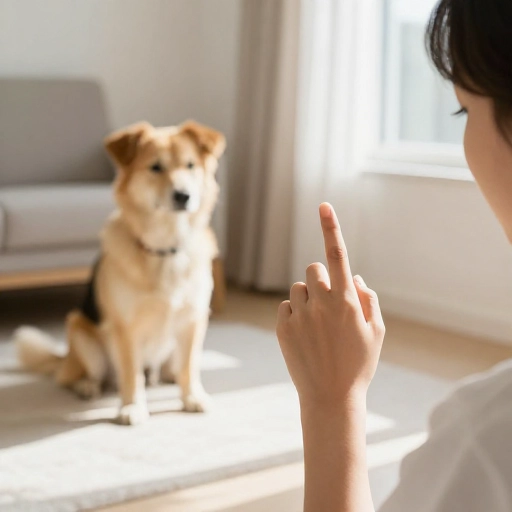
This is the most practical tip of all. Do not expect your dog to look at you in the middle of a dog park if they cannot do it in your living room. Start in a boring room. Then, try it in the backyard. Then, on a quiet sidewalk.
Build up the challenge slowly. Each time you practice in a slightly more distracting environment, you are strengthening their ability to choose you. Patience here is everything. A dog who learns to focus in quiet places will eventually learn to focus anywhere.
12. Take a “Focus Break” on Walks
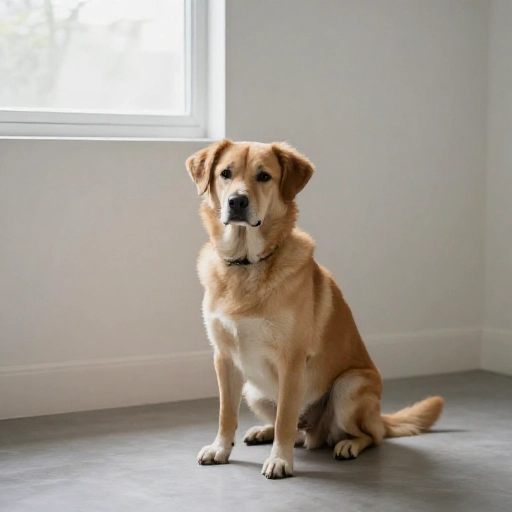
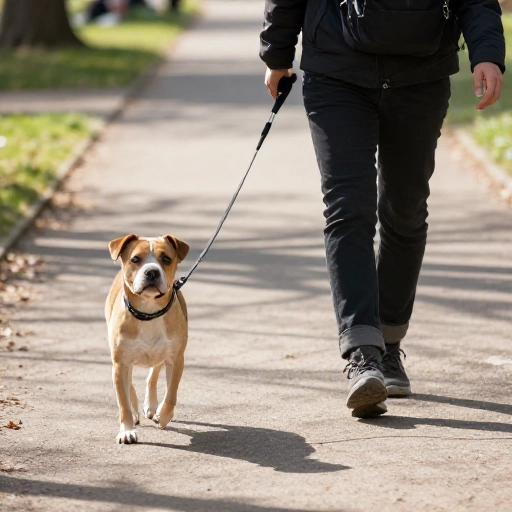
During your walk, every few minutes, just stop. Do not say anything. Wait. Many dogs will eventually look back at you wondering why you stopped. The moment they look at you, say “yes!” and give them a treat, then continue walking.
This builds a habit of voluntary check-ins. They learn that looking at you on a walk is a good thing. It turns the walk into a conversation rather than just a task. Over time, your dog will start looking back at you more often, all on their own.
Conclusion
Getting your dog’s attention is not about being the boss. It is about being a partner they want to connect with. Every game and every treat is an invitation. When you show your dog that paying attention to you is fun, rewarding, and safe, they will choose you every time.
Start small. Pick one or two of these ideas and practice them for just a few minutes a day. You will be amazed at how quickly your bond deepens. Your dog is always listening; you just have to speak their language. Happy training, friend.
Frequently Asked Questions
1. My dog ignores me completely when there is a squirrel. What should I do?
Start far away from the squirrel. So far that your dog notices it but does not react. Play the “Look at That” game (tip 3). Reward them for looking at you, not the squirrel. Slowly decrease the distance over many sessions. Never punish them for being distracted; just increase the distance.
2. How many times a day should I practice these attention games?
Short and sweet is best. Two to three sessions of about five minutes each is plenty. You can also sneak in tiny practices during the day, like asking for a look before putting down their food bowl. Consistency matters more than long sessions.
3. What if my dog is not food motivated?
No problem! Use what they love. It could be a tug toy, a squeaky ball, or just enthusiastic praise and a belly rub. Find their currency. For some dogs, a game of chase (where you run away) is more rewarding than any treat.
4. Is it okay to use my dog’s name to scold them?
Try not to. Your dog’s name should always predict good things. If you use it to say “no,” they will start to associate it with bad feelings and will be less likely to respond. Use a different word for corrections, like “uh oh,” and keep their name positive.
5. How long does it take to see results?
You will see small improvements in a few days if you practice consistently. But building a solid, reliable attention habit takes weeks or even months. Be patient and celebrate the tiny wins. Every look is a step in the right direction.