12 Great Pyrenees Grooming Tips That Actually Work
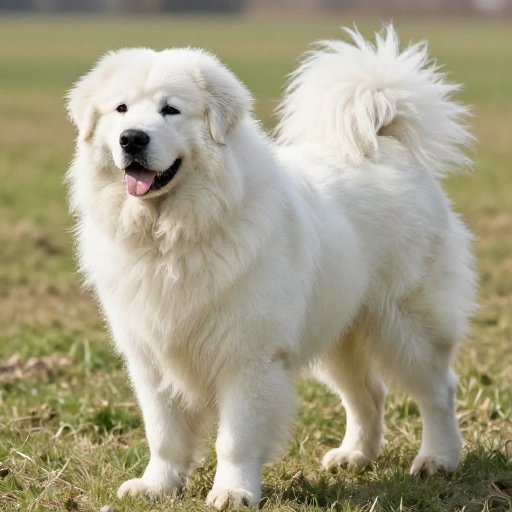
If you share your home with a Great Pyrenees, you already know that the fluff is real. Their glorious white coat is part of their charm, but it also comes with a serious amount of upkeep. I’ve learned the hard way that letting that double coat get out of hand can lead to mats, dirt piles, and a very unhappy pup.
But here’s the thing—grooming a Great Pyrenees doesn’t have to be a dreaded chore. With the right routine and a few clever tricks, you can keep your Pyr looking majestic and your house (mostly) fur-free. These tips are based on real experience, not just theory. Grab your slicker brush, and let’s get started.
Whether you’re a new Pyr parent or a seasoned pro, these 12 grooming tips will save you time, frustration, and maybe even a few trips to the groomer.
1. Invest in a High-Quality Undercoat Rake
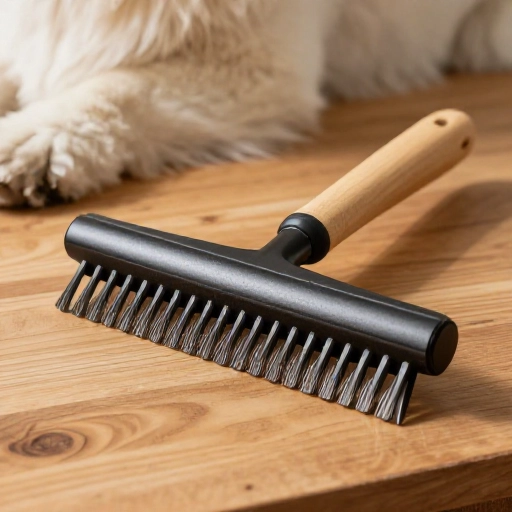
A regular brush just won’t cut it for a Great Pyrenees. Their double coat is thick and dense, with a soft undercoat that sheds heavily twice a year. An undercoat rake reaches deep into that fluff and pulls out loose hair before it ends up on your furniture.
Look for a rake with rounded tips so you don’t hurt their sensitive skin. I use mine in long, gentle strokes, always going with the direction of the hair. It’s a game-changer for managing that seasonal “blowout.”
2. Brush More Often Than You Think You Need To
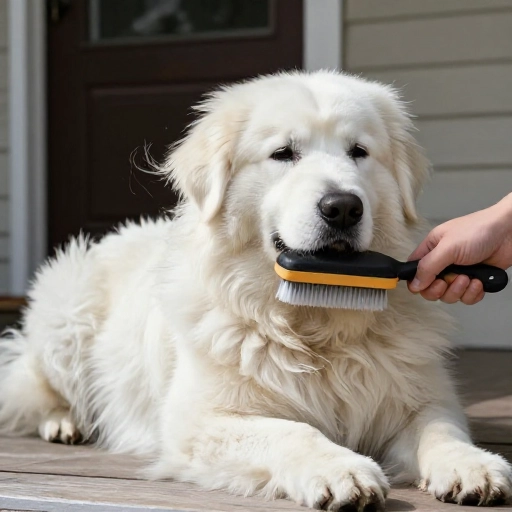
I know, it sounds like a lot. But for a Great Pyrenees, brushing two to three times a week is the sweet spot. During shedding season, aim for daily sessions. It’s not just about looks—it prevents painful mats that can tug on their skin.
Think of it as bonding time. I usually do it while we’re watching TV or sitting outside. Your Pyr will start to enjoy the attention, and you’ll catch tangles before they become a problem.
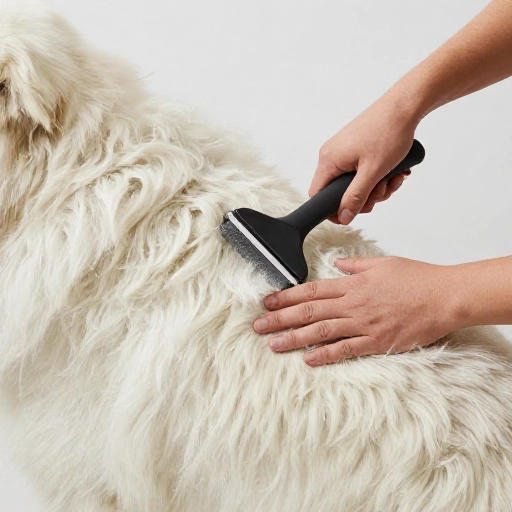
- Use a slicker brush for the topcoat.
- Follow up with the undercoat rake.
- Finish with a metal comb to check for hidden mats.
3. Tackle Mats Gently and Early
Mats love to hide behind the ears, under the legs, and around the tail. If you find one, don’t yank it out. That hurts. Instead, use your fingers to gently pull the mat apart, then work through it with a comb.
If the mat is too tight, a mat splitter tool is your best friend. I’ve saved many a fluffball from a bad haircut by catching mats early. A little patience here goes a long way.
4. Don’t Over-Bathe Your Pyr
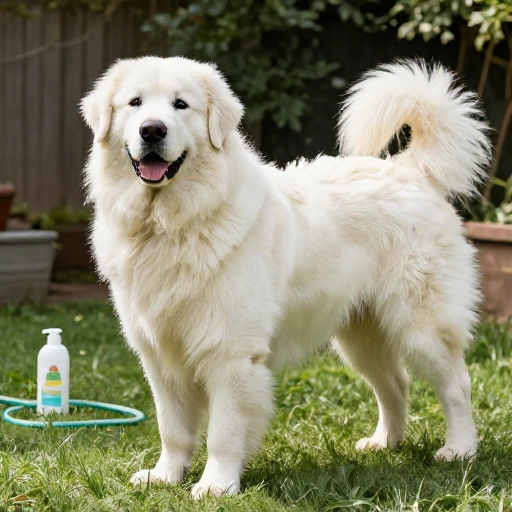
Great Pyrenees have a natural, slightly oily coat that repels dirt. They’re built to be outside in all weather. Bathing them too often strips those natural oils and can lead to dry, itchy skin.
I aim for a bath every 6 to 8 weeks, unless they roll in something stinky (which happens). Use a gentle, dog-specific shampoo that won’t dry out their coat. Rinse thoroughly—leftover soap is a recipe for irritation.
5. Master the Art of Blow-Drying
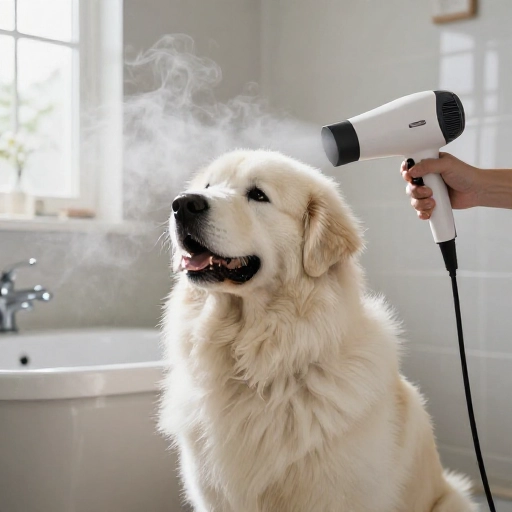
After a bath, a Great Pyrenees takes forever to air dry. And damp fur can lead to skin issues. A high-velocity dryer is worth every penny. It blasts water out of that thick undercoat fast.
Start on a low setting so they don’t get scared. Keep the nozzle moving and use your hand to fluff the fur. Your Pyr will look like a cloud afterward, and you’ll avoid that wet dog smell lingering around the house.
6. Clean Those Floppy Ears Weekly
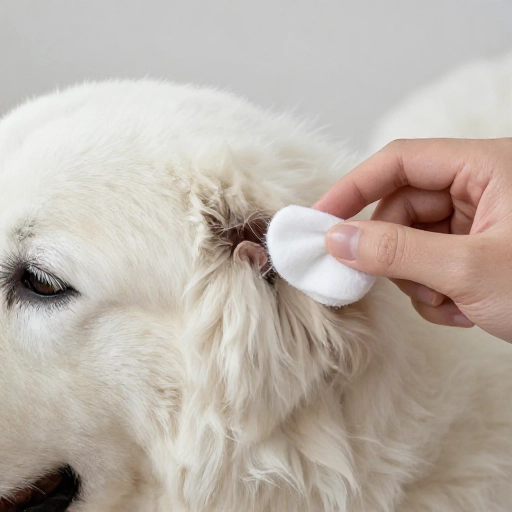
Those beautiful, floppy ears can trap moisture and dirt, leading to infections. I check my Pyr’s ears every week. If they look red or smell funky, it’s time to clean.
Use a vet-approved ear cleaner and a cotton ball—never a Q-tip. Gently wipe the outer ear and let your dog shake out any excess. Keeping ears dry is the key to prevention.
7. Trim Their Nails Before They Click
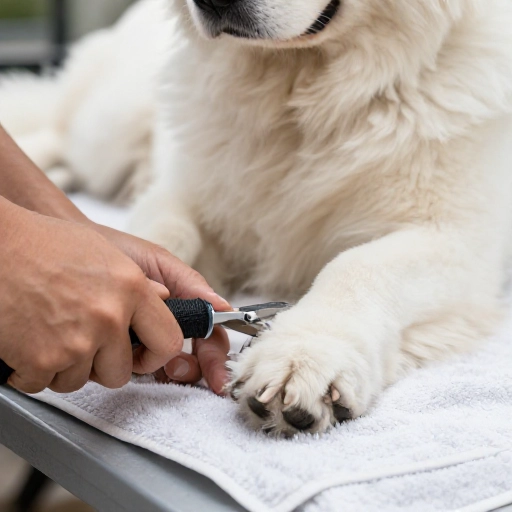
You know the sound. Click, click, click on the hardwood floors. Long nails are uncomfortable for your Pyr and can even affect their posture. I trim nails every 2 to 3 weeks.
If you’re nervous about hitting the quick, use a nail grinder instead of clippers. It’s slower but much safer. And keep treats handy—positive reinforcement makes nail time way easier for both of you.
8. Brush Their Teeth Like You Mean It
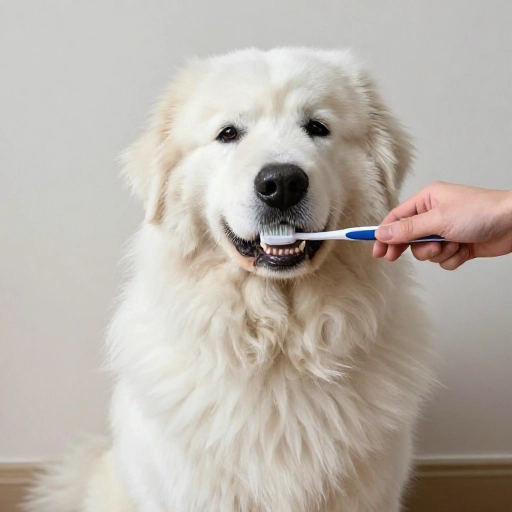
Great Pyrenees are prone to dental issues, and bad breath is a sign something’s off. I brush my dog’s teeth at least three times a week with dog-safe toothpaste. It’s not just about fresh breath—it prevents painful gum disease.
Start slow, let them taste the toothpaste first, and use a soft-bristle brush. It becomes part of the routine faster than you’d think.
9. Keep Their Paws in Check
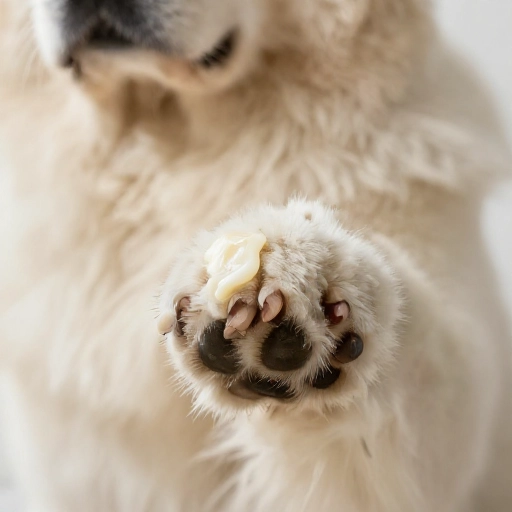
Pyr paws go through a lot. Between walks, digging, and just being big dogs, the fur between their paw pads can get matted and collect debris. I trim that fur with small scissors (carefully!) to keep things tidy.
Also check for cracks or dry pads. A little paw balm in winter or hot summer pavement does wonders. Happy paws mean a happy dog.
10. Watch for “Pyr Shots” During Shedding Season
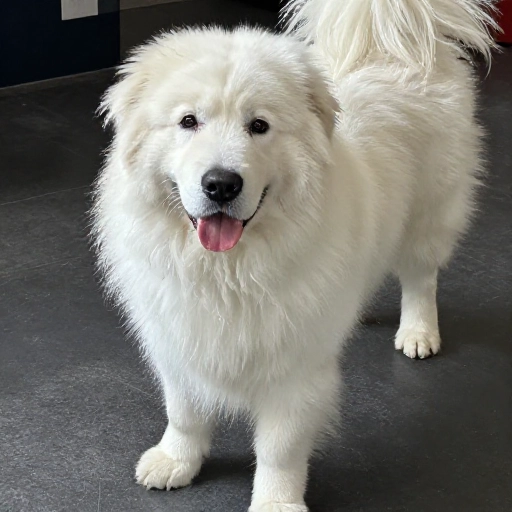
You might notice clumps of fur that look like actual tumbleweeds flying off your dog. That’s normal. But don’t try to pull them out aggressively. Let the fur release naturally during brushing.
I call these “Pyr shots” because they seem to launch themselves across the room. Embrace it. Keep a vacuum nearby and brush outside when you can. It’s just part of life with a giant fluffy guardian.
11. Use a Detangling Spray for Stubborn Areas
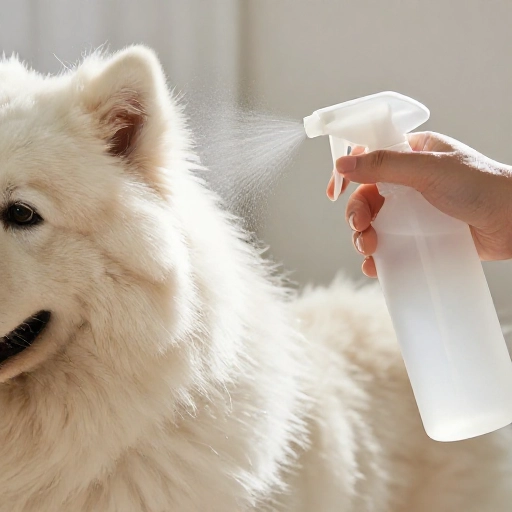
Sometimes even the best brushing routine hits a rough patch. A lightweight detangling spray can help loosen knots without making the coat greasy. I spritz it on problem areas like the feathering on their legs and behind the ears.
Work it through with your fingers or a wide-tooth comb. It reduces breakage and makes the whole process less frustrating for both of you. Your Pyr will thank you with a wagging tail.
12. Make Grooming a Positive Experience
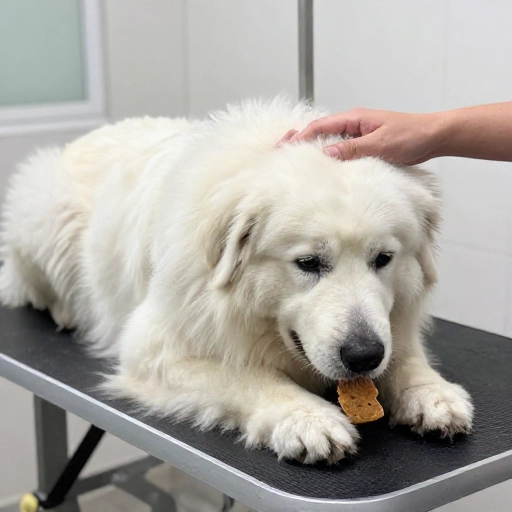
This might be the most important tip of all. If your Pyr dreads grooming, it’ll be a battle every time. I started by pairing brushing with treats and praise from day one. Now my dog actually comes to me when I grab the brush.
Keep sessions short at first, especially with a puppy. Talk in a calm voice, take breaks, and never force it. A relaxed dog is easier to groom, and you’ll both look forward to the time together.
Conclusion
Grooming a Great Pyrenees is a labor of love, but it doesn’t have to be overwhelming. With the right tools, a consistent routine, and a little patience, you can keep your Pyr’s coat healthy, their skin happy, and your home much cleaner. Every brushing session is a chance to bond with your gentle giant. So grab that rake, put on some music, and enjoy the fluff. Your Pyr deserves it.
Frequently Asked Questions
How often should I brush my Great Pyrenees?
At least two to three times a week. During heavy shedding seasons, daily brushing is recommended to keep the undercoat under control.
Can I shave my Great Pyrenees in the summer?
No, it’s not a good idea. Their double coat insulates them from both heat and cold. Shaving can disrupt their natural temperature regulation and lead to sunburn.
What tools do I need for grooming a Great Pyrenees?
An undercoat rake, a slicker brush, a metal comb, and a high-velocity dryer are the essentials. A mat splitter and nail grinder are also helpful additions.
How do I deal with shedding in my house?
Brush your dog regularly outside, use a robot vacuum, and keep lint rollers handy. Accept that some fur is inevitable—it’s part of the Pyr lifestyle.
Should I take my Great Pyrenees to a professional groomer?
It can be helpful, especially for nail trims or a deep bath. But with the right tools and routine, most owners can handle daily grooming at home. Professional help is great for occasional deep cleans.