12 Drop It Training Secrets Every Dog Owner Should Know
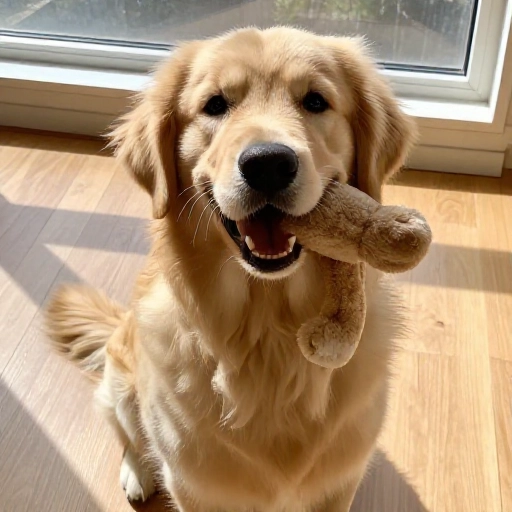
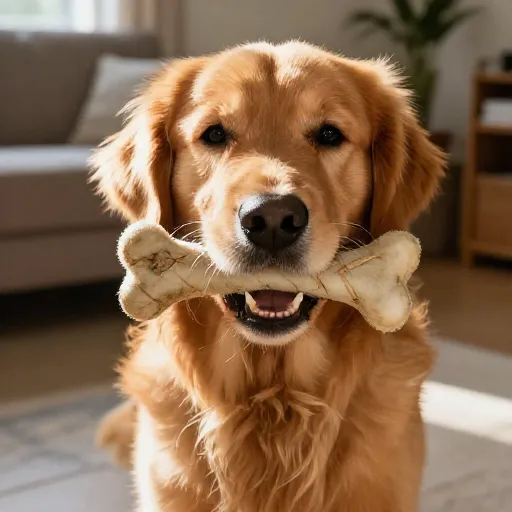
Teaching your dog to “drop it” can feel like a magic trick. One minute they have your favorite shoe, and the next, they’re looking at you like you’re the best human ever. But let’s be honest—getting there isn’t always easy. I’ve been there, standing in the yard with a treat pouch, trying to convince my pup that a slobbery tennis ball is worth trading for chicken.
The “drop it” command is more than just a party trick. It keeps your dog safe, saves your belongings, and builds trust. After working with trainers and testing methods on my own headstrong terrier, I’ve gathered 12 secrets that actually work. These aren’t just tips—they’re small mindset shifts and practical steps that make training feel natural.
Ready to turn your dog into a pro at letting go? Let’s get started. Whether you have a puppy or an older dog, these secrets will make the process smoother and way more fun.
1. Start with Low-Value Items
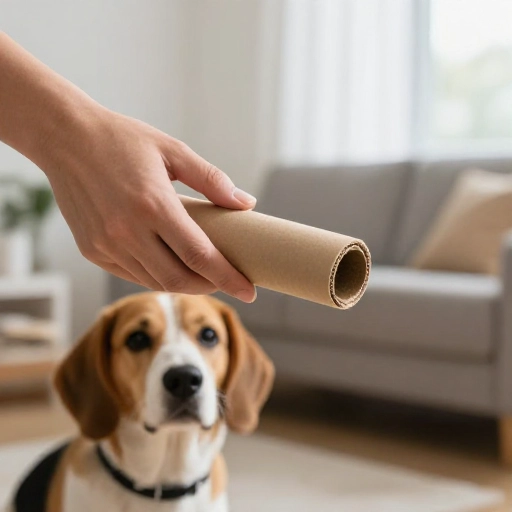
Don’t begin training with something your dog guards like gold. Start with a piece of junk mail or an old sock they barely care about. This sets you both up for success. When the item feels boring, your dog is more likely to trade it willingly.
Practice in a quiet room with zero distractions. Hold the item out, say “drop it” in a cheerful voice, and offer a treat the moment they let go. Reward immediately. The goal is to build a positive connection between the command and the reward.
Once they’re consistent, slowly move to more interesting items. This gradual progression builds confidence and prevents frustration.
2. Use High-Value Treats as Bait
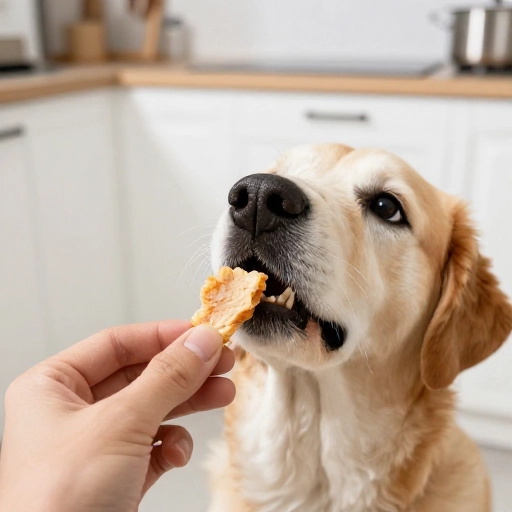
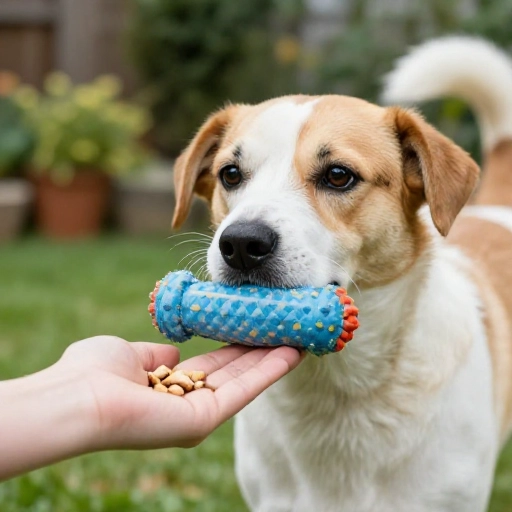
The secret to a great “drop it” is a treat that smells amazing. Think small pieces of cooked chicken, cheese, or freeze-dried liver. Your dog needs to believe that what you have is way better than what they’re holding.
Hold the treat right at their nose, then say “drop it” with a happy tone. When they open their mouth to sniff, the item falls out. Praise them and give the treat. This isn’t bribery—it’s clear communication.
After a few reps, your dog will start dropping items just to see what you’ve got. That’s the lightbulb moment you’re aiming for.
3. Trade, Don’t Take
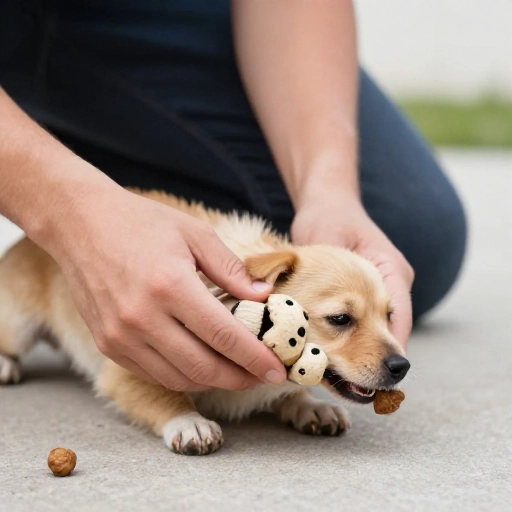
Never pry something out of your dog’s mouth. That teaches them to hold on tighter or swallow things fast. Instead, make trading feel like a game. Offer something better—a treat, a toy, or even a game of tug—in exchange for what they have.
When they drop the item, give the reward and let them keep it for a moment. This builds trust. They learn that dropping leads to good things, not losing what they love.
If your dog hesitates, try holding the treat farther away so they have to let go to reach it. Patience pays off here.
4. Practice with a “Drop It” Hand Signal
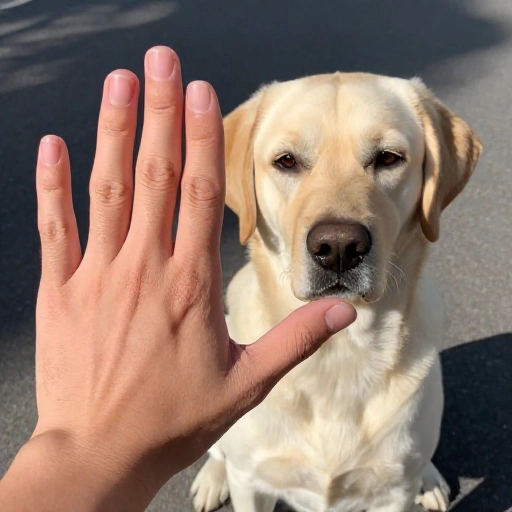
Dogs read body language better than words. Pair your verbal “drop it” with a clear hand signal. I use an open palm facing down, then slowly move it toward the ground. It’s subtle but works wonders.
Start by saying the command and showing the signal at the same time. Over time, your dog will respond to just the gesture. This is super helpful in noisy places or when your mouth is full of treats.
Keep the signal consistent. Everyone in the family should use the same one. Consistency is your best friend in training.
5. Add a Release Word
Training “drop it” isn’t just about letting go—it’s about knowing when to move on. Add a release word like “okay” or “free” after they drop the item. This tells them the game is over and they can relax.
For example, after your dog drops a toy, say “okay” and let them walk away. This prevents confusion. They learn that dropping doesn’t mean the fun ends—it just pauses.
Use the release word consistently every time. It creates a clear ending to the exchange, which makes your dog feel secure.
6. Play the Two-Toy Game
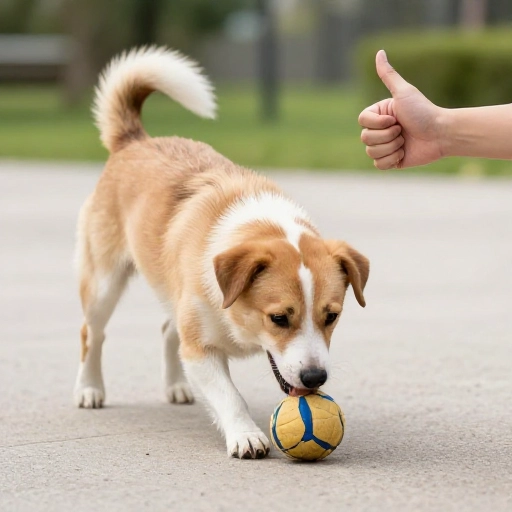
This trick turns drop it into a fun rotation. Grab two identical toys, like two squeaky balls. Play with one, then when your dog has it, show the other. Say “drop it” and wiggle the new toy. Most dogs will drop the first to grab the second.
As soon as they drop, praise and throw the new toy. Repeat back and forth. This builds drive and teaches them that dropping leads to more play, not less.
The two-toy game is perfect for high-energy dogs. It keeps their brain engaged and wears them out faster than boring drills.
7. Reward the Let-Go, Not the Grab
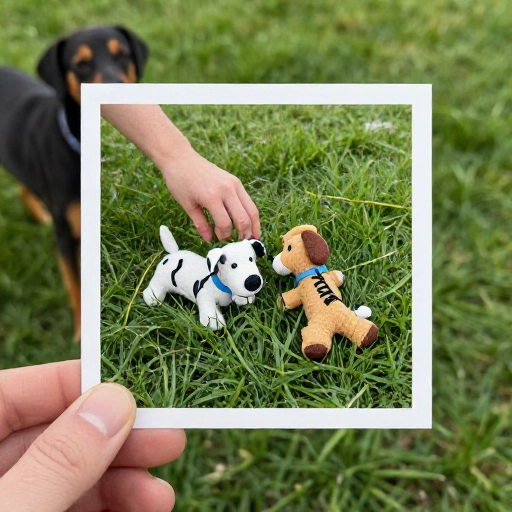
Timing is everything. Mark the exact moment your dog releases the item, not when they pick it up again. Use a clicker or a sharp “yes” to pinpoint the drop. Then follow with a treat.
If you reward too late, your dog thinks they’re being paid for looking at you or sniffing the ground. Be precise. The drop itself is the magic moment.
Practice this with slow, deliberate movements. Speed will come naturally once your dog understands what you want.
8. Use Real-Life Distractions Gradually
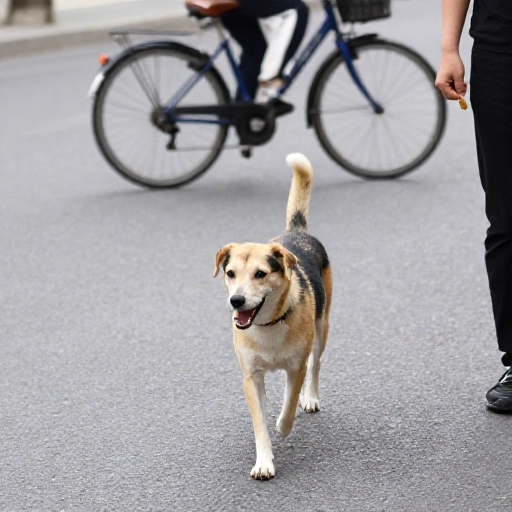
Don’t expect perfect drop it in the park on day one. Start at home, then move to the backyard, then a quiet sidewalk, and finally a busier area. Each new setting is a fresh challenge for your dog.
If they fail in a new place, go back a step. No shame in that. Training is about small wins, not perfection. I once had to redo three sessions because my dog got distracted by a squirrel. That’s okay.
Be patient. The more you practice in different spots, the more reliable the command becomes.
9. Keep Sessions Short and Sweet
Five minutes is plenty for a drop it session. Longer than that, and your dog gets bored or frustrated. End on a high note—after a successful drop, quit and play. This leaves them wanting more.
Multiple short sessions per day work better than one long slog. Try a quick round before meals or after a walk when they’re calm. Consistency beats marathon sessions every time.
If you feel yourself getting annoyed, stop. Your dog picks up on your mood. Keep it light and fun.
10. Practice with Moving Objects
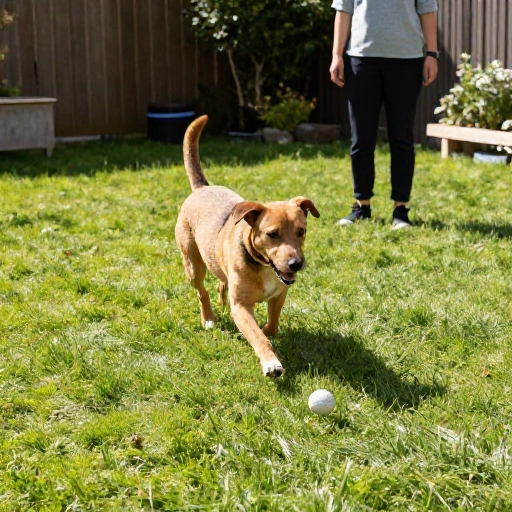
Real life doesn’t stand still. Once your dog drops stationary items well, try with moving ones. Roll a toy gently and say “drop it” as they chase it. This mimics real scenarios where they grab something on the run.
Start slow. Roll the item a short distance and be ready with a treat. As they get better, increase the speed and distance. This builds reflexes and reliability.
Moving objects teach impulse control. Your dog learns to pause even when their prey drive kicks in.
11. Avoid Punishment After the Drop
Never scold your dog after they drop something. Even if they stole your sock, praise them for letting go. If you yell, they’ll learn that dropping leads to trouble, and they’ll hold on tighter next time.
Instead, calmly take the item and give a treat. Then redirect them to an appropriate toy. This teaches that dropping is always a win, no matter what they had.
Remember, your dog doesn’t know right from wrong in your terms. They just know what works. Make dropping work in your favor.
12. Celebrate the Small Wins
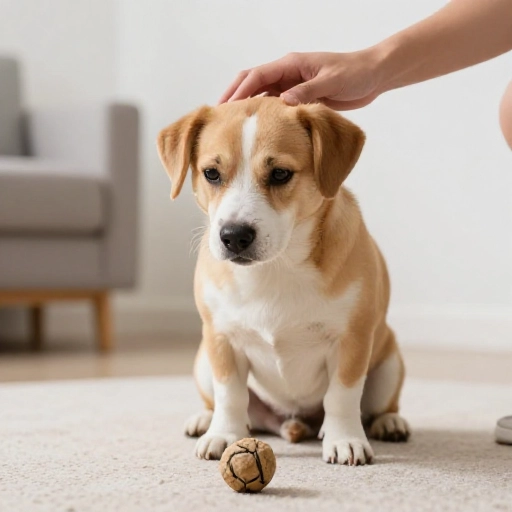
Every time your dog drops something—even by accident—celebrate. A happy “yes!” and a tiny treat reinforce the behavior. Over time, these small moments add up to a rock-solid command.
Keep a treat pouch handy during walks or playtime. You never know when a training opportunity will pop up. The more you reward, the more your dog offers the behavior.
Training is a journey, not a destination. Enjoy the progress and the bond you’re building. Your dog is trying their best, and so are you.
Conclusion
Drop it training isn’t about perfection—it’s about partnership. With these 12 secrets, you’re not just teaching a command; you’re building trust and communication. Your dog will learn that letting go is always a good thing.
Start with one or two tricks and practice daily. Be patient, stay positive, and remember that every small drop is a victory. You’ve got this, and your dog will thank you with a wagging tail and a lighter grip.
Now go grab some treats and give it a try. Your shoes will be safer, and your bond will be stronger.
[[IMG:IMG14]]
FAQ
1. What if my dog won’t drop even with a high-value treat?
Try a different treat or a toy they love. If they’re still holding on, stay calm and wait. Often, they’ll drop out of curiosity. If not, walk away briefly—sometimes the game loses appeal without you.
2. How long does it take to teach drop it?
It varies, but many dogs pick it up in a few days with short, consistent sessions. Puppies learn faster, while older dogs may need more patience. Expect a week or two for reliability.
3. Can I teach drop it to a resource-guarding dog?
Yes, but go slow and consult a trainer if needed. Start with low-value items and use very high-value rewards. Never force the item out. Build trust first, then practice.
4. Should I use a clicker for drop it training?
Clickers are great but not required. A sharp “yes” works just as well. The key is timing—mark the exact moment the item drops. Consistency matters more than the tool.
5. My dog drops the item but then grabs it again. What do I do?
That’s normal at first. Reward the initial drop, then quickly cover the item with your foot or hand. Practice in a low-distraction space. Over time, they’ll learn to leave it after dropping.