14 Reactive Dog Walking Tips That Actually Made My Walks Calm Again
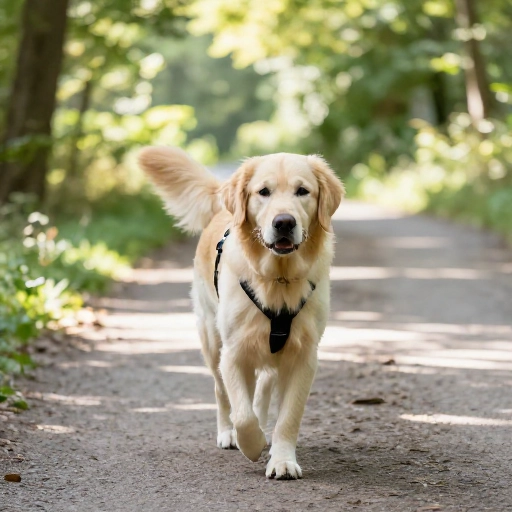
I remember the first time my dog lunged and barked at another dog on a walk. My heart raced, my palms got sweaty, and I just wanted to disappear. For weeks, I dreaded leaving the house. If this sounds familiar, you are not alone. Walking a reactive dog can feel isolating and exhausting, but it doesn’t have to stay that way.
Over time, I learned that the key isn’t just avoiding triggers. It’s about changing how I approach the walk itself. I started seeing the sidewalk as a classroom, not a battlefield. These 14 tips come from my own trial and error. They are practical, gentle, and they actually work. Let’s turn those stressful walks into something you both can enjoy.
Before we dive in, remember: progress is slow, and that’s okay. Celebrate the small wins. A calm sit across the street from a trigger is a huge victory.
1. Change Your Route to Avoid Hotspots
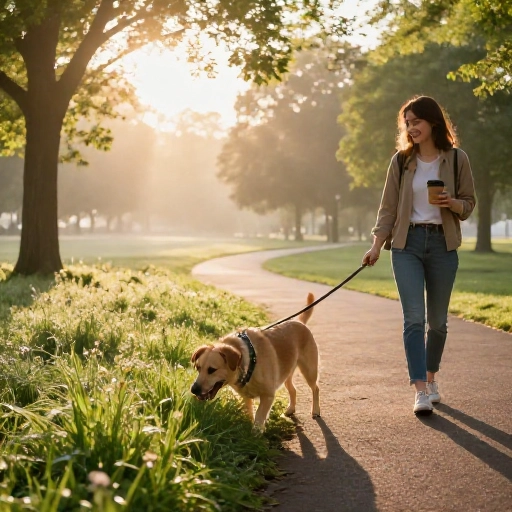
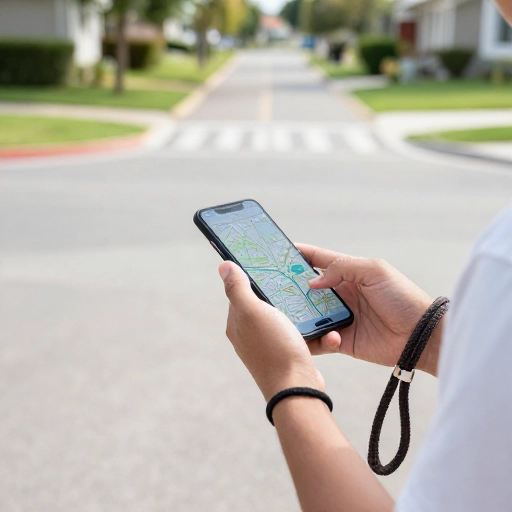
I used to walk the same loop every day, right past the house with the barking dog. It was a disaster waiting to happen. Now, I plan my routes like a secret mission. I use a mental map of quiet streets, empty schoolyards, and trails where we rarely see other dogs.
You don’t have to avoid every trigger forever. But in the beginning, fewer surprises mean more opportunities for calm practice. A quiet walk builds your dog’s confidence and your own. Look for routes with good visibility so you can spot a trigger from a distance and have time to turn around.
If you have to walk in a busy area, pick less popular times. Early morning or late evening walks are often much quieter.
2. Carry High-Value Treats at All Times
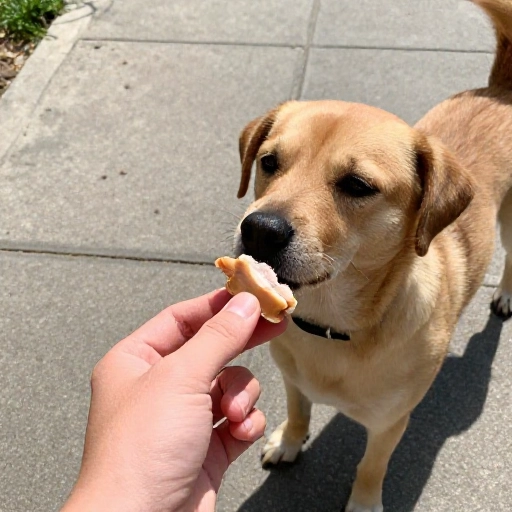
I learned quickly that kibble won’t cut it for a reactive dog. You need treats that are so good, your dog chooses you over the trigger. Think small pieces of cooked chicken, cheese, or freeze-dried liver. These are for walks only, so they stay special.
Keep the treats in a pouch that’s easy to access. You want to be able to grab one in a split second. When you see a trigger at a distance, start feeding your dog before they react. This teaches them that seeing another dog means good things happen to them.
Your hand becomes a magnet for their focus. It’s a simple but powerful shift.
3. Use the “Look at That” Game
This game changed everything for us. It’s simple: when your dog notices a trigger (like a bike or another dog), mark it with a calm “yes” and give a treat. You are not asking them to look away. You are rewarding them for noticing the trigger without reacting.
Start far away, where your dog is comfortable. As they get better, you can slowly shorten the distance. The goal is to change their emotional response. Over time, they learn that the scary thing predicts a delicious treat.
It’s like rewiring their brain, one tiny step at a time. Be patient; some days are harder than others.
4. Master the U-Turn
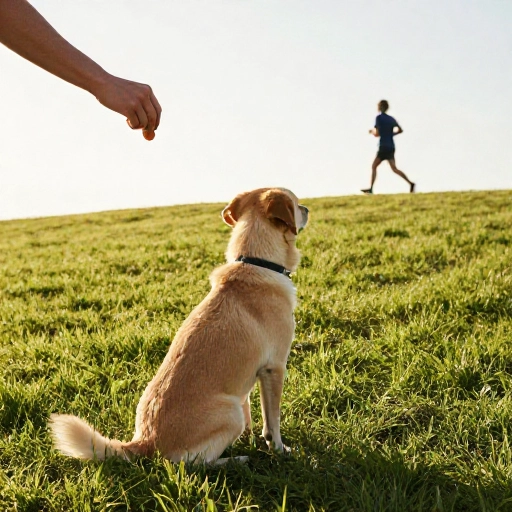
I used to freeze when I saw a trigger. Now, I have a go-to move: a smooth, confident U-turn. Practice this at home first, without any distractions. Say “this way” in a happy voice and turn around, rewarding your dog for following.
When you see a trigger, don’t wait for your dog to react. Turn around before they hit their threshold. This prevents a meltdown and keeps the walk positive. It also teaches your dog that you are the leader and you will keep them safe.
It takes practice, but soon it becomes second nature. You’ll feel so much more in control.
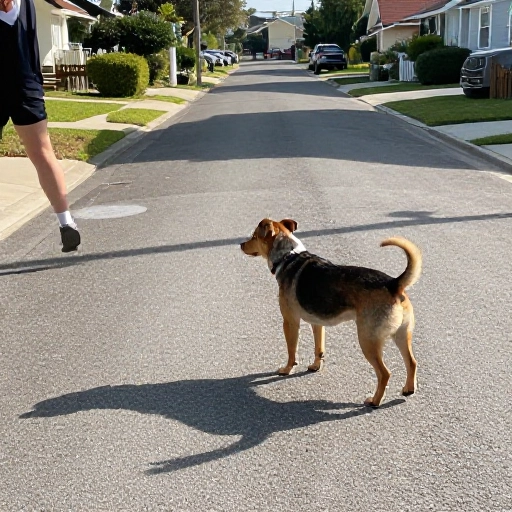
5. Find a Quiet “Sniff Spot” First
Before we go on our main walk, I always start with a few minutes of sniffing in a safe, quiet area. This could be our yard or a empty parking lot. Letting them sniff lowers their stress and gets that initial burst of excitement out.
Think of it as a warm-up for their brain. A sniffing dog is a calmer dog. Once they’ve satisfied their curiosity, they are more willing to focus on me during the walk.
This simple step made our walks much more relaxed. Try it and see the difference.
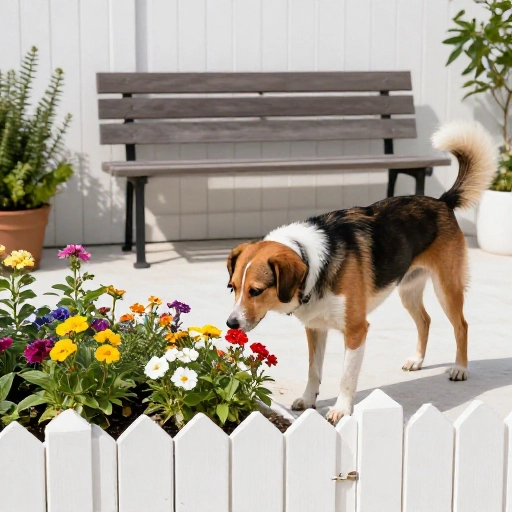
6. Watch Your Own Body Language
Dogs are masters at reading us. I noticed that when I tensed up, my dog reacted faster. If I was anxious, they were anxious. So I started practicing calm, loose body language. I relax my shoulders, soften my grip on the leash, and breathe deeply.
When I see a trigger, I act like it’s no big deal. I might even yawn or look away. This tells my dog, “There’s nothing to worry about.” Your calm energy is contagious. It is one of the most powerful tools you have.
It feels silly at first, but it works. Fake it till you make it.
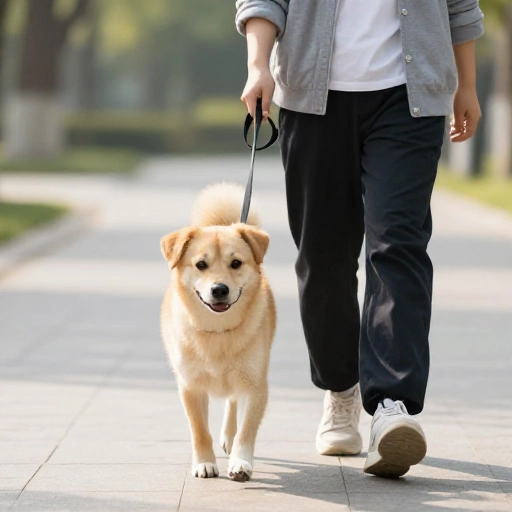
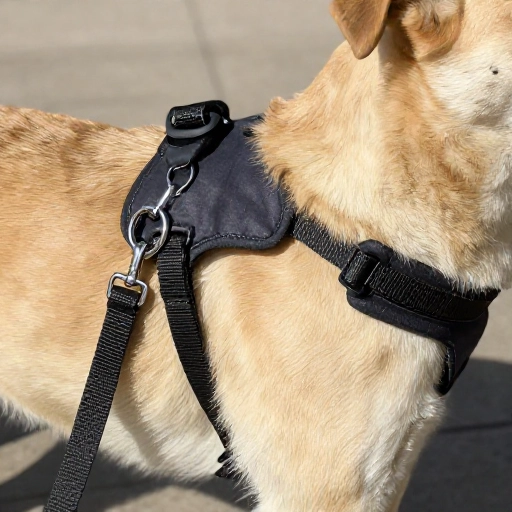
7. Use a Front-Clip Harness
I ditched the collar and flat harness a long time ago. A front-clip harness changed everything. When your dog pulls, it gently steers them back towards you instead of letting them pull full force. It gives you much more control without choking them.
It also reduces the pressure on their neck, which can actually increase reactivity. A calmer body leads to a calmer mind. It’s a simple equipment change that made a huge difference in our walks.
Make sure the harness fits snugly. A loose harness can be just as ineffective.
8. Practice in “Boring” Places
One mistake I made was only practicing in high-distraction areas. That was too hard. Instead, I started in boring places: my living room, then the driveway, then the sidewalk in front of my house. I practiced focus, loose leash walking, and U-turns there first.
Building a strong foundation in easy settings makes success more likely. Your dog learns the behavior without the pressure. Then, you can slowly add more distractions.
Think of it as building muscle memory. It’s much easier to ask your dog for a “sit” in a quiet park if they’ve practiced it a hundred times at home.
9. Set Your Dog Up for Success with Management
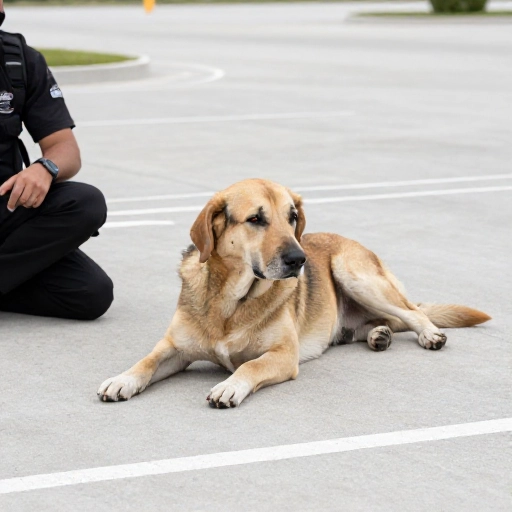
There is no shame in using management tools. If your dog is too overwhelmed by seeing other dogs, it’s okay to cross the street or hide behind a car. This isn’t giving up; it’s being smart. You are preventing a reaction that would set your training back.
I also use a “Do Not Pet” bandana or vest. It helps people understand to give us space. Management is about creating a safe bubble for your dog to learn. The more successful walks you have, the more confident you both become.
Don’t feel pressured to push your dog into scary situations. Go at their pace.
10. Use Movement, Not Just Commands
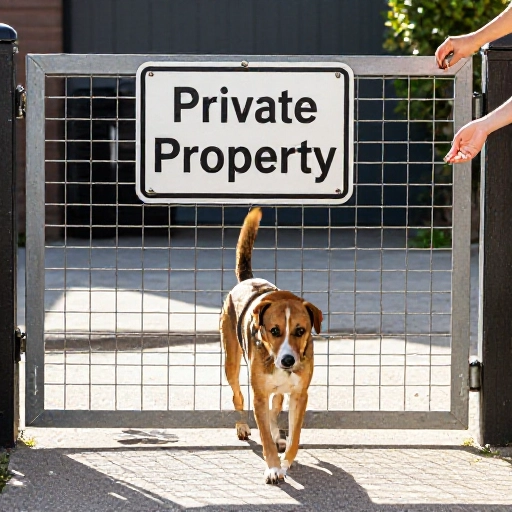
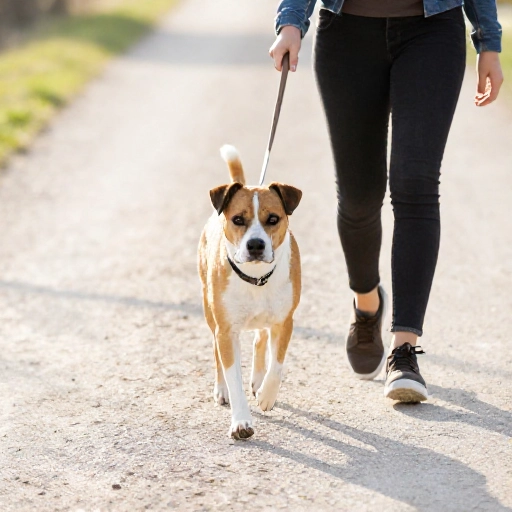
When my dog gets fixated, I used to stand still and say “leave it” over and over. Now, I use movement. I might jog a few steps, do a circle, or walk in a zigzag. Movement breaks the fixation much faster than a verbal command ever could.
Your dog’s brain is wired to follow movement. By moving, you become the interesting thing. It also changes their physical state from frozen to active, which helps release tension.
It’s a fun, dynamic way to redirect their attention. Plus, it makes the walk more engaging for both of you.
11. Take Breaks to Just Sit and Watch
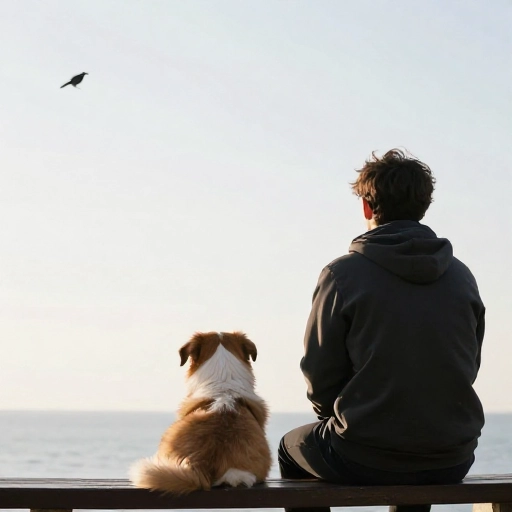
This was a game-changer for us. I would find a bench far from any triggers, sit down, and just treat my dog for staying calm while watching the world go by. We watch cars, people, and dogs from a safe distance.
This teaches your dog that the world is not a threat. They learn to be neutral. I bring a mat or a towel for them to lie on. It turns a stressful walk into a calm observation session.
Start with just a few minutes. Gradually, they learn to relax in public. It’s a skill that transfers to every other walk.
12. Don’t Punish the Growl
I used to think a growl was bad behavior. Now I know it’s a warning. If I punish my dog for growling, they might stop giving that warning. Then, they might go straight to a snap or a bite. The growl is a gift. It tells me they are uncomfortable and need more space.
When my dog growls, I thank them silently and create distance. I don’t scold them. I just move away. This builds trust. They learn that I listen to them and will keep them safe.
Respecting the growl makes your dog feel heard. A heard dog is a less stressed dog.
13. Keep Walks Short and Sweet
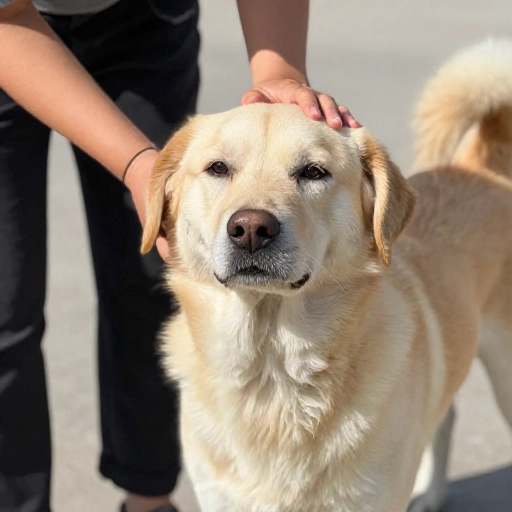
I used to think a walk had to be 30 minutes or it didn’t count. That was a mistake. A short, successful 10-minute walk is far better than a long, stressful 30-minute one. Quality over quantity, every single time.
Short walks prevent your dog from getting too tired or overwhelmed. They are easier to manage and more likely to end on a positive note. End the walk while your dog is still calm, not after they’ve had a meltdown.
This builds a history of success. Over time, you can slowly increase the length.
14. Celebrate the Small Wins
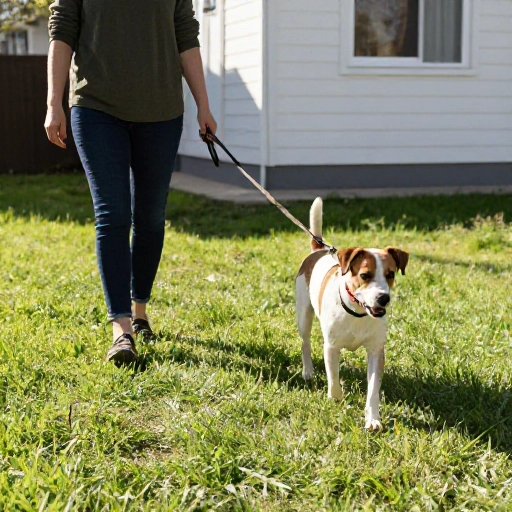
This is the most important tip. Did your dog only bark once instead of five times? That’s a win. Did they see a dog and look back at you? That’s a huge win. Did you make it past the mailman without a reaction? Celebrate it.
I keep a mental list of these small victories. They remind me that we are making progress, even on hard days. Change is slow, but it happens. Be kind to yourself and your dog. You are a team, learning together.
Every calm walk is a step in the right direction. You’ve got this.
Conclusion
Walking a reactive dog is not easy, but it is incredibly rewarding. Every time you help your dog navigate a trigger without reacting, you are building a stronger bond. You are teaching them that the world is not as scary as they think. And you are learning to be a more patient, observant, and confident owner.
These 14 tips are not a quick fix. They are a new way of walking. Some days will be hard. Some days you will take ten steps and turn around. That is okay. Progress is not a straight line. Keep showing up, stay calm, and remember why you started. Your dog is lucky to have you.
Frequently Asked Questions
What is the best leash for a reactive dog?
A standard 4- to 6-foot leash is best. Avoid retractable leashes because they give your dog too much freedom and reduce your control. A front-clip harness paired with a short leash gives you the most control and safety.
How long does it take to fix reactivity in dogs?
There is no set timeline. It depends on the dog, their history, and how consistent you are. Some dogs improve in a few months, while others take a year or more. The key is patience and consistency. Focus on progress, not perfection.
Should I let my reactive dog greet other dogs?
Generally, no. On-leash greetings are often stressful and can lead to reactivity. It’s better to teach your dog to ignore other dogs while on a walk. Off-leash play in a safe, controlled environment is different, but on-leash greetings should be avoided.
Is it okay to use a prong or shock collar on a reactive dog?
Most trainers and behaviorists advise against using aversive tools like prong or shock collars for reactivity. They can increase fear and anxiety, making the problem worse. Positive reinforcement methods are safer, more effective, and build trust with your dog.
What if my dog reacts anyway? Did I mess up?
No, you did not mess up. Reactivity is a learning process, and setbacks are normal. When a reaction happens, just calmly move your dog away. Don’t punish them. Take a deep breath, and try again another time. Every mistake is just data for your next walk.