14 Indoor Activities for Dogs That Actually Burn Energy
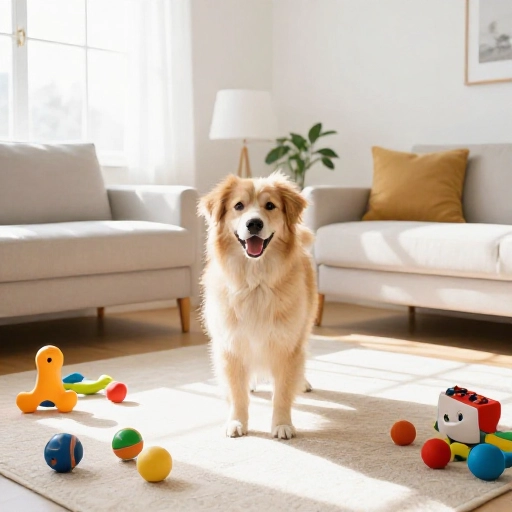
Let’s be real—some days it’s pouring rain, freezing cold, or just too hot for a long walk. And your dog? They’re staring at you with those eyes that say, “Okay, what now?” I’ve been there more times than I can count. Stuck inside with a pup who needs to move, but the weather just won’t cooperate.
The good news? You don’t need a backyard or a dog park to wear your dog out. Over the years, I’ve tested dozens of indoor activities—some were total flops (RIP, my favorite rug), and some became our go-to favorites. These 14 ideas are the ones that actually work. They’re simple, use stuff you probably already have, and keep both of you from going stir-crazy.
So grab a treat pouch, clear some floor space, and let’s dive in. Your dog’s about to have the best rainy day ever.
1. The Towel Tug Game
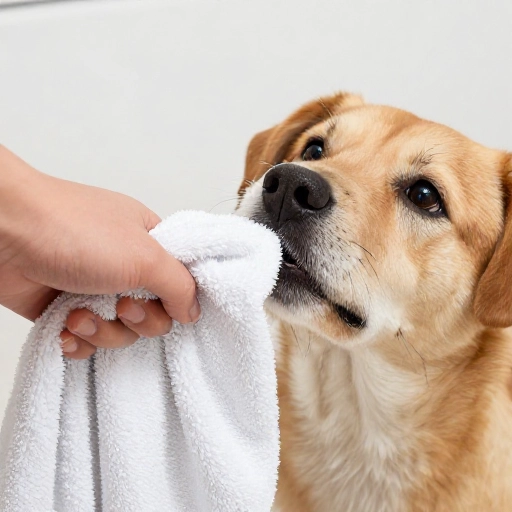
Grab an old dish towel or a fleece blanket. Knot it in the middle to give your dog something to grip. Then, play a gentle game of tug-of-war. The key here is to let your dog “win” every few rounds—it builds their confidence and makes the game way more fun for them.
To keep it safe, teach a “drop it” command. When your dog releases the towel, reward them with a treat, then restart the game. This activity works muscles, burns mental energy, and strengthens your bond. Plus, no special toys needed.
2. Hide-and-Seek with Treats
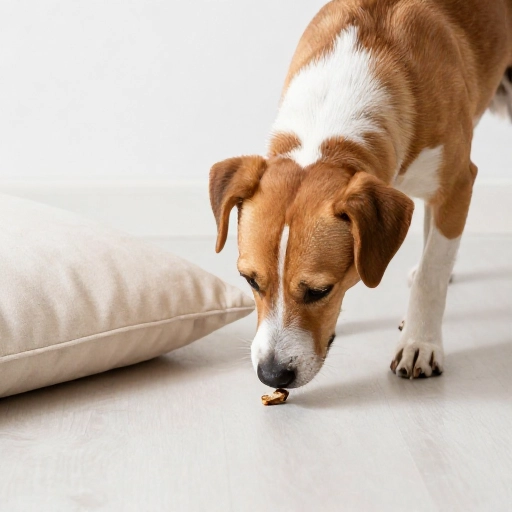
Start easy. Let your dog watch you hide a treat under a cushion or behind a chair leg. Once they get the hang of it, make it harder—hide treats in another room, under a rug, or inside a cardboard box. Use high-value smelly treats like freeze-dried liver or cheese bits.
This game taps into your dog’s natural scavenging instincts. It’s mentally exhausting for them, which is exactly what you want on a rainy day. My own dog once spent 20 minutes searching for a single hidden treat—total silence, total focus. Pure magic.
3. The Cup Game (Shell Game for Dogs)
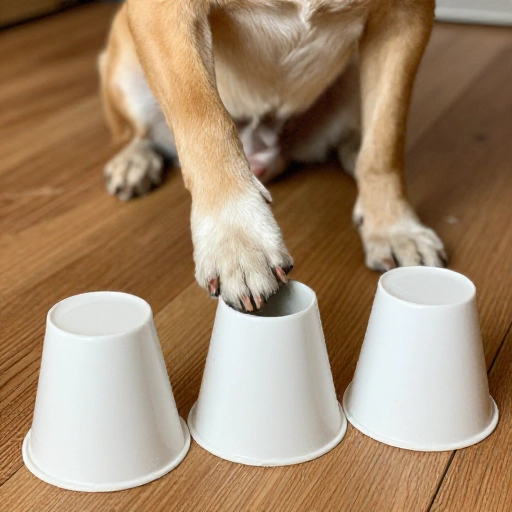
You’ll need three plastic cups and a treat. Place the treat under one cup while your dog watches, then shuffle them around. Let your dog sniff out the right cup. At first, go slow. As they improve, shuffle faster or add more cups.
This is a fantastic brain workout. It also teaches impulse control—your dog has to wait until you say “find it” before knocking over a cup. Start with just one cup if your dog is new to puzzles.
4. Indoor Fetch with a Twist
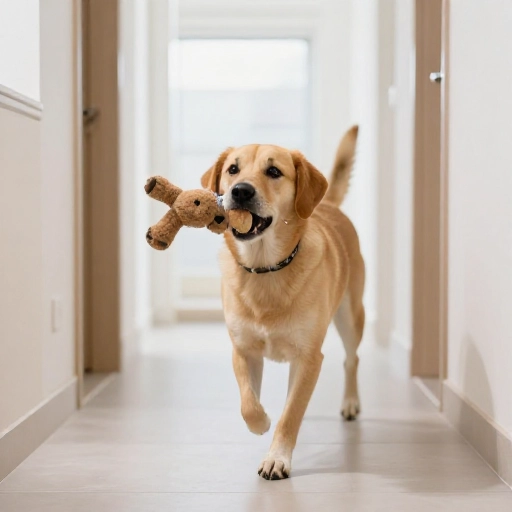
Regular fetch in a hallway can get boring fast. Instead, try “stair fetch” if you have stairs—toss a soft toy up a few steps, let your dog retrieve it, then repeat. Or use a plush toy that squeaks and hide it under a blanket, then let your dog “find” it before you throw.
Too much running on hardwood floors can be slippery, so use rugs or a yoga mat for traction. Keep sessions short—five to ten minutes is plenty. This keeps joints safe and energy burned.
5. DIY Obstacle Course
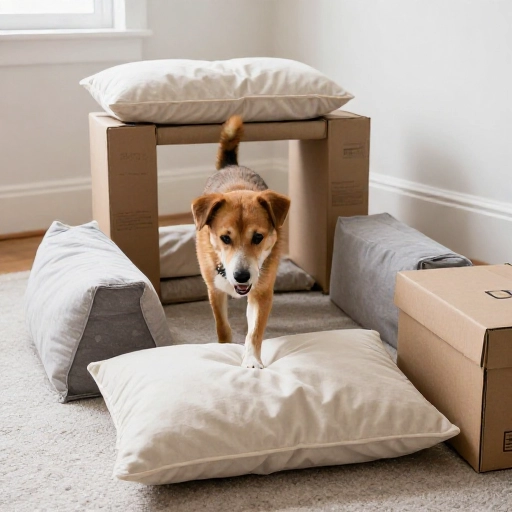
Use pillows, chairs, cardboard boxes, and broomsticks to make a mini agility course. Teach your dog to weave between chair legs, jump over a low broomstick (resting on two boxes), and crawl under a table. Guide them with treats at first.
You don’t need fancy equipment. A hallway or living room works fine. The novelty of a new setup keeps dogs engaged. Change the course layout every time to keep it interesting.
6. The “Find It” Scent Game
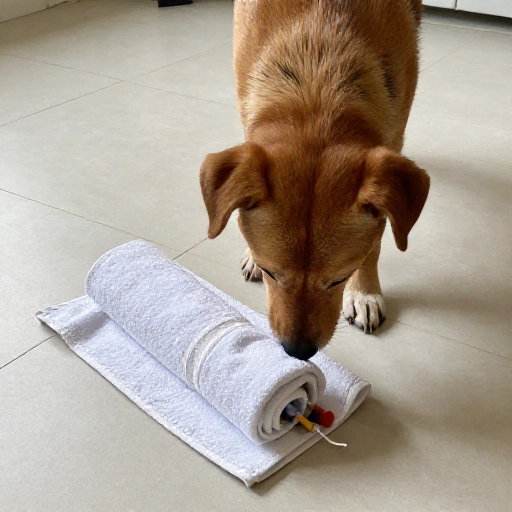
Scent work is incredibly tiring for dogs. Start by dropping a treat on the floor and saying “find it!” as they eat it. Then, hide treats in plain sight, gradually making them harder to spot. Eventually, hide treats in other rooms.
You can level up by using a specific scent (like a dab of lavender oil on a cotton ball) and hiding that instead. Let your dog sniff the scent first, then search. This taps into their superpower—their nose.
7. Trick Training Session
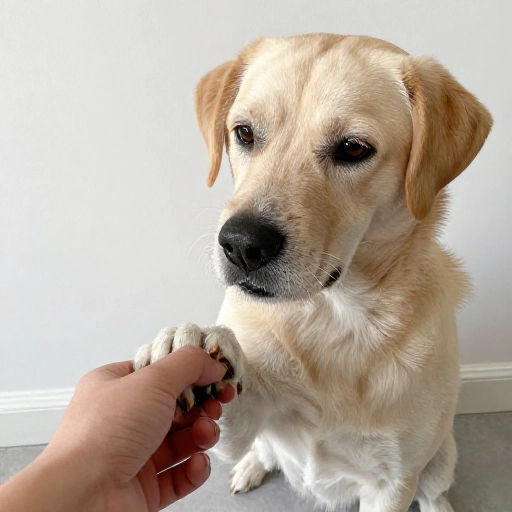
Pick two or three new tricks to teach. “Spin,” “play dead,” “shake,” and “roll over” are all indoor-friendly. Break each trick into tiny steps and reward every small success. Keep sessions to five minutes max to avoid frustration.
Training builds focus and mental stamina. Plus, it’s a confidence booster for shy dogs. Use high-value treats and end on a success, even if it’s just a tiny one. Your dog will feel like a genius.
8. The Muffin Tin Puzzle
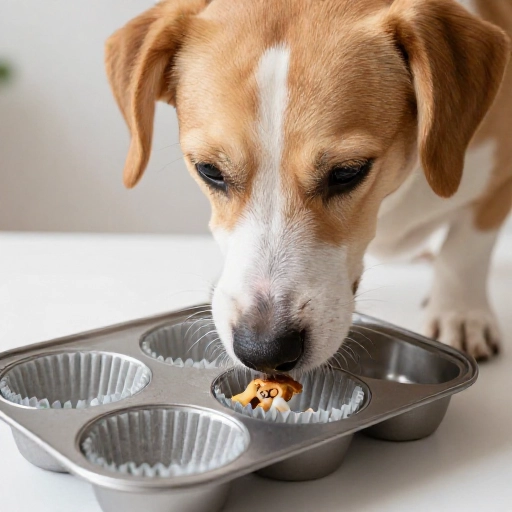
Take a metal muffin tin, put a treat in each cup, then cover each cup with a tennis ball. Your dog has to nudge the ball out to get the treat. It’s simple, but most dogs love the challenge. Start with just a few balls if your dog gets frustrated.
Supervise this one—some dogs try to chew the tin or balls. If your dog is a power chewer, use silicone muffin cups instead. This game is great for independent play while you sip your coffee.
9. Flirt Pole Fun
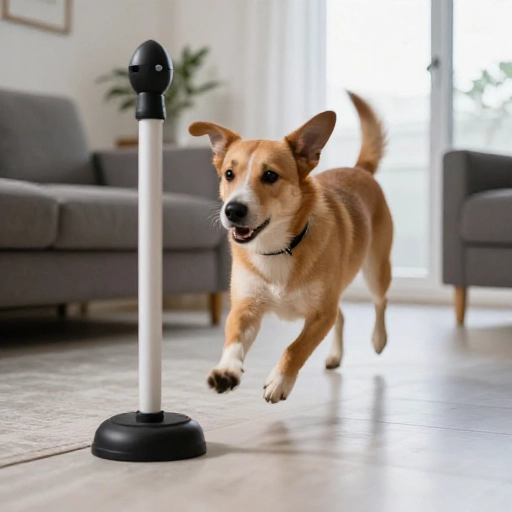
A flirt pole is basically a giant cat toy for dogs. You can buy one or make it with a sturdy stick and a rope with a toy attached. Drag it along the floor in zigzags, let your dog chase it, then let them “catch” it occasionally.
This burns insane amounts of energy in a small space. But go easy—keep sessions under five minutes, especially for puppies or high-energy breeds. Let your dog win and reward them with a treat when they catch it.
10. Frozen Treat Lick Mat
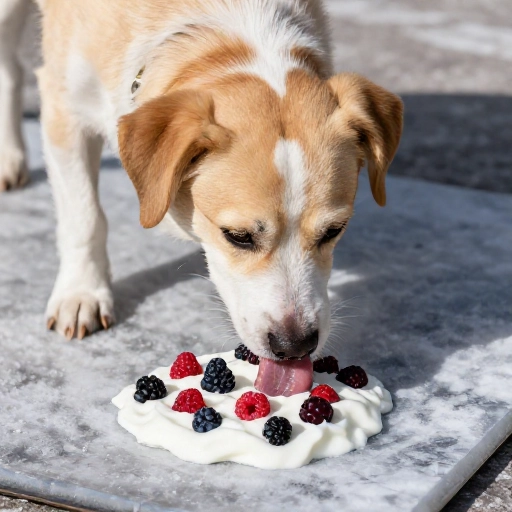
Spread peanut butter (xylitol-free), plain yogurt, or mashed banana on a lick mat or a silicone baking mat. Freeze it for an hour, then give it to your dog. Licking is naturally calming for dogs, so this is perfect for winding down.
This activity is low key but effective. It keeps dogs busy for 10–20 minutes and reduces anxiety. Great for after a play session or during a thunderstorm. Just wash the mat afterward to avoid sticky residue.
11. “Go to Your Mat” Game
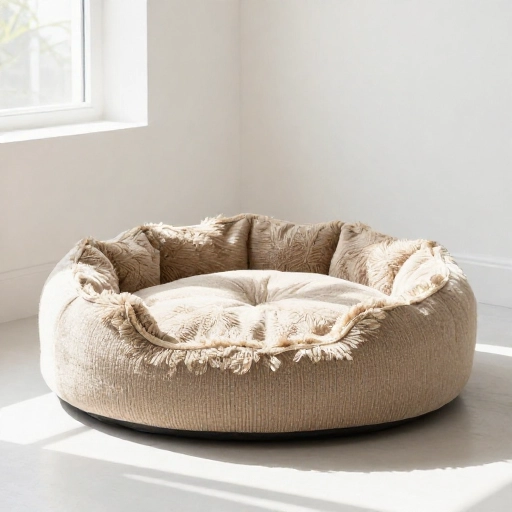
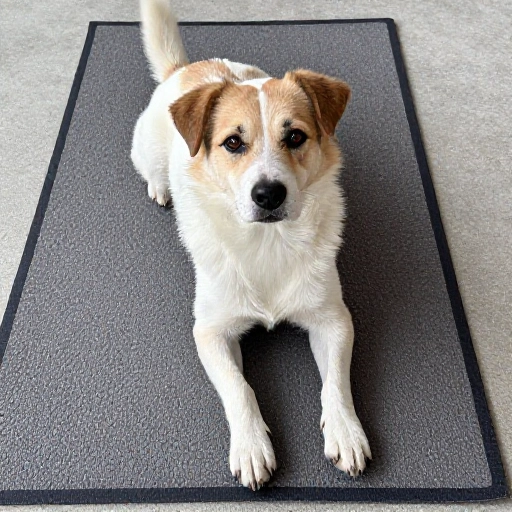
Teach your dog to go to a specific mat or bed on command. Start by luring them onto the mat with a treat, then say “go to your mat.” Gradually increase the distance you send them from. Once they’re reliable, add a duration—ask them to stay on the mat for a few seconds before releasing.
This is a lifesaver for managing door dashing or meal prep chaos. It also builds impulse control. Plus, it’s a quiet indoor activity that still uses your dog’s brain.
12. Box Destruction (Controlled)
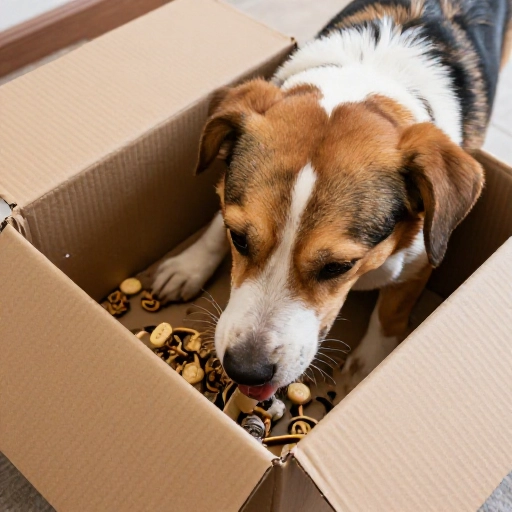
Give your dog an empty cardboard box (no tape or staples) and let them shred it. You can hide treats inside for extra motivation. Supervise to make sure they don’t eat large pieces of cardboard. Some dogs love this more than any store-bought toy.
This satisfies natural chewing and tearing instincts. It’s messy, yes, but easy to clean up. Set up a “destruction zone” on a tiled floor or old sheet for easier cleanup. My dog’s personal record is demolishing a box in 90 seconds.
13. Bubble Chasing
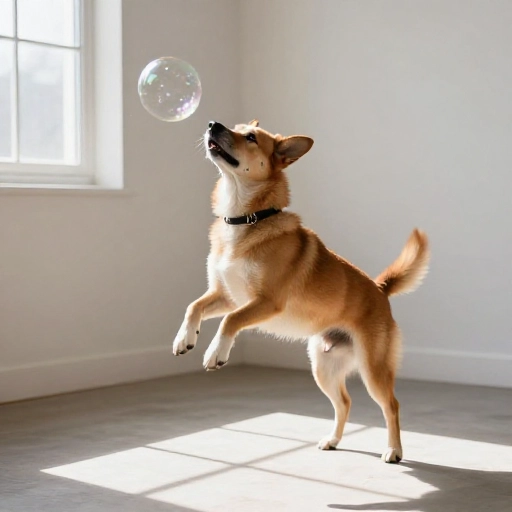
Use dog-safe bubbles (available at pet stores or made with water and a tiny bit of glycerin). Blow bubbles and let your dog chase and pop them with their nose. Some dogs go wild for this; others need a little encouragement—try catching one yourself first.
This is pure, silly fun. It burns energy with running and jumping. But don’t overdo it—some dogs get overstimulated. Watch for heavy panting and take breaks. Always supervise to prevent bubble solution ingestion.
14. The “Name Your Toys” Game
Teach your dog the names of their favorite toys. Start with one toy, say its name (“ball”) when they touch it, then reward. Gradually add more toys. Once they know two or three names, ask them to “get the duck” and see if they bring the right one.
This is an advanced brain game that impresses everyone. It also strengthens your communication. Be patient—some dogs pick it up in days, others take weeks. Either way, it’s quality bonding time.
Conclusion
Rainy days, snow days, or just lazy Sundays—these 14 activities have saved my sanity more times than I can count. The secret isn’t doing them all at once. Pick one or two that fit your dog’s personality and your space. A high-energy terrier might love the flirt pole; a senior lab might prefer the lick mat.
Watch your dog’s cues. If they seem tired, stop. If they’re still wired, try a different activity. The goal isn’t exhaustion—it’s connection. You’re showing your dog that even indoors, life is full of fun surprises. And honestly, that makes you the best human ever.
Frequently Asked Questions
How long should indoor play sessions last?
Most dogs do well with 10–15 minute sessions, two to three times a day. High-energy breeds might need more, but keep an eye out for overstimulation. Short, frequent sessions are better than one long marathon.
What if my dog doesn’t like any of these activities?
Start with the simplest ones, like treat hiding or the muffin tin puzzle. Some dogs need time to learn how to play. Use extra special treats (cheese, hot dog bits) to build interest. If your dog still seems bored, try varying the time of day—some dogs are more playful in the morning.
Can I use these activities for puppies?
Absolutely. Just adjust difficulty. Puppies have short attention spans, so keep sessions to 3–5 minutes. Avoid games that involve jumping (to protect growing joints). Scent games and gentle tug work great for pups.
My dog is deaf/blind. Can they still play?
Yes. For deaf dogs, use hand signals and vibration cues (tap the floor near them). For blind dogs, use scent-based games like “find it” with strong-smelling treats. Your voice becomes their guide—talk to them calmly during play.
How do I keep my dog from getting bored with the same games?
Rotate activities every few days. Keep a list of 5–6 favorites and cycle through them. You can also change the location—play in the living room one day, the bedroom the next. Adding new treats or toys to old games refreshes them.