14 Essential Puppy Training Tips That Actually Work
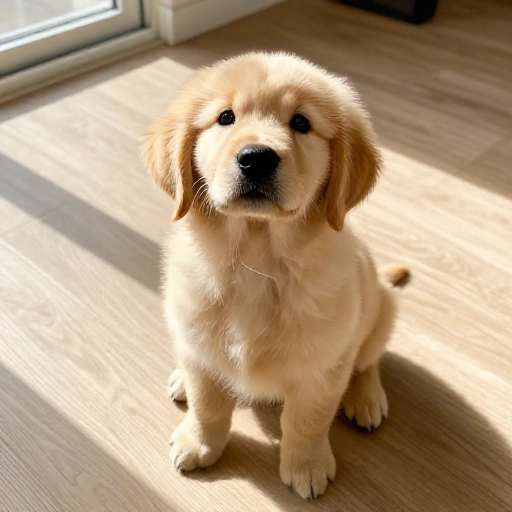
Bringing home a new puppy is pure joy mixed with a little chaos. I remember those first few weeks—chewed shoes, puddles on the floor, and that sweet face looking up at me. Training doesn’t have to be stressful. It’s about building trust and having fun together.
These tips are ones I’ve used myself. They’re simple, kind, and designed to help your puppy learn while feeling safe. Whether you’re a first-time owner or just need a refresher, this guide will help you both enjoy the journey.
1. Start with a Routine from Day One
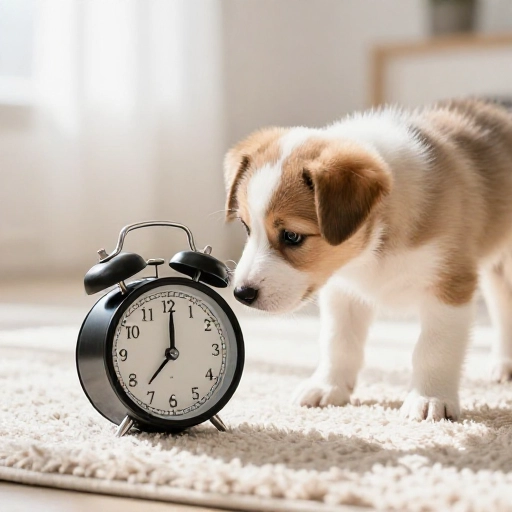
Puppies thrive on predictability. I set a daily schedule for meals, potty breaks, playtime, and naps. This helps my puppy know what to expect and reduces anxiety.
For potty training, take your pup out first thing in the morning, after meals, and after naps. Consistency is key. Before long, they’ll start signaling when they need to go.
Keep the routine simple. Puppies learn best when they feel secure.
2. Use Positive Reinforcement Every Time
Reward good behavior with treats, praise, or a favorite toy. I never punish my puppy for mistakes. Scolding only creates fear and confusion.
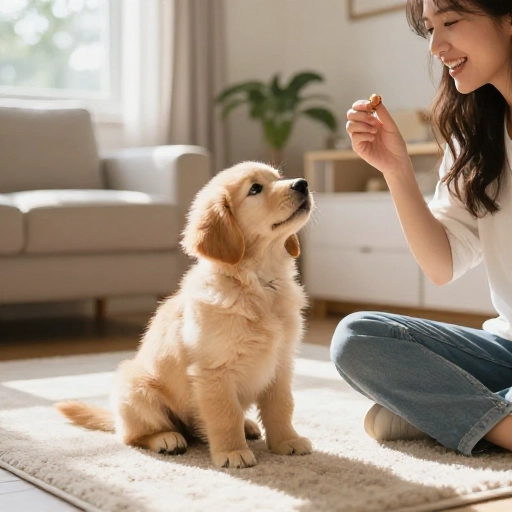
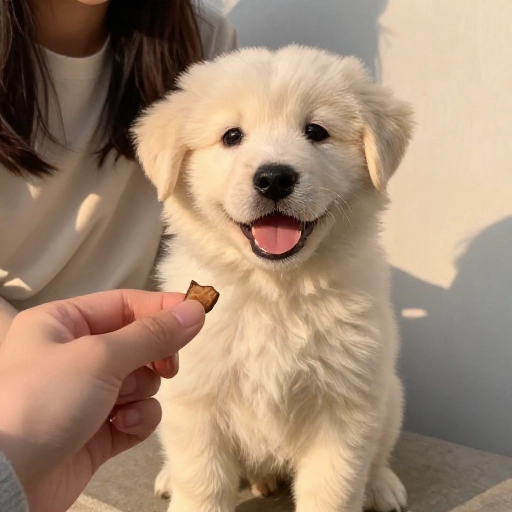
When my puppy sits on command, I give a small treat and say “yes!” in a happy voice. This teaches them that good things happen when they listen.
Positive reinforcement builds a strong bond. Your puppy will want to please you.
3. Keep Training Sessions Short and Sweet
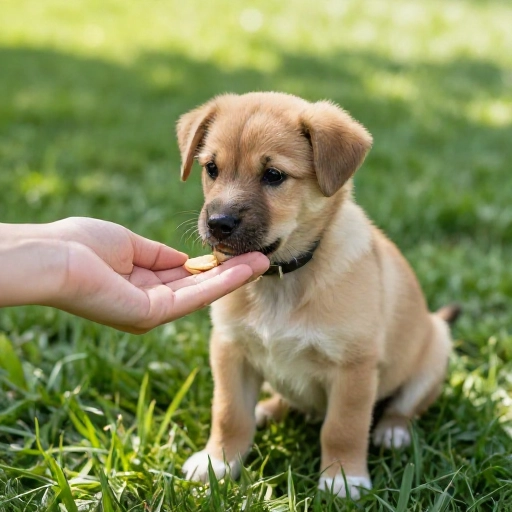
Puppies have short attention spans. I keep sessions to five or ten minutes, two or three times a day. This prevents boredom and frustration.
End each session on a high note. If my puppy nails a command, I give extra praise and a treat. Then we take a break.
Short, frequent practices work better than long, tiring ones.
4. Teach the “Watch Me” Cue
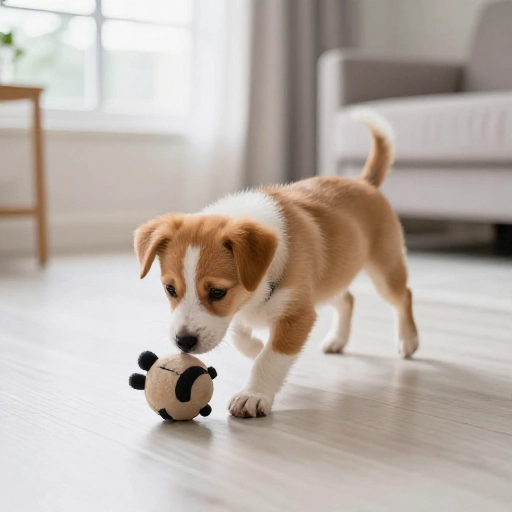
This simple trick helps with focus. I hold a treat near my eyes and say “watch me.” When my puppy looks at me, I reward them.
Use this during walks or when distractions appear. It redirects attention back to you.
This cue is a lifesaver for teaching patience and impulse control.
5. Crate Train Gently
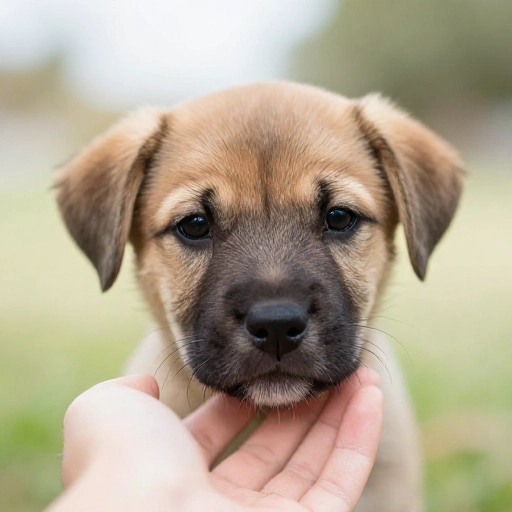
The crate should be a cozy den, not a punishment. I make it inviting with a soft bed and a safe toy. I feed my puppy in the crate so they associate it with good things.
Start with short periods. Leave the door open at first, then gradually close it for a few minutes while I stay nearby.
Crate training helps with potty training and gives your puppy a quiet space to relax.
6. Socialize Early and Safely
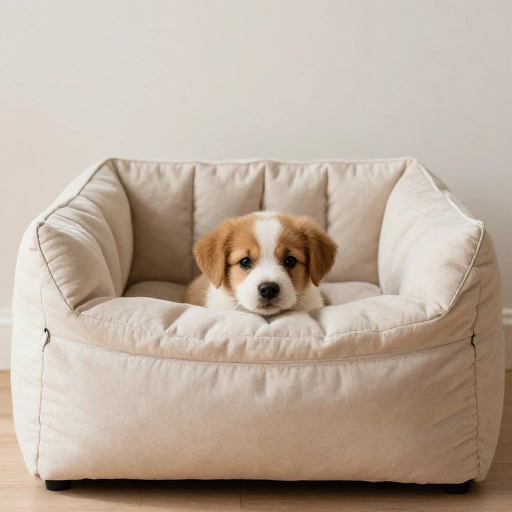
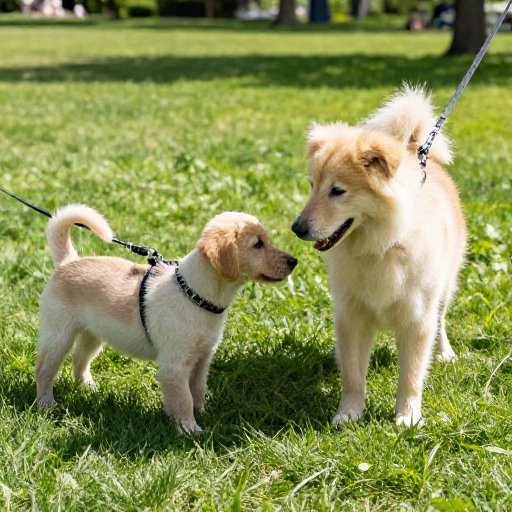
Expose your puppy to different people, places, and gentle dogs. I take mine to quiet parks, pet-friendly stores, and on short car rides.
Watch for signs of fear. If my puppy seems nervous, I back off and try again later with more distance.
Positive early experiences prevent fear-based behaviors later.
7. Master “Leave It” and “Drop It”
These commands keep your puppy safe. I start by placing a treat on the floor and covering it with my hand. When my puppy stops trying to get it, I say “leave it” and reward them with a different treat.
For “drop it,” I trade a toy for a high-value treat. This teaches them that letting go is rewarding.
Practice in low-distraction areas first.
8. Use a Consistent Verbal Marker
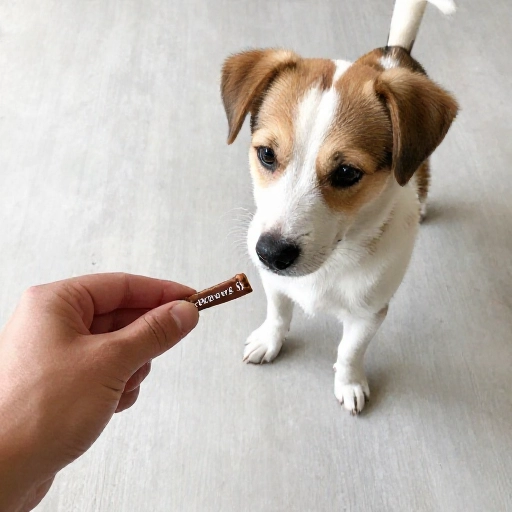
Choose a word like “yes” or “good” to mark the exact moment your puppy does something right. I use “yes” followed by a treat.
This helps my puppy understand exactly which action earned the reward. It speeds up learning.
Keep the marker short and upbeat.
9. Manage Mouthing and Biting
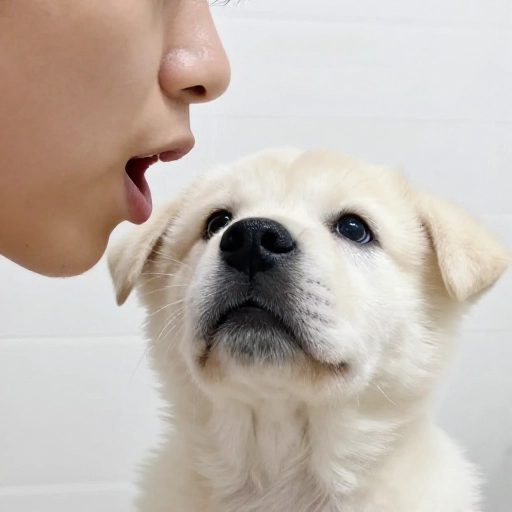
Puppies explore with their mouths. When mine bites too hard, I yelp softly and stop playing. This mimics how littermates teach bite inhibition.
I then offer a toy to redirect the behavior. If they chew the toy, I praise them.
Consistency is crucial. Everyone in the house should follow the same rule.
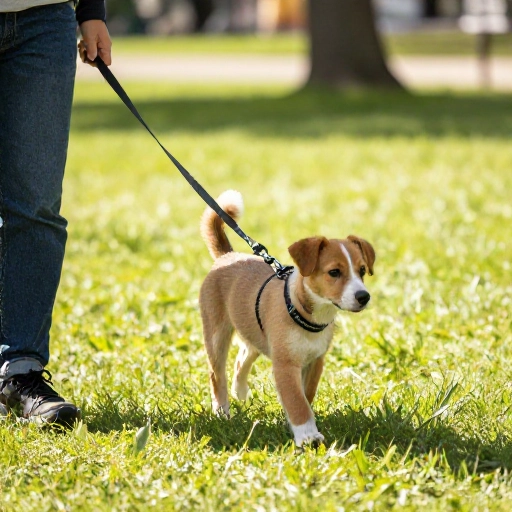
10. Practice Loose-Leash Walking
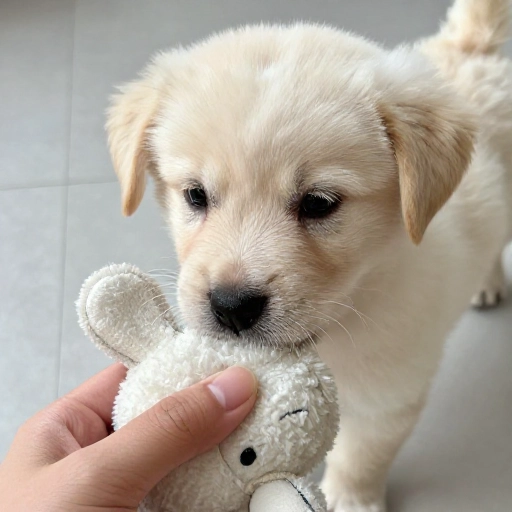
Start indoors or in a quiet yard. I hold a treat at my side and reward my puppy for walking next to me. If they pull, I stop and wait until the leash loosens.
Short, frequent practice helps. Use a harness for comfort and control.
Patience pays off. Soon your walks will be calm and enjoyable.
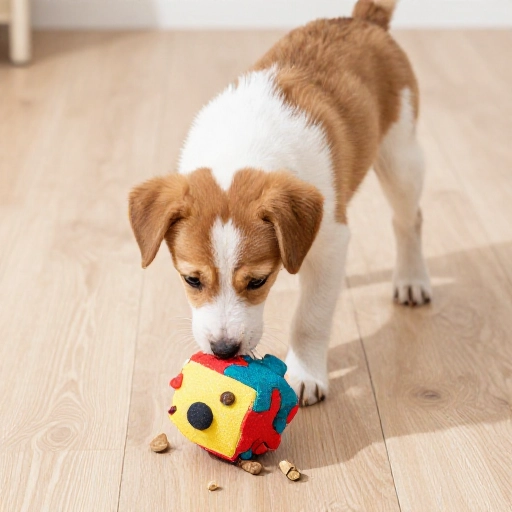
11. Don’t Forget Mental Stimulation
A tired puppy is a well-behaved puppy. I use puzzle toys, snuffle mats, and simple games like hiding treats under cups.
Training new tricks also works their brain. Even five minutes of mental play can tire them out as much as a walk.
Rotate toys to keep things interesting.
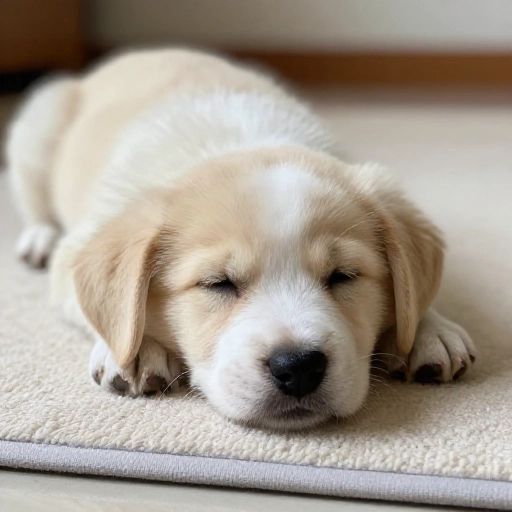
12. Teach Calmness with “Settle”
I reward my puppy for lying down quietly. I use a soft voice and a treat when they relax on their bed or mat.
Over time, I add a cue like “settle.” This helps them learn to relax on command, especially during busy times.
This skill is great for guests or when you need a moment of peace.
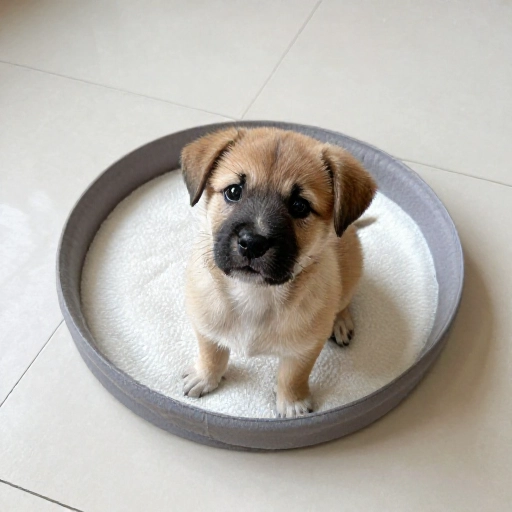
13. Be Patient with House Training
Accidents happen. I clean messes with an enzymatic cleaner to remove odors. I never rub my puppy’s nose in it.
Take your puppy out frequently, especially after eating, drinking, or waking up. Reward them with praise and a treat when they potty outside.
Most puppies get the hang of it within a few weeks if you stay consistent.
14. End Every Session on a Positive Note
Always finish training with something your puppy can do easily. I ask for a simple sit or down, then give lots of praise and a treat.
This leaves them feeling successful and eager for the next session. It also builds confidence.
Training should be a happy experience for both of you.
Conclusion
Training your puppy is a journey, not a race. Every small win builds a stronger bond and a happier life together. I’ve seen how patience and kindness transform a wiggly pup into a confident companion.
Take it day by day. Celebrate the good moments, laugh at the messy ones, and keep showing up with love. Your puppy is learning as much from your calm energy as from the commands you teach.
You’ve got this. Enjoy every wag, every pounce, and every sleepy snuggle.
Frequently Asked Questions
When should I start training my puppy?
You can start basic training as soon as you bring your puppy home, usually around 8 weeks old. Keep sessions short and focus on bonding first.
How long does it take to potty train a puppy?
Most puppies take 4 to 6 months to be fully reliable. Some learn faster, others need more time. Consistency and patience are key.
Should I use a clicker for training?
A clicker can be helpful but isn’t required. Many people use a verbal marker like “yes” instead. Use whatever feels natural to you.
What if my puppy doesn’t listen?
Puppies have short attention spans. If yours isn’t listening, try reducing distractions, shortening sessions, or using higher-value treats. Stay calm and patient.
Is punishment ever okay?
I don’t recommend punishment. It can damage trust and cause fear. Positive reinforcement builds a happy, confident dog who wants to learn.