11 Calico Cat Facts That Make Them Unique
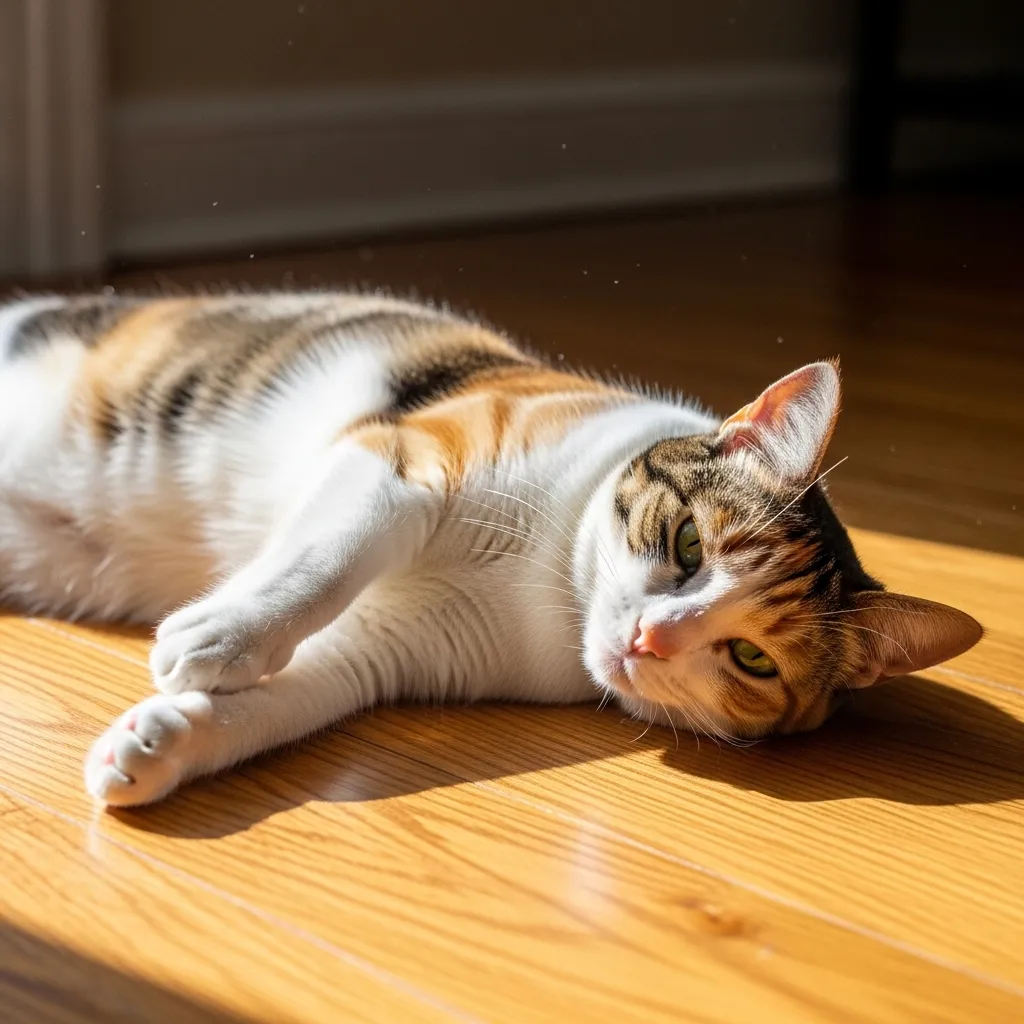
If you’ve ever seen a calico cat, you know they’re hard to forget. With their patchwork of orange, black, and white fur, they look like little walking works of art. But there’s so much more to these cats than their beautiful coats.
I’ve always been fascinated by calicos. They have a reputation for being sassy and strong-willed, and honestly, I think that’s part of their charm. Whether you already share your home with one or you’re just curious, these 11 facts will show you why calico cats are truly one of a kind.
1. Almost All Calico Cats Are Female
This is the big one. The gene for coat color is carried on the X chromosome. To get that tricolor pattern, a cat needs two X chromosomes. That’s why over 99% of calico cats are female.
Male calicos do exist, but they are extremely rare—about 1 in 3,000. And when they do appear, they usually have an extra chromosome (XXY) and are almost always sterile.
So if you meet a calico, there’s a very good chance you’re looking at a girl.
2. They Are Not a Specific Breed
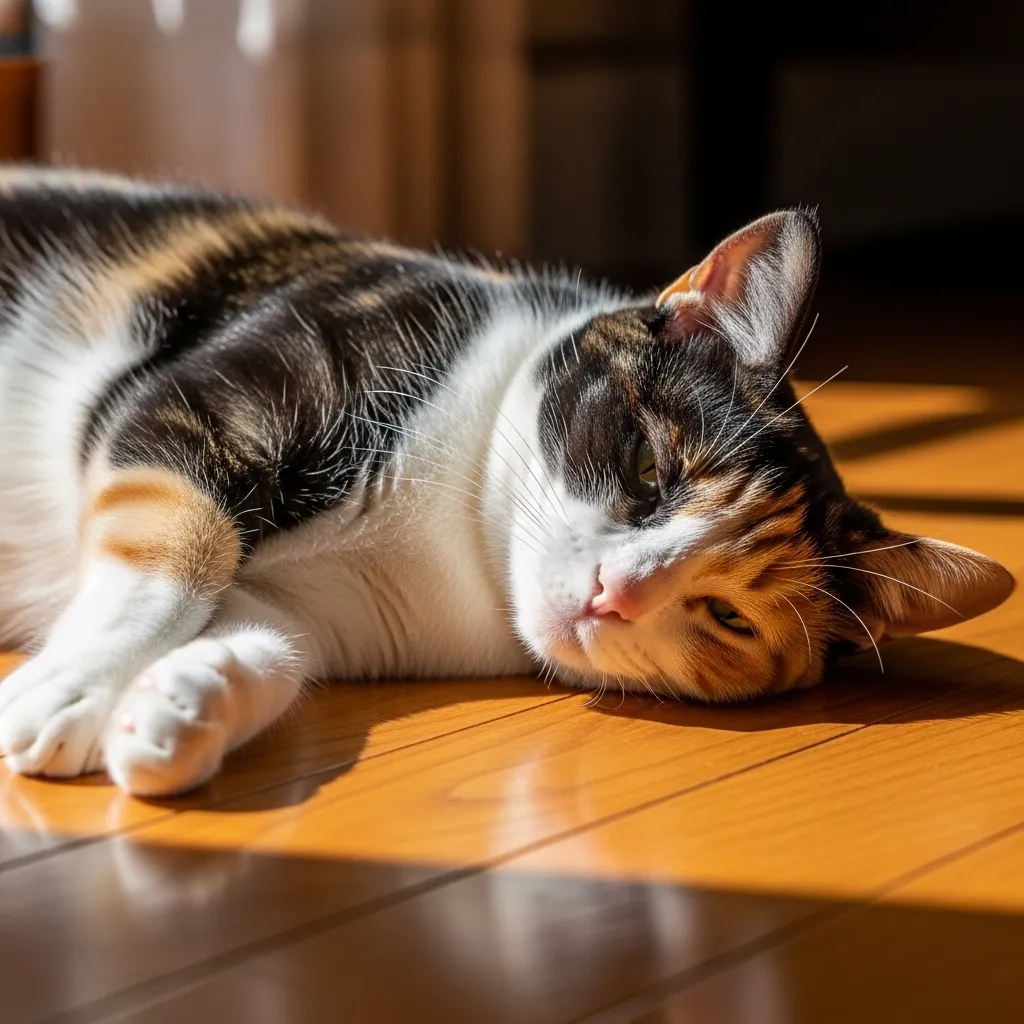
This one surprises a lot of people. Calico is not a breed—it’s a color pattern. You can find calico coloring in many different breeds, like the American Shorthair, Persian, Maine Coon, and even mixed-breed cats.
What makes them calico is that specific tri-color coat: white, black, and orange (or their diluted versions). So while all calicos look similar in pattern, their personalities can vary a lot depending on their breed background.
3. Their Coat Patterns Are Completely Random
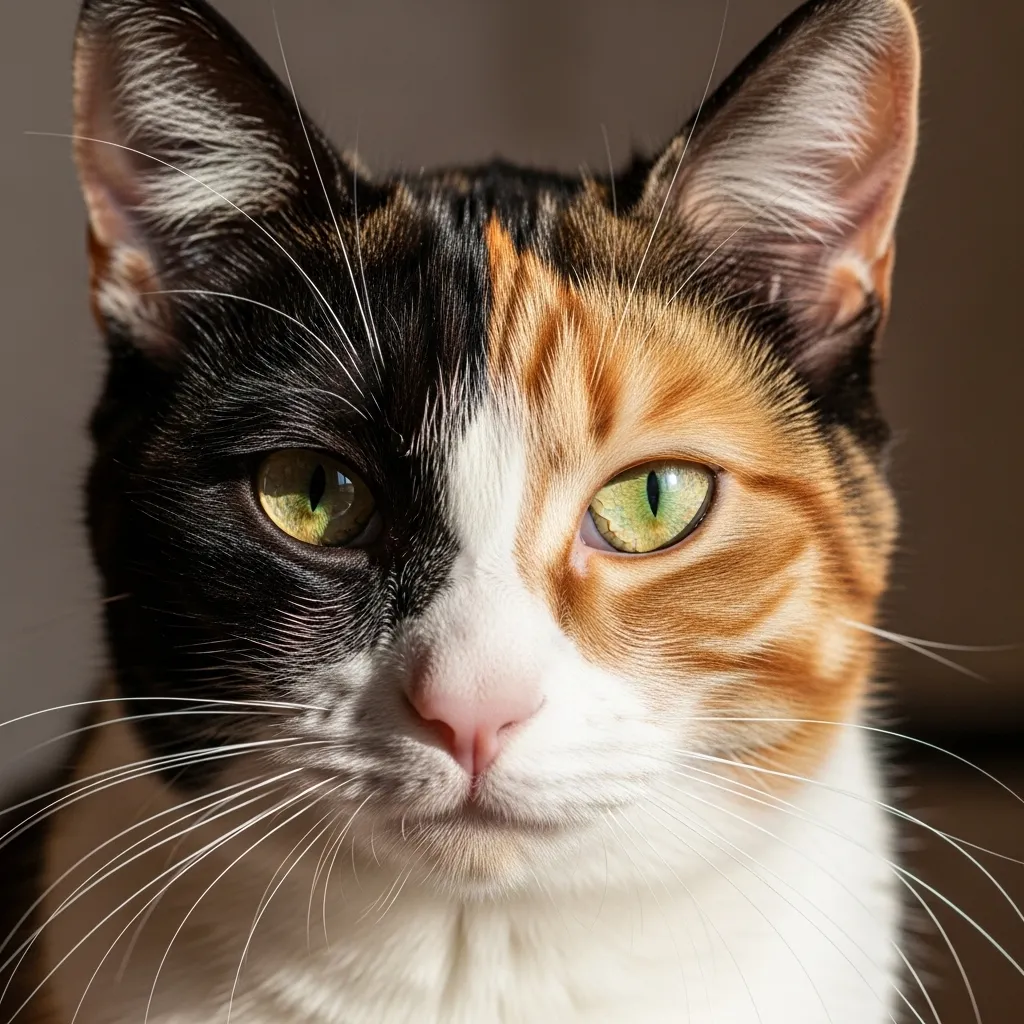
No two calico cats have the exact same pattern. It’s like a snowflake—each one is totally unique. The patches of color are determined by a process called X-inactivation, which happens when the cat is still a tiny embryo.
That’s why some calicos have big bold splotches, while others have tiny speckles. The pattern is unpredictable and can even change slightly as the cat grows older.
4. They Are Considered Lucky in Many Cultures
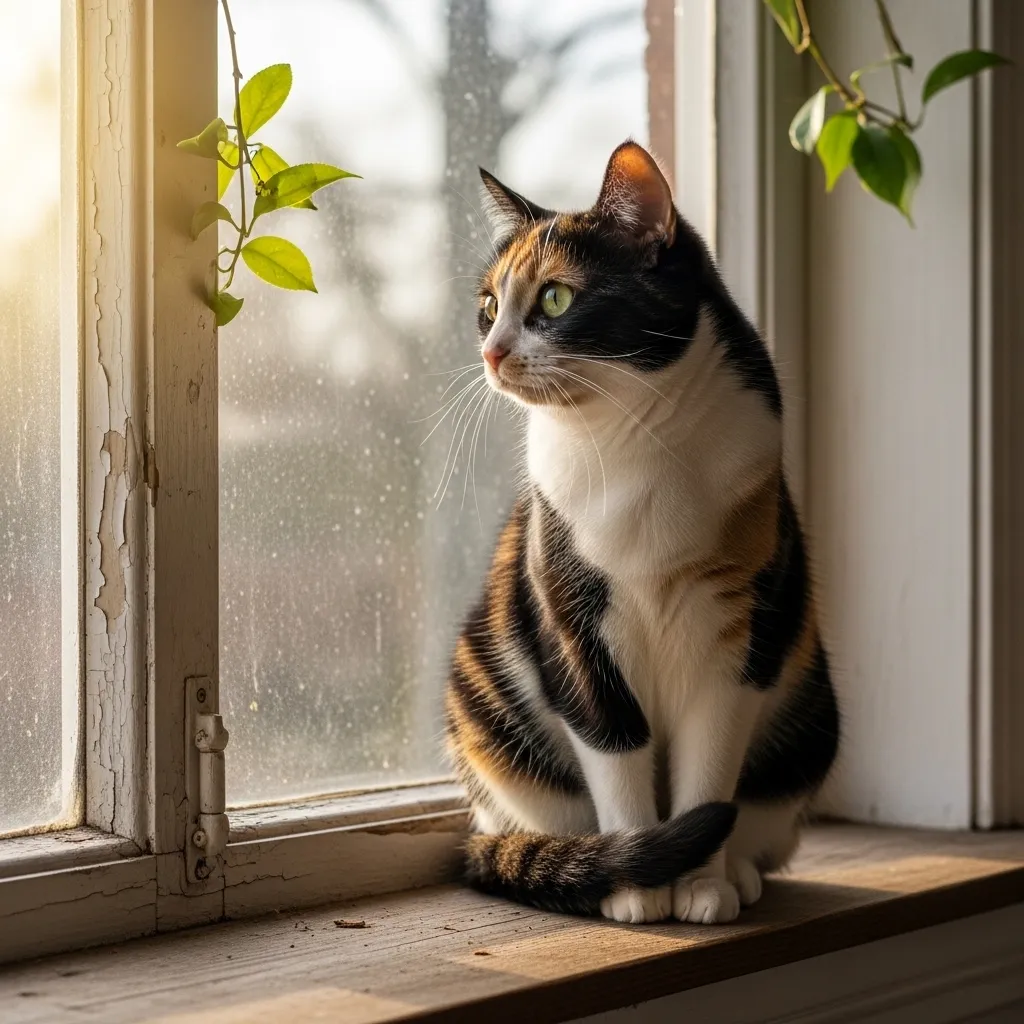
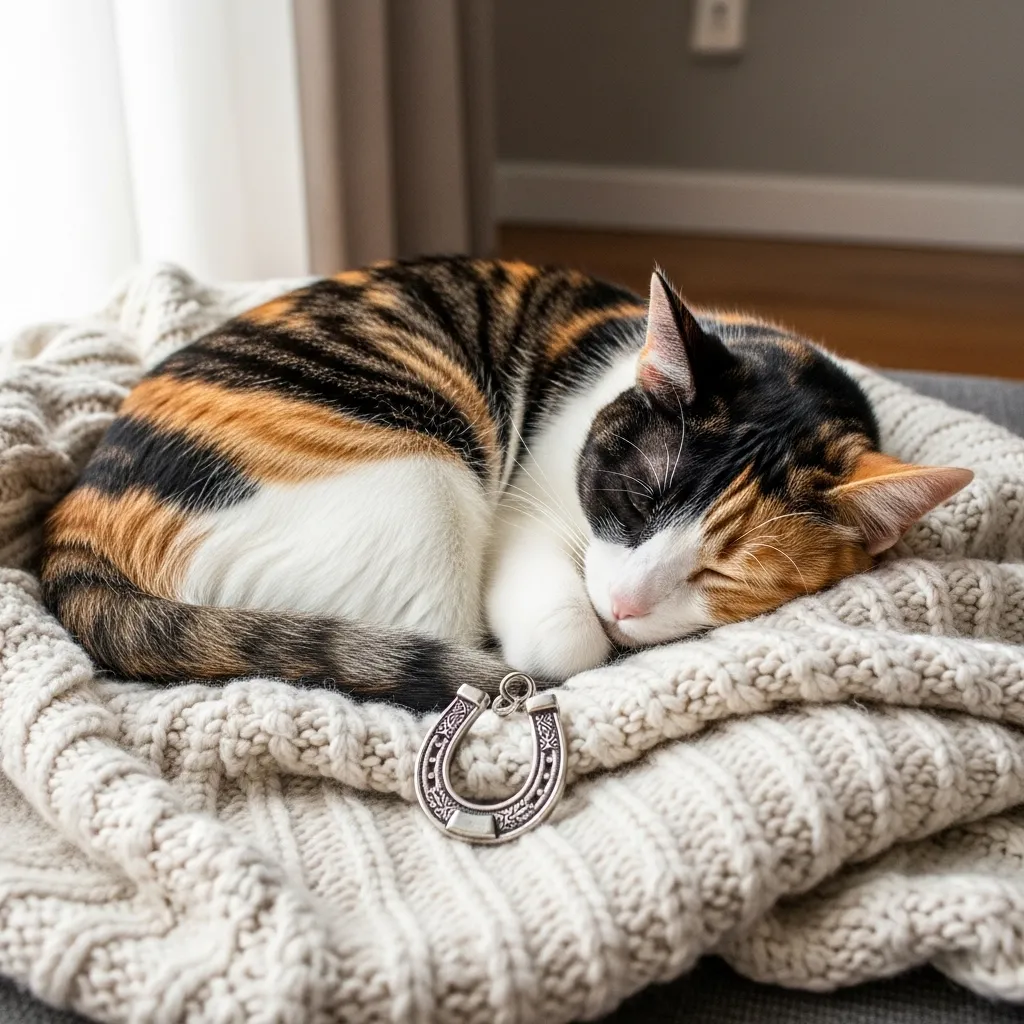
Calico cats are famous for bringing good fortune. In Japan, the Maneki Neko—the waving cat statue you see in shops—is often modeled after a calico. It’s believed to attract wealth and happiness.
In the United States, some people call them “money cats” because of that same lucky reputation. And in folklore, sailors used to bring calico cats on ships for protection during long voyages.
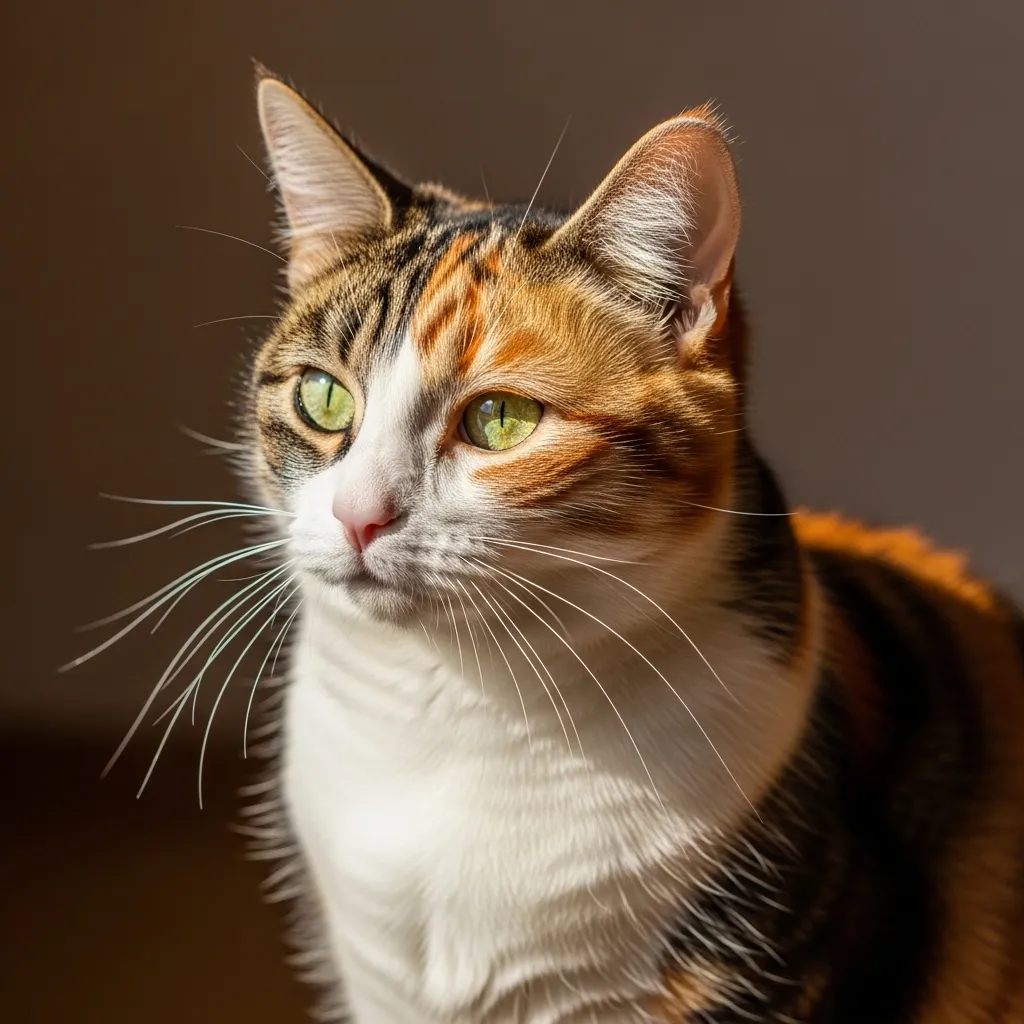
5. They Have a Reputation for Being Feisty
If you’ve ever lived with a calico, you might have noticed they have a bit of attitude. Many owners describe them as sassy, independent, and strong-willed. Some even call it “calico-tude.”
This isn’t backed by hard science, but it’s a common observation. It could be linked to their genetics or simply their unique personalities. Either way, they definitely keep life interesting!
6. The Orange Patches Come From a Specific Gene
The orange color in calico cats comes from a gene called the “O” gene. This gene changes black pigment into orange pigment. If a cat has one copy of the O gene on one X chromosome and a non-orange version on the other, you get that beautiful patchwork.
That’s also why you’ll sometimes see calicos with cream or blue-gray patches instead of bright orange and black. Those are called dilute calicos, and they’re just as lovely.

7. They Can Be Short-Haired or Long-Haired
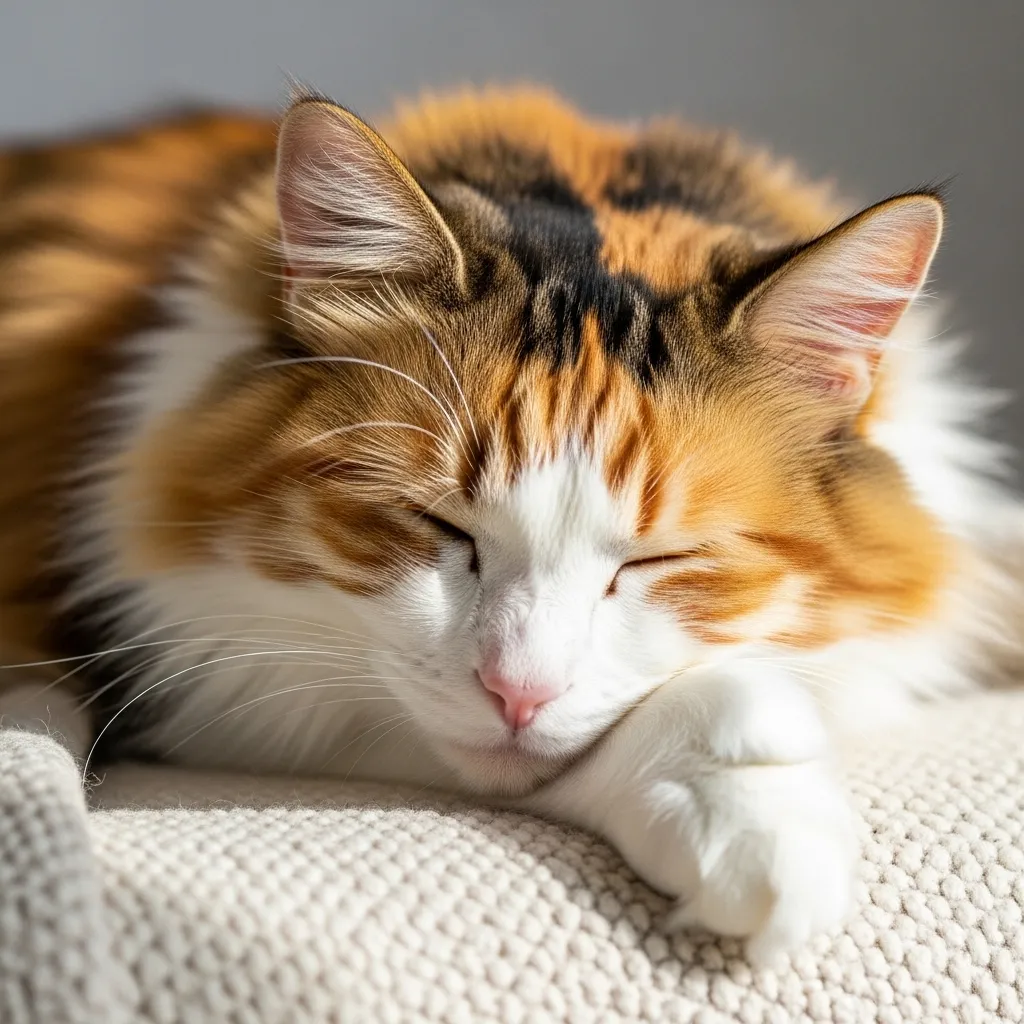
Because calico is a color pattern and not a breed, their fur length can vary. You’ll find short-haired calicos with sleek, easy-care coats, and long-haired ones with fluffy, luxurious fur.
Long-haired calicos often need a bit more brushing to keep their coat from tangling, but the extra grooming time is worth it. They’re absolutely stunning when their fur is fully fluffed out.
8. They Are Sometimes Called “Tortoiseshell and White”
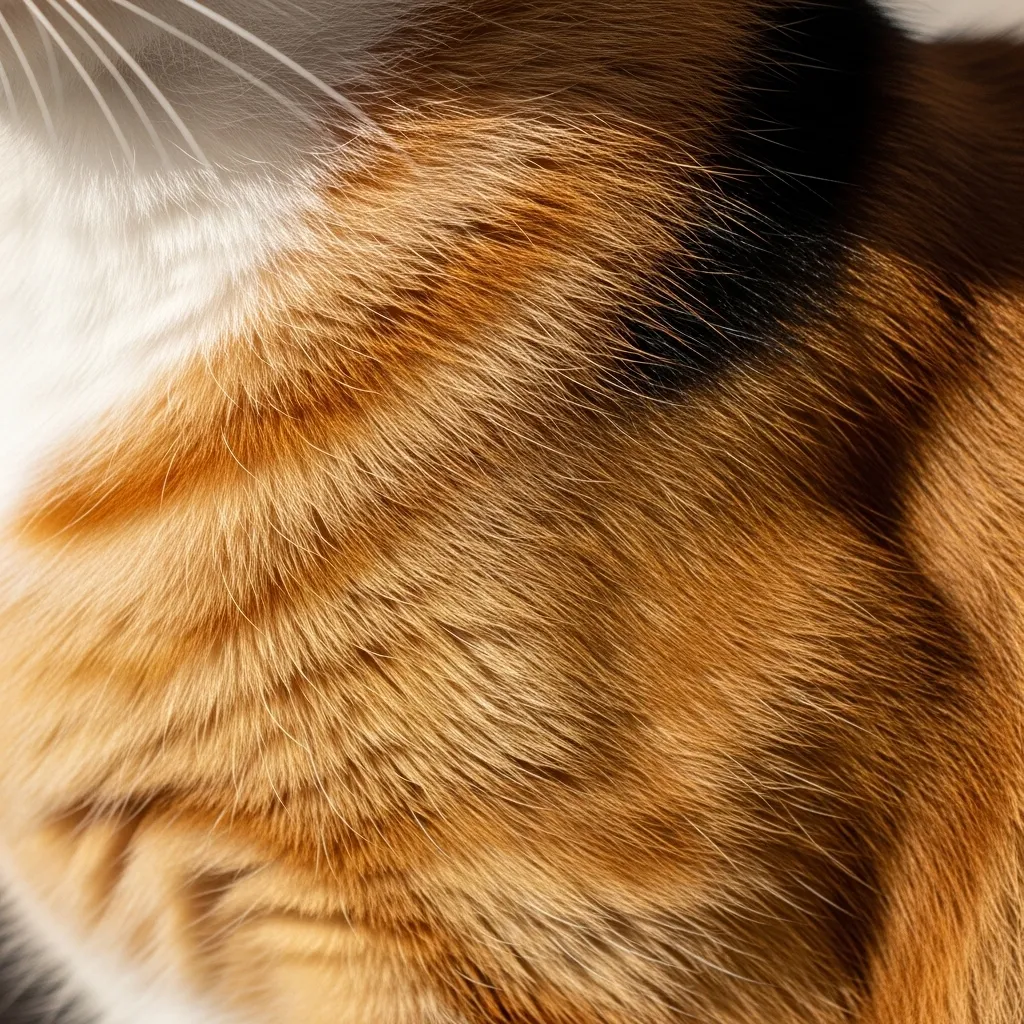
People often mix up calico and tortoiseshell cats. The difference is simple: tortoiseshell cats have a blended, brindled pattern with little to no white. Calicos, on the other hand, have distinct patches of color with a lot of white.
If you see a cat with clear, separate blocks of orange, black, and white, that’s a calico. If the colors are more swirled together without much white, it’s a tortie. Both are beautiful in their own way.
9. They Are the Official State Cat of Maryland
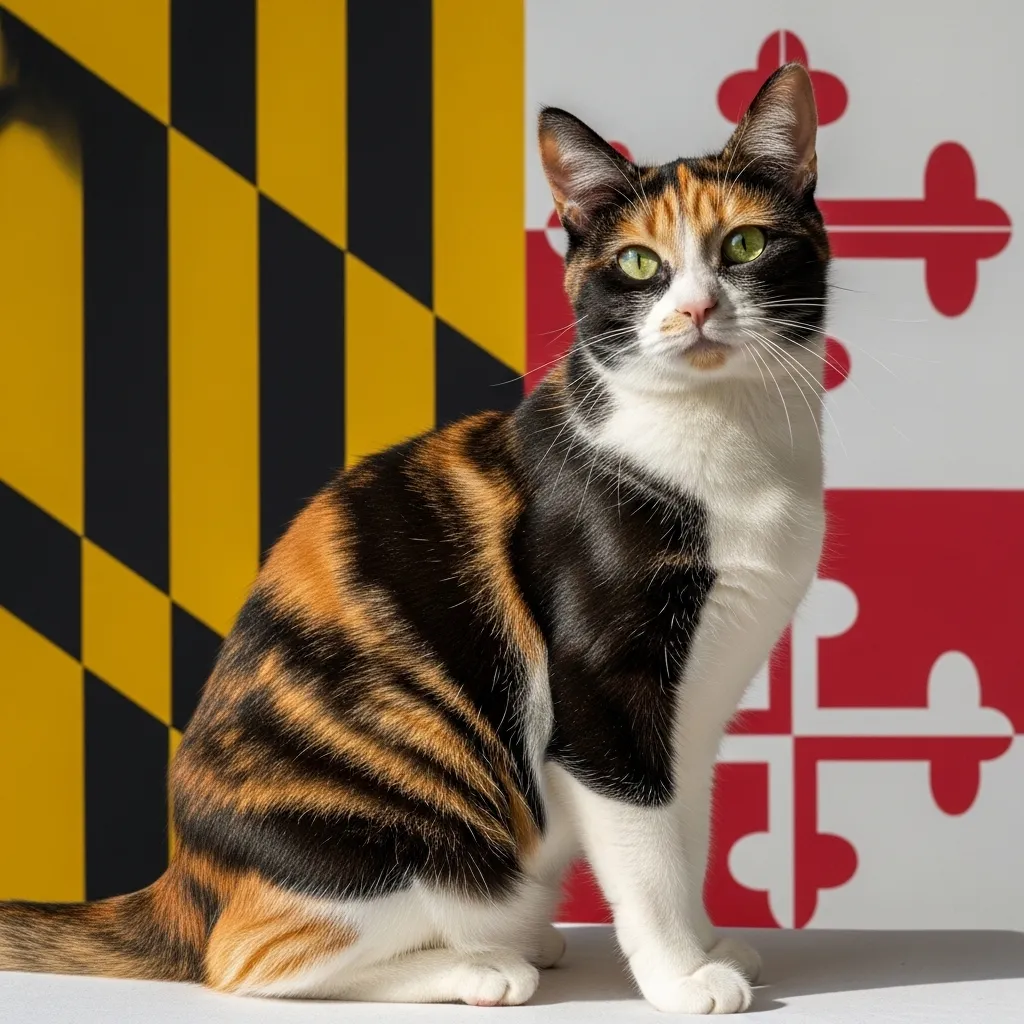
This is a fun one. In 2001, the calico cat was named the official state cat of Maryland. Why? Because the calico’s colors—orange, black, and white—match the colors of the Baltimore oriole (the state bird) and the checkered pattern on the state flag.
It’s a small piece of trivia, but it shows just how much people love these patchy felines.
10. They Can Live Long, Healthy Lives
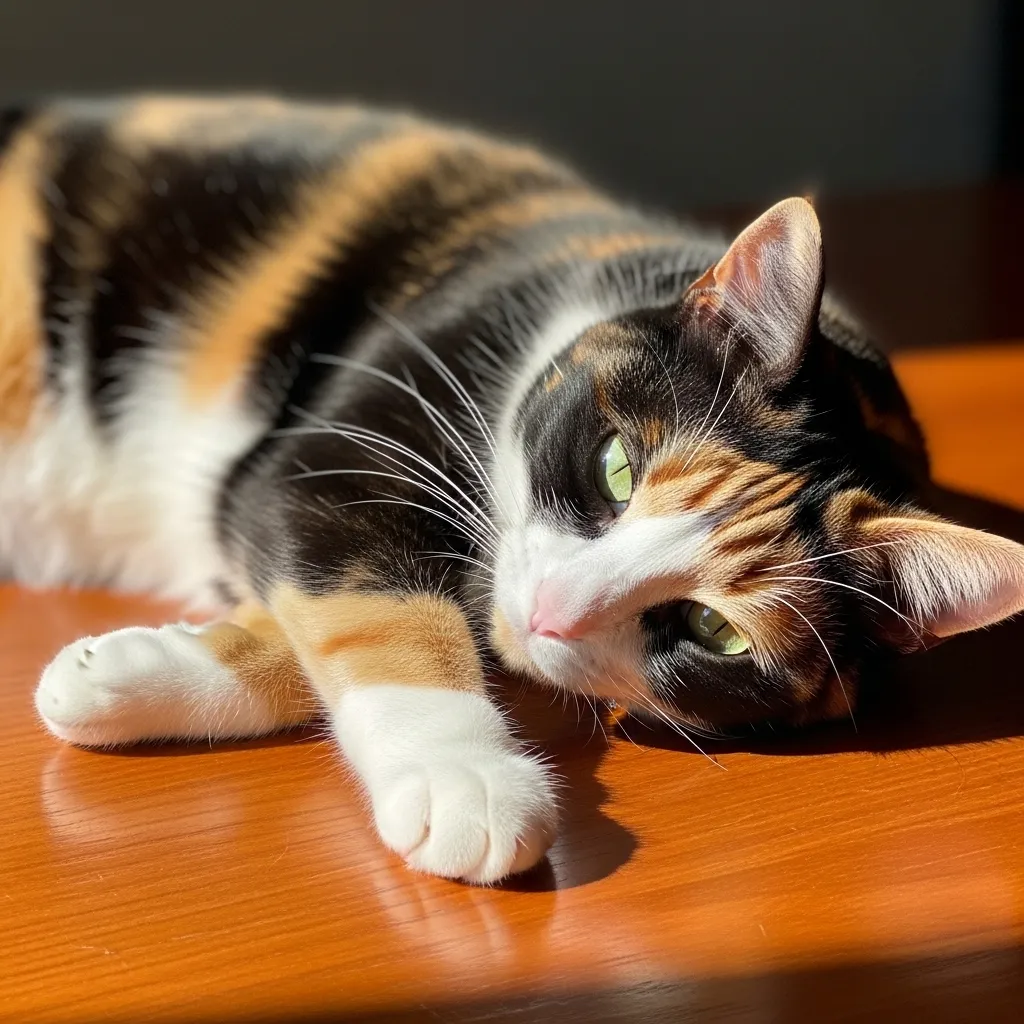
Calico cats don’t have any special health problems just because of their coloring. Their lifespan depends on their breed, diet, and overall care. With proper vet visits and a good home, many calicos live well into their teens or even early twenties.
The only exception is male calicos, who may have health issues related to their extra chromosome. But for the vast majority of female calicos, they’re just as healthy as any other cat.
11. Their Personalities Are as Unique as Their Coats
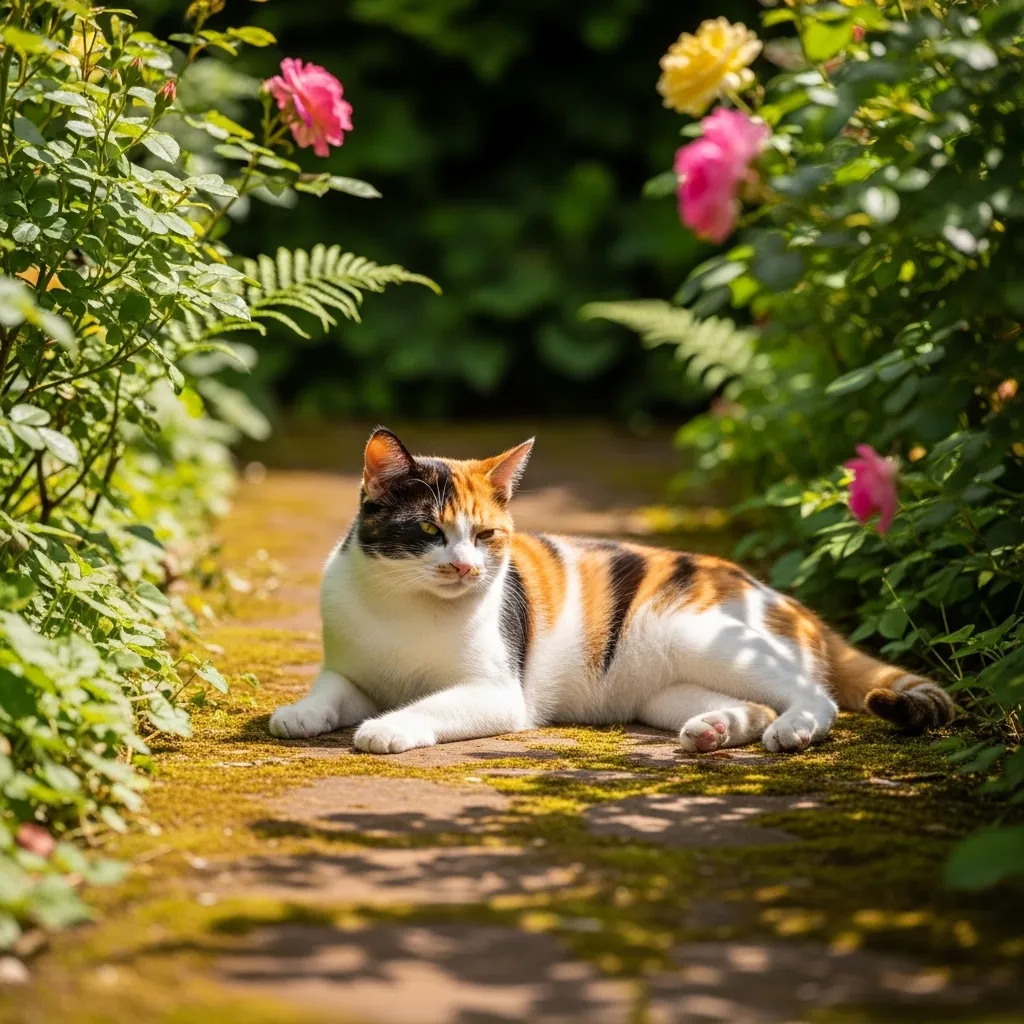
While calicos are often described as spunky, every cat is an individual. I’ve met sweet, snuggly calicos and independent, mischievous ones. Their personality is shaped by their upbringing, breed, and environment, not just their coat pattern.
The best part? No matter what their personality is like, they always stand out in a crowd. That patchy fur makes them unforgettable.
Conclusion
Calico cats are more than just a pretty face. From their fascinating genetics to their lucky reputation, they truly are special. Whether you’re thinking about adopting one or you already have a calico at home, I hope these facts made you appreciate them even more.
They may be a little sassy, a little unpredictable, and totally unique—but that’s exactly what makes them so wonderful.
Frequently Asked Questions
Are all calico cats female?
Yes, almost all are female. Male calicos are very rare and usually sterile due to having an extra chromosome.
Do calico cats have health problems?
Not specifically because of their coloring. Female calicos are generally healthy. Rare male calicos may have some health issues related to their genetics.
What is the difference between a calico and a tortoiseshell cat?
Calicos have distinct patches of orange, black, and white with lots of white. Tortoiseshell cats have blended, swirled colors with little or no white.
Are calico cats friendly?
Personality varies by individual. Many calicos are known for being independent and spirited, but they can also be affectionate and playful.
Can calico cats be male?
Yes, but it is extremely rare—about 1 in 3,000 calico cats is male. These males usually have an XXY chromosome pattern and are sterile.