12 Dog Ramp for Truck DIY Tips Every Owner Must Try for Happy, Safe Rides
I still remember the first time my Labrador tried to jump into my truck bed. He’s a big guy, but that leap looked risky. I cringed just watching him. That’s the day I decided to build a DIY dog ramp. If you’re like me, you want your pup to ride along without hurting themselves. A ramp makes a world of difference.
But not all DIY ramps are created equal. I learned that the hard way—slippery surfaces, wrong angles, flimsy hinges. So I gathered my best tips. These 12 ideas will help you build a dog ramp for your truck that’s safe, sturdy, and easy to use.
Whether you have a small terrier or a giant breed, these tips work. Let’s dive in.
1. Measure Twice, Build Once
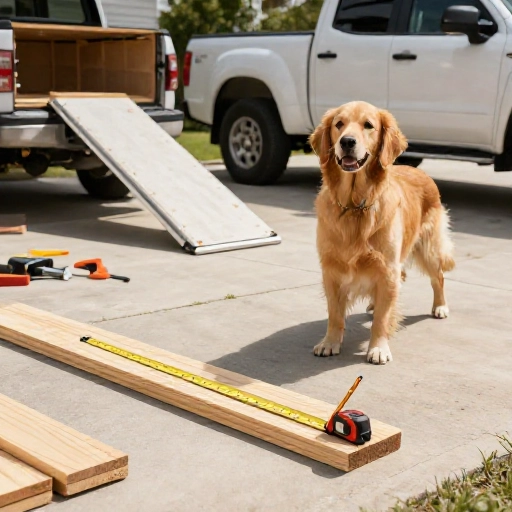
Before you cut any wood, grab a tape measure. You need the exact height from the ground to your truck bed. Also measure your dog’s length and stride. This tells you how long and wide the ramp should be.
I made the mistake of guessing once. The ramp was too short, and the angle was scary steep. Now I always measure three times. A good rule: ramp length should be at least three times the height of the truck bed.
2. Pick Lightweight but Strong Materials
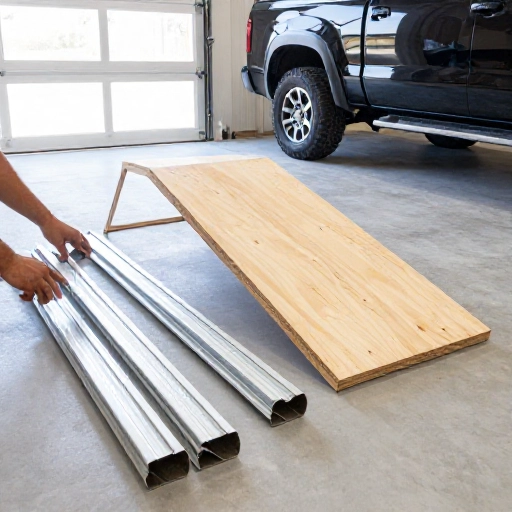
Wood is the classic choice, but it can get heavy. I used 3/4-inch plywood with a simple frame. It held my 90-pound dog without flexing. Pressure-treated wood works best for outdoor use.
Aluminum is lighter and rust-proof, but it’s pricier and harder to cut. PVC pipes can work for small dogs, but I wouldn’t trust them for big breeds. Think about your dog’s weight and how often you’ll lift the ramp.
3. Don’t Skip the Non-Slip Surface
Traction is everything. My first ramp was smooth wood—my dog slipped, panicked, and refused to use it again. I had to start over. Now I add a non-slip surface without fail.
Outdoor carpet, rubber mats, or grip tape all work great. I prefer rubber matting because it’s easy to clean. Secure it with adhesive and screws. Make sure there are no loose edges that could trip your dog.
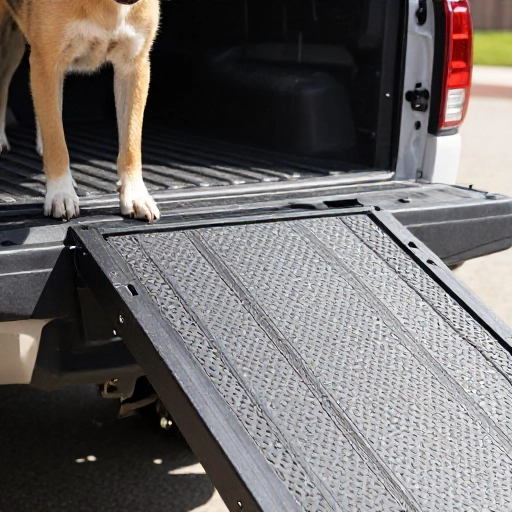
4. Add Side Rails for Confidence
Dogs feel safer when they have boundaries. I added 2-inch high side rails along both edges. They prevent paws from slipping off the sides. This small change made my dog much more willing to walk up.
Use thin wood strips or PVC pipes for rails. Sand the edges smooth so they don’t hurt your dog’s paws. You can also paint them a bright color for visibility.
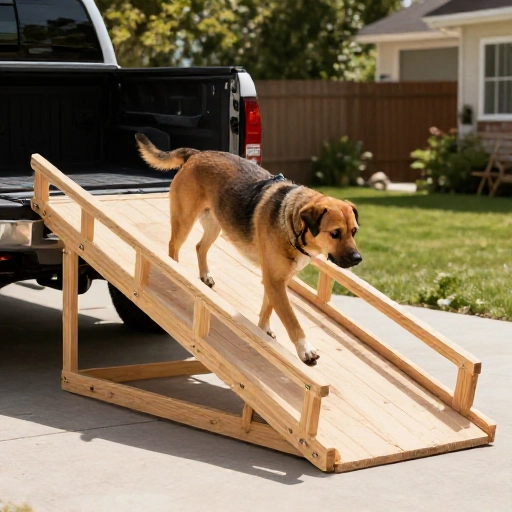
5. Make It Foldable for Storage
Truck space is precious. A folding ramp is a total game-changer. I used piano hinges in the middle for strength. Then I added a simple latch to keep it closed when folded.
Now my ramp fits behind the seat or in the cab. No more leaving it in the driveway. Just make sure the hinge is heavy-duty. A cheap hinge will wobble and fail over time.
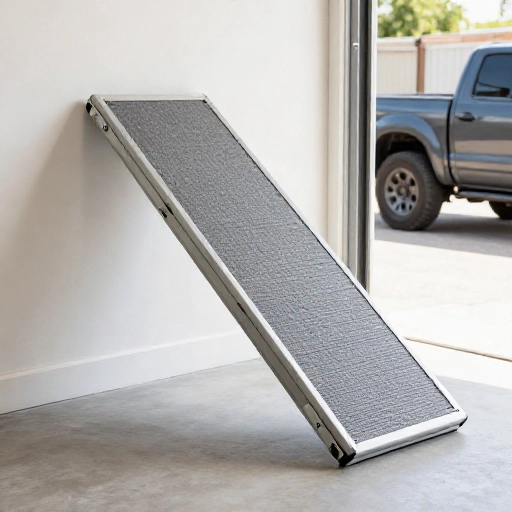
6. Choose the Right Angle (Keep It Low)
Steep ramps scare dogs and hurt their joints. Aim for 20 degrees or less. For a 30-inch high truck bed, you need a ramp at least 6 feet long. I measured my dog’s comfort by letting him walk up a gentle slope first.
If your dog hesitates, your angle is probably too steep. You can also add a small step stool at the base to reduce the angle even more. Trust me, a low angle makes training so much easier.
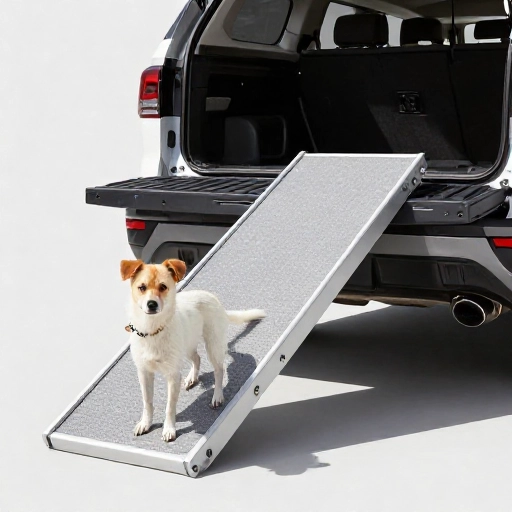
7. Test Weight Capacity Before Your Dog Does
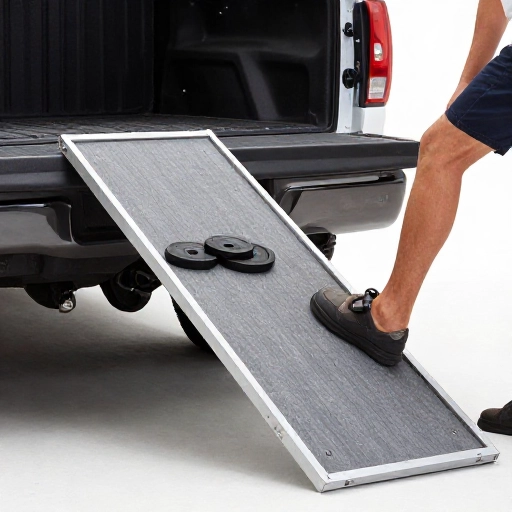
Never let your dog be the first test. I loaded my ramp with bags of concrete to check for flexing. It held 150 pounds easily. You should test at least 1.5 times your dog’s weight.
Look for any cracking, bending, or creaking sounds. If you see or hear problems, reinforce the frame with extra screws or brackets. Safety always comes first.
8. Add a Handle for Easy Carrying
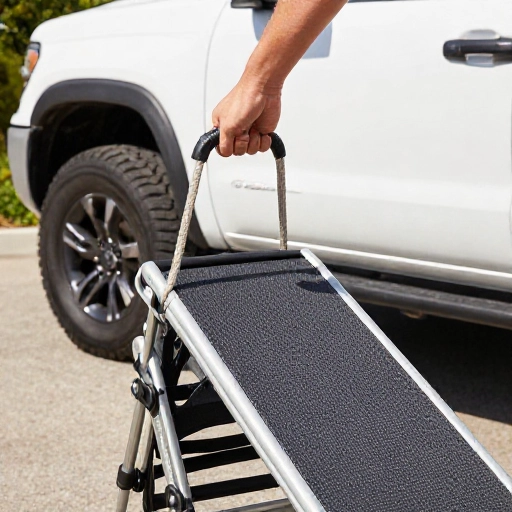
A simple handle makes a huge difference. I attached a cabinet handle to the side of my ramp. Now I can carry it with one hand while holding the leash with the other. Cheap upgrade, big payoff.
Make sure the handle is centered so the ramp stays balanced. You can also use a rope handle or a strap. Just test it with the full weight of the ramp before you rely on it.
9. Weatherproof Your Ramp
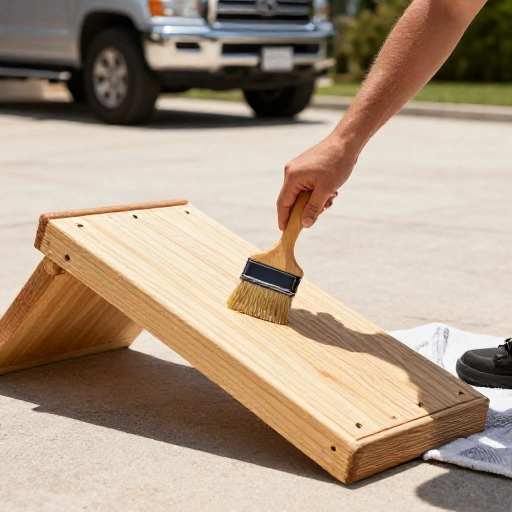
Rain, sun, and snow will ruin an unprotected ramp. I sealed mine with outdoor paint and a coat of polyurethane. For metal parts, use a rust-proof spray. This adds years to the ramp’s life.
Also, store the ramp inside your truck cab when you’re not using it. Leaving it in the bed during a storm is a quick way to warp the wood. A little care goes a long way.
10. Train Your Dog Before the First Trip
Don’t just expect your dog to understand the ramp. I used treats and praise to build confidence. Start with the ramp flat on the ground. Let your dog sniff and walk across it.
Then gradually raise one end. Practice for a few minutes each day. After a week, my dog was running up like a pro. Patience and positive reinforcement are key. Never force your dog.
11. Customize Length for Your Dog’s Size
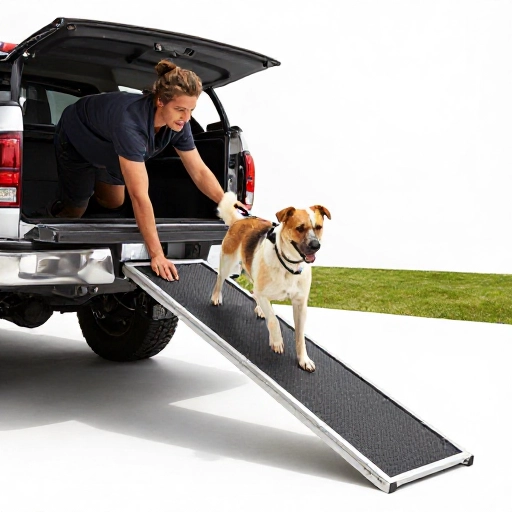
Small dogs need shorter, wider ramps. Large dogs need longer, sturdier ones. I made mine 6 feet long and 20 inches wide. My dog has plenty of room to walk without feeling cramped.
Measure your dog’s width at the shoulders and add a few inches. A custom fit prevents accidents. Don’t just copy someone else’s design—your dog is unique.
12. Secure the Ramp to the Truck
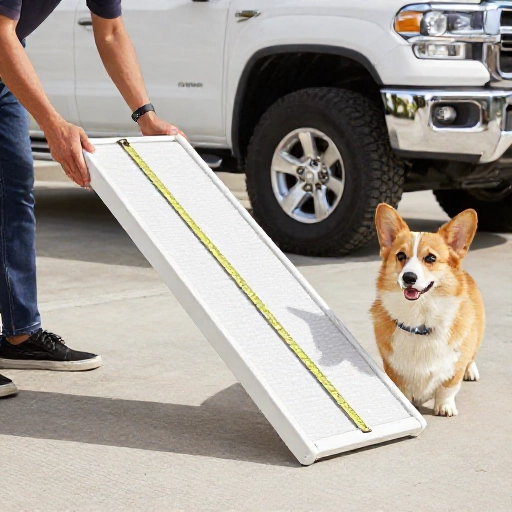
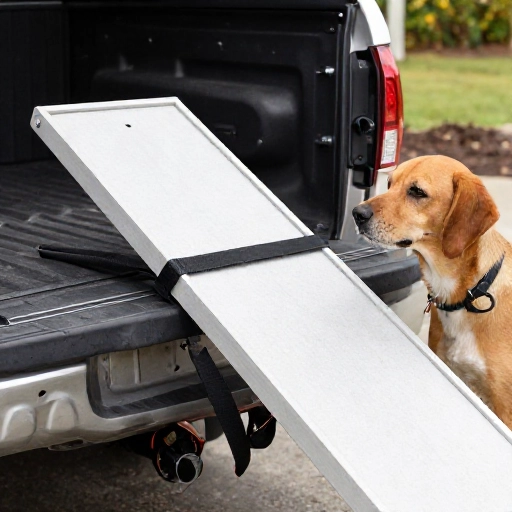
A ramp that shifts while your dog is on it is dangerous. I added rubber feet and a small lip that hooks over the tailgate. You can also use bungee cords to hold it steady.
Test the ramp with your dog’s full weight before you trust it. Push it side to side to check for movement. If it slides, add more grip or a locking mechanism. Peace of mind is worth the extra effort.
Conclusion
Building a DIY dog ramp for your truck is one of the most rewarding projects I’ve done. It saves your dog’s joints and your back. With these 12 tips, you can create a safe, durable ramp that fits your truck and your dog.
My dog now hops in and out with ease. No more risky jumps. You can do it too. Grab your tools, measure carefully, and take your time. Your furry co-pilot will thank you.
FAQ
Q: What’s the best material for a DIY dog ramp?
A: I prefer 3/4-inch plywood for strength and cost. Aluminum is lighter but harder to work with and more expensive.
Q: How long should a dog ramp be for a truck?
A: At least three times the height of your truck bed. For a 30-inch height, aim for 6 to 7 feet.
Q: Can I use a ramp for a small dog?
A: Yes, just make it wider and shorter. Small dogs need a lower angle and more traction.
Q: How do I keep my dog from slipping?
A: Add non-slip carpet, rubber mat, or grip tape. Secure it well with adhesive and screws.
Q: Is it cheaper to buy or DIY a dog ramp?
A: DIY is usually cheaper, especially if you have scrap wood. But consider your time and tools. Both options can work.