10 Space-Smart Dog Run Ideas for Narrow Yards (Small Side Yard Setups That Actually Work!)
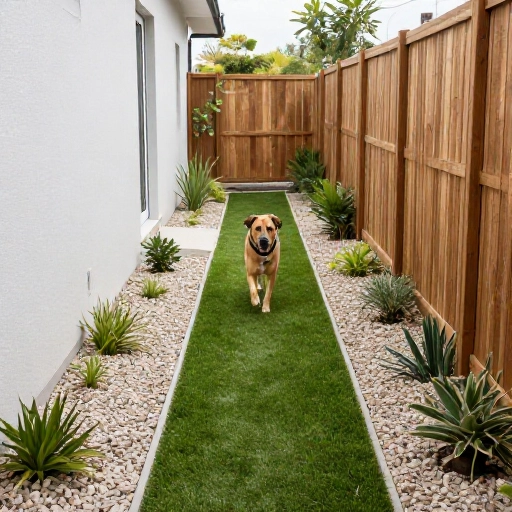
When I first measured our narrow side yard, I laughed. It was barely wide enough for two people to pass. But my dog didn’t need a football field — he needed a safe, clean place to stretch, sniff, and do his business. That’s when I started looking at dog run ideas for narrow yards.
A skinny yard can actually be perfect for a dog run. You just have to think vertical, keep the path simple, and choose surfaces that are easy to rinse or scoop. Below are the 10 space-smart setups I’d try first, whether you have a side yard, a narrow backyard, or a rental-friendly patio edge.
1. Turn a Skinny Side Yard into a Straight-Line Dog Run
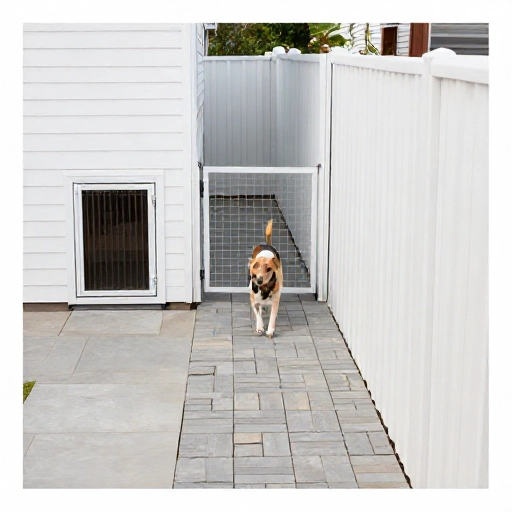
Start by measuring the width and length of your side yard. I like to walk the path with my dog on a leash first, because it shows me where he naturally wants to turn, sniff, and stop. If the space is only 3 to 4 feet wide, don’t fight it — make it a clean straight lane.
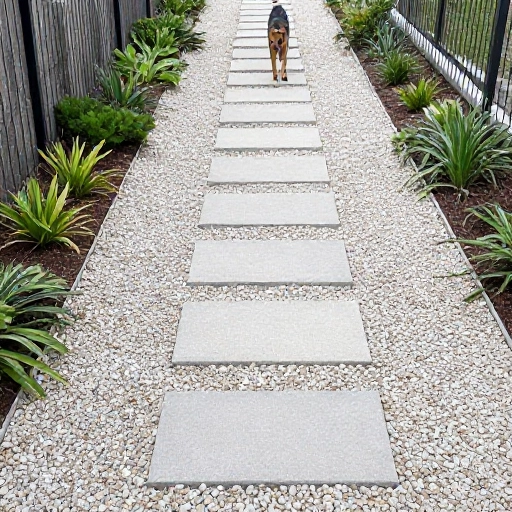
Keep one side for the dog and one side for you. A narrow strip of pavers or stepping stones gives you a dry path for cleaning, refilling water, or reaching the gate. The dog side can be gravel, turf, or mulch.
This setup works best when the run has a clear entrance and exit. I’d add a self-closing gate at one end so I don’t have to chase a muddy pup through the house.
2. Go Vertical with a Tall, Secure Fence
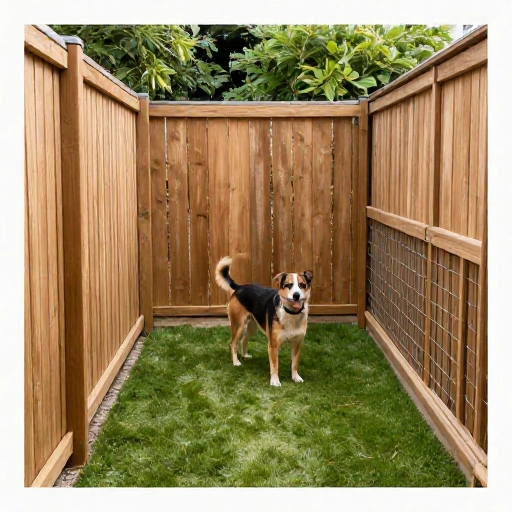
When you can’t expand outward, build upward. A tall fence — usually 4 to 6 feet for small and medium dogs — gives the run a safe boundary without eating floor space. For tiny dogs, add puppy pickets or a mesh panel so they can’t slip through gaps.
I prefer a solid privacy fence on the neighbor’s side and a see-through panel on my side. That way the dog gets shade and privacy, but I can still peek out and check on him.
Don’t forget the bottom gap. Even a 2-inch gap can become an escape route. Add a row of pavers or buried wire along the fence line to close it up.
3. Lay Artificial Turf for a Clean, Mud-Free Lane
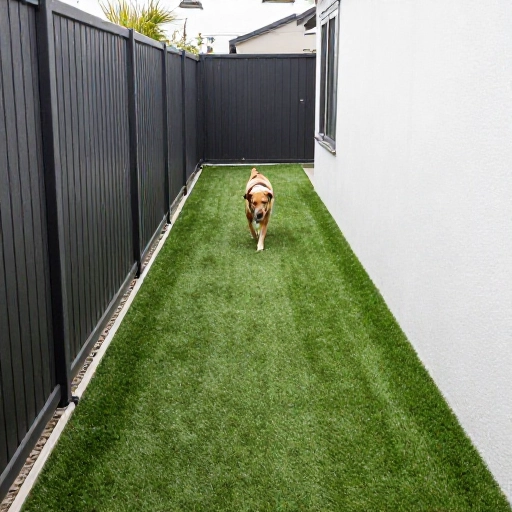
Artificial turf is one of my favorite narrow-yard ideas because it turns a dirt strip into a soft, green lane. It’s great for dogs who hate wet paws, and it’s easy to rinse with a hose.
You’ll need a base layer of compacted gravel or sand for drainage. Otherwise, urine can sit underneath and smell. I also keep a spray bottle of pet-safe turf cleaner near the gate.
For a narrow run, choose a turf roll with a low pile. Tall blades trap more dirt, and low pile is easier to scoop and rinse.
Add a small turf deodorizer once a week and let it dry in the sun. Good airflow will keep it fresher between deep cleans.
4. Try a Gravel and Paver Combo That Drains Fast
Gravel drains fast and looks tidy in a skinny space. The trick is to use rounded pea gravel or river rock, not sharp crushed stone. Sharp edges can hurt paws, especially if your dog likes to sprint.
I like a combo: gravel down the middle for drainage, and a row of pavers along the fence. The pavers give your dog a clean place to stand while you pick up poop, and they keep weeds from creeping in. Use a landscape border to keep gravel from spilling into the grass or patio.
5. Set Up a Narrow Potty Station with Cedar Chips
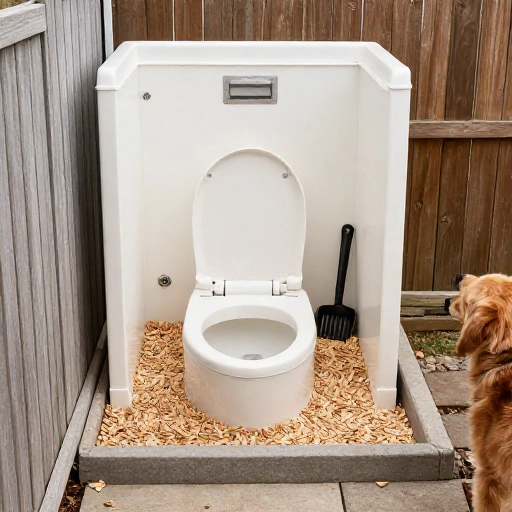
If you only need a bathroom spot, a narrow potty station is a smart use of space. I’d section off a 3-by-5-foot area with cedar chips or mulch, then train my dog to go there on command.
Cedar chips help with odor, but you have to refresh them every few weeks. For a no-mess option, use a dog potty tray with real or artificial grass. It fits in tight corners and can be hosed down.
Keep the station away from the house by a few feet if you can. Good airflow makes a big difference. Add a small lidded trash can and a poop bag dispenser right at the edge.
6. Build a Slim DIY Run with Wire Panels and Zip Ties
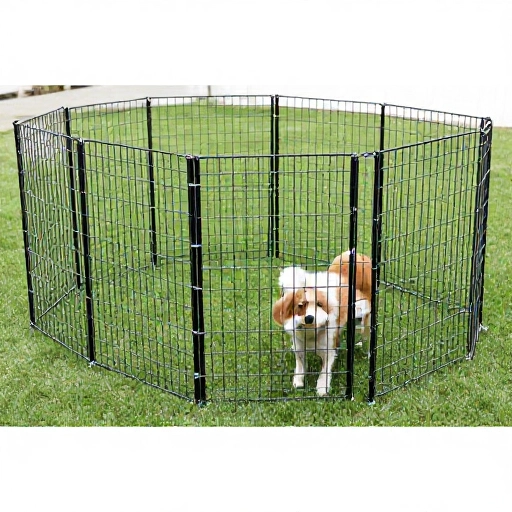
For renters or anyone who wants a temporary setup, wire panels are gold. You can build a slim dog run with modular exercise pens, wire panels, and heavy-duty zip ties. No digging, no concrete.
Set the panels in a straight line or a shallow L-shape. Zip-tie the corners so they can’t be pushed apart. If your dog is a climber, add a roof panel or a secure top screen.
I’d place the panels on a paved or gravel surface so they stay level. Add a few sandbags at the base for windy days, and check the zip ties monthly for wear.
7. Add a Shade Sail So the Run Stays Cool
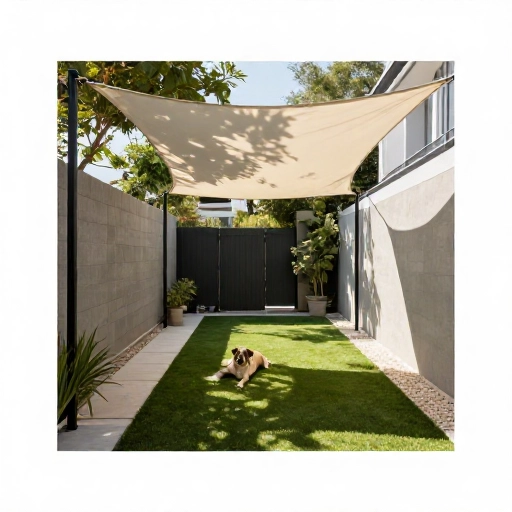
Narrow yards can turn into heat traps, especially against a west-facing fence. A shade sail is a simple fix because it hangs overhead and doesn’t use any floor space.
Mount it from the house to a fence post, or between two tall posts. Choose a breathable, UV-blocking fabric so hot air doesn’t get trapped underneath. In really hot climates, a small misting line on a timer can help too.
Always leave one sunny spot. Dogs love to sunbathe, and total shade can make the run feel damp. I aim for about 60% shade in summer and more sun in winter.
8. Connect the House with a Dog Door Ramp or Paver Path
If your narrow yard connects to a back door, a dog door ramp or paver path makes the run feel like an extension of the house. I love this because it keeps muddy paws out of the kitchen.
A gentle ramp works well over a step or a sliding door track. For flat ground, use a row of 12-inch pavers. They give your dog a clear runway and make it easy to shovel snow or sweep leaves.
Add a small landing pad at the door with a washable rug. That’s where I keep a towel and a paw rinse cup. It’s a tiny upgrade that saves a lot of floor cleaning.
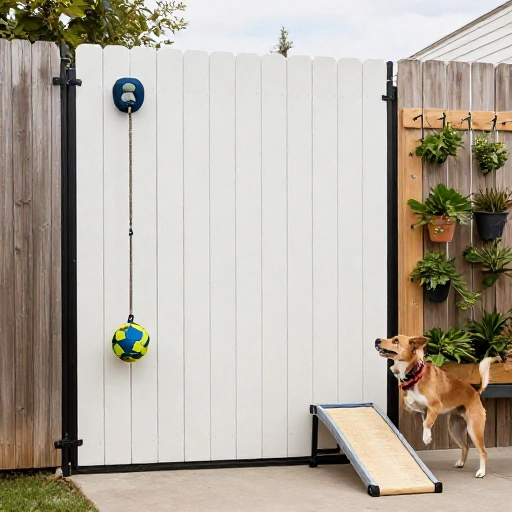
9. Use the Fence as a Vertical Play Wall
When floor space is limited, the fence becomes a play wall. I hang a tug toy on a bungee cord, attach a treat puzzle to a panel, and rotate a few squeaky toys every week.
You can also mount a PVC pipe with holes for kibble, or a flat lick mat on a board. Just make sure everything is secured with pet-safe hardware and checked for sharp edges.
This is great for rainy days or when I’m too busy for a long walk. Ten minutes of sniffing and problem-solving tires my dog out faster than a mindless sprint down the lane.
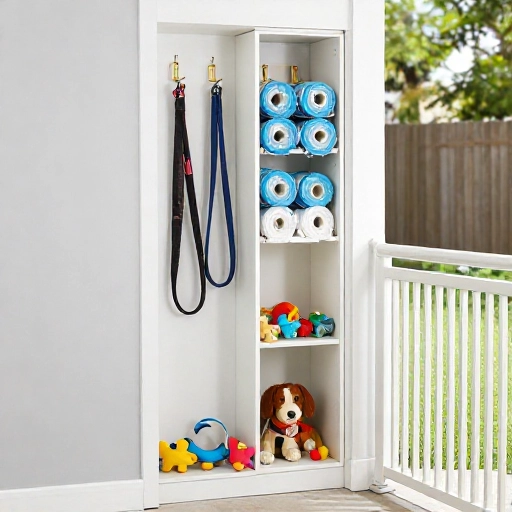
10. Hide Supplies in Slim Storage and Wall Hooks
A narrow dog run gets messy fast if leashes, bags, and bowls pile up. I use a slim storage bench or a set of wall hooks right outside the gate. Everything has a spot, and I can grab it with one hand.
My must-haves: a lidded poop bag holder, a collapsible water bowl, a leash hook, and a small bin for used bags. If you have a wall, add a narrow shelf for sunscreen and tick spray.
Keep the storage off the ground if you can. It stays cleaner, and it doesn’t cut into your dog’s running lane. A simple over-the-door organizer can work too in a pinch.
Final Thoughts
A narrow yard doesn’t have to be a dead space. With the right surface, a secure vertical fence, and a little shade, it can become your dog’s favorite spot. I’ve found that the best setups are the ones that are easy to clean and easy to reach.
Start with one idea — maybe a potty station or a gravel lane — and build from there. You can always add turf, shade, or a play wall later. The goal is a safe, comfortable run that fits the space you actually have.
FAQ
Q: How wide should a dog run be for a narrow yard?
A: For small and medium dogs, 3 to 4 feet wide can work if it’s a straight lane. If your dog is large or loves to run, aim for at least 5 feet wide so he can turn around comfortably.
Q: What is the best surface for a narrow dog run?
A: It depends on your dog. Artificial turf is clean and green, gravel drains well, and cedar chips work for potty areas. Many people mix gravel with pavers for the best of both worlds.
Q: How do I stop my dog from escaping a narrow side yard?
A: Close small gaps at the bottom of the fence, use a tall secure fence or wire panels, and add a self-closing gate. For climbers, add a roof panel or a coyote roller on top.
Q: Can I put a dog run on a concrete patio?
A: Yes. Use modular wire panels, a potty tray, or a raised turf system. Add shade and a non-slip mat so your dog is comfortable on hot or slick concrete.
Q: How do I keep a narrow dog run from smelling?
A: Pick up waste daily, rinse surfaces weekly, and use a pet-safe enzyme cleaner. Good drainage is key, so add gravel or a turf base that lets liquid flow away from the house.