Slow Cooker Cat Food: Best Tips & Tricks for Healthy Homemade Meals
I remember the first time I tried making cat food in my slow cooker. I was nervous, honestly. Would my picky tabby actually eat it? Would I mess up the nutrients? But after a few batches, I realized how simple and rewarding it really is. Now, it’s a weekly ritual I actually look forward to.
Homemade slow cooker cat food gives you total control over ingredients. No mystery fillers, no preservatives, just real food you can feel good about. Plus, the slow cooker does all the hard work while you go about your day. Let me share the exact tips and tricks that made this work for me—and my cat.
Before we jump in, a quick note: always check with your vet before switching to homemade food. Every cat is different, and they’ll help you balance nutrients properly.
Equipment You’ll Need
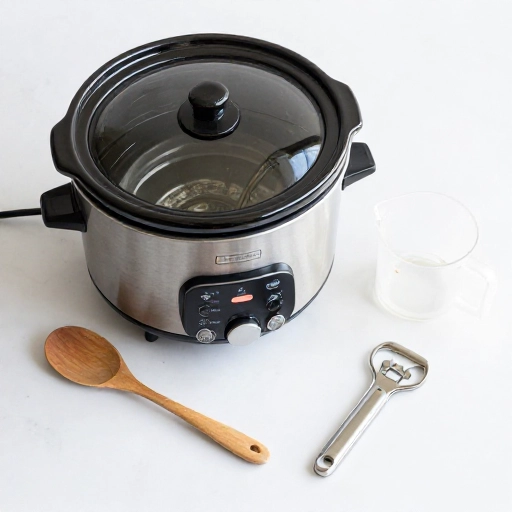
You don’t need fancy gadgets for this. A basic 3- to 4-quart slow cooker works perfectly for small batches. I use an old one I got at a garage sale, and it’s been great. You’ll also need a good cutting board, a sharp knife, and some glass storage containers.
I recommend having a kitchen scale handy. Measuring ingredients by weight makes sure your cat gets consistent meals. A large mixing bowl helps too, especially when you’re combining everything before cooking.
Simple Ingredients That Work
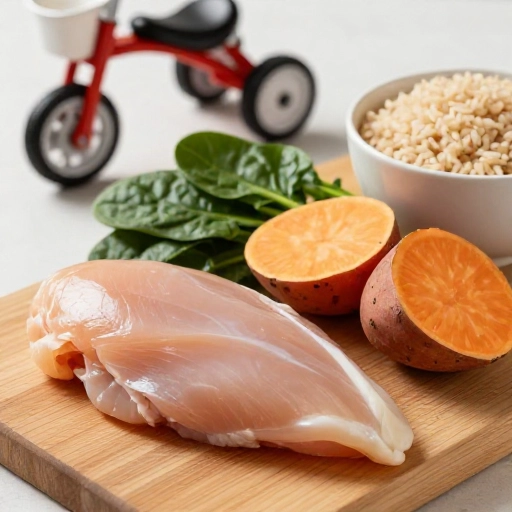
Start with a quality protein source. Chicken thighs, turkey breast, or lean beef are my go-tos. I always remove skin and visible fat since cats don’t need extra grease. For organ meat, chicken liver is perfect—just a small amount goes a long way.
Add some veggies like steamed carrots or pumpkin puree for fiber. Avoid onions, garlic, and grapes—those are toxic for cats. I also include a tiny pinch of salt and a high-quality feline supplement to cover vitamins like taurine. Your vet can recommend the right one.
How to Make It: Step-by-Step
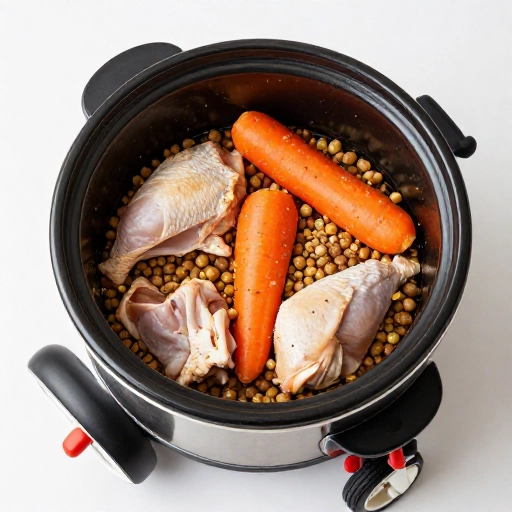
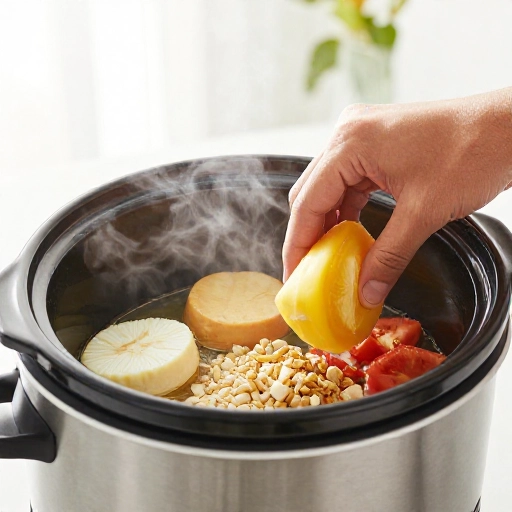
First, chop your protein into small, bite-sized cubes. This helps it cook evenly and makes serving easier later. Place the meat in your slow cooker and add enough water to barely cover it. Set the cooker to low and let it simmer for 4 to 6 hours.
After cooking, let it cool slightly. Use two forks to shred the meat or pulse it in a food processor if your cat prefers a smoother texture. Mix in the veggies and supplement according to the package directions. Stir everything well.
Portion the food into containers and refrigerate. I make enough for a week at a time. Your cat might turn up their nose at first, so mix a little with their old food to ease the transition.
Why This Recipe Works for Picky Cats
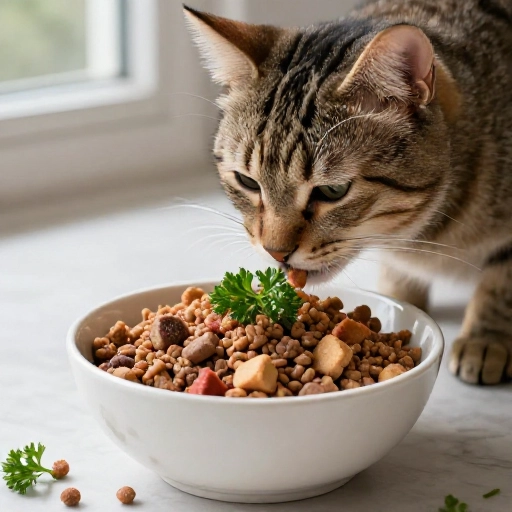
The slow cooker makes the meat incredibly tender and releases natural juices. That rich aroma is hard for any cat to resist. My own cat, who normally snubs anything new, licked the bowl clean on her first try.
Homemade food also lets you adjust textures. Some cats love chunky pieces, while others prefer a pâté-like consistency. You control everything, which means less waste and happier mealtimes.
Conclusion
Making slow cooker cat food isn’t as hard as it seems. Start simple, listen to your vet, and watch your cat’s reaction. I promise the pride you feel when they purr through dinner is worth every minute of prep. Plus, you’ll know exactly what’s going into their bowl—no surprises.
Give it a try this weekend. Your cat might just become your biggest fan.
Frequently Asked Questions
Can I use a small slow cooker for cat food?
Absolutely. A 3-quart slow cooker is perfect for weekly batches. Just don’t overfill it—leave room for the food to cook evenly.
How long does homemade cat food last in the fridge?
About 5 to 7 days in an airtight container. I freeze extra portions in ice cube trays for easy single servings.
Do I need to add supplements?
Yes, unless your vet says otherwise. Cats need taurine, which isn’t naturally high in muscle meat. A quality feline supplement balances things out.
Can I use fish in this recipe?
In moderation, yes. Too much fish can lead to thiamine deficiency. I use it as an occasional treat, not a main protein.
My cat is picky. How do I get them to try it?
Mix a small amount of homemade food with their current food. Gradually increase the ratio over a week. Patience is key—some cats need a few tries before they accept new textures.