Homemade Dog Treats for Fresher Breath: 6 Easy Recipes Your Pup Will Beg For
If your dog’s breath could clear a room, you’re not alone. I’ve been there—leaning in for a cuddle and instantly regretting it. While regular dental care matters, what your pup snacks on plays a huge role in how their mouth smells. That’s why I started baking my own breath-freshening dog treats using simple, dog-safe ingredients that actually help fight odor-causing bacteria.
These recipes are easy to whip up on a lazy Sunday, and they double as training rewards or just-because treats. No weird additives, no mystery ingredients—just fresh, wholesome foods that support your dog’s dental health and smell amazing while baking. From crunchy biscuits that scrape plaque to frozen yogurt bites packed with parsley and mint, there’s something here for every dog. Let’s get those tails wagging and those kisses smelling better!
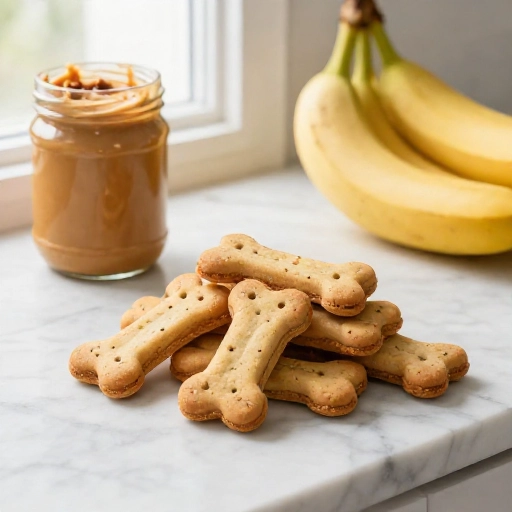
1. Peanut Butter & Banana Crunchy Biscuits
My dog goes absolutely nuts for anything with peanut butter, and the added banana gives these biscuits a natural sweetness dogs crave. The crunchy texture helps gently scrape teeth and gums, while a dash of cinnamon adds mild antibacterial properties that support fresher breath.
- 1 cup whole wheat flour (or oat flour for sensitive tummies)
- 1/2 cup natural, xylitol-free peanut butter
- 1 ripe banana, mashed
- 1 egg
- 1/2 teaspoon ground cinnamon
- Preheat your oven to 350°F and line a baking sheet with parchment paper.
- Mix all ingredients in a bowl until a dough forms. Roll out to about 1/4-inch thick and cut into fun shapes.
- Bake for 18–20 minutes until golden and firm. Cool completely before serving.
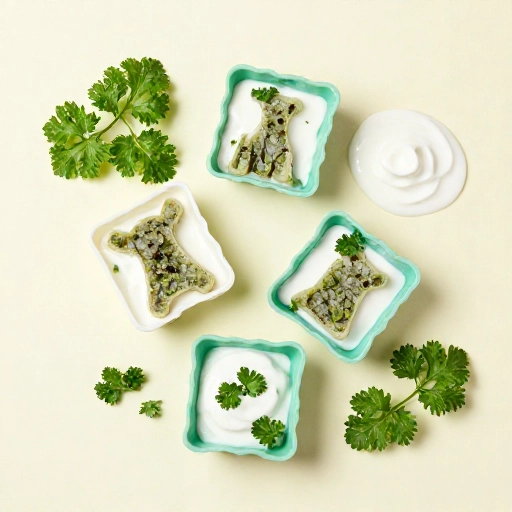
2. Minty Parsley & Yogurt Frozen Bites
These frozen treats are my secret weapon during summer—or anytime my dog’s breath needs a quick refresh. Parsley and mint are natural breath deodorizers, while plain yogurt adds probiotics that support oral and gut health. Dogs love the creamy, icy texture.
- 1 cup plain, unsweetened yogurt (Greek or regular, no xylitol)
- 2 tablespoons finely chopped fresh parsley
- 1 tablespoon finely chopped fresh mint leaves
- 1 teaspoon melted coconut oil
- Blend all ingredients until smooth, or simply stir well if you prefer a few herb flecks.
- Pour the mixture into silicone molds or an ice cube tray.
- Freeze for at least 3 hours until solid. Pop out one or two as a refreshing treat.
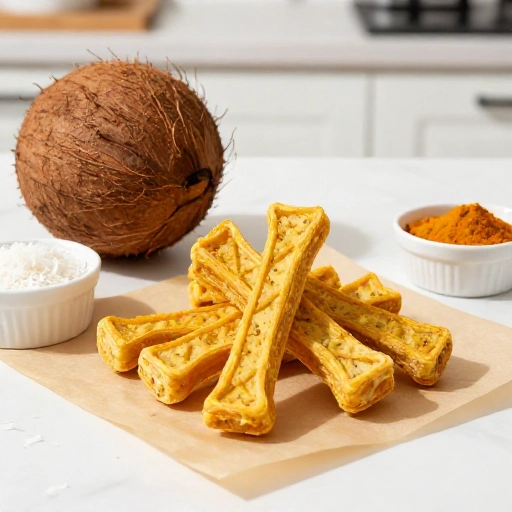
3. Coconut & Turmeric Chewies
Coconut oil is a superstar for oral health because its lauric acid helps reduce plaque and fight bad-breath bacteria. Turmeric adds a mild anti-inflammatory boost, and the soft, chewy texture makes these perfect for older dogs or picky eaters.
- 1 cup coconut flour
- 1/4 cup melted coconut oil
- 1/2 teaspoon ground turmeric
- 1 egg
- 1/3 cup unsweetened applesauce
- Preheat oven to 325°F. Combine all ingredients in a mixing bowl until a soft dough forms.
- Roll dough into small balls and flatten slightly on a lined baking sheet.
- Bake for 12–15 minutes until edges are just set. Let cool completely—they firm up as they cool.
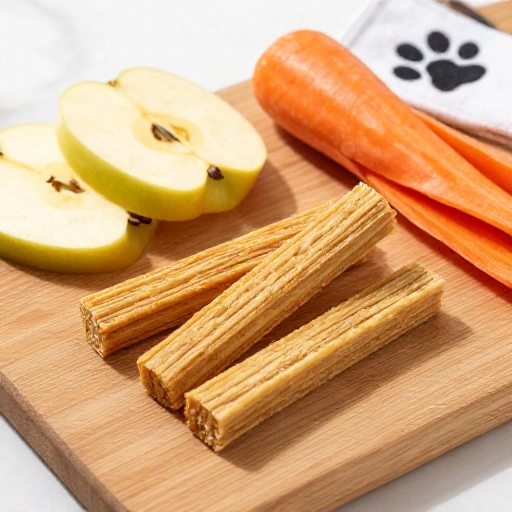
4. Apple & Carrot Breath-Freshening Sticks
Crunchy apples and carrots act like a natural toothbrush, helping scrub away plaque while your dog chews. The added parsley gives a burst of fresh flavor that dogs surprisingly enjoy. These sticks are low-calorie and great for daily mini-snacks.
- 1/2 cup grated apple (no seeds or core)
- 1/2 cup grated carrot
- 1 cup oat flour
- 1 egg
- 2 tablespoons finely chopped fresh parsley
- Preheat oven to 350°F. Mix all ingredients until a thick, slightly sticky dough forms.
- Shape into small finger-length sticks and place on a parchment-lined baking sheet.
- Bake for 20–25 minutes until dry and crunchy. Cool fully before storing.
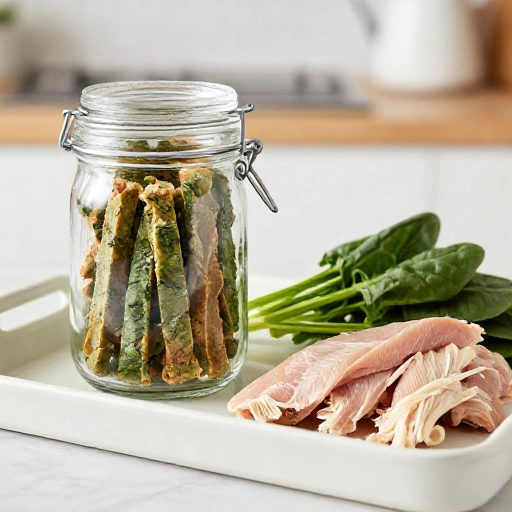
5. Chicken & Spinach Dental Chews
If your dog is more of a meat lover, these savory chews will be a hit. Ground chicken provides lean protein, while spinach adds iron and vitamins. The slightly tough texture encourages chewing, which stimulates saliva and naturally cleans the mouth.
- 1/2 cup cooked, shredded or ground chicken (no seasoning)
- 1/4 cup finely chopped fresh spinach
- 1/2 cup oat flour
- 1 egg
- 1 teaspoon dried parsley
- Preheat oven to 325°F. Combine all ingredients in a bowl until well mixed.
- Roll the mixture into small logs or press into a silicone mold.
- Bake for 25–30 minutes until firm and slightly browned. Cool completely.
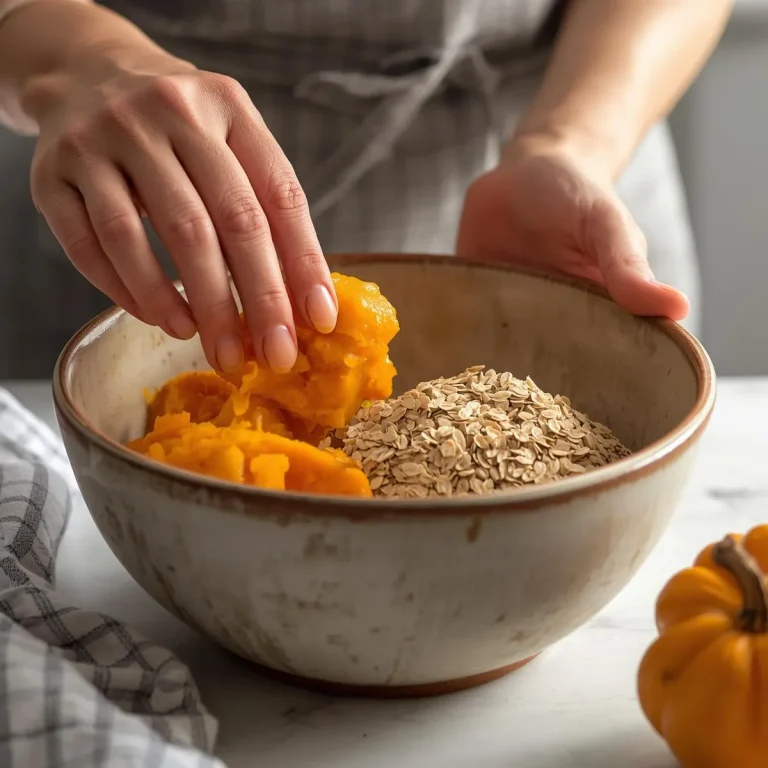
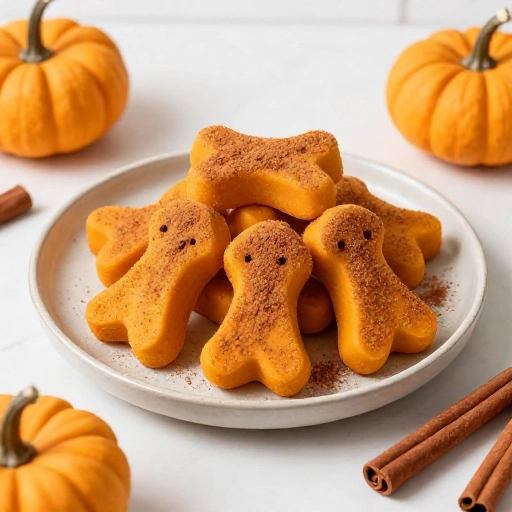
6. Pumpkin & Cinnamon Soft Bites
Pumpkin is a gentle fiber source that aids digestion, and cinnamon helps freshen breath from the inside out. These soft bites are ideal for senior dogs or those with dental sensitivities, but they still pack a flavor punch that dogs adore.
- 1/2 cup pure pumpkin puree (not pie filling)
- 1 cup oat flour
- 1/2 teaspoon ground cinnamon
- 1 egg
- 1 tablespoon coconut oil, softened
- Preheat oven to 350°F. Mix all ingredients into a smooth, thick batter.
- Drop small spoonfuls onto a lined baking sheet and flatten slightly.
- Bake for 10–12 minutes until set but still soft. Let cool before serving.
Tips & Safe Baking Guidelines
I always store these homemade treats in an airtight container in the fridge for up to one week. The frozen bites can stay in the freezer for up to two months—just pop one out whenever your pup needs a cool, breath-freshening snack.
Always double-check ingredients for hidden dangers. Never use peanut butter that contains xylitol (a sweetener toxic to dogs), and keep garlic, onion, raisins, grapes, and chocolate far away from your dog’s treats. When adding herbs like parsley and mint, use only the fresh leaves—avoid any essential oils or dried blends that may contain additives.
Treats should make up no more than 10% of your dog’s daily calories. I usually break larger biscuits into smaller pieces for training or for small dogs. If your dog has any health conditions, especially kidney issues or allergies, talk to your vet before introducing new ingredients like turmeric or coconut oil.
One more thing: these treats help freshen breath, but they aren’t a replacement for brushing your dog’s teeth or regular vet dental checks. Think of them as a tasty support system for a happy, healthy mouth.
Making your own dog treats is honestly one of the easiest ways to show your pup some extra love while keeping their breath pleasant. I love knowing exactly what goes into each bite, and watching my dog’s ears perk up when the oven timer dings never gets old. Try one recipe this week, and I bet your furry friend will be sitting pretty by the counter every time you start baking.
Frequently Asked Questions
Can I use these treats for daily training?
Absolutely! Most of these recipes can be broken into small, pea-sized pieces perfect for training sessions. Just reduce the portion size and keep the total treat amount under 10% of your dog’s daily calories. I often use the soft pumpkin bites or frozen yogurt nibbles for quick reward training because they’re easy to break apart.
How long do homemade dog treats stay fresh?
Baked treats typically last 5–7 days in an airtight container in the refrigerator. For longer storage, you can freeze them for up to 2–3 months. The frozen yogurt bites should stay in the freezer and can be grabbed as needed. Always check for any signs of mold or off smells before serving.
Are these recipes safe for puppies?
Most of these treats are fine for puppies over 8 weeks old as long as they are soft enough to chew. The frozen yogurt bites and soft pumpkin bites are especially gentle. Avoid the very crunchy biscuits or dental chews for very young puppies with developing teeth. When in doubt, ask your vet before introducing any new treat to a puppy.
Can I swap ingredients if my dog has allergies?
Yes, and I do this all the time. For grain allergies, use coconut flour, chickpea flour, or another dog-safe alternative instead of wheat or oat flour. If your dog can’t have eggs, use a mashed banana or unsweetened applesauce as a binder. Just avoid common allergens like chicken, dairy, or peanut butter if needed, and always introduce one new ingredient at a time.
Are parsley and mint really safe for dogs?
Fresh parsley and mint leaves in small amounts are safe for most dogs and are known for their breath-freshening qualities. However, avoid English pennyroyal (a type of mint that is toxic) and never use essential oils. Stick to the common culinary varieties you find at the grocery store, and keep portions small—these herbs are meant to enhance, not replace, a balanced diet.