6 Mistakes Great Dane Owners Make (Learned the Hard Way)
Owning a Great Dane has been one of the most emotional and eye-opening experiences of my life. They are gentle giants with huge hearts, but I quickly learned that loving a Great Dane isn’t enough if you don’t understand their real needs.
Over time, I noticed many Great Dane owners repeating the same mistakes I once made. These mistakes can affect their health, behavior, and happiness. If you’re a new or future Great Dane owner, I truly hope my experience helps you avoid these common pitfalls.
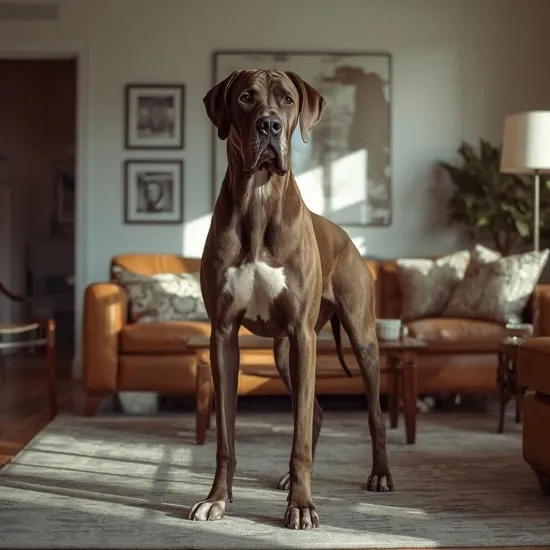
One of the biggest mistakes Great Dane owners make is forgetting just how large these dogs grow. As puppies, they seem manageable, but within months they can outgrow your furniture, car, and living space.
I learned that Great Danes need room to stretch, turn, and move comfortably. Cramped spaces can cause stress, joint pain, and even anxiety in this giant dog breed.
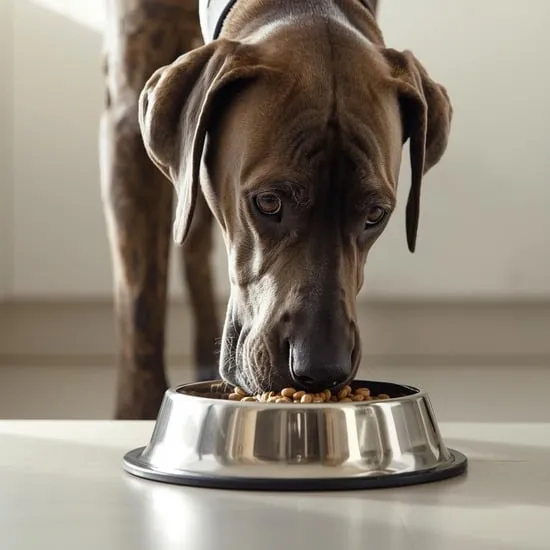
Feeding a Great Dane is not the same as feeding a regular dog. I made the mistake of overfeeding, thinking more food meant better growth.
In reality, improper feeding can lead to joint problems, bloat, and serious health issues. Great Dane owners must follow a slow-growth feeding plan and avoid excessive calories.
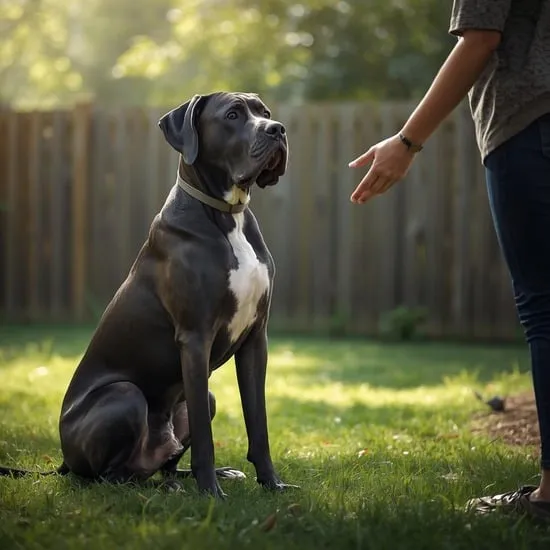
Great Danes are known for being calm and friendly, which made me think strict training wasn’t necessary. That assumption backfired quickly.
A poorly trained Great Dane, even with a sweet personality, can be dangerous simply due to their size. Early obedience training is essential for safety and control.
Another mistake Great Dane owners make is not focusing enough on joint care. Their rapid growth puts a lot of pressure on bones and hips.
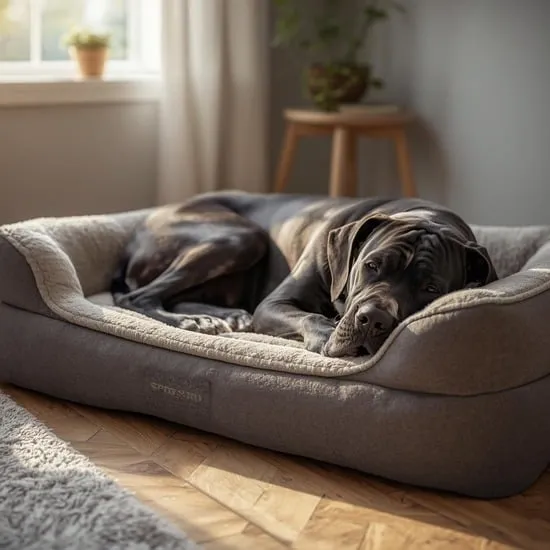
I learned that supportive bedding, controlled exercise, and joint supplements can make a huge difference in a Great Dane’s long-term mobility.
Bloat is one of the scariest risks for Great Danes, and I didn’t understand how serious it was at first. Many owners underestimate this silent killer.
Feeding smaller meals, avoiding exercise after eating, and recognizing early symptoms can literally save your Great Dane’s life.
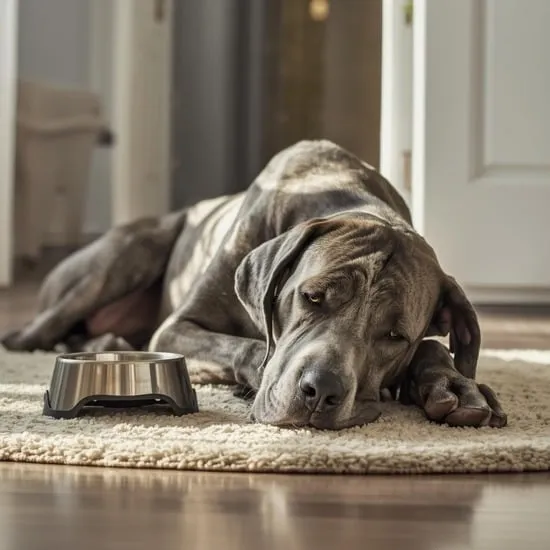
Great Danes may look strong and independent, but emotionally they are very sensitive dogs. Leaving them alone too long was a mistake I deeply regret.
They thrive on companionship and can develop separation anxiety if ignored. A Great Dane needs emotional connection just as much as physical care.
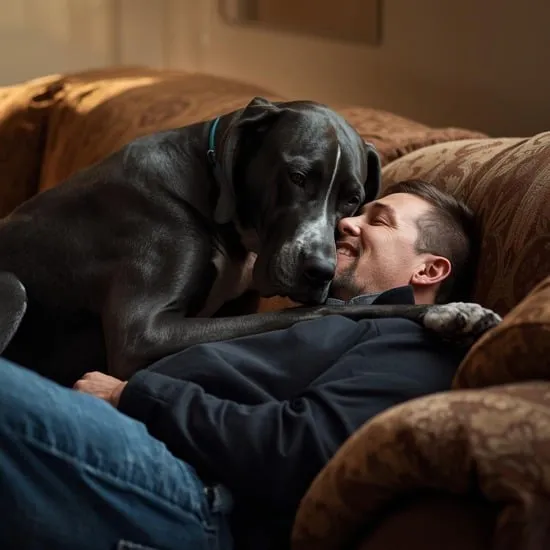
Owning a Great Dane is a beautiful responsibility. Once I corrected these mistakes, my bond with my dog grew stronger and healthier. Learning from other Great Dane owners — and from my own failures — truly changed everything.