Small Senior Dog Recipes: 3 Easy Cooked Fresh Meals They’ll Actually Eat
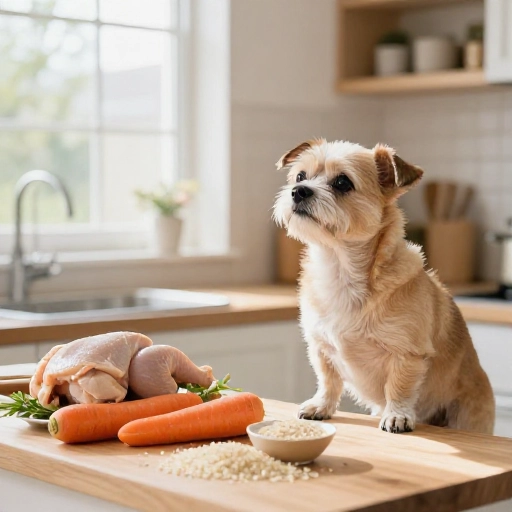
If your small senior dog has been turning their nose up at kibble lately, you are not alone. As our little fur babies age, their sense of smell and taste can change. That crunchy food they used to love just doesn’t hit the same. I started cooking fresh meals for my 13-year-old Chihuahua mix, Bella, and it completely changed her mealtime energy.
These recipes are designed for tiny mouths and sensitive tummies. They’re soft, easy to chew, and packed with gentle nutrition for aging joints and organs. The best part? You probably have most of these ingredients in your kitchen right now.
Cooking for your senior pup doesn’t have to be complicated or expensive. Let me show you three simple meals that will have your little friend wagging their tail at dinner time again.
Why Cook Fresh Food for Your Small Senior Dog
Senior dogs have different nutritional needs than puppies or adult dogs. Their metabolism slows down, their teeth get sensitive, and they need extra support for their joints and digestion. Fresh, cooked food gives you total control over what goes into their bowl.
When I switched Bella to homemade meals, her energy leveled out and her coat got shinier. The vet even commented on how much healthier she looked at her last checkup. Plus, there’s something special about knowing exactly what your best friend is eating.
Small breeds especially benefit from fresh food because their tiny bodies process nutrients differently. You can adjust ingredients based on what your dog needs right now, whether that’s more protein for muscle strength or more fiber for digestion.
Equipment You Need for Cooking Dog Meals
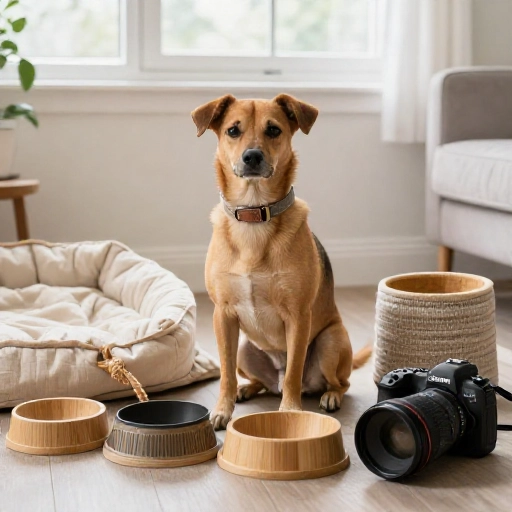
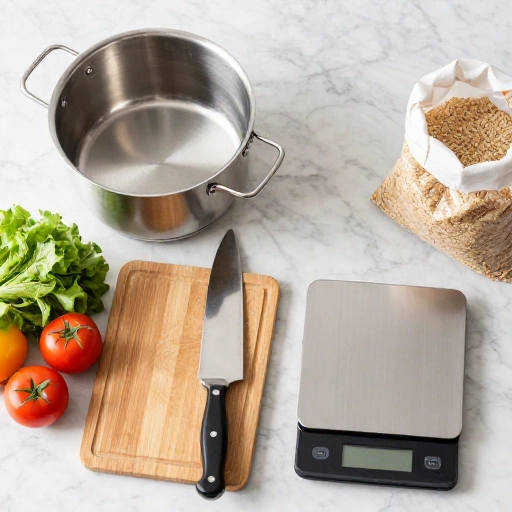
You don’t need fancy kitchen gadgets to make your senior dog healthy meals. Here’s what I use almost every time I cook for Bella:
- A small pot or saucepan with a lid
- A cutting board and sharp knife
- A fine grater for veggies like zucchini or carrots
- A food scale (optional, but helpful for portion control)
- Glass or stainless steel storage containers
- A potato masher or fork for mashing soft ingredients
That’s really it. No food processors or dehydrators needed. Keep it simple so you actually stick with it. I wash my pot and cutting board right after cooking, and the whole cleanup takes about five minutes.
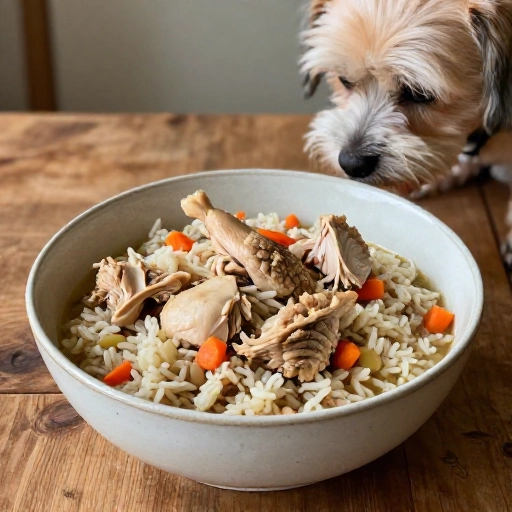
Simple Chicken and Rice Stew for Sensitive Tummies
This is the first recipe I ever made for Bella, and it remains her absolute favorite. It’s gentle, hydrating, and perfect for dogs with dental issues or picky appetites.
Ingredients
- 1 cup boneless, skinless chicken breast
- 1/2 cup white rice (white rice is easier on senior stomachs)
- 1 small carrot, finely grated
- 1/4 cup frozen peas
- 2 cups water
Instructions
- Place chicken breast in pot with 2 cups water. Bring to a gentle boil, then reduce heat to low.
- Add rice and grated carrot. Cover and simmer for 15 minutes.
- Add frozen peas and cook 5 more minutes until rice is very soft.
- Remove chicken, shred it with two forks, then return to pot.
- Let cool completely before serving. Mash slightly with a fork if your dog has trouble chewing.
This recipe makes about 3-4 servings for a small senior dog. Store in the fridge for up to 5 days. I like to warm it slightly before serving because the smell gets Bella so excited.
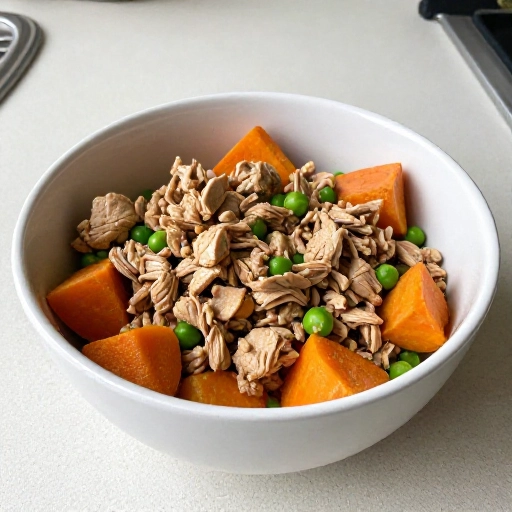
Ground Turkey and Sweet Potato Bowl
Turkey is a lean protein that’s great for older dogs who need to maintain muscle without extra fat. Sweet potatoes provide vitamin A and gentle fiber for digestion.
Ingredients
- 1/2 pound lean ground turkey
- 1 small sweet potato, peeled and cubed
- 1/2 cup chopped spinach (fresh or frozen)
- 1 teaspoon coconut oil
- 1/4 cup water
Instructions
- Peel and cube sweet potato. Steam or boil until very soft, about 10 minutes.
- While potato cooks, heat coconut oil in a pan over medium heat.
- Add ground turkey and cook until no longer pink, breaking it into small pieces.
- Add spinach and 1/4 cup water. Stir until spinach wilts.
- Mash sweet potato with a fork and mix into the turkey mixture.
- Let cool. The texture should be soft and easy to scoop.
This meal is especially good for dogs with arthritis because the sweet potato provides anti-inflammatory benefits. Bella gets a little spring in her step after eating this one.
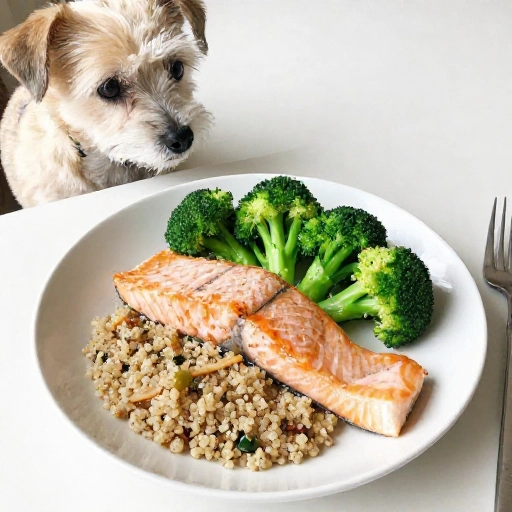
Salmon and Quinoa Dinner for Coat Health
Salmon is packed with omega-3 fatty acids, which are amazing for senior dogs’ joints, skin, and brain health. Quinoa adds complete protein and is easier to digest than some grains.
Ingredients
- 1 small salmon fillet (about 4 ounces)
- 1/4 cup quinoa, rinsed
- 1/2 cup water
- 1/4 cup finely chopped green beans
- 1 teaspoon flaxseed oil (optional)
Instructions
- Rinse quinoa well under cold water.
- In a small pot, combine quinoa and 1/2 cup water. Bring to boil, then simmer 10 minutes.
- Place salmon on a small baking sheet or in a pan. Bake at 350°F for 12-15 minutes, or until flakes easily.
- Steam or boil green beans until very soft, about 5 minutes.
- Flake salmon carefully to remove any bones. Mix with quinoa and green beans.
- Drizzle flaxseed oil over the top if using. Let cool fully before serving.
This meal smells fishy, which small senior dogs absolutely love. The soft texture makes it easy for sore gums, and the healthy fats work wonders on dry, aging skin.
Tips for Transitioning to Fresh Food
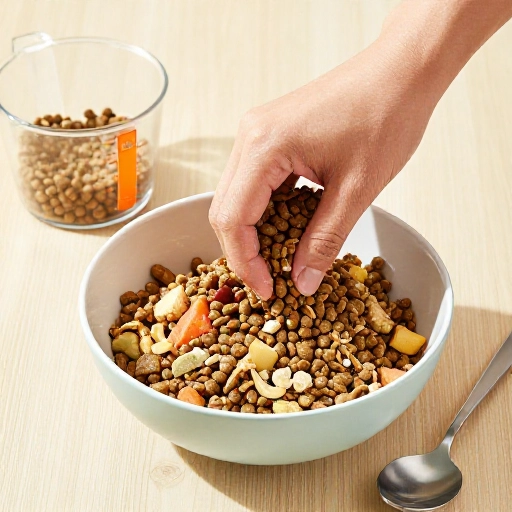
Switching your senior dog to fresh food should be gradual. Start by mixing a small amount of the cooked meal with their current food. Over a week, slowly increase the fresh food and decrease the old food.
Watch your dog’s stool during the transition. Loose poop usually means you went too fast or used too much fat. Back off and go slower. Every dog is different, and Bella took a full two weeks to fully adjust.
Always consult your vet before making major diet changes, especially for dogs with health conditions like kidney disease or diabetes. These recipes are a starting point, and your vet can help you make adjustments for your dog’s specific needs.
Conclusion: Your Senior Dog Deserves the Best
Cooking fresh meals for your small senior dog is one of the most loving things you can do. It doesn’t have to be fancy or time-consuming. These three recipes take about 20 minutes each and will keep your furry friend healthy and happy.
I’ve seen Bella go from lethargic and uninterested in food to excitedly waiting by her bowl at mealtime. That alone makes the extra effort worth it. Your senior pup has given you years of loyalty and love. A little homemade food is a beautiful way to say thank you.
Start with the recipe that sounds easiest to you. Your dog will let you know if they like it. And trust me, they will.
Frequently Asked Questions
Can I freeze these homemade dog meals?
Yes! These recipes freeze beautifully. Portion them into small containers or ice cube trays and freeze for up to 3 months. Thaw in the fridge overnight before serving. This is perfect for busy weeks when you don’t have time to cook.
How much should I feed my small senior dog?
Portion sizes depend on your dog’s weight, activity level, and health. A general guideline is about 1/4 to 1/2 cup of food per 10 pounds of body weight per day, split into two meals. Start with less and adjust based on your dog’s weight and energy.
Are these recipes nutritionally complete for my dog?
These recipes are balanced for most senior dogs but may not be complete for every dog. I recommend rotating between recipes and discussing with your vet if your dog needs specific supplements like calcium or taurine. Every senior dog has unique needs.
What if my dog has allergies or food sensitivities?
All three recipes use single protein sources, which makes it easy to identify triggers. If your dog is sensitive to chicken, try the turkey or salmon recipe. If grains are an issue, skip the rice and quinoa and add extra vegetables like zucchini or pumpkin instead.
Can I use this food as treats instead of full meals?
Absolutely. You can roll small portions into tiny balls and refrigerate them for training treats or meal toppers. Just keep in mind that these are nutritionally balanced meals, so if you use them as treats, reduce your dog’s regular food accordingly to avoid overfeeding.