How to Stop Your Cat from Attacking Your Feet
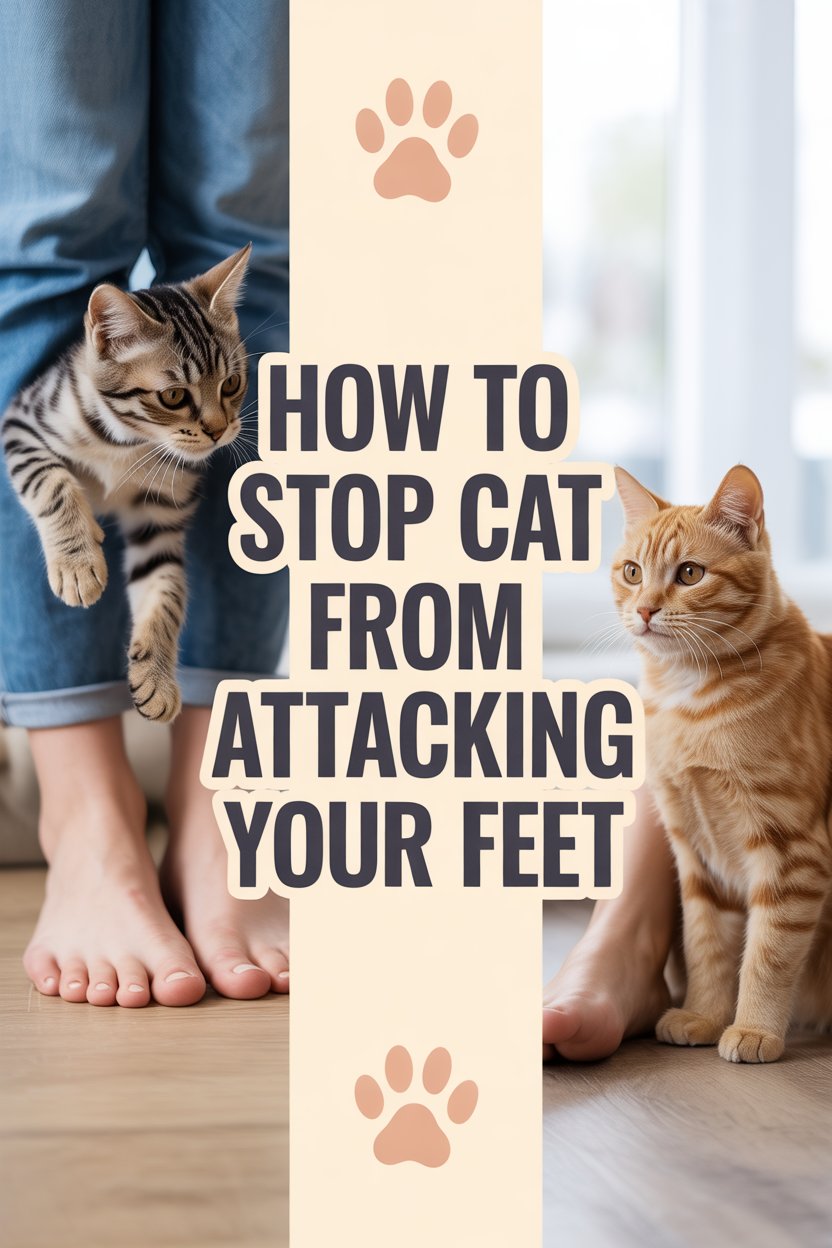
If you’ve ever walked through your home only to feel a tiny set of claws latch onto your ankles, you’re not alone. When my cat, Luna, was younger, she used to turn every hallway stroll into a stealth attack mission. I’d laugh at first, but soon those playful bites started to hurt — and I realized she wasn’t being mean, she was just being… a cat. If your feline friend has made your feet their favorite toy, let’s talk about how to stop it gently and effectively.
Before you scold your cat or pull away in frustration, take a moment to understand what’s really behind those pounces. It’s not aggression — it’s instinct, boredom, and sometimes love, all tangled into one adorable (and slightly painful) behavior.

Why Cats Attack Feet
Cats are natural hunters. Even though they live indoors and have full food bowls, their instincts remain strong. Your moving feet mimic prey — quick, unpredictable, and within perfect striking distance. To your cat, this looks like a thrilling game. However, when those playful attacks turn into daily ambushes, it’s time to step in and redirect that energy.
Some common reasons cats attack feet include boredom, pent-up energy, lack of playtime, or even seeking attention. I noticed Luna would attack most often when I hadn’t played with her in a while — her way of saying, “Hey, I’m bored, entertain me!”
Step 1: Understand the Behavior, Don’t Punish It
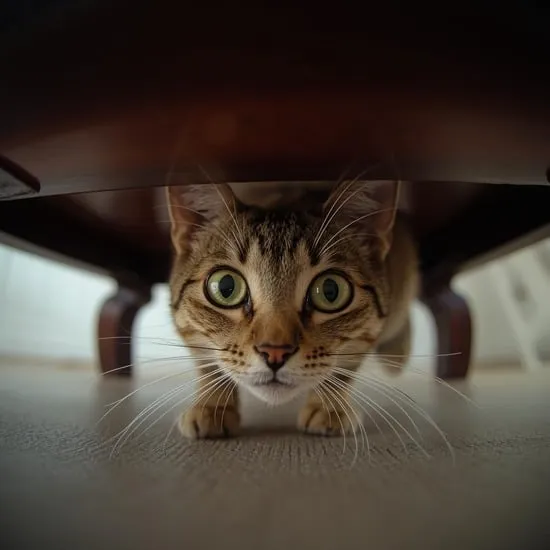
The first thing I had to learn was that punishment doesn’t work with cats — it breaks trust. Instead of yelling or pushing your cat away, stay calm. Cats don’t attack out of spite; they’re acting on instinct. Punishment only makes them anxious or more defensive. The key is redirection, not reprimand.
When Luna pounced on my feet, I’d freeze. I didn’t move or react dramatically. Cats thrive on reaction — if you make it a game, they’ll keep playing. Staying still made her lose interest quickly, and soon she realized feet weren’t fun anymore.
Step 2: Offer Better Play Alternatives
Once you understand the reason behind the behavior, it’s time to give your cat a healthier outlet for her hunting instincts. Bring out the feather wand, laser pointer, or any toy that lets her chase, jump, and “catch” safely. Interactive toys are perfect because they mimic prey behavior, keeping your cat mentally and physically stimulated.
I started a daily play routine — just 15 minutes before bedtime with Luna’s favorite feather toy. The result? She stopped ambushing me completely. She got the stimulation she craved, and I got my peaceful walks back.

Step 3: Protect Your Feet and Redirect Smartly
In the meantime, wear slippers or thicker socks to protect your feet while your cat learns new habits. If your cat does lunge, use a toy to redirect her focus immediately. Toss a ball, wiggle a ribbon, or dangle her favorite toy — show her that the fun is elsewhere.
Consistency is everything. Don’t confuse your cat by sometimes allowing play with your feet and other times not. Clear boundaries build trust and understanding over time.
Step 4: Enrich Their Environment
A bored cat is a mischievous cat. Provide scratching posts, window perches, puzzle feeders, and cat trees. These small additions help your feline burn energy throughout the day. Luna became calmer and more affectionate once I gave her more mental and physical outlets.
Step 5: Show Love Through Patience
Cats may not understand your words, but they feel your energy. Patience, consistency, and gentle redirection speak louder than any scolding ever could. Over time, your cat will learn that your feet aren’t toys — they belong to their favorite human, the one who loves them endlessly.
Now, when Luna curls up next to my feet instead of attacking them, I can’t help but smile. What once was chaos turned into comfort — and that’s the beauty of understanding your cat’s heart instead of just their habits.