13 Indoor Plants Safe for Cats: The Complete 2026 Guide to a Pet-Safe Jungle
I still remember the panic when my cat, Miso, nibbled a leaf off my old pothos. One emergency vet call later, I completely rethought my houseplant collection. If you’re a plant lover with a curious kitty, you know the struggle: you want a green home, but you also want a safe cat.
That’s why I put together this guide. These 13 indoor plants are considered non-toxic to cats by major animal poison control organizations. I’ve grown most of them myself, and I’m sharing what actually works in a real home with cats.
Quick heads-up: “safe” means non-toxic if chewed, but any plant can cause a mild tummy ache if your cat eats a lot. Always keep an eye on your pet, and when in doubt, call your vet. Now, let’s build your cat-safe indoor jungle.
1. Spider Plant: The Classic Cat-Safe Hanging Beauty
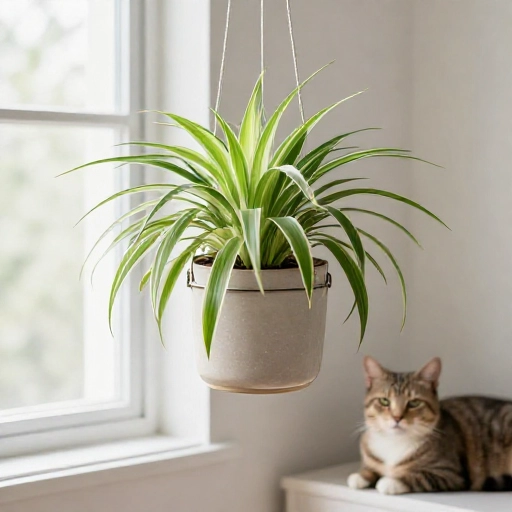
Spider plants are the ultimate starter plant for cat owners. They’re non-toxic, nearly impossible to kill, and look gorgeous in a hanging basket where cats can’t easily reach them.
Here’s a fun quirk: some cats act a little goofy after chewing spider plant leaves. It’s not toxic, but the compounds can cause mild euphoria. My Miso just bats at the dangling babies, which is adorable and harmless.
Care is simple. Give them bright, indirect light and water when the top inch of soil feels dry. They forgive missed waterings, making them perfect for busy plant parents.
2. Boston Fern: Lush, Safe, and Perfect for Hanging Baskets
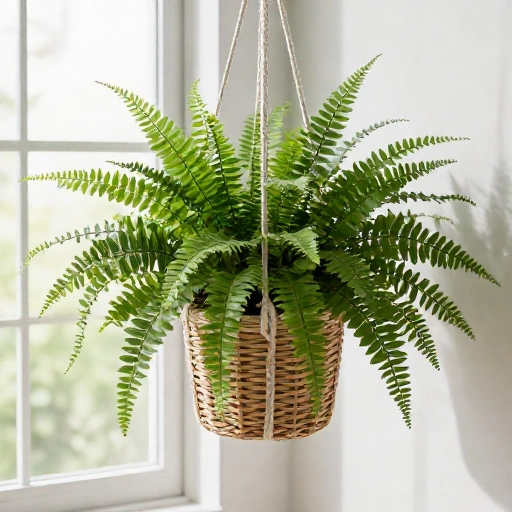
Boston ferns bring that dreamy, jungle vibe to any room. They’re safe for cats, and their soft fronds are less tempting to chew than thick leaves.
The trick with ferns is humidity. I keep mine in the bathroom window, and it thrives. If your home is dry, mist the fronds every few days or set the pot on a pebble tray.
Keep the soil consistently moist but not soggy. A happy Boston fern can grow huge, so give it room to spill over a shelf or hanging pot. Cats may nap underneath it, which is a bonus.
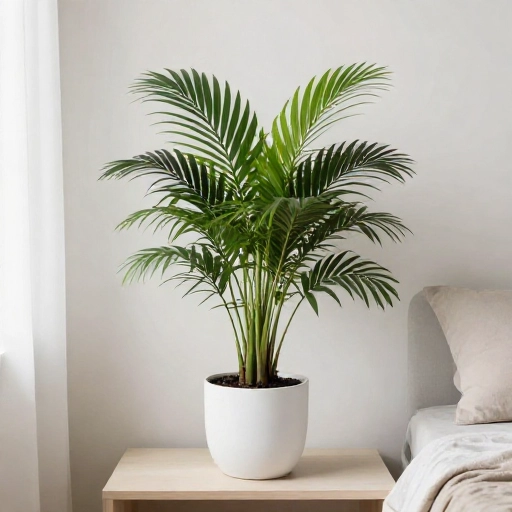
3. Areca Palm: A Pet-Safe Air Purifier
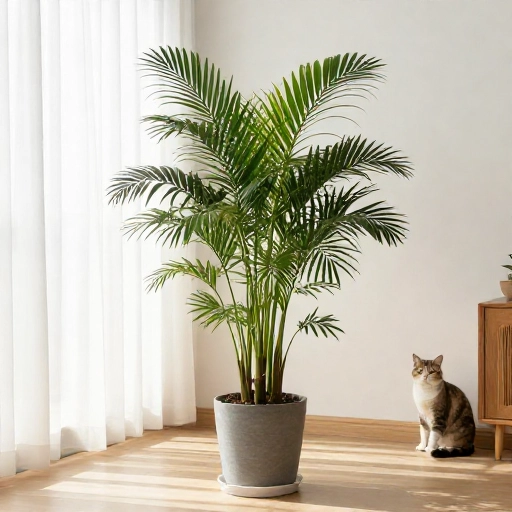
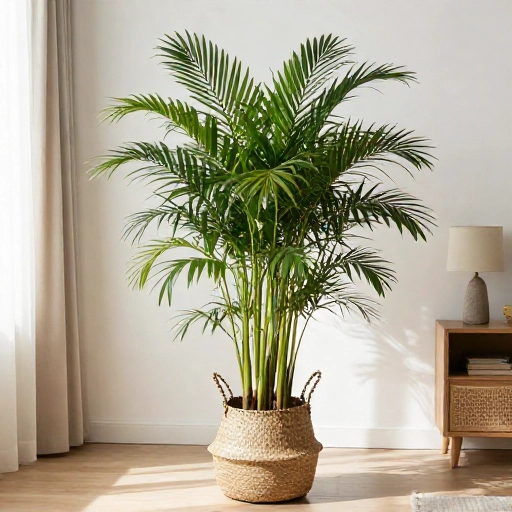
Areca palms are big, feathery, and totally safe for cats. They add a tropical feel and even help clean indoor air. I love mine near a bright window.
These palms like consistent moisture. Water when the top inch dries out, and never let the pot sit in standing water. They also appreciate a little extra humidity.
Cats might bat at the fronds, but that’s fine. Just trim any brown tips and rotate the pot weekly so it grows evenly. It’s a statement plant that won’t put your kitty at risk.
4. Calathea (Prayer Plant): Stunning Patterns, Zero Toxicity
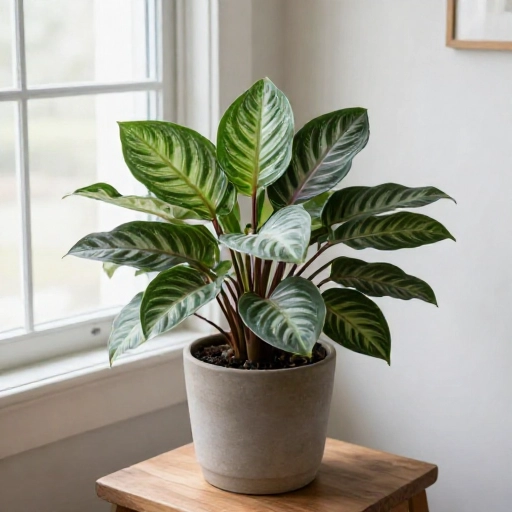
Calatheas are the artists of the plant world. Their leaves have bold patterns, and they fold up at night like hands in prayer. Best of all, they’re non-toxic to cats.
I have a Calathea orbifolia that my cat completely ignores because the leaves are thick and not very tasty. The main challenge is humidity—calatheas want it high.
Use filtered water if your tap water is hard, and keep them out of direct sun. They’re a bit fussy, but the payoff is a living piece of art that’s safe for your feline friend.
5. Parlor Palm: Small, Safe, and Shade-Friendly
Parlor palms are compact, elegant, and safe for cats. They’re perfect for shelves, desks, or any low-light corner where other plants give up.
I’ve had my parlor palm for three years, and it’s survived my forgetful watering schedule. Just water when the top inch of soil is dry, and avoid direct sun.
Cats sometimes like to hide under the fronds because it feels like a tiny forest. That’s fine—just check for knocked-over pots. A heavy ceramic pot helps keep things upright.
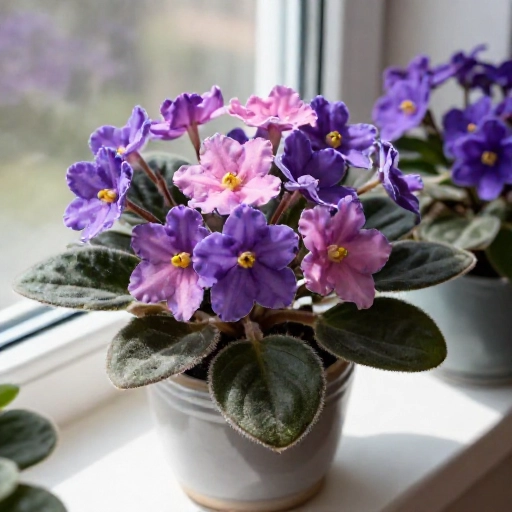
6. African Violet: Colorful Blooms That Are Cat-Safe
African violets prove that safe plants can also be stunning. They bloom multiple times a year with proper care, and their fuzzy leaves are non-toxic to cats.
The key is watering from the bottom. Get water on the leaves, and you’ll get brown spots. I set my pot in a bowl of water for 20 minutes, then let it drain.
Give them bright, indirect light—an east window is ideal. Cats may bat at the flowers, but a little training with a gentle “no” usually works. The blooms are worth the effort.
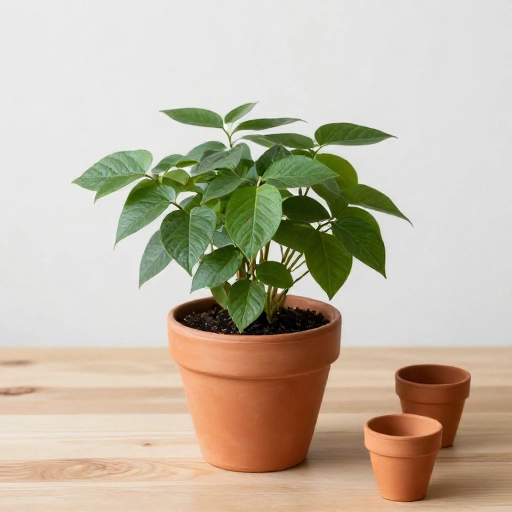
7. Friendship Plant (Pilea involucrata): Easy to Share, Safe to Keep
Friendship plants have textured, bubble-like leaves that look almost alien. They’re safe for cats and incredibly easy to propagate, so you can share cuttings with friends.
I keep mine in a terrarium because it loves humidity. In regular pots, just water when the topsoil feels dry and keep it out of harsh sun.
The plant stays small, making it great for desks or windowsills. My cat sniffed it once, decided it wasn’t food, and never bothered it again.
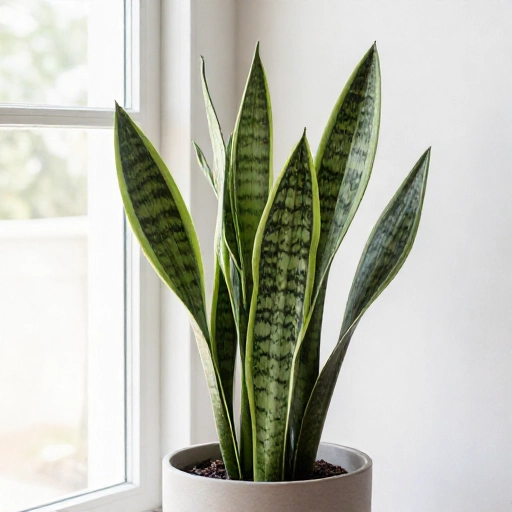
8. Rattlesnake Plant: A Calathea with Wavy, Safe Leaves
Rattlesnake plants are another calathea variety, and yes, they’re safe for cats. Their long, wavy leaves have a distinct pattern that looks like a rattlesnake’s tail.
They need high humidity and indirect light. I run a small humidifier nearby, and mine is thriving. The leaves fold up at night, which never gets old.
Because the leaves are thin, some cats might nibble. It’s non-toxic, but if your cat is a heavy chewer, place it on a high shelf. Otherwise, enjoy the show.
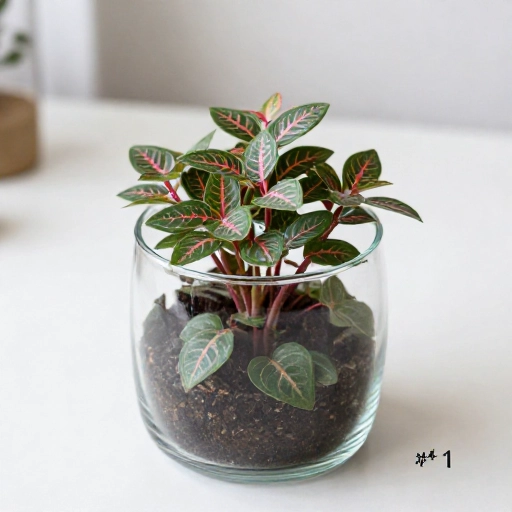
9. Mosaic Plant (Fittonia): The Tiny, Safe Terrarium Star
Fittonia, also called nerve plant, has delicate leaves with bright pink or white veins. It’s non-toxic to cats and loves living in a glass terrarium.
I keep mine in a closed jar, and it basically takes care of itself. In open air, you’ll need to water often because it wilts dramatically when thirsty—but bounces right back.
Keep it out of direct sun and away from drafty spots. Cats are usually uninterested because the plant is small and low to the ground. It’s a sweet, safe accent plant.
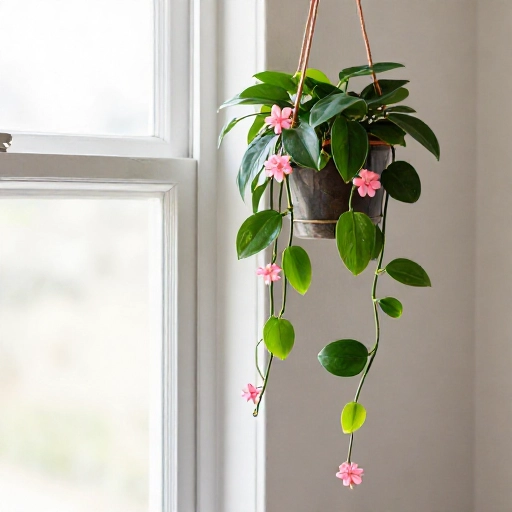
10. Wax Plant (Hoya carnosa): Trailing, Safe, and Stunning
Hoyas are trailing succulents with thick, waxy leaves and clusters of star-shaped flowers. They’re safe for cats and look amazing in a hanging planter.
I let mine dry out between waterings—hoyas hate soggy roots. Bright, indirect light encourages blooms, which smell like chocolate or vanilla depending on the variety.
Because it trails, cats may see it as a toy. A high hook keeps it out of reach. The vines can get long, so prune them if you want a fuller plant.
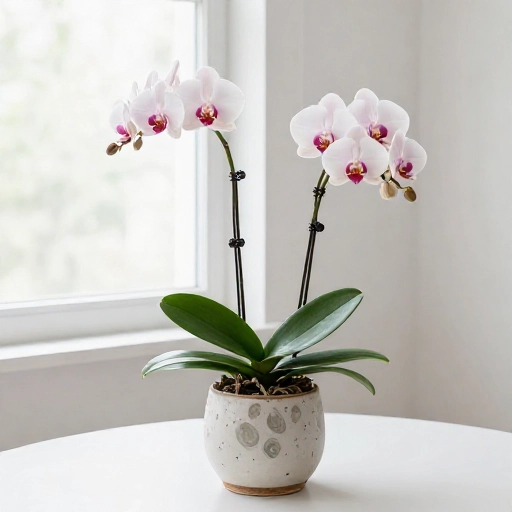
11. Phalaenopsis Orchid: Elegant, Long-Blooming, and Cat-Safe
Phalaenopsis orchids are safe for cats, and their blooms last for months. I used to think orchids were difficult, but this variety is surprisingly forgiving.
Water when the roots turn silvery-gray, usually once a week. Don’t use ice cubes—that’s a myth that can shock the roots. Room-temperature water is best.
Keep them in bright, indirect light. My cat completely ignores my orchid because the leaves are thick and the flowers are high up. It’s a win-win.
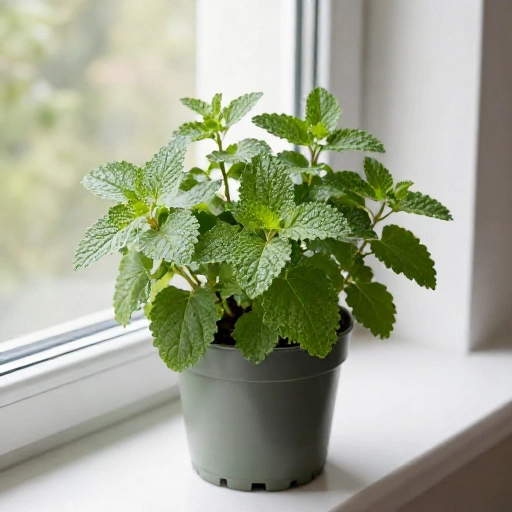
12. Lemon Balm: A Safe Herb Your Cat Might Actually Enjoy
Lemon balm is a cat-safe herb that smells like citrus and mint. Some cats love to nibble it, and it’s safe if they do. I grow a pot on my kitchen windowsill.
It needs bright light and regular watering. Pinch off the tips to keep it bushy. You can also use the leaves for tea—just wash them first if your cat has been sniffing around.
Unlike many houseplants, lemon balm is fast-growing. That means if your cat does chew it, the plant recovers quickly. It’s a practical, fragrant addition to your safe plant collection.
13. Bamboo Palm: Big, Beautiful, and Pet-Safe
Bamboo palms are like parlor palms but bigger. They’re safe for cats, great air purifiers, and add a tropical flair to any corner.
I have one next to my sofa, and it’s become a favorite hiding spot for my cat. The fronds are sturdy, so they don’t get destroyed easily.
Water when the top inch of soil is dry, and keep it out of direct afternoon sun. It’s a low-maintenance floor plant that makes a bold statement without risking your cat’s health.
Final Thoughts: Create a Cat-Safe Indoor Jungle
You don’t have to choose between a beautiful home and a safe cat. With these 13 indoor plants, you can have both. I’ve watched my own cats ignore most of these plants, and when they do nibble, I know they’re not in danger.
Remember: even safe plants can cause mild stomach upset if eaten in large amounts. Rotate your plants, use hanging baskets, and give your cat their own pot of cat grass to distract them.
Start with a spider plant or parlor palm—they’re the easiest. Then branch out. Your cat will thank you, and your home will look like a green paradise.
FAQ: Cat-Safe Indoor Plants
Are all plants on this list completely non-toxic to cats?
Yes, these 13 plants are considered non-toxic by the ASPCA and other animal poison control sources. However, “non-toxic” doesn’t mean “edible.” Eating any plant can cause mild vomiting or diarrhea in sensitive cats.
What should I do if my cat eats a plant not on this list?
First, remove the plant from your cat’s reach. Then check the ASPCA’s toxic plant database or call your vet. Signs of poisoning include drooling, vomiting, lethargy, or tremors. When in doubt, seek veterinary care immediately.
Can I use fertilizer on cat-safe plants?
Yes, but use pet-safe, organic fertilizers and follow the label. Keep your cat away from the plant for a few hours after fertilizing, and never let them drink the runoff water from the saucer.
My cat keeps digging in the soil. How do I stop it?
Place large pebbles or decorative rocks on top of the soil. You can also use a scent deterrent like citrus peel (safe for cats in small amounts) or place double-sided tape around the pot. Providing a cat grass pot helps redirect the behavior.
Do these plants need special soil or pots?
Most do fine in regular indoor potting mix with drainage holes. Use a heavy pot so cats can’t tip it over. For humidity-loving plants like ferns and calatheas, a plastic pot inside a decorative cachepot works well.