7 DIY Cones for Dogs Using Simple Supplies
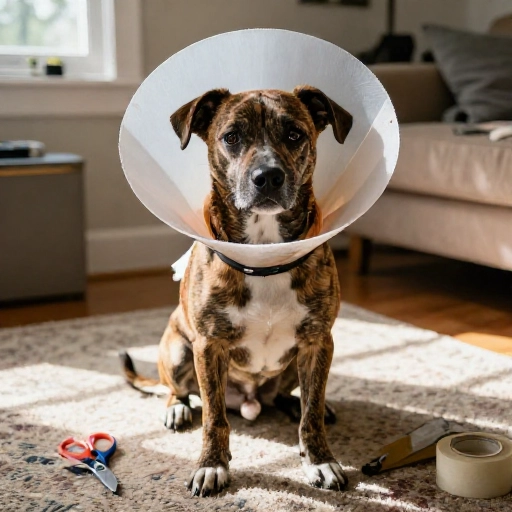
My dog once stared at his plastic vet cone like it was a personal insult. He bumped into walls, refused to eat, and gave me the saddest eyes. That’s when I started looking for DIY cone alternatives I could make with things I already had at home.
These homemade dog cones are not meant to replace veterinary care for surgery, deep wounds, or serious skin issues. But for short-term use, mild licking, or a dog who panics in a hard plastic cone, a soft DIY option can be a real lifesaver.
I’ve rounded up 7 DIY cones for dogs using simple supplies. Keep it loose enough to breathe, trim any loose pieces, and always supervise your pup while wearing one.
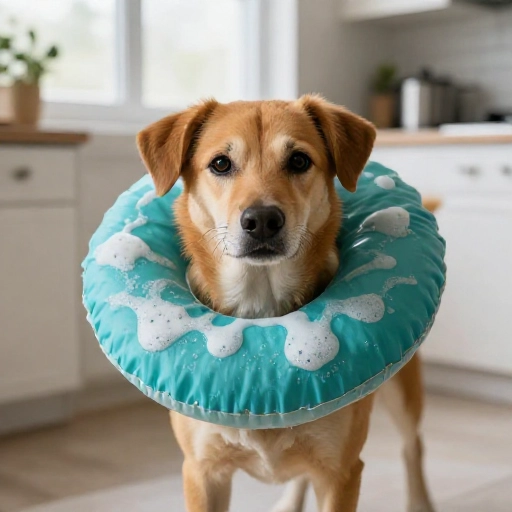
1. Pool Noodle Neck Donut
This is my favorite DIY cone for dogs who hate the sound of plastic. A pool noodle neck donut is soft, quiet, and great for sleeping. It doesn’t block every angle, but it can stop your dog from turning their head far enough to lick a hot spot or paw.
Measure around your dog’s neck, then add about 2 inches. Cut a pool noodle to that length. Thread a strong shoelace or piece of paracord through the hollow center, curve the noodle into a ring, and tie the ends securely. You can also tape the ends together with duct tape, then slide a flat collar through the center for extra security.
Make sure you can fit two fingers under the noodle. Never use a rubber band or anything that tightens. And if your dog is a foam chewer, skip this one or use it only while you’re watching.
2. Cardboard and Fleece Soft Cone
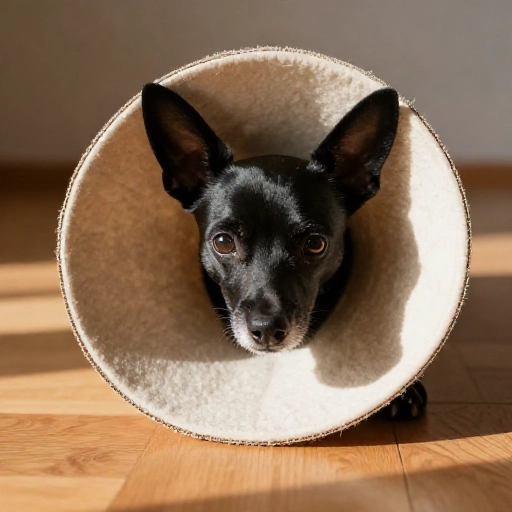
Cardboard gets a bad rap, but it can make a surprisingly lightweight cone for calm dogs. I like this one for short indoor use, like after a bath or when I need to keep my dog from licking a small graze.
Draw a big half-circle on a piece of sturdy cardboard, cut it out, and roll it into a cone shape. Tape the seam with duct tape. Punch holes along the top edge and thread a shoelace through so you can attach it to your dog’s collar. Then line the outer edge with a strip of fleece, an old sock, or soft fabric tape so it doesn’t rub.
The cone should reach past your dog’s nose, but they still need to eat, drink, and breathe easily. Cardboard can get wet and soggy, so this is not a good option for droolers or rainy days. Check the edges often and replace it if it gets chewed.
3. Laundry Basket Recovery Collar
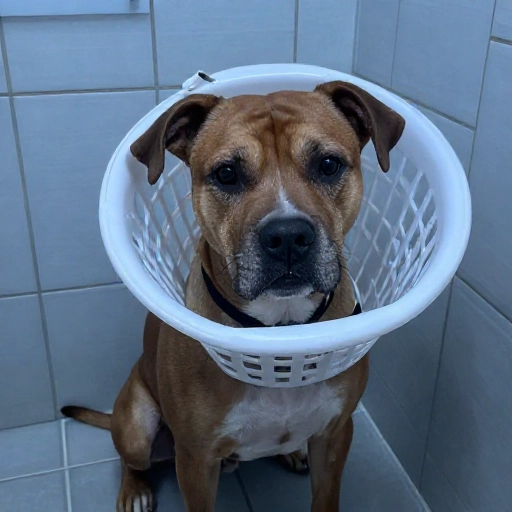
If you have a round plastic laundry basket, you’re halfway to a breathable recovery collar. This DIY dog cone is sturdy, ventilated, and works well for small to medium dogs. I’ve used it for a quick nail trim when my pup wouldn’t stop wiggling.
Cut the bottom out of the basket with a utility knife. Smooth the cut edge with sandpaper, then cover it with duct tape or fabric tape. Make sure the remaining rim is wide enough to sit around your dog’s neck without pressing on their throat.
Punch holes around the neck opening and thread a shoelace or soft strap through them. Attach that to your dog’s collar. The basket should extend past the nose, but not be so heavy that it pulls. Remove it for meals if your dog struggles to reach the bowl.
4. Old T-Shirt Fabric Donut
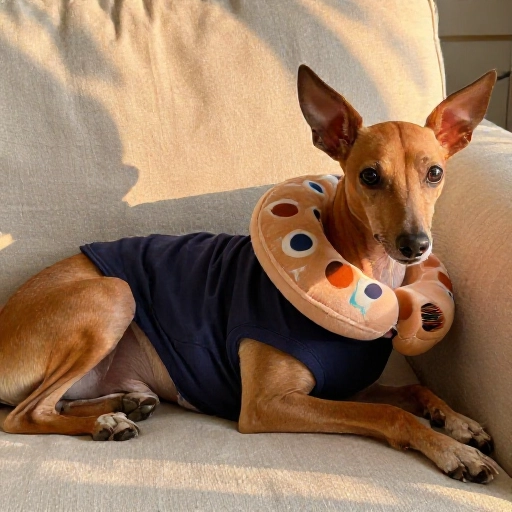
An old t-shirt can become a soft fabric donut that’s cozy for naps. It’s not as protective as a full cone, but it’s a gentle option for dogs who only need a little reminder not to lick.
Cut the body of a t-shirt into a wide strip. Fold it into a tube and stuff it with fabric scraps, an old sock, or poly-fil. Sew or fabric-tape the ends closed, then curve it into a ring. Thread your dog’s collar through the center so the donut stays in place.
Keep it snug but not tight. You should still be able to slide two fingers under it. If your dog is determined to reach a wound, this won’t stop them, so use it only for mild situations and supervised downtime.
5. Plastic Folder Transparency Cone
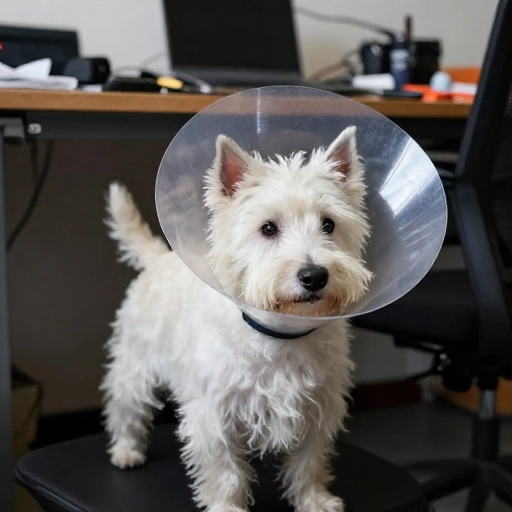
This one sounds weird, but a flexible plastic folder can make a clear, lightweight cone. I like it for small dogs and quick vet visits because they can still see through it and it doesn’t feel as scary as opaque plastic.
Use a large plastic report cover or flexible cutting mat. Cut it into a wide arc, then roll it into a cone shape. Punch holes along both edges and lace it together with a shoelace. Punch more holes at the neck edge and attach it to your dog’s collar.
Cover every cut edge with felt tape, duct tape, or soft fabric. Plastic can crack, so check for sharp points before each use. This is not a good choice for heavy chewers, and it should never be left on when you’re not home.
6. Towel Roll Neck Pillow
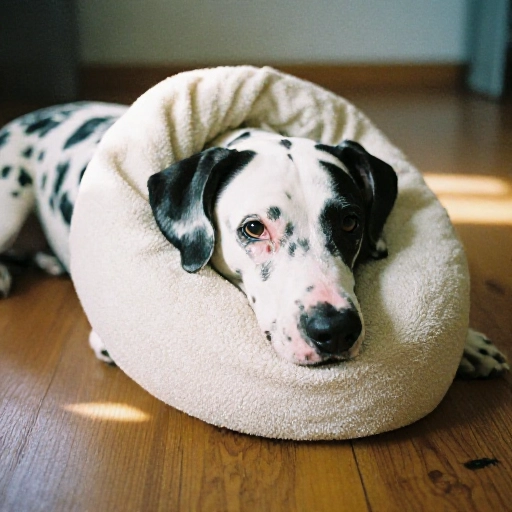
A towel roll neck pillow is exactly what it sounds like: soft, squishy, and perfect for dogs who need a break from rigid cones. I made one for my senior dog, and he actually fell asleep in it.
Roll two bath towels into a long tube. Curve the tube around your dog’s neck like a donut, then wrap it with self-adhesive vet wrap or elastic bandage to hold the shape. Do not use safety pins or clips that could poke your dog.
Slide a flat collar through the center to keep it from slipping off. This is a comfort cone, not a full barrier. It works best for mild licking, post-grooming, or keeping your dog from scratching their ears at night. Check it often for tightness and overheating.
7. Bucket or Storage Bin Cone
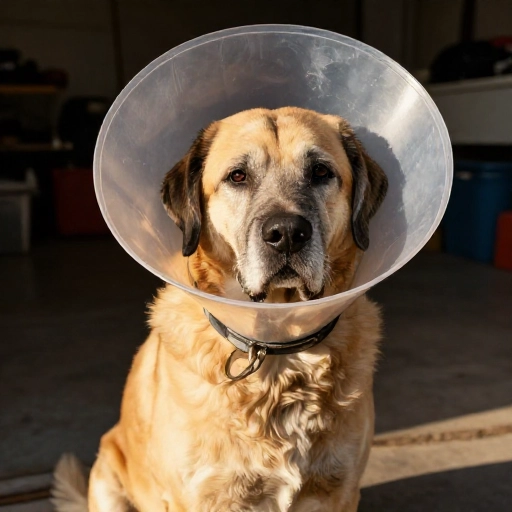
A lightweight plastic bucket or small storage bin can become a custom cone for bigger dogs. It’s similar to the laundry basket idea, but you can often find a size that fits a larger neck better.
Cut the bottom out of the bucket or bin. Sand the edges until they’re smooth, then cover them with duct tape. Punch holes around the wide opening and thread a shoelace or soft strap through them to attach it to your dog’s collar.
Make sure the cone reaches past your dog’s nose and has plenty of airflow. It should not press on their throat or block their vision completely. This is a short-term option only, and your dog should never be left alone with it.
Wrapping It Up
DIY dog cones are a great backup plan when your pup hates plastic, but fit and safety matter more than cute DIY vibes. You should always be able to fit two fingers under the neck, your dog should be able to eat and drink, and no pieces should be loose enough to swallow.
If your dog has had surgery or a serious injury, call your vet before swapping out the cone they sent you home with. A homemade cone can be a comfortable short-term alternative, but it’s not worth risking an infection or a bigger vet bill.
Quick FAQ
Q: Will my dog hate a DIY cone?
A: Some dogs do at first, but soft fabric or pool noodle cones are often much less stressful than hard plastic. Introduce it with treats and short sessions.
Q: Can I leave my dog alone with a homemade cone?
A: No, not unless your vet says it’s safe. Many DIY cones can be chewed, pulled apart, or swallowed if you’re not watching.
Q: What supplies should I avoid?
A: Avoid safety pins, staples, rubber bands, sharp edges, and anything that fits too tightly around the neck.
Q: How do I know if the cone fits?
A: You should fit two fingers under the neck edge, the cone should reach past the nose, and your dog should breathe, eat, and drink without struggling.
Q: Which DIY cone is best for sleeping?
A: A pool noodle neck donut or a towel roll neck pillow is usually the most comfortable for naps. Just remember they offer less protection than a full cone.