12 Puppy Proofing Tips for New Dog Owners
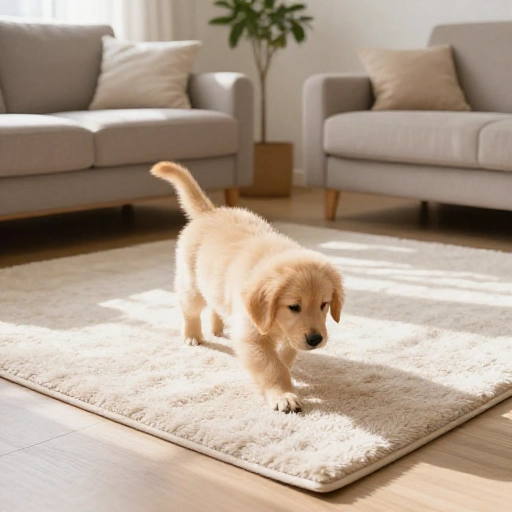
Bringing home a new puppy is one of the most exciting days of your life. That little wagging tail, the tiny paws, and those curious eyes—it’s pure joy. But let’s be real: puppies are basically fluffy tornadoes with teeth. They explore the world with their mouths, and everything from your favorite sneakers to the TV remote is fair game.
I remember the first week with my own pup. I thought I had puppy-proofed my house, but I quickly learned I missed a lot. Cords, plants, and even the trash can became dangerous toys. That’s why I put together this list of 12 practical puppy proofing tips. These are simple, effective steps that will keep your new best friend safe and your home intact.
Whether you’re a first-time owner or just need a refresher, these tips will help you create a safe space for your pup. Let’s dive in and make your home puppy-ready.
1. Get Down to Puppy Eye Level
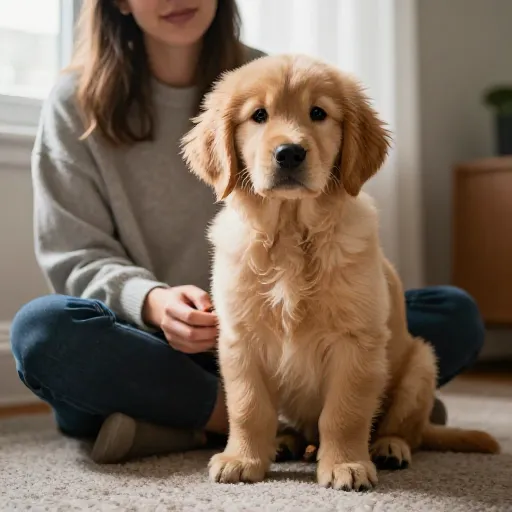
Before you do anything else, get on your hands and knees. Crawl around every room your puppy will have access to. You’ll be shocked at what you see from this angle.
Look for loose change, paper clips, small toys, or anything that could be swallowed. Puppies are curious and will pick up almost anything. If it fits in their mouth, it’s a hazard. Move these items out of reach or into drawers.
2. Secure Electrical Cords
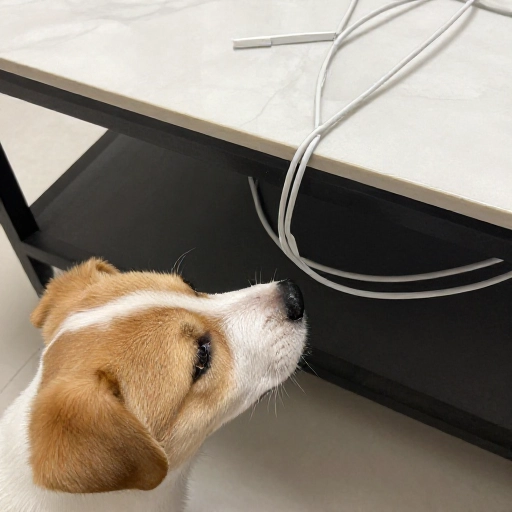
Puppies love to chew on cords. It feels good on their gums, but it’s extremely dangerous. A chewed cord can cause burns, shocks, or even fires.
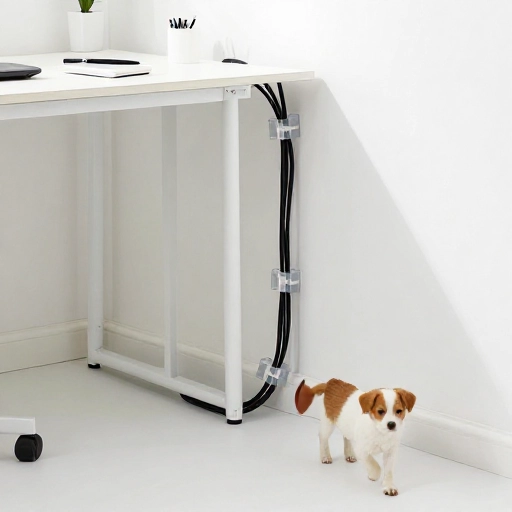
Use cord protectors or hide cables behind furniture. You can also use bitter apple spray on cords as a deterrent. For extra safety, unplug devices when you’re not using them. It’s a small habit that prevents big accidents.
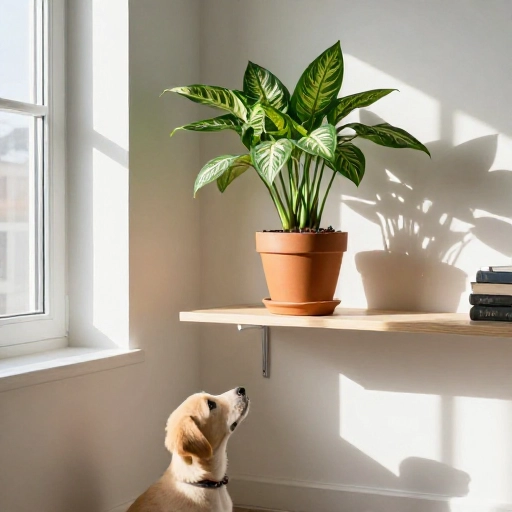
3. Put Away Toxic Houseplants
Many common houseplants are poisonous to dogs. Lilies, pothos, philodendrons, and aloe vera are just a few examples. A curious nibble can lead to vomiting or worse.
Check every plant in your home. Move toxic ones to high shelves or rooms your puppy can’t enter. If you want greenery, look for pet-safe options like spider plants or Boston ferns. Better safe than sorry.
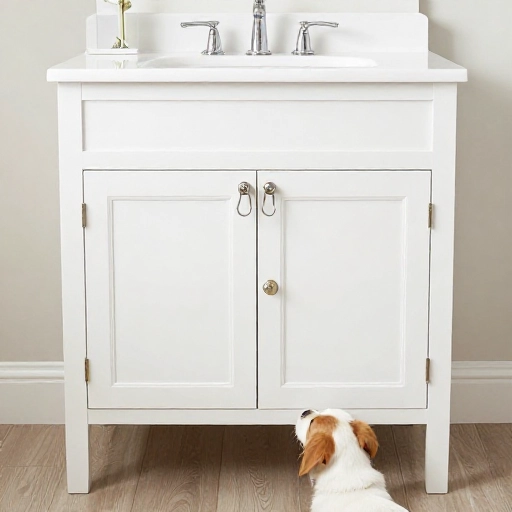
4. Lock Up Cleaning Supplies
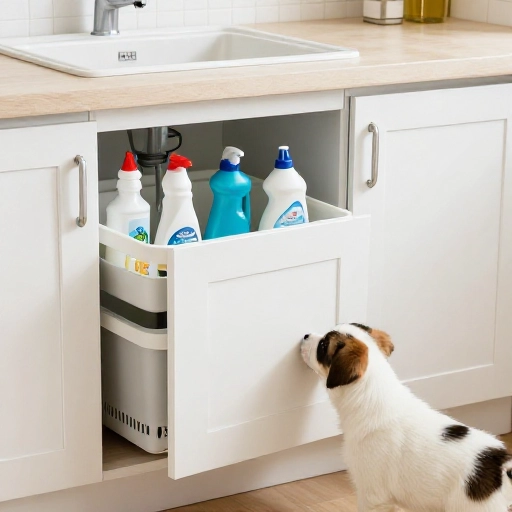
Puppies are fast. You might turn your back for one second, and they’re under the sink sniffing bleach. Cleaning products, laundry pods, and dishwasher detergent are all dangerous.
Install childproof locks on cabinets. Store all chemicals in high cabinets if possible. Even natural cleaners can upset a puppy’s stomach. Keep everything sealed and out of reach.
5. Hide the Trash Cans
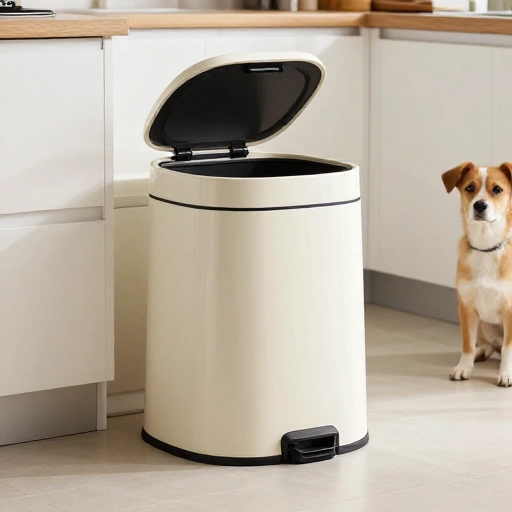
Trash cans are treasure chests for puppies. They smell food, wrappers, and all kinds of interesting things. But trash can contain sharp objects, spoiled food, or toxic items like onion peels.
Get a trash can with a locking lid or keep it inside a cabinet. In the bathroom, use a small can with a lid too. This simple change stops your pup from learning bad habits like dumpster diving.
6. Remove Small Objects from Low Surfaces
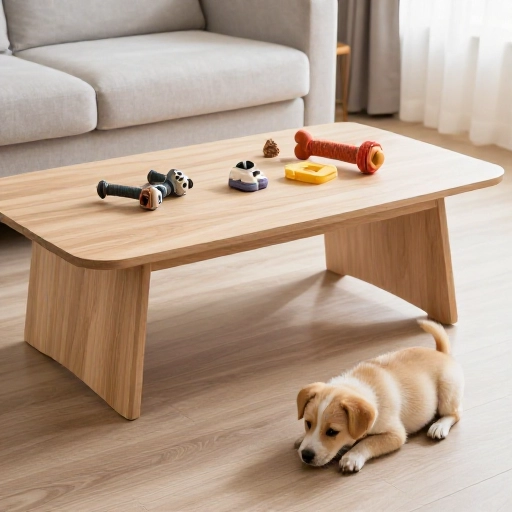
Shoes, socks, remote controls, kids’ toys, and eyeglasses all look like fun chew toys to a puppy. I lost a pair of glasses in under five minutes once.
Make a habit of scanning coffee tables, nightstands, and floors. Put everything away before your puppy is loose. Use baskets or bins for quick clean-ups. The less temptation, the easier your training will be.
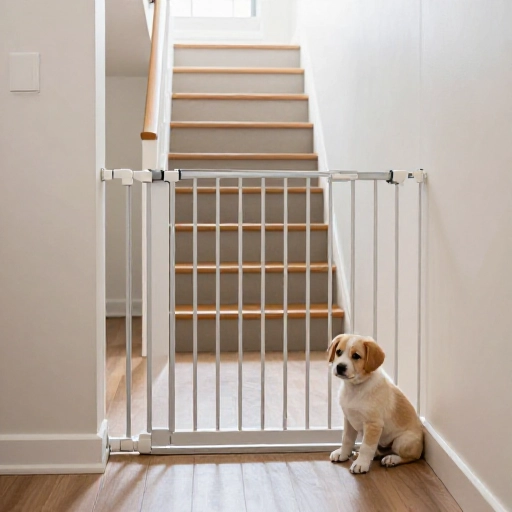
7. Block Off Dangerous Areas
Stairs, kitchens, and home offices can be risky for a tiny puppy. They might fall down stairs or chew on wires in your office.
Use baby gates to block off these areas. Set up a safe, confined space where your puppy can play without trouble. This also helps with house training. A gated area gives them a clear boundary they can understand.
8. Check for Gaps and Escape Routes
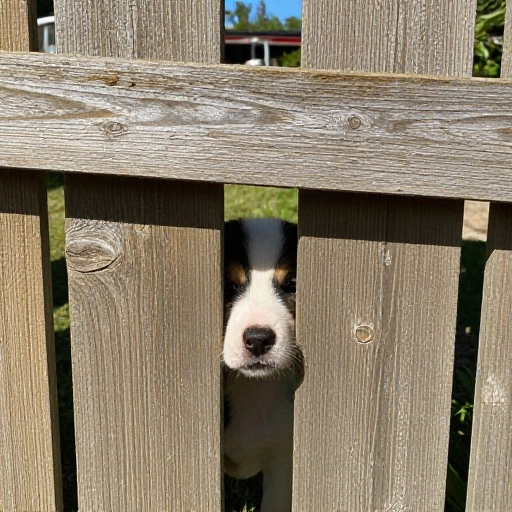
Puppies can squeeze through surprisingly small spaces. Check under fences, gaps in gates, or holes in walls. I once had a puppy wiggle out under the deck.
Walk around your yard and inside your home. Look for any opening bigger than a few inches. Seal them up with wood, wire mesh, or filler. It’s easier to do this now than to chase a runaway pup later.
9. Store Medications Safely
Human medications are one of the top causes of pet poisoning. Puppies will chew through pill bottles if they can reach them. Even over-the-counter pain relievers can be deadly.
Keep all medications in a high cabinet, not on countertops or in purses. Use childproof containers. Also, be careful with vitamins and supplements. Treat them like toxins because that’s exactly what they are to a small dog.
10. Choose Safe Chew Toys
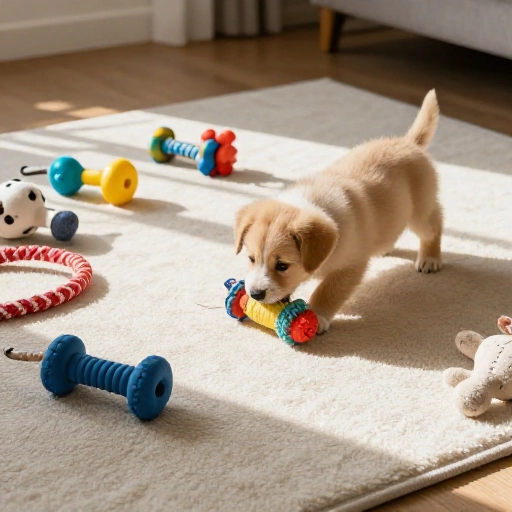
Puppies need to chew, especially when teething. But not all toys are safe. Avoid toys with small parts that can break off, like buttons or plastic eyes. Also, steer clear of rawhide, which can cause choking.
Stick with durable rubber toys, rope toys, or soft plushies without stuffing. Always supervise playtime. Rotate toys to keep them interesting. A good toy saves your furniture and keeps your puppy happy.
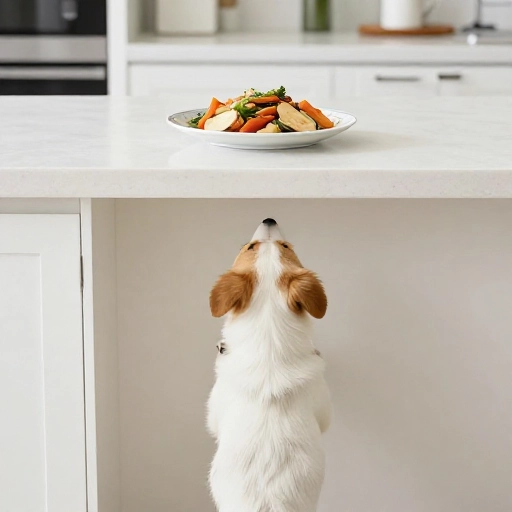
11. Keep Food Out of Reach
Human food can be dangerous for puppies. Chocolate, grapes, raisins, onions, garlic, and xylitol (a sweetener) are toxic. Even fatty foods can cause pancreatitis.
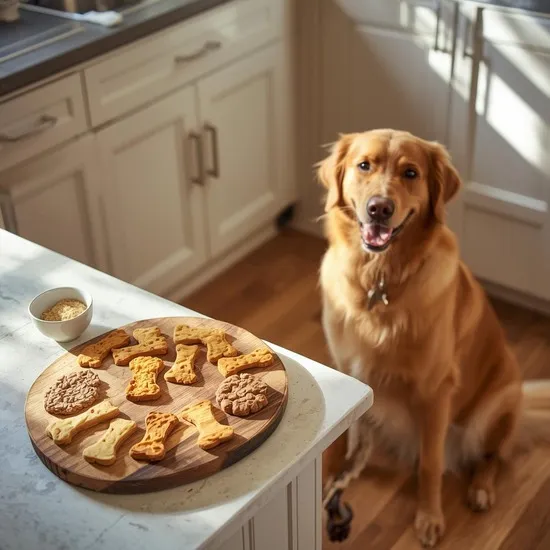
Never leave food on low tables or counter edges. Train family members to keep snacks away from the puppy. If you drop food, pick it up immediately. This prevents begging habits and accidental poisoning.
12. Prepare a Quiet Safe Zone
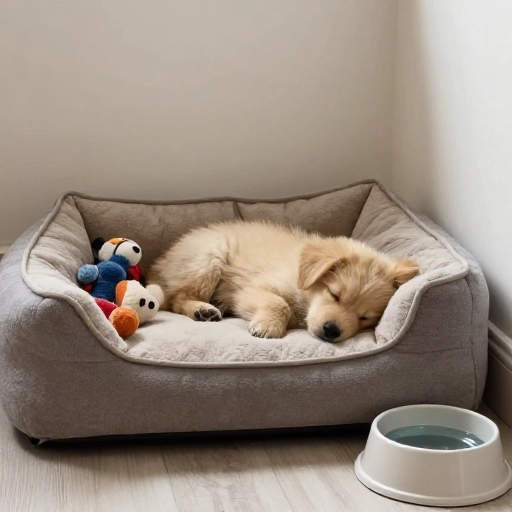
Puppies need a place to rest without interruptions. A crate or a small pen with a soft bed works perfectly. This is their den—a spot where they feel secure.
Make sure it’s away from drafts and noise. Keep it clean and cozy. Use this space for naps and when you can’t supervise. A tired puppy is a happy puppy, and a safe zone helps them relax.
Conclusion
Puppy proofing is really about thinking ahead. You can’t watch your puppy every single second, but you can set them up for success. These 12 steps are simple, practical, and make a huge difference.
Take it one room at a time. You don’t have to do everything in one day. Start with the most dangerous areas, then expand. Your puppy will thank you with wagging tails and sloppy kisses—and you’ll have far fewer chewed shoes.
[[IMG:IMG14]]
FAQ
How do I puppy proof my house on a budget?
Start with the free stuff: get on your hands and knees to scan for hazards. Use cardboard boxes to block off areas temporarily. Buy a baby gate secondhand. Most safety checks don’t cost money, just time.
What is the most dangerous thing for a puppy in a home?
Small objects they can swallow, like coins, batteries, or kids’ toys, are very dangerous. Also, toxic foods and cleaning products are high on the list. Always keep these out of reach.
Should I use a crate for puppy proofing?
Yes, a crate is a great tool. It gives your puppy a safe space when you can’t watch them. It also helps with house training. Just make sure it’s comfortable and not used as punishment.
How long does it take to puppy proof a home?
It depends on your home size. A quick safety check can take 30 minutes. A full proofing might take a few hours. Focus on the rooms your puppy will use most, then expand.
Can I ever fully puppy proof my home?
No home is 100% puppy proof forever, but you can get very close. As your puppy grows, you’ll need to adjust. Keep an eye on new hazards and update your safety measures regularly.