17 Essential Cat Room Must-Haves for Happy Pets
When I first brought my cat home, I thought a bed and a bowl would be enough. Boy, was I wrong. Cats have their own little quirks—they love to climb, hide, scratch, and nap in the sunniest spots. After plenty of trial and error, I’ve learned exactly what makes a cat room feel like a five-star retreat for them.
Whether you’re setting up a dedicated space or just a cozy corner, these 17 must-haves will keep your furry friend purring. I’ve kept things simple and practical, so you can easily create a room that’s both functional and fun. Let’s dive in!
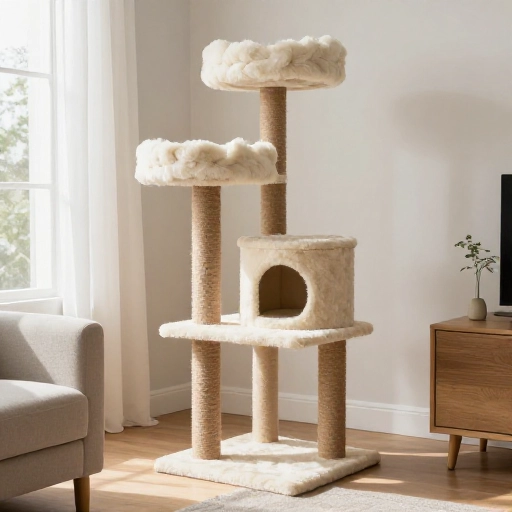
1. A Sturdy Cat Tree for Climbing and Perching
Cats love to be up high. A good cat tree gives them a safe spot to watch the room, stretch, and scratch. Look for one with multiple levels and a stable base—nobody wants a wobble when their cat leaps onto the top perch.
Place it near a window if you can. Your cat will spend hours bird-watching and napping in the sun. Bonus points if the tree has sisal rope wrapped posts for scratching.
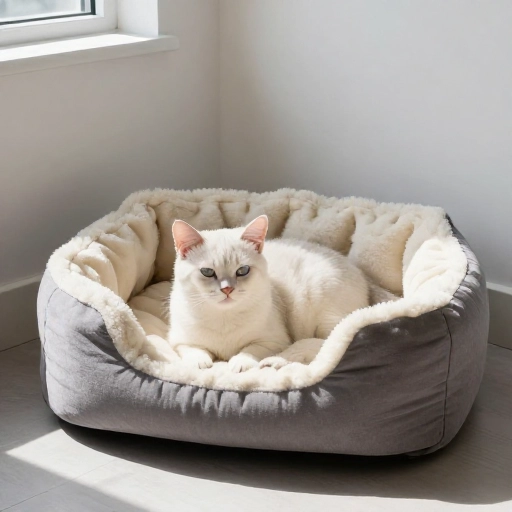
2. Cozy Hideaway Beds
Not all cats like open beds. Many prefer a cave-like spot where they can feel hidden and safe. A plush, enclosed bed works wonders for shy or anxious cats.
I have one tucked into a quiet corner of the room. My cat uses it every afternoon for a deep, uninterrupted nap. It’s amazing how much calmer she seems with her own little den.
3. Scratch Posts or Pads (Lots of Them)
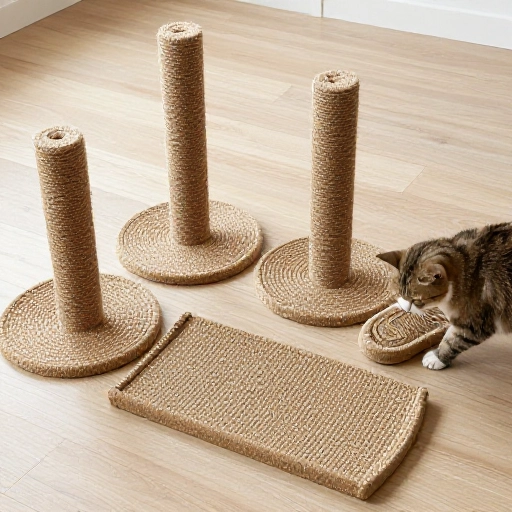
Scratching is not optional—it’s instinct. If you don’t provide acceptable surfaces, your furniture will pay the price. Place at least two or three scratching posts around the room.
Mix materials: sisal, cardboard, and carpet. Some cats prefer vertical posts, others love flat pads. Watch your cat’s habits and adjust. Trust me, it saves your couch.
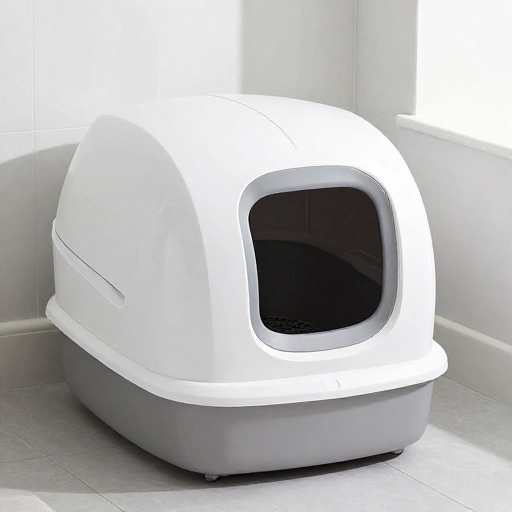
4. A Clean, Accessible Litter Box
This one is non-negotiable. The litter box should be placed in a quiet, low-traffic area of the room—not right next to the food bowls. Cats are picky about privacy.
I use a covered box with a carbon filter to keep odors down. Scoop daily and deep clean weekly. A happy cat means a clean box, every single time.
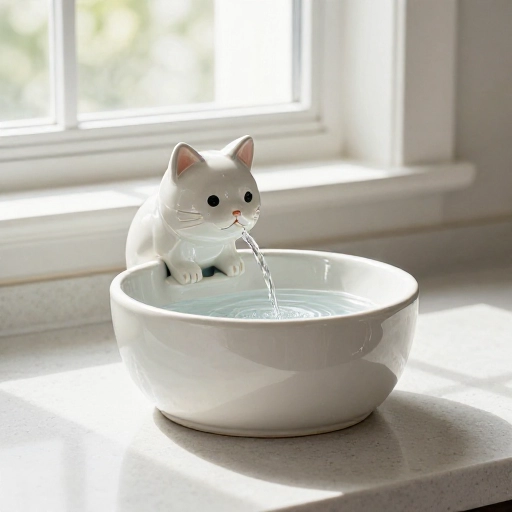
5. Fresh Water Fountain
Cats often don’t drink enough from still bowls. A pet fountain encourages them to sip more because moving water is more appealing and tastes fresher.
I noticed my cat’s water intake doubled after I switched to a fountain. Plus, it filters out hair and debris. Just remember to change the filter regularly.
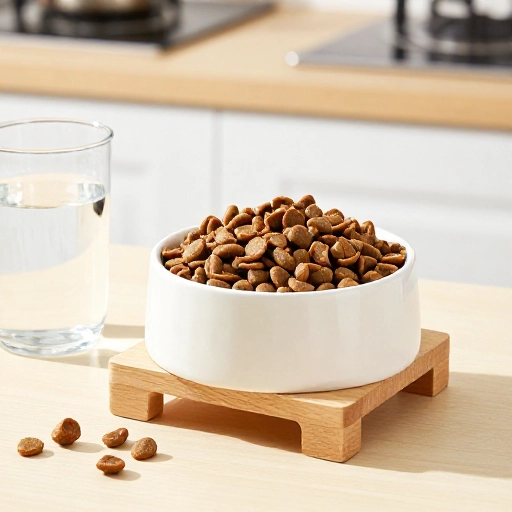
6. Elevated Food Bowls
Raised bowls are easier on your cat’s neck and digestion. They also help keep the floor cleaner—less mess from kibble scattering everywhere.
Choose ceramic or stainless steel over plastic. Plastic can hold bacteria and cause chin acne. I love the look of a simple, tilted bowl stand.
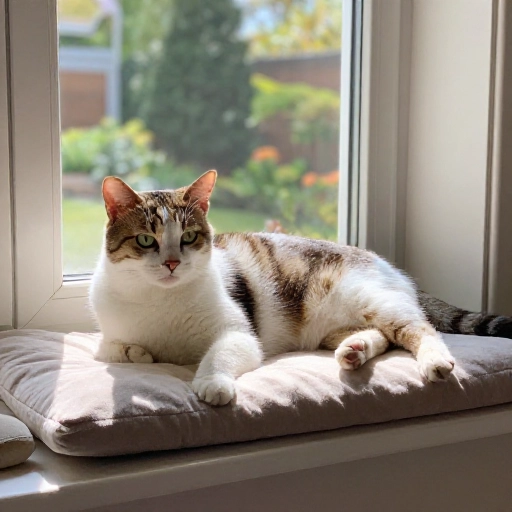
7. Window Perch for Sunbathing
Cats are solar-powered creatures. A window perch gives them a front-row seat to the outdoors without leaving the room. It’s like cat TV, but better.
Install a sturdy suction cup perch or a shelf that hooks over the sill. My cat claims hers the moment the morning sun hits it. She’ll stay there for hours, dozing and watching birds.
8. Interactive Toys for Playtime
Cats need mental stimulation. Keep a basket of toys like wand teasers, crinkle balls, and puzzle feeders. Rotate them every few days to keep things fresh.
I set aside 10 minutes twice a day for active play. It burns off energy and strengthens our bond. A tired cat is a happy, well-behaved cat.

9. Soft Blankets and Throws
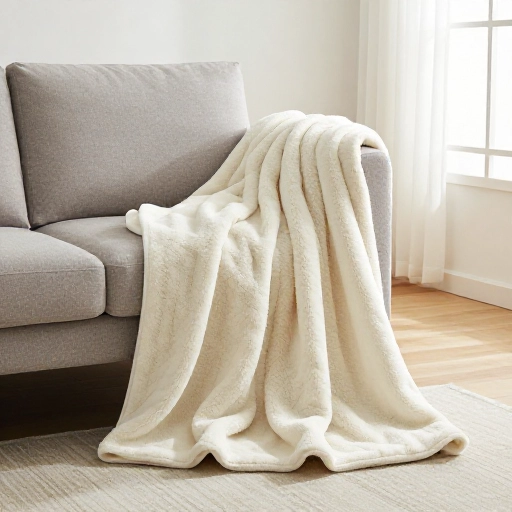
Every cat room needs a few cozy blankets. They love to knead, burrow, and nest in soft fabric. Keep one on the cat tree, one on the bed, and one on the floor.
I use fleece blankets because they’re warm, washable, and cheap. My cat has her favorite—she drags it around the room sometimes. It’s adorable.
10. Cat-Safe Plants
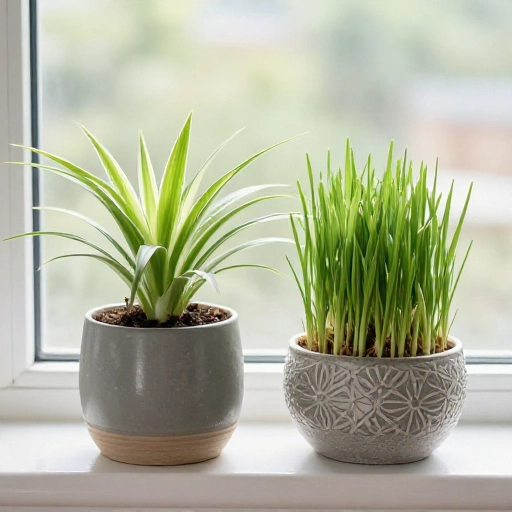
Greenery adds life to the room, but many houseplants are toxic to cats. Stick with cat-safe options like spider plants, cat grass, or catnip.
I grow a small pot of cat grass near the window. My cat nibbles on it when she feels like it, and it helps with digestion. Just avoid lilies, pothos, and sago palms.
11. A Quiet Hiding Spot (Like a Cave or Tunnel)
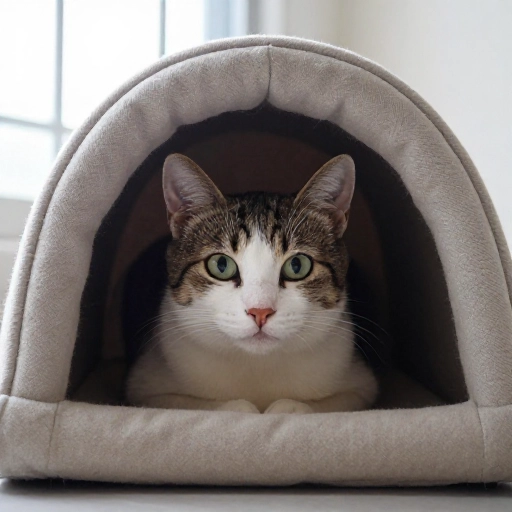
Sometimes cats just want to disappear. A fabric tunnel or a covered cube gives them that option. It’s especially helpful in multi-pet households.
I have a simple felt cave that looks like a little igloo. My cat uses it when guests come over or when she’s feeling overwhelmed. It’s her safe space.
12. Calming Diffuser or Spray
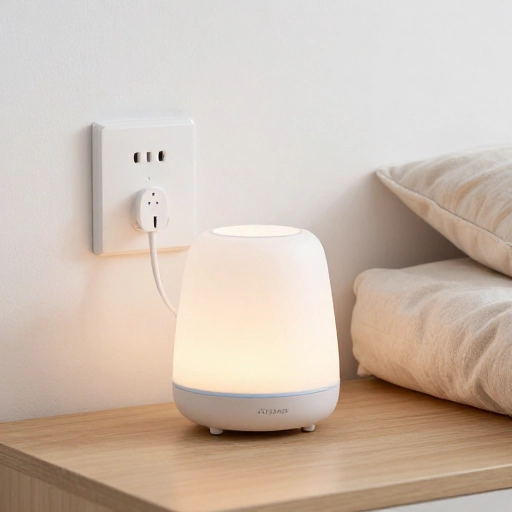
If your cat is stressed, a pheromone diffuser can work wonders. It releases synthetic calming signals that help reduce anxiety and spraying.
I plug one in near the litter box area. It made a noticeable difference in my cat’s confidence, especially during thunderstorms or vet visits. Totally worth it.
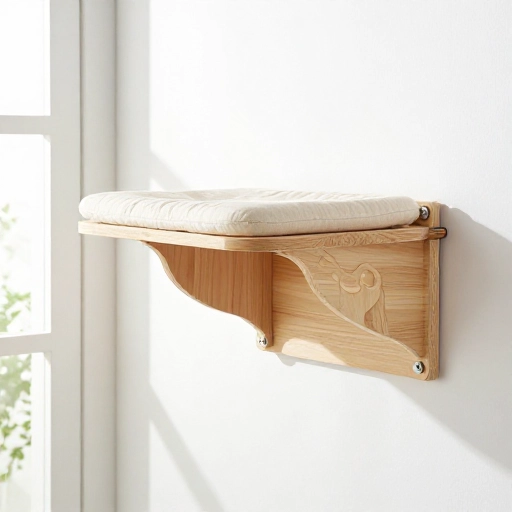
13. A Wall-Mounted Cat Shelf
Wall shelves turn empty vertical space into a cat highway. They love jumping from shelf to shelf. It’s like a climbing gym for your feline.
I installed two shelves near the ceiling. My cat uses them as a shortcut to her window perch. It also adds a cool, modern look to the room.
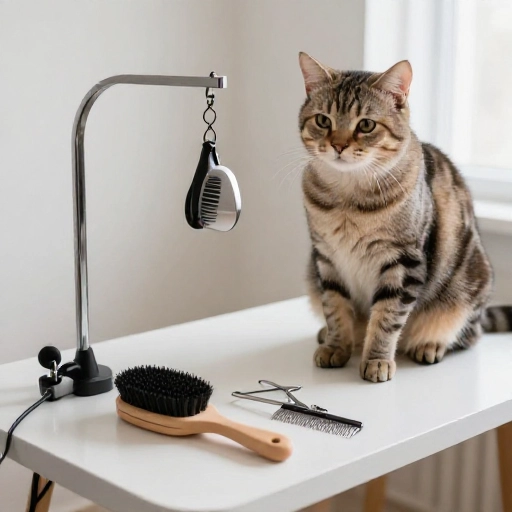
14. Grooming Station with Tools
Regular grooming keeps shedding under control and strengthens your bond. Set up a small station with a brush, comb, nail clippers, and treats.
I keep everything in a cute basket. After brushing, I reward my cat with a treat. Now she actually runs over when she sees the brush come out.
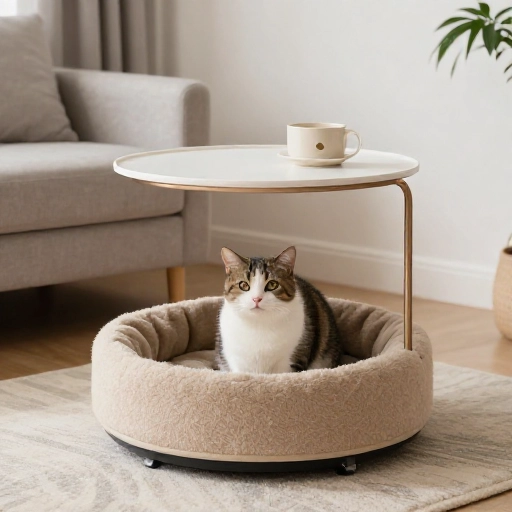
15. A Cat Bed That Doubles as Furniture
Why not blend style with function? Look for a cat bed that looks like a side table, a cube, or a woven basket. It fits right into your decor.
I have a wooden crate-style bed that doubles as a nightstand. It’s practical and pretty—my cat loves it, and guests always compliment it.
16. A Toy Box or Storage Basket
Keep the room tidy with a dedicated toy bin. It teaches your cat where to find her toys and makes cleanup easy for you.
I use a woven basket with a lid. Every evening, I toss the toys back in. My cat sometimes digs through it like a treasure chest, which is endlessly entertaining.

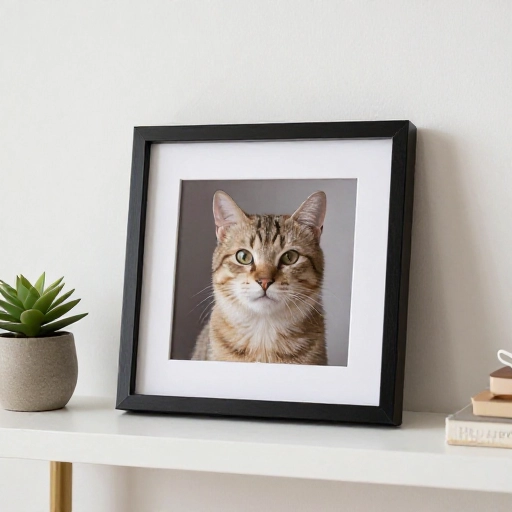
17. Personal Touch: Your Cat’s Photo or Art
Make the room feel like a real home with a personal touch. Hang a framed photo of your cat or a simple paw print art piece. It’s a small detail that adds warmth.
I have a tiny gallery wall with pictures of my cat from kittenhood to now. She seems to recognize herself—she’ll sit and stare at it sometimes. It’s sweet.
Conclusion
Creating a cat room doesn’t have to be complicated or expensive. Start with the basics—a tree, a bed, a scratching post—and build from there. Watch your cat’s behavior and add what they actually use.
The goal is a space where your cat feels safe, stimulated, and loved. When they purr, stretch, and flop down in contentment, you’ll know you’ve done it right. Happy decorating!
Frequently Asked Questions
1. Do I really need a whole room for my cat?
Not necessarily. Even a corner or a dedicated area works. The key is to include essentials like a bed, toys, and a litter box in a quiet spot. A full room is amazing if you have the space, but any cat-friendly zone is great.
2. How many cat trees should I have?
At least one per cat, but two is better if you have multiple cats. Place them in different areas so each cat can claim a spot. A tall tree near a window is usually the favorite.
3. What’s the best way to keep the litter box from smelling?
Scoop daily, deep clean weekly, and use a high-quality clumping litter. A covered box with a carbon filter helps, too. Also, place it in a well-ventilated area.
4. Can I use regular houseplants in the cat room?
Only if they’re non-toxic. Check the ASPCA list before bringing any plant home. Safe options include cat grass, spider plants, and Boston ferns. Avoid lilies, aloe, and pothos.
5. How often should I rotate toys?
Every 3 to 5 days is ideal. Cats get bored easily. Rotating keeps old toys feeling new and exciting. Store half the toys away and swap them out weekly.