10 Genius DIY Dog Run Side Yard Hacks
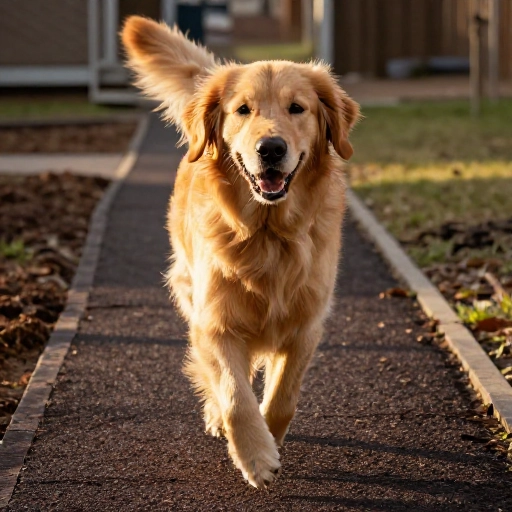
If your side yard is just a narrow strip of grass that you barely use, it’s time for a change. I’ve been there—looking at that awkward space between the house and the fence, wondering how to make it work for my pup. It’s too skinny for a full backyard setup, but it’s perfect for a dedicated dog run.
The best part? You don’t need to spend a lot of money or hire a contractor. With a few clever DIY hacks, you can turn that forgotten space into your dog’s favorite spot on the property. I’ve tried and tested these ideas, and they’re all about making life easier for you and more fun for your furry friend.
Let’s get into ten simple, budget-friendly ways to transform your side yard into a functional and stylish dog run.
1. Use Rubber Mulch for a Mud-Free Zone
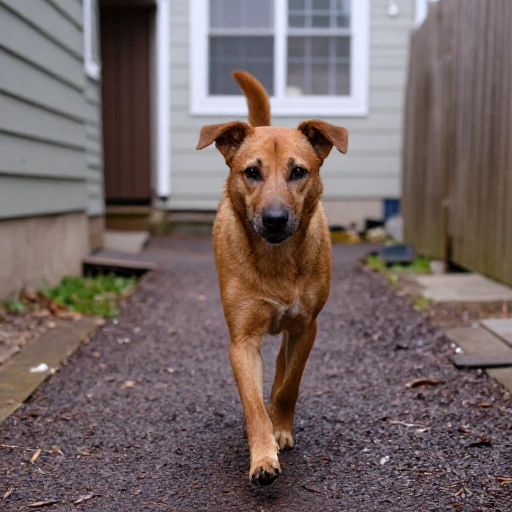
Grass in a side yard never really stands a chance. My dog’s paws turned our narrow strip into a muddy mess within a week. The hack? Swap out the grass for rubber mulch. It’s soft, durable, and won’t wash away in the rain.
You can find bags of rubber mulch at any home improvement store. Spread it about two inches deep over a weed barrier fabric. It drains well, so your dog stays clean, and you avoid the dreaded mud trail into the house. Plus, it comes in different colors if you want to match your home’s look.
2. Install a Zip Line for More Freedom
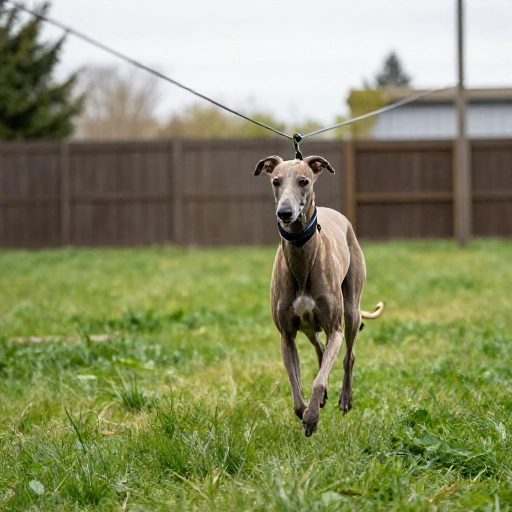
A traditional tie-out can get tangled around every bush and post. I installed a simple cable zip line between two sturdy posts at each end of the side yard. Attach your dog’s leash to the pulley, and they can run the full length without getting wrapped up.
This gives your dog a lot more room to move. It’s also super easy to set up—just two eye bolts, a coated cable, and a pulley. Your pup will love the extra freedom, and you’ll love not untangling knots every five minutes.
3. Create a Gravel Potty Patch
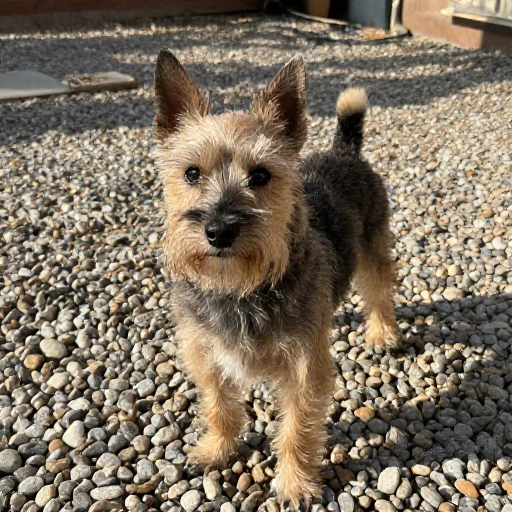
Dogs often prefer a specific surface for doing their business. I dedicated a small section of the side yard to a gravel potty patch. It’s a game-changer for easy cleanup. Just rake the solids, and the urine drains right through.
Use pea gravel or small river stones. Dig a shallow trench, lay down landscape fabric, and fill it with gravel. Mark the area with a small border of bricks or stones. Your dog will quickly learn this is the designated spot, saving the rest of the yard for running and playing.
4. Hang a Self-Watering Planter for Shade
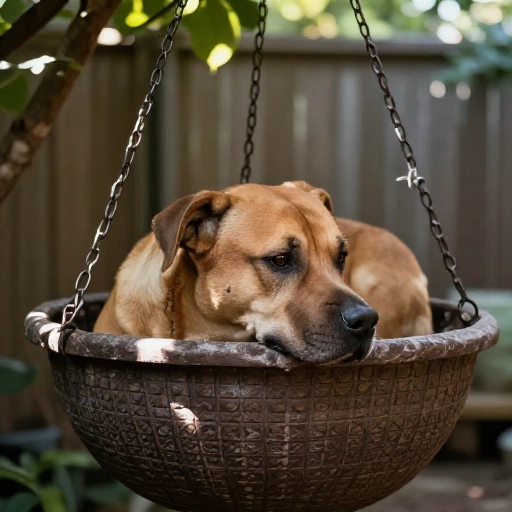
Side yards can get hot, especially if they face the afternoon sun. I hung a few self-watering planters on the fence at dog height. I planted climbing vines like jasmine or morning glories. They grow quickly and create a living shade wall.
The self-watering feature means you don’t have to remember to water every day. The vines cool down the area and make the run feel more private. Your dog will have a cooler place to rest, and you’ll have a prettier view from the house.
5. Build a Simple Agility Tunnel
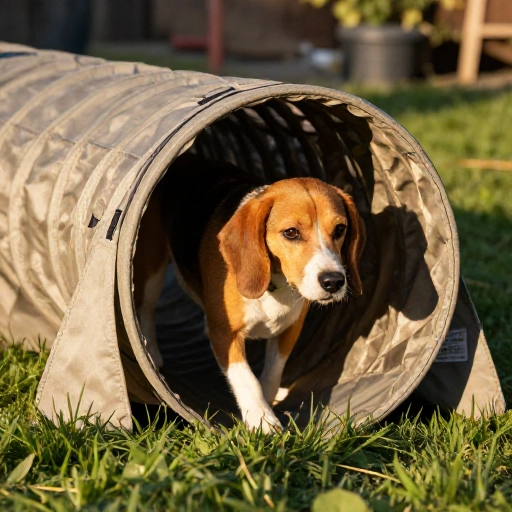
Dogs need mental stimulation, not just physical exercise. I built a cheap agility tunnel from a large plastic barrel and some fabric. Cut both ends off the barrel, cover it with a heavy-duty tarp or outdoor fabric, and secure it with zip ties.
Place the tunnel at one end of the run. Toss a toy through it, and watch your dog dart after it. It’s a fantastic way to burn off energy in a small space. You can even add a few low jumps made from PVC pipes for extra fun.
6. Add a Digging Pit to Save Your Yard
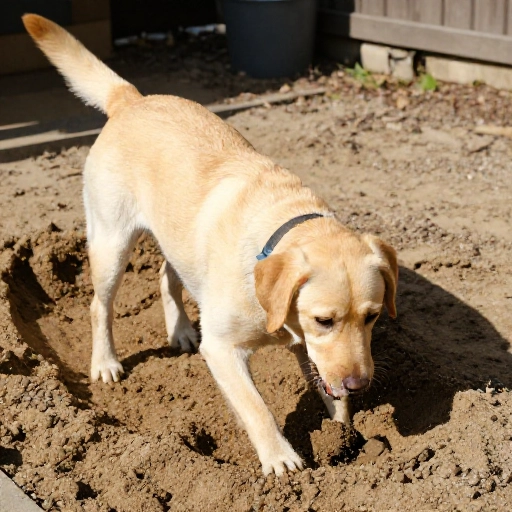
If your dog loves to dig, a side yard can turn into a crater zone fast. Instead of fighting it, I gave my dog a dedicated digging pit. I used an old kiddie pool and filled it with sand and a few buried toys.
Sink the pool into the ground so the edges are flush with the surface. Fill it with play sand, which is soft and clean. Bury a few treats or toys for your dog to discover. They get to dig to their heart’s content, and the rest of the yard stays intact.
7. Use a Privacy Screen for a Calmer Space
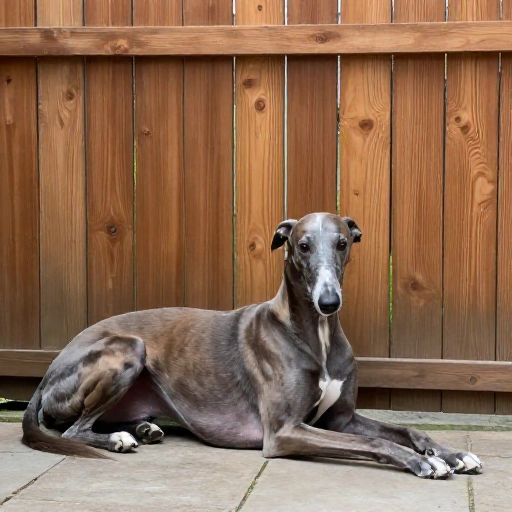
A busy street or neighbor’s yard can make your dog anxious. I attached bamboo fencing to the side of the chain-link fence. It blocks visual distractions and reduces barking. Your dog will feel more secure in their own private zone.
You can also use outdoor curtains or lattice panels. They’re easy to install with zip ties. The added privacy also makes the area feel like a real room outside. It’s a simple change that makes a huge difference in your dog’s behavior.
8. Install a Doggy Door Directly into the Run
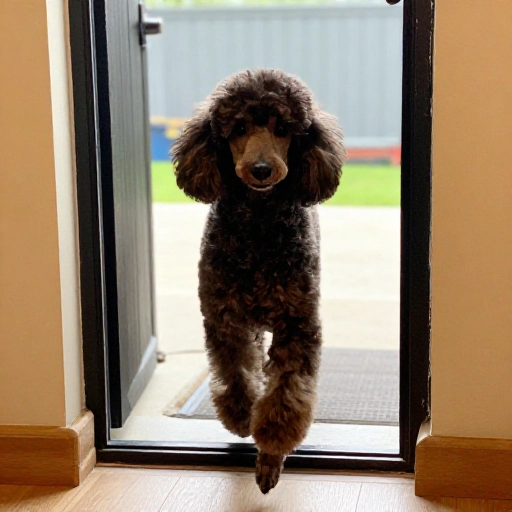
This hack changed my daily routine. I installed a doggy door in the side door of our house that leads directly into the side yard run. Now my dog can go outside whenever she wants, without me having to open the door every time.
Measure your dog’s height and width, then cut a hole in the door following the kit instructions. It takes an afternoon to install. Your dog gets more freedom, and you get fewer interruptions. Just make sure the run is secure so they can’t escape.
9. Build a Raised Platform for Lounging
Dogs love being up high to survey their territory. I built a simple raised wooden platform in one corner of the side yard. It’s just a frame with slats, lifted a foot off the ground. I added a cushion on top for comfort.
The platform stays cooler than the ground in summer and gives your dog a dry spot after rain. It’s also great for older dogs who need a soft place to lie down. You can build it in an afternoon with basic lumber and outdoor screws.
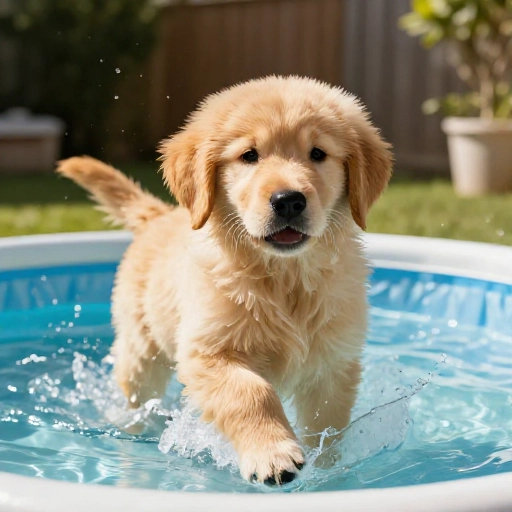
10. Add a Splash Pad for Summer Fun
On hot days, a side yard can feel like an oven. I created a simple splash pad using a PVC pipe frame and a garden hose. Drill small holes in a length of PVC, cap one end, and attach the hose to the other. Lay it along the edge of the run.
Turn on the water, and you have an instant dog sprinkler. My pup loves running through it. It’s cheap, easy to store, and keeps your dog cool and entertained. Just remember to supervise and turn it off when you’re done.
Conclusion
Your side yard doesn’t have to be wasted space. With a little creativity and some basic DIY work, you can turn it into a place your dog loves. Start with one or two of these hacks and see what works best for your pup. Every dog is different, but they all appreciate a space that’s just for them.
The best part is that most of these projects take just a weekend. You’ll save money, spend more time with your dog, and finally make use of that awkward strip of land. Give it a try—your dog will thank you with wagging tails and happy zoomies.
FAQ
How big should a side yard dog run be?
A good rule is at least 3 feet wide and 10 feet long. The longer the better, so your dog can run. Measure your side yard and make the run as long as possible.
What’s the best surface for a dog run?
Rubber mulch is my top pick. It’s soft, drains well, and doesn’t get muddy. Pea gravel is also great for potty areas. Avoid sharp rocks or hot artificial turf in summer.
How do I keep my dog from escaping the side yard?
Check your fence for gaps. Add a roll bar or dig barrier along the bottom if your dog is a jumper or digger. Make sure the gate latches securely.
Can I use fake grass in a dog run?
Yes, but it requires regular cleaning. You need to hose it down and use a pet-safe deodorizer. It’s softer than gravel but can get hot in direct sun.
How do I keep the run from smelling?
Pick up solid waste daily. For urine, use an enzyme cleaner or hose down the area. Adding a gravel potty patch makes cleanup much easier and cuts down on odors.