12 Common Toxic Plants for Cats You Must Avoid
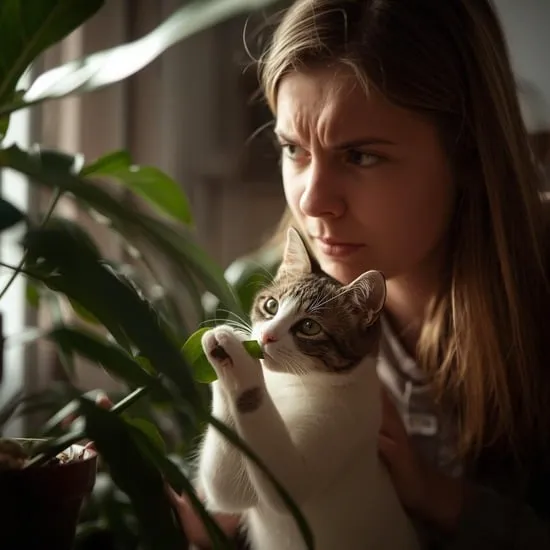
I’ll never forget the moment my cat started chewing on a houseplant I thought was harmless. My heart dropped when I learned later that it could have seriously hurt her. That experience pushed me to learn everything I could about the 12 common toxic plants for cats, and it completely changed how I look at plants in my home.
Cats explore with their mouths. They nibble, chew, and sniff out of curiosity, boredom, or comfort. Unfortunately, many popular indoor and outdoor plants can be extremely dangerous to them. Knowing which plants are unsafe isn’t about fear — it’s about prevention, love, and responsibility.
Why Toxic Plants Are So Dangerous for Cats
Cats have sensitive systems and limited ability to process certain plant compounds. Even small amounts can cause serious reactions. Understanding the 12 common toxic plants for cats helped me realize how quickly an innocent mistake can turn into an emergency.
Symptoms can range from mild stomach upset to kidney failure or worse. That’s why awareness is one of the most powerful tools we have as cat parents.
1. Lilies
Lilies are one of the most dangerous plants for cats. Even a small amount of pollen can cause kidney failure. This plant tops every list of the 12 common toxic plants for cats for a reason.
2. Aloe Vera
Often kept for its healing properties, aloe vera is toxic to cats when ingested. It can cause vomiting, diarrhea, and lethargy.
3. Pothos
Pothos is popular and easy to grow, but it contains insoluble calcium oxalates that irritate a cat’s mouth and digestive tract.
4. Philodendron
Like pothos, philodendron plants can cause oral pain, drooling, and difficulty swallowing if chewed.
5. Snake Plant
Snake plants are trendy and low-maintenance, but they are toxic to cats and can cause nausea and vomiting.
6. Peace Lily
Despite the name, peace lilies are not peaceful for cats. They can cause mouth irritation and gastrointestinal distress.
7. Tulips
Tulips, especially the bulbs, are toxic to cats. Ingestion can lead to drooling, vomiting, and loss of appetite.
8. Daffodils
Daffodils contain toxic alkaloids. Eating any part of the plant can cause serious digestive issues.
9. Dieffenbachia (Dumb Cane)
This plant causes intense mouth and throat irritation. It’s one of the more painful entries in the 12 common toxic plants for cats.
10. Sago Palm
Sago palms are extremely dangerous and can cause liver failure. Even a small amount can be fatal.
11. English Ivy
English ivy can cause vomiting, diarrhea, and abdominal pain in cats who chew on it.
12. ZZ Plant
The ZZ plant contains calcium oxalates that irritate a cat’s mouth and digestive system.
Common Signs of Plant Poisoning in Cats
Recognizing symptoms early can save your cat’s life. Drooling, vomiting, lethargy, difficulty breathing, or sudden hiding are all red flags. Learning the 12 common toxic plants for cats helped me spot danger faster.
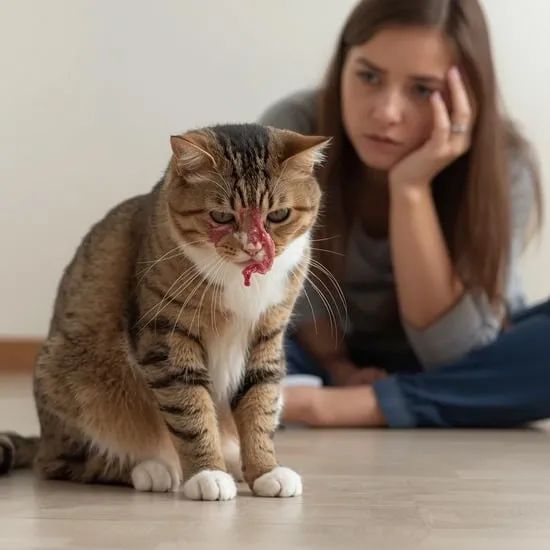
If you ever suspect plant ingestion, contact your vet or a pet poison helpline immediately.
How I Made My Home Safer for My Cat
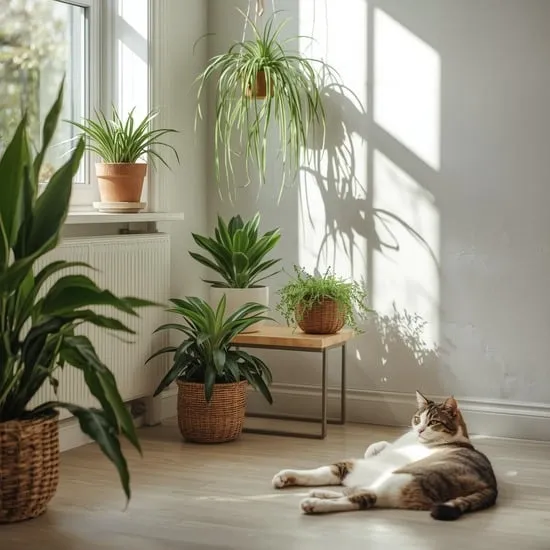
I didn’t get rid of plants entirely — I replaced them. Cat-safe plants like spider plants, calatheas, and cat grass allowed me to keep greenery without fear.
Understanding the 12 common toxic plants for cats empowered me to make thoughtful changes instead of reactive ones.
Outdoor Plants and Seasonal Dangers
Outdoor gardens and bouquets can be just as risky. Seasonal flowers often include toxic varieties. Being mindful of what comes into your home matters year-round.
LSI-related awareness like poisonous plants for cats, cat-safe houseplants, and preventing plant poisoning all tie into this protective mindset.
What to Do If Your Cat Eats a Toxic Plant
Stay calm and act quickly. Remove any remaining plant material from your cat’s mouth and contact a professional immediately. Time matters more than anything.
Knowing the 12 common toxic plants for cats doesn’t make you anxious — it makes you prepared.
Looking back, I’m grateful I learned this lesson before it was too late. Our homes should be safe havens for our cats, not hidden hazards. With awareness, intention, and love, we can protect them from dangers they don’t understand.
If you have plants and cats, take a moment today to double-check what’s around you. That small step could mean everything to the little life that trusts you completely.